Have you ever wondered how your newborn starts to understand and use language even before saying their first word? Early speech cues are the small signs your baby gives that show they’re beginning to communicate with you.
Recognizing these cues can help you connect better with your little one and support their language growth from day one. You’ll discover what these early speech signals look like and how paying attention to them can make a big difference in your baby’s development.
Keep reading to unlock the secrets your newborn is already sharing with you!
Key Speech Cues In Newborns
Newborns communicate through small signals. These early speech cues help parents understand their baby’s needs and feelings. Recognizing these signs supports bonding and language growth. Key speech cues include vocal sounds, facial expressions, and eye contact.
Vocal Sounds And Cry Patterns
Newborns use different sounds to express themselves. Crying is their main way to show hunger, pain, or discomfort. Soft coos and gurgles can mean contentment or curiosity. Listening to these sounds helps parents respond quickly and appropriately.
Facial Expressions And Mouth Movements
Babies use facial expressions to communicate feelings. Smiles may show happiness or comfort. Frowns or grimaces can signal distress. Mouth movements like sucking or lip-smacking often mean hunger or readiness to feed. Watching these cues guides caregivers in meeting the baby’s needs.
Eye Contact And Attention
Newborns focus on faces and voices. Making eye contact shows interest and helps build connection. Babies may follow sounds or movements with their eyes. This attention signals early communication skills and readiness to learn language.
Common Early Speech Milestones
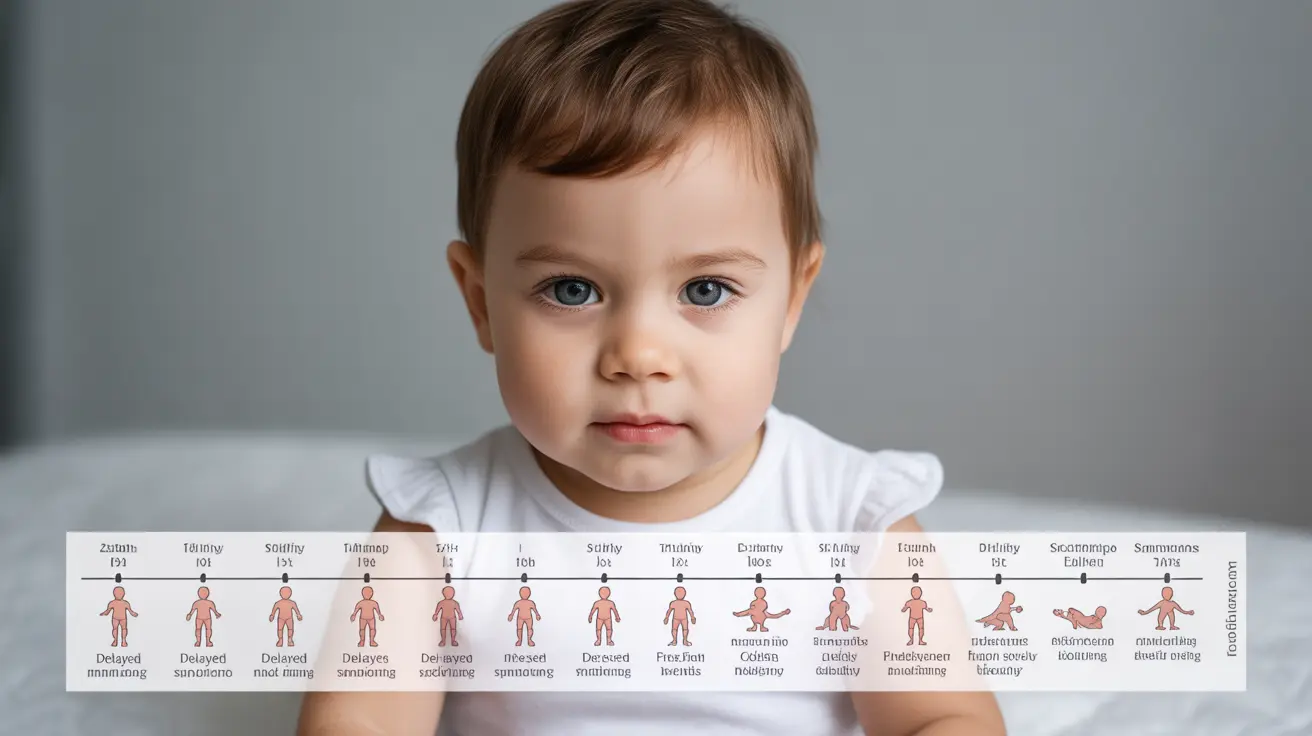
Newborns begin to show early signs of speech very soon after birth. These signs help parents and caregivers understand how babies start to communicate. Watching these milestones gives clues about a baby’s language development. Each step builds a foundation for future speech and understanding.
Cooing And Gurgling
Babies often start making soft sounds like cooing and gurgling around 6 to 8 weeks old. These sounds are gentle and come from the throat. They show that the baby is learning to use their voice. Cooing is a way for babies to express comfort and joy. It also invites interaction with caregivers.
Babbling Progression
By about 4 months, babies begin to babble. Babbling means making repeated consonant-vowel sounds like “ba” or “da.” This stage helps babies practice speech patterns. It also teaches them how to control their mouth and tongue. Babbling is a key step toward forming real words.
Response To Voices
Newborns quickly learn to recognize familiar voices. They often turn their heads or quiet down when someone speaks. Responding to voices shows that babies understand sounds carry meaning. This reaction helps build social and language skills. It also strengthens the bond between baby and caregiver.
Nonverbal Communication Signals
Newborns communicate a lot without words. They use their bodies and sounds to express feelings and needs. Parents and caregivers can notice these early signs. Recognizing these signals helps build a strong bond and supports baby development.
Gestures And Body Movements
Babies move their hands, arms, and legs to show feelings. They may stretch, kick, or wave. These actions tell if they feel happy, hungry, or tired. Sometimes, babies turn their heads to avoid something they dislike. Watching these movements helps understand their mood and needs.
Reactions To Environmental Sounds
Newborns respond to sounds around them. They may startle at loud noises or calm down with soft sounds. Listening to voices or music can make them alert or relaxed. These reactions show how babies sense the world and begin to learn about sounds.
Recognizing Familiar Voices
Babies quickly learn to recognize familiar voices. They may stop crying or smile when they hear a parent’s voice. This recognition comforts them and helps them feel safe. Hearing familiar voices is an important step in early speech and language growth.
Factors Influencing Early Speech Development
Early speech development in newborns depends on many key factors. These factors shape how babies learn to understand and use language. Parents and caregivers play a big role. So do the baby’s health and the surrounding environment. Each element helps build the foundation for clear speech and communication skills.
Parental Interaction And Talk
Talking to a newborn helps them hear sounds and words often. Simple words and gentle tones catch the baby’s attention. Smiling and making eye contact during talk encourages babies to respond. These interactions teach babies the rhythm and flow of speech. Repeating sounds and naming objects helps them connect words with meaning.
Hearing And Health Conditions
Good hearing is vital for early speech cues. Babies with hearing issues may miss important sounds. Early checkups can find hearing problems quickly. Health problems like frequent ear infections can affect speech learning. Healthy babies hear better and can copy speech sounds faster.
Environment And Stimulation
A rich environment full of sounds and voices aids speech growth. Reading books and singing songs adds variety to the sounds babies hear. Quiet places with less distraction help babies focus on voices. Toys that make noise or speak can also encourage babies to babble. Stimulation through daily activities supports faster speech development.
When To Seek Professional Advice
Knowing when to seek professional advice about your newborn’s speech cues is very important. Early speech cues show how your baby starts to communicate. Sometimes, delays or unusual signs can mean your baby needs extra support. Acting early can make a big difference in your baby’s development.
Signs Of Delayed Speech Cues
Watch for these signs in your baby’s speech cues. No cooing or babbling by three months. Lack of eye contact or smiling by six weeks. No response to loud sounds or voices. Not turning head toward sounds by four months. These signs may suggest a delay in speech or hearing.
Screening And Evaluation Options
Doctors can perform simple hearing and speech screenings. These tests check how your baby hears and responds to sounds. Speech therapists can observe your baby’s reactions and sounds. Early check-ups help find any problems quickly. Getting a clear evaluation guides the right support for your child.
Early Intervention Benefits
Starting support early helps your baby’s speech and language growth. Therapies can improve communication skills before problems get worse. Early help also supports social and emotional development. It builds confidence in your baby’s ability to connect with others. The sooner you act, the better the outcomes for your child.

Frequently Asked Questions
What Are Early Speech Cues In Newborns?
Early speech cues are sounds and behaviors newborns use to communicate. These include cooing, crying, and eye contact. They show a baby’s readiness to engage and develop language skills. Recognizing these cues helps parents support early speech development effectively.
Why Are Early Speech Cues Important For Babies?
Early speech cues help babies express needs and emotions before speaking. They lay the foundation for language learning and social interaction. Timely response to these cues promotes bonding and cognitive growth, boosting a baby’s communication skills.
When Do Newborns Start Showing Speech Cues?
Newborns start showing speech cues within the first few weeks of life. Crying is their primary sound at birth. By 6 to 8 weeks, babies begin cooing and making other vocal sounds, signaling early language development.
How Can Parents Encourage Early Speech Cues?
Parents can encourage speech cues by talking, singing, and responding to their baby’s sounds. Eye contact and smiling also boost communication. Consistent interaction helps babies feel secure and eager to express themselves vocally.
Conclusion
Early speech cues help parents understand their newborn’s needs. Babies use sounds, facial expressions, and body movements to communicate. Recognizing these signs supports bonding and language growth. Paying attention to these cues encourages healthy development. Every small sound or gesture matters in early learning.
Trust your instincts and enjoy these precious moments together. Early speech cues lay the foundation for your child’s future communication skills. Keep observing and responding with love and patience.


