Have you ever noticed your baby tightly gripping your finger with their tiny hand? This simple action is more than just adorable—it’s a powerful sign of your newborn’s natural instincts.
The newborn grasp reflex is one of the first ways your baby interacts with the world around them. Understanding this reflex can give you valuable insights into your baby’s development and help you bond even more deeply. Keep reading to discover what the newborn grasp reflex is, why it happens, and what it means for your little one’s growth.
Newborn Grasp Reflex Basics
The newborn grasp reflex is one of the first signs of a baby’s development. It shows how a baby’s nervous system works. This reflex helps babies hold onto things without effort. Understanding this reflex gives insight into early growth and health.
Parents and caregivers often notice this reflex in the first weeks after birth. It is a natural action that fades as the baby grows. This section explains the basics of the newborn grasp reflex and how it works.
What Triggers The Reflex
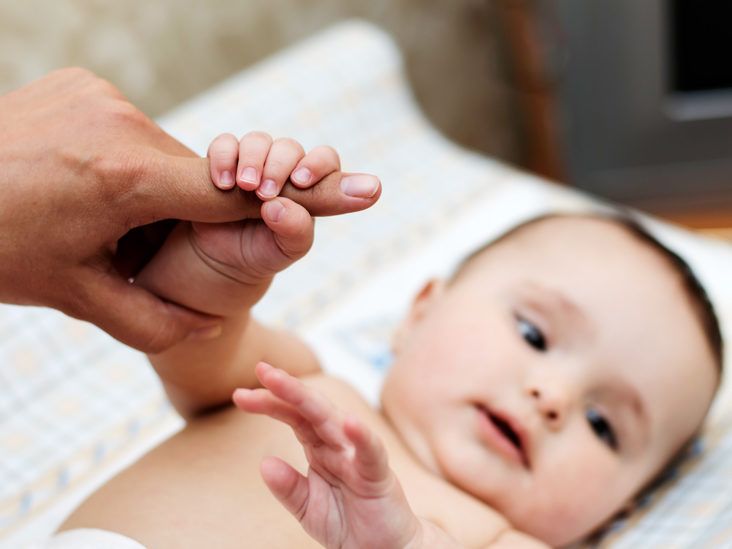
The reflex starts when something touches the baby’s palm. Light pressure or touch can cause it. For example, placing a finger in a baby’s hand triggers the reflex. The baby’s fingers close tightly around the object. This response helps the baby feel secure and connected.
Touch is the main trigger for this reflex. It shows the baby’s brain and muscles communicate well. This reflex also helps babies explore their environment in a safe way.
Typical Response Patterns
The baby’s fingers curl around the object firmly. The grip is strong despite the baby’s small size. This grasp lasts a few seconds or longer if the object stays in place. The reflex is automatic and does not require thinking.
As babies grow, the reflex changes. They start to grasp with purpose and control. The reflex fades after about three to six months. This change means the baby’s brain is maturing and learning voluntary movements.
Why The Grasp Reflex Matters
The newborn grasp reflex is more than just a cute action. It shows important brain and nerve development. This reflex helps babies learn about their world. It also supports their growth in many ways. Understanding why it matters helps parents and caregivers support babies better.
Role In Early Development
The grasp reflex is one of the first signs of life skills. It starts working right after birth. This reflex helps babies feel safe and connected. When a baby holds a finger, it builds trust. It also helps the brain start important learning paths. These early actions prepare babies for future growth.
Connection To Motor Skills
This reflex is linked to motor skill development. It trains hand muscles and coordination. Babies practice opening and closing their hands. This practice is key for later actions like grabbing toys. It also helps improve hand strength and control. The grasp reflex sets the stage for fine motor skills.
When The Reflex Appears And Fades
The newborn grasp reflex is one of the first signs of a baby’s developing nervous system. It appears early and fades as the baby grows. Understanding when this reflex starts and ends helps track healthy development. This section explains the timeline and what to expect as the reflex changes.
Timeline Of Reflex Activity
The grasp reflex is present at birth. Babies instinctively close their fingers around an object placed in their palm. This reflex is strongest during the first few weeks of life.
By about 3 to 4 months, the reflex begins to weaken. The baby starts to open their hand more often. By 5 to 6 months, the reflex usually disappears. At this point, voluntary grasping replaces the reflex.
Signs Of Normal Progress
A normal grasp reflex shows a quick, firm finger curl around a finger or object. The baby’s grip feels strong but not painful. The reflex should appear on both hands equally.
As the reflex fades, the baby will start reaching and holding toys voluntarily. This change shows brain development and growing control. Parents may notice smoother hand movements and intentional grasping.

Variations And What They Mean
The newborn grasp reflex can vary from baby to baby. These differences tell us a lot about their nervous system. Some babies have very strong grasps. Others may have a weaker hold. Both can be normal but also need watching. Understanding these variations helps parents and doctors.
Strong Vs. Weak Reflexes
A strong grasp reflex means your baby tightly holds your finger. This is common in healthy newborns. It shows good muscle tone and nerve response. A weak reflex means the baby barely holds or does not hold at all. This might be normal for some babies. But it can also suggest low muscle strength or delayed development.
Indicators Of Possible Concerns
If the grasp reflex is too strong, it might make hand movements stiff. This can be a sign of neurological issues. If the reflex is very weak or missing, it could indicate nerve or brain problems. Doctors watch for reflexes that do not improve as the baby grows. These signs may lead to further tests or early therapy. Early detection helps in better care and support.
How Parents Can Encourage Reflex Development
Parents play a key role in helping their newborn develop the grasp reflex. This reflex is an early sign of healthy brain and muscle function. Encouraging it supports motor skills and coordination.
Simple activities can boost this natural response. Gentle and careful stimulation helps babies learn how to control their hands. This process also strengthens their bond with parents.
Safe Stimulation Techniques
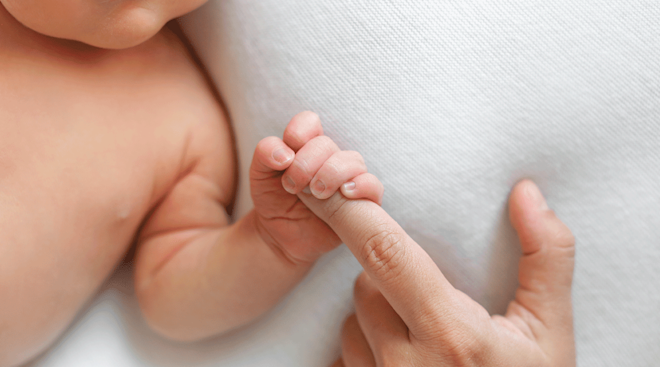
Use soft touch to gently stroke your baby’s palm. This can trigger the grasp reflex naturally. Avoid using sharp or hard objects near their hands. Keep your hands clean to prevent infections. Try placing your finger in your baby’s palm. Let them hold it on their own. Repeat this often but do not force their grip.
Promoting Healthy Motor Growth
Encourage your baby to use their hands by placing toys nearby. Choose lightweight and colorful toys that are easy to hold. Change the toys regularly to keep their interest. Give your baby plenty of tummy time to build arm strength. Talk and smile while they play to make it more fun. Celebrate small progress to motivate your baby gently.
Monitoring Reflex Changes
Monitoring changes in your newborn’s grasp reflex helps track their early brain and nerve development. This reflex shows how well your baby’s nervous system works. Regular checks can reveal if your baby is growing as expected. It also helps spot any issues early. Parents and caregivers play a key role in watching these reflex changes closely.
When To Seek Medical Advice
Seek medical advice if the grasp reflex is weak or absent. If your baby does not respond to touch on the palm, mention it to your doctor. A reflex that lasts too long or disappears too soon may also be a concern. These signs could point to neurological or muscle problems. Early medical help can support better outcomes for your child.
Tracking Development Milestones
The grasp reflex usually fades by 5 to 6 months of age. This fading marks a shift to voluntary hand control. Track your baby’s progress by noting when they start to grab objects on purpose. Milestones like reaching, holding toys, and passing objects between hands show growth. Keep a simple log or journal to monitor these steps regularly.
Frequently Asked Questions
What Is The Newborn Grasp Reflex?
The newborn grasp reflex is an automatic response where babies tightly hold objects placed in their palm. It helps assess neurological development and usually fades by 5-6 months of age.
Why Is The Grasp Reflex Important In Newborns?
The grasp reflex indicates healthy brain and nerve function. It helps doctors evaluate infant neurological status and overall development during early check-ups.
When Does The Grasp Reflex Disappear?
The grasp reflex typically fades between 4 to 6 months of age. Its disappearance signals the baby’s growing voluntary muscle control.
How Can Parents Stimulate The Grasp Reflex?
Parents can gently place a finger or small object in the baby’s palm. This encourages natural grasping and strengthens hand muscles.
Conclusion
The newborn grasp reflex shows how babies start to learn and grow. It helps parents understand their baby’s early development. This reflex usually fades as babies gain more control. Watching it disappear means the baby’s brain is maturing. Knowing about this reflex can ease new parents’ worries.
It also highlights how amazing newborns really are. Every small movement tells a story of growth. Keep observing your baby’s progress day by day. This simple reflex connects you to your child’s first steps.


