Are you wondering how to give your newborn the best start in learning to read and communicate? Early literacy activities aren’t just for toddlers—they begin from the very first days of your baby’s life.
These simple, everyday moments can shape your child’s brain and build a strong foundation for language skills. Imagine turning playtime and cuddle time into powerful learning experiences that set your little one up for future success. Keep reading to discover easy and effective ways you can help your newborn grow into a confident reader and communicator.
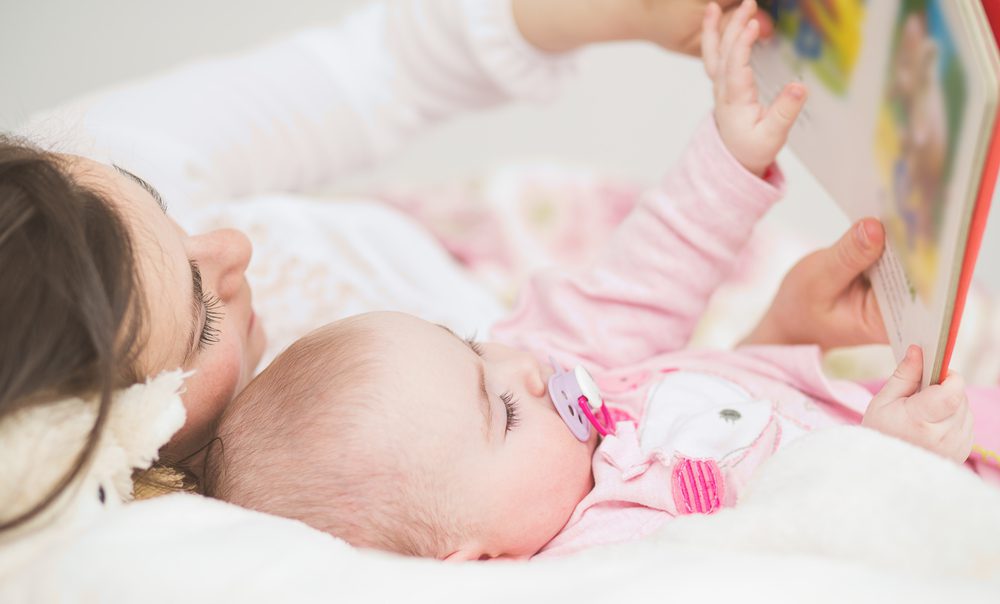
Importance Of Early Literacy
Early literacy is very important for newborns. It helps set the stage for learning and communication. Babies start learning from birth by hearing sounds and seeing words. These early experiences shape how their brains grow. Engaging in literacy activities builds a strong foundation for later reading and speaking skills.
Brain Development In Newborns
The brain of a newborn grows quickly in the first year. Every sound, sight, and touch helps form new connections. Talking, singing, and reading to babies stimulate these connections. This activity supports memory, attention, and understanding. A well-stimulated brain leads to better learning abilities later in life.
Building Language Skills Early
Language skills start developing in the first months. Babies learn words by hearing them often. Repeating sounds and simple words helps babies practice speaking. Early literacy activities like reading books and talking boost vocabulary. This early practice makes learning to speak easier and faster.
Simple Activities For Newborns
Simple activities for newborns help build early literacy skills gently and naturally. These activities create bonds and develop language skills. They set the stage for future learning without pressure.
Newborns learn best through close interaction. Parents and caregivers can use small, easy actions every day. These moments support brain growth and language recognition.
Talking And Singing
Talk to your newborn often. Describe what you are doing or feeling. Your voice helps the baby hear sounds and rhythms of language.
Singing soothes and entertains babies. Simple songs with clear words attract their attention. They also help with memory and sound recognition.
Reading Aloud
Read short books with big, clear pictures. Use soft voices and change your tone. This makes reading interesting and enjoyable for the baby.
Even if the baby does not understand words, hearing you read builds listening skills. It also creates a routine that babies find comforting.
Using Visual Stimuli
Show your newborn high-contrast images or simple shapes. Black and white patterns are easiest for them to see. These visuals help develop focus and tracking skills.
Use colorful toys or cards to catch their eyes. Moving objects slowly helps babies practice following things with their eyes. This is an early step to reading.
Creating A Literacy-friendly Environment
Creating a literacy-friendly environment is key for newborns. It helps them feel safe and curious about books and sounds. This environment supports early learning and builds strong reading habits. Simple changes at home can make a big difference for your baby’s early literacy.
Choosing Age-appropriate Books
Select books with bright pictures and simple words. Books made from cloth or board are best for newborns. They are easy to hold and safe to chew. Choose books with clear images and few words. Books about animals, colors, and everyday objects work well. Repetition helps babies recognize sounds and words.
Setting Up A Cozy Reading Space
Create a quiet, comfortable corner for reading. Use soft cushions or a small blanket on the floor. Keep books within easy reach for your baby. Good lighting helps both you and your child see the pictures. A cozy spot invites your baby to explore books often. Make this space a calm, happy place for reading time.
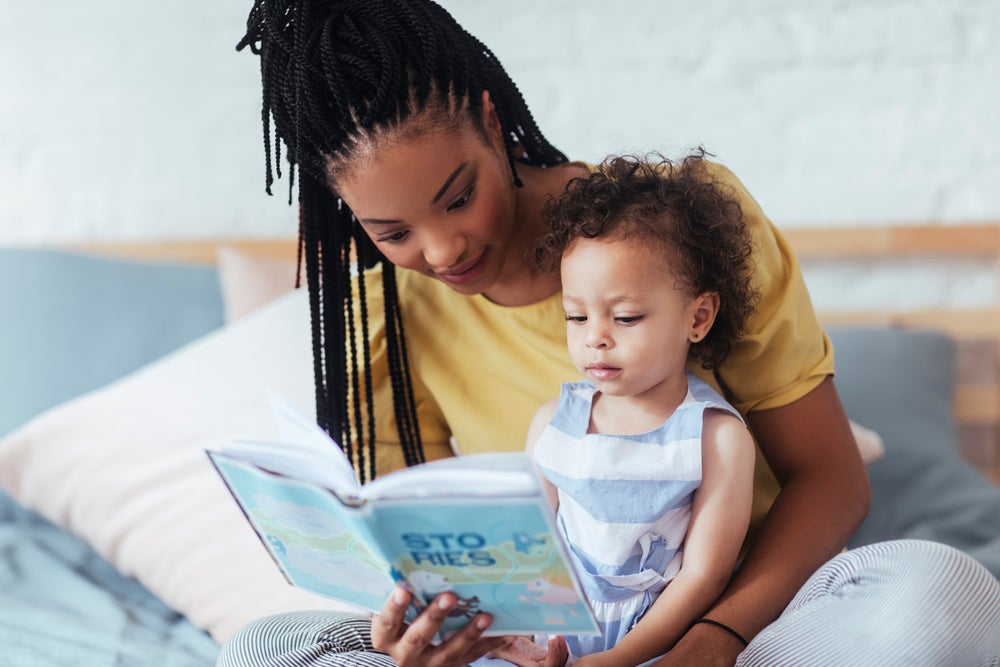
Interactive Techniques
Interactive techniques are key to early literacy for newborns. These activities help babies connect sounds and expressions with feelings and words. They build a strong foundation for language and learning.
Engaging with your baby using simple, playful actions makes learning natural. It encourages communication and strengthens your bond. Focus on watching your baby’s signals and responding with care.
Responding To Baby’s Cues
Babies communicate through sounds, movements, and facial expressions. Notice when your baby coos, smiles, or looks at you. Respond with words, gentle touch, or smiles. This shows your baby their signals matter.
Repeat their sounds softly and watch their reactions. This back-and-forth creates an early conversation. It teaches babies that communication is a two-way street.
Encouraging Babbling And Sounds
Babbling is a baby’s first step toward speaking. Make sounds like “ba,” “da,” or “ma” and wait for your baby to copy. Cheer them on with smiles and applause. This motivates more babbling.
Use different tones and rhythms to keep your baby interested. Singing simple songs or rhymes also helps. These sounds build the muscles needed for talking later on.
Tips For Consistency
Consistency is key for early literacy activities with your newborn. Regular practice helps build strong language and listening skills. It also creates a comforting routine for your baby. Simple, repeated activities make learning natural and fun. Here are some helpful tips to keep your efforts steady and effective.
Incorporating Literacy Into Daily Routine
Use everyday moments for reading and talking. During diaper changes, describe what you are doing. At feeding time, sing simple songs or say nursery rhymes. These small moments add up and make literacy part of daily life. Your baby will start to recognize sounds and words naturally.
Keeping Sessions Short And Engaging
Newborns have short attention spans. Keep literacy sessions brief, about five minutes. Use bright picture books or soft toys to hold interest. Change activities often to keep your baby curious. Short, fun sessions help your baby enjoy learning and stay focused.
.jpg)
Role Of Parents And Caregivers
The role of parents and caregivers is vital in early literacy for newborns. They shape how babies see books and language. Their actions create the foundation for future reading skills.
Parents and caregivers are the first teachers. Their behavior influences how babies learn to love reading. Simple habits can make a big difference in a child’s early literacy journey.
Modeling Reading Behavior
Babies learn by watching adults. When parents read often, babies notice this habit. Seeing adults enjoy books shows that reading is important. This simple act encourages babies to feel curious about books. Holding a book and reading aloud teaches babies about sounds and words.
Parents can read in calm, quiet places. This creates a peaceful reading time. Babies start to link books with comfort and attention. This modeling helps babies understand that reading is a regular part of life.
Creating Positive Associations With Books
Books should be fun and safe for babies. Parents can use bright, soft books to attract attention. Smiling and talking about pictures helps babies connect with stories. Gentle voices make reading time enjoyable and relaxing.
Repeating favorite books builds comfort and joy. Babies start to expect happy moments with books. This positive feeling encourages them to explore books more. Creating these good experiences supports early language and literacy skills.
Monitoring Progress And Adjusting
Monitoring your newborn’s progress in early literacy activities is important. It helps you see how your baby is learning and growing. Adjusting activities based on progress keeps learning fun and effective. This way, your baby stays interested and benefits more from each activity.
Recognizing Developmental Milestones
Babies reach certain skills at different ages. Watch for these key milestones. For example, tracking eye movement to objects shows early focus. Smiling or cooing indicates communication readiness. Listening and responding to sounds means growing awareness. Noticing these signs helps you know if your baby is on track. It also guides you to choose the best activities for their stage.
Adapting Activities As Baby Grows
As babies grow, their abilities change quickly. Change activities to match these new skills. Start with simple sounds and pictures. Then add more complex books or songs. Use toys that encourage touching and exploring. Make sure activities stay safe and interesting. Adjust timing and effort based on your baby’s mood and energy. Flexible learning helps your baby build strong early literacy skills.
Frequently Asked Questions
What Are Early Literacy Activities For Newborns?
Early literacy activities for newborns include talking, singing, and reading simple books. These activities help develop language skills and brain growth.
How Do Early Literacy Activities Benefit Newborns?
They improve vocabulary, listening skills, and bonding. Early literacy sets a foundation for later reading and communication success.
When Should Parents Start Early Literacy Activities?
Parents should start from birth. Newborns learn through sounds, facial expressions, and touch, making early interaction crucial.
What Types Of Books Are Best For Newborns?
Board books with high-contrast images and simple text work best. They capture newborns’ attention and stimulate visual development.
Conclusion
Early literacy activities help babies learn and grow every day. Talking, singing, and reading build strong language skills. Simple play with sounds and pictures sparks curiosity. These moments create a love for books early on. Parents and caregivers play a big role in this.
Consistent, gentle interaction makes learning natural and fun. Start early and enjoy watching your baby explore words. Small steps lead to big progress in reading and speaking. Every day offers a new chance to support your newborn’s literacy journey. Keep it simple, loving, and full of smiles.


