Are you wondering how to spark your newborn’s natural curiosity from the very start? Encouraging curiosity in your baby isn’t just about fun—it’s the key to building their brain, boosting learning, and helping them explore the world confidently.
You’ll discover simple, practical ways to nurture your baby’s sense of wonder every day. Keep reading, and you’ll learn how small actions you take now can create a lifetime of curiosity and growth for your little one.
Importance Of Curiosity In Newborns
Curiosity in newborns is a powerful driver of learning and growth. It sparks the desire to explore the world. This natural interest helps babies understand their surroundings. Encouraging curiosity sets the stage for strong brain development. It builds skills that last a lifetime.
Curiosity also helps newborns develop problem-solving skills. Babies learn by touching, seeing, and hearing new things. This exploration boosts their confidence and independence. It creates a foundation for future learning and creativity.
Enhances Brain Development
Curious babies use their senses actively. This sensory play grows neural connections. These brain connections improve memory and thinking. Early curiosity leads to stronger cognitive abilities.
Builds Emotional Strength
Exploring new things teaches babies to manage feelings. They learn patience and resilience through trial and error. Curiosity supports emotional growth and confidence.
Promotes Language Skills
Curious babies listen and respond to sounds and words. This interaction improves their vocabulary. It helps them communicate better as they grow.
Creating A Stimulating Environment
Creating a stimulating environment is key to developing curiosity in newborns. Babies learn through their surroundings. A space that invites exploration helps them discover new things every day.
Carefully designed areas encourage babies to use their senses. This builds their interest and supports brain growth. The environment should be safe, colorful, and natural to keep them engaged.
Safe And Varied Surroundings
Safety is the first priority. Remove sharp objects and choking hazards. Use soft mats and secure furniture to prevent accidents.
Offer different areas for play and rest. Change toys often to keep things fresh. New objects spark interest and encourage movement.
Use Of Colors And Textures
Bright colors attract babies’ attention. Use contrasting shades like black and white for newborns. Add soft blankets, smooth toys, and rough surfaces for touch exploration.
Different textures help babies learn through feeling. Mixing colors and textures makes the environment lively and fun.
Incorporating Natural Elements
Nature calms and fascinates babies. Include plants, wooden toys, and natural fabrics in the space. Natural light is soothing and helps regulate sleep patterns.
Sounds of nature, like gentle water or birds, create a peaceful atmosphere. These elements connect babies to the world around them.
Engaging Through Sensory Play
Sensory play helps newborns discover the world around them. It encourages curiosity and supports brain growth. Using simple activities, parents can engage their baby’s senses daily. Sensory play creates a safe space for exploration and learning.
Tactile Exploration
Tactile exploration invites babies to touch different textures. Soft blankets, smooth toys, and textured cloths work well. Let your baby feel the difference between rough and smooth. This practice builds awareness of the sense of touch.
Auditory Stimulation
Sounds catch a newborn’s attention and spark curiosity. Use gentle rattles, soft music, or nature sounds. Speak softly or sing to your baby often. Different sounds help babies recognize voices and noises.
Visual Engagement
Bright colors and simple shapes attract a baby’s eyes. Show black-and-white cards or colorful mobiles. Move objects slowly to follow with their eyes. Visual engagement supports focus and recognition skills.
Encouraging Exploration And Movement
Encouraging exploration and movement helps newborns learn about their world. Babies develop muscles and senses by moving and exploring. Caregivers can support this growth with simple daily activities. Movement builds strength, balance, and curiosity in young children.
Tummy Time Benefits
Tummy time helps babies strengthen neck and shoulder muscles. It prepares them for crawling and sitting up. Short, regular tummy time sessions keep babies active and alert. This practice also reduces flat spots on the head. Use a soft mat and stay close for safety.
Safe Space For Crawling
Create a clean, safe area for your baby to crawl freely. Remove sharp or small objects from the floor. Use baby gates to block unsafe zones. A secure space encourages babies to explore without fear. Crawling boosts coordination and confidence in movement.
Interactive Toys
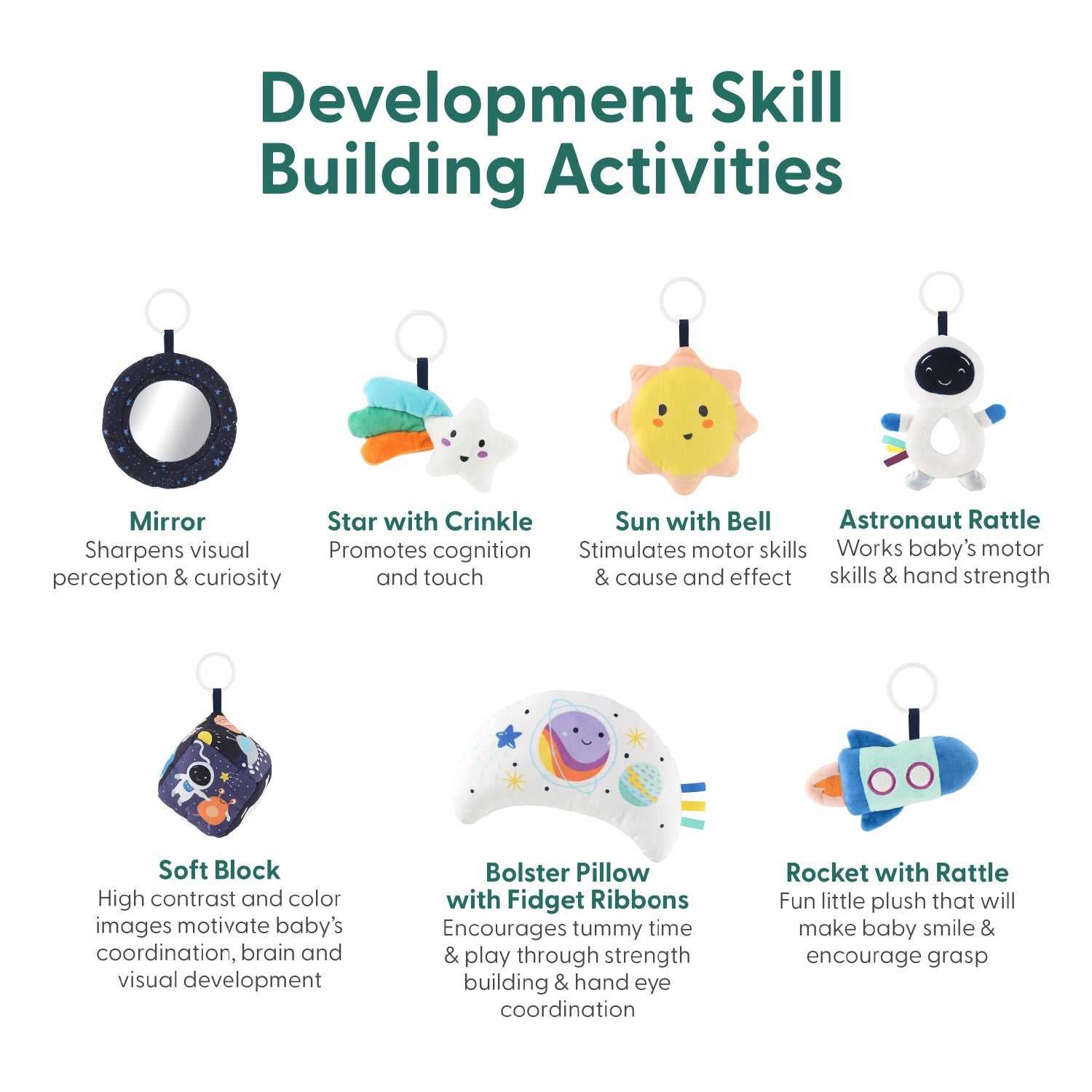
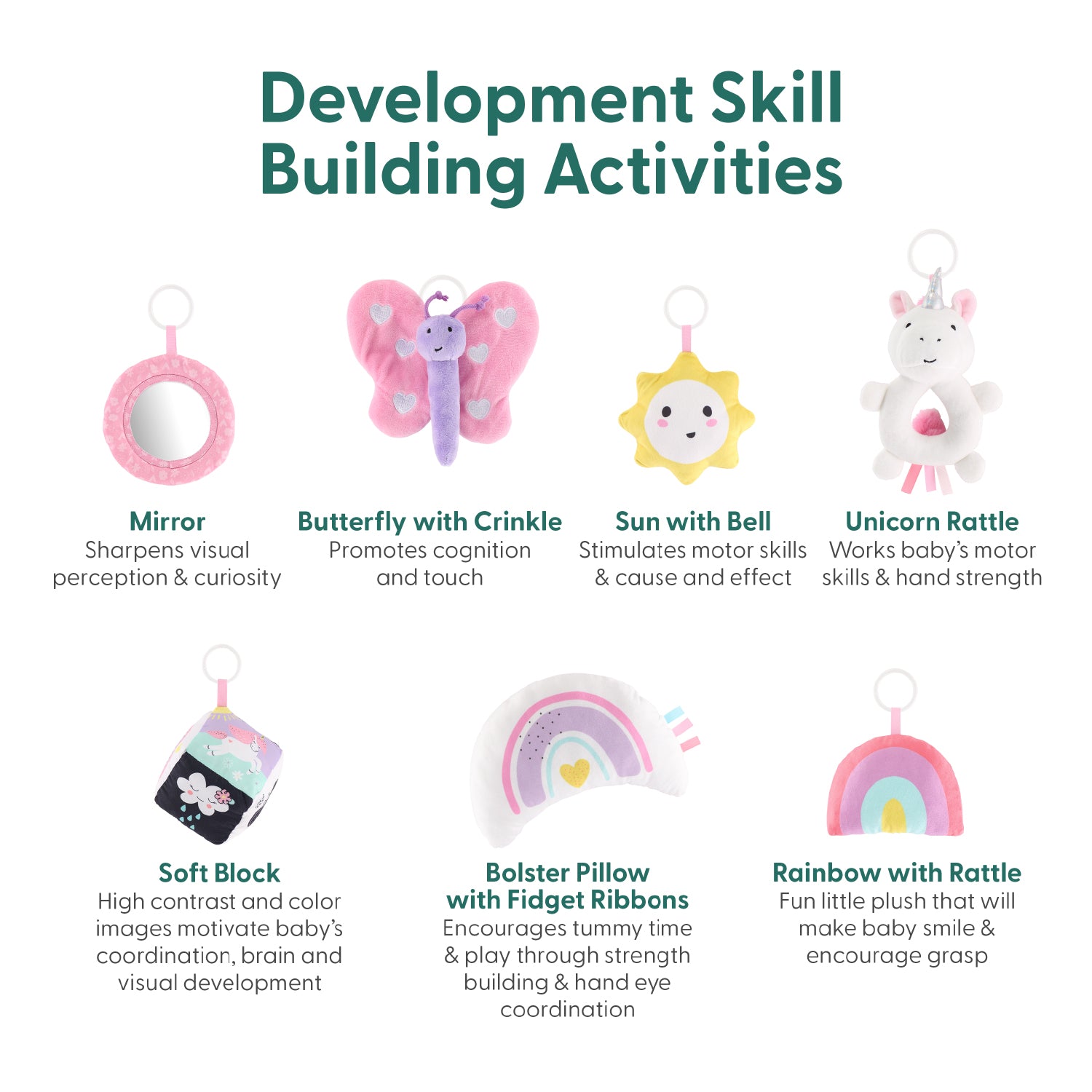
Provide toys that respond to touch, sound, or movement. Toys with bright colors and different textures attract attention. Simple toys encourage babies to reach, grab, and explore. This interaction supports sensory and motor skills. Rotate toys to keep your baby interested and curious.
Talking And Responding To Newborns
Talking and responding to newborns plays a big role in their curiosity development. Babies learn about the world by listening and reacting to voices. This early interaction helps their brain grow and builds a strong bond between parent and child. Simple talking and careful listening encourage babies to explore sounds and meanings.
Using Expressive Language
Use clear and simple words with a lively tone. Change your pitch and speed to make speech interesting. Smile and use facial expressions to match your words. This shows babies how language carries feelings and ideas. Expressive language sparks their attention and curiosity.
Responding To Cues
Watch your baby’s sounds and movements closely. Notice when they try to communicate or show interest. Reply with gentle words and comforting touches. This teaches babies that their actions have meaning. Responding to cues helps them feel safe and eager to explore more.
Encouraging Vocalization
Invite your baby to make sounds by talking or singing back. Repeat their coos and babbles with enthusiasm. This gives them practice with speaking and listening. Encouraging vocalization builds confidence and curiosity about language and communication.
:max_bytes(150000):strip_icc()/Parents-First-Year-Milestones-6a06fc93b3f04d14b424780b2e44a339.jpg)
Establishing Routine With Flexibility
Establishing a routine for your newborn helps create a sense of safety and predictability. Babies feel more secure when they know what to expect. At the same time, flexibility within this routine allows room for exploration and learning. It encourages curiosity by letting your baby discover new things at their own pace. Balancing routine with adaptability supports healthy development and nurtures a curious mind.
Balancing Structure And Freedom
Routines give babies comfort and help regulate their day. Feeding, sleeping, and play times set a steady rhythm. This structure helps your baby feel calm and ready to learn. Yet, too much rigidity can limit curiosity. Allow moments of freedom where your baby can explore sounds, textures, or sights. Small changes in the routine, like trying a new toy or a different room, keep things fresh. This balance helps your baby feel safe and free to be curious.
Observing Baby’s Interests
Watch closely to see what catches your baby’s attention. Does your baby like bright colors, soft toys, or certain sounds? Notice what makes them smile or focus. Use these clues to guide playtime and learning. Offer new items related to their interests. This approach makes exploration exciting and personal. By tuning into your baby’s likes, you support natural curiosity and learning.
Parental Role In Fostering Curiosity
Parents play a key role in helping newborns develop curiosity. They create a safe space for babies to explore and learn. Their actions shape how babies see the world. Parents’ behavior teaches babies what is interesting and worth exploring.
By being curious themselves, parents show babies how to discover new things. Their support builds confidence in babies to try and explore. This early encouragement helps develop a lifelong love of learning.
Modeling Exploration
Babies watch their parents closely. When parents explore new objects or places, babies learn to do the same. Simple acts like touching a new toy or looking at different colors show curiosity. Parents can talk about what they see and do. This helps babies understand and imitate exploration.
Positive Reinforcement
Praising babies when they explore encourages more curiosity. Smiles, gentle words, and clapping show that exploration is good. Positive reactions make babies feel safe and excited to try new things. This helps them develop confidence and a desire to learn.
Patience And Encouragement
Curiosity grows with time and practice. Parents must be patient when babies explore slowly. Encouraging words and calm support help babies feel secure. Avoid rushing or showing frustration. This patience allows babies to explore freely and happily.
Frequently Asked Questions
How Can I Stimulate My Newborn’s Curiosity Daily?
Engage your newborn with colorful toys and varied sounds. Talk, sing, and respond to their cues. These actions build trust and encourage exploration, promoting curiosity naturally every day.
What Role Does Sensory Play Have In Curiosity?
Sensory play activates your newborn’s brain through touch, sight, and sound. It helps them learn cause and effect, boosting their desire to explore new things safely.
When Should I Start Encouraging Curiosity In My Baby?
Begin nurturing curiosity from birth. Newborns learn through interaction and observation. Early stimulation with gentle activities fosters brain development and a lifelong love of learning.
Can Reading To My Newborn Encourage Curiosity?
Yes, reading introduces new words and concepts. It stimulates brain connections and imagination. Choose colorful books with simple images to keep their attention and spark interest.
Conclusion
Encouraging curiosity in newborns builds a strong foundation for learning. Simple actions like talking, showing new objects, and exploring together help. Babies learn best through play and gentle guidance. Stay patient and enjoy each small discovery. Curiosity grows with love and attention every day.
Keep creating safe, fun spaces for your baby’s mind. Watch as they explore the world with wonder and joy. This early support shapes their future thinking and creativity.


