Taking care of your baby’s hygiene might seem simple, but small mistakes can cause big problems. You want the best for your little one, right?
That’s why it’s important to know what to avoid. You’ll discover common baby hygiene mistakes that many parents make without realizing it. By learning these, you can keep your baby safe, comfortable, and happy. Keep reading—you don’t want to miss these essential tips that could make a real difference in your baby’s health.
Common Baby Hygiene Errors
Keeping a baby clean and healthy is very important. Many parents make simple mistakes without knowing. These errors can cause skin problems or infections. Understanding common baby hygiene mistakes helps parents avoid them. A clean baby feels comfortable and stays safe.
Skipping Handwashing
Hands carry many germs. Not washing hands before touching a baby spreads bacteria. Clean hands protect babies from sickness. Always wash hands with soap and water before feeding or holding the baby.
Using Harsh Soaps
Strong soaps can harm a baby’s delicate skin. They may cause dryness or rashes. Use mild, baby-friendly soaps designed for sensitive skin. Gentle cleaning keeps the skin soft and healthy.
Neglecting Diaper Area Care
The diaper area needs special attention. Leaving it dirty causes irritation and infections. Change diapers often and clean the area well. Use gentle wipes or warm water to keep it fresh.
Overbathing Or Underbathing
Bathing too much dries out the baby’s skin. Too little bathing causes dirt and germs to build up. Bathe the baby two to three times a week. Use lukewarm water and mild soap for the best care.
Safe Bathing Practices
Bathing your baby is a special time to bond and keep them clean. Safe bathing practices protect your baby’s delicate skin. Using the right water temperature and gentle products prevents irritation. Knowing how often to bathe and handling newborns carefully ensures safety. These simple steps help avoid common hygiene mistakes and keep your baby happy and healthy.
Choosing The Right Water Temperature
Water that is too hot can burn a baby’s sensitive skin. Use warm water between 37°C and 38°C (98.6°F to 100.4°F). Test the water with your wrist or elbow. It should feel warm, not hot or cold. Always mix the water well before placing your baby in the bath.
Selecting Gentle Cleansers
Choose mild, fragrance-free cleansers made for babies. Harsh soaps can dry out and irritate the skin. Avoid products with strong chemicals or dyes. A gentle cleanser keeps the skin soft and clean. Use only a small amount to avoid dryness.
Proper Bathing Frequency
Bathing your baby too often can remove natural oils. Two to three baths per week are enough for newborns. More frequent baths are okay if your baby enjoys them. Always clean the face, neck, and diaper area daily with a damp cloth. This keeps your baby fresh without over-drying the skin.
Bathing Newborns Safely
Support your newborn’s head and neck during baths. Never leave your baby unattended, even for a moment. Use a small baby tub or sink with a non-slip surface. Keep all supplies within reach before starting the bath. Gently wash without scrubbing to avoid skin damage.
Diapering Tips
Diapering is a key part of baby care. Proper diapering keeps your baby clean and comfortable. It also helps avoid common problems like diaper rash. Following simple tips can make diaper time easier and safer for your baby.
Preventing Diaper Rash
Diaper rash happens when the skin stays wet too long. Change diapers often to keep skin dry. Use a barrier cream to protect the skin. Let your baby’s skin breathe without a diaper sometimes. Avoid harsh wipes that can irritate delicate skin.
Choosing The Right Diapers
Pick diapers that fit your baby well. Too tight diapers cause redness and discomfort. Choose diapers with good absorbency to keep moisture away. Try different brands to find what suits your baby best. Cloth or disposable, comfort is the top priority.
Cleaning Techniques
Clean your baby’s bottom gently with each diaper change. Use soft wipes or a damp cloth without perfume. Wipe from front to back to prevent infections. Pat the skin dry instead of rubbing. Keep hands clean before and after diapering.
When To Change Diapers
Change diapers quickly after they get wet or dirty. Leaving a dirty diaper too long causes skin problems. Check diapers often, especially after feeding. A clean diaper keeps your baby happy and healthy. Don’t wait for discomfort signs to change diapers.
Oral Hygiene For Babies
Good oral hygiene starts early for babies. Caring for your baby’s mouth helps prevent future dental problems. Establishing habits now supports healthy teeth and gums.
Even before teeth appear, cleaning your baby’s mouth is important. It keeps germs away and builds a routine.
Cleaning Gums Before Teeth
Use a soft, damp cloth or a special gum brush to clean gums. Gently wipe the inside of your baby’s mouth twice a day. This removes milk residue and bacteria. It feels soothing and helps your baby get used to mouth care.
First Tooth Care
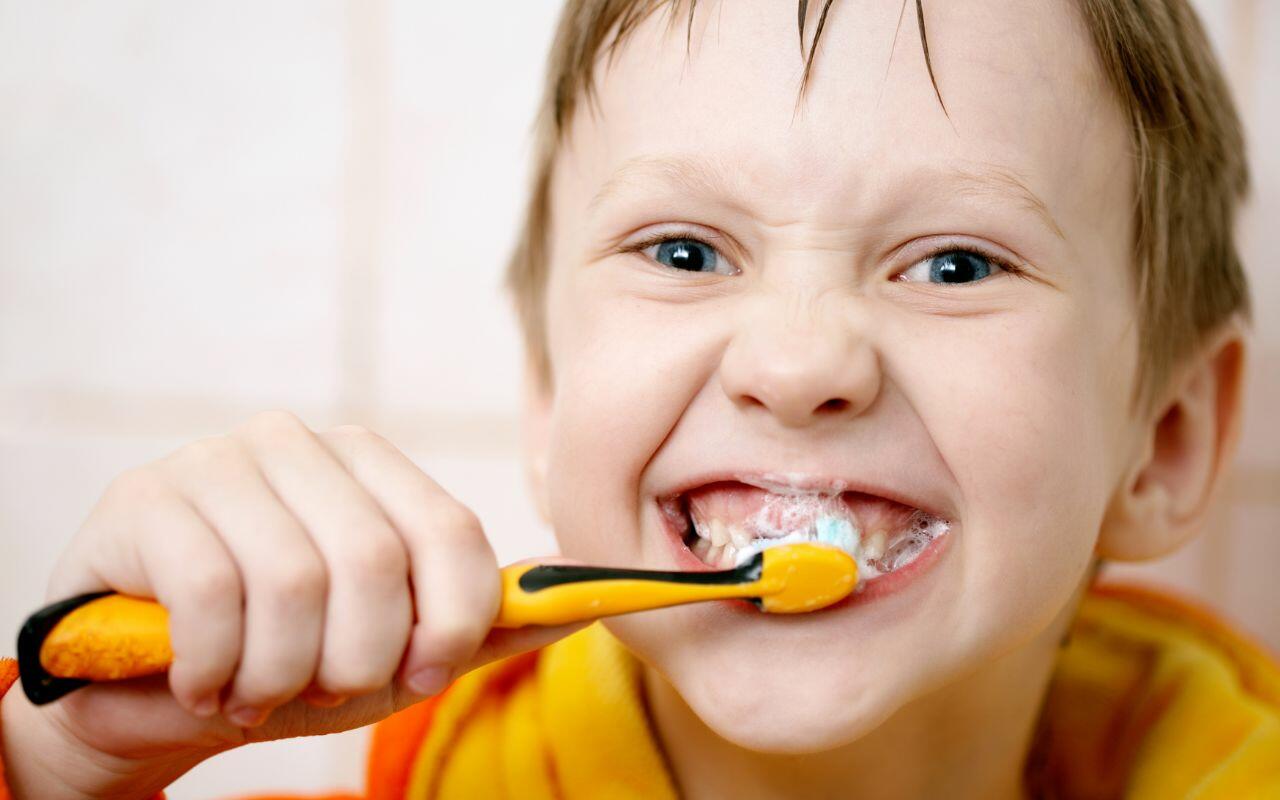
As soon as the first tooth appears, start brushing. Use a small, soft-bristled toothbrush made for babies. Use a tiny smear of fluoride toothpaste, about the size of a grain of rice. Brush teeth gently twice a day. Avoid letting your baby fall asleep with a bottle. This habit can cause tooth decay.
Avoiding Sugar Exposure
Sugar feeds harmful bacteria in your baby’s mouth. Avoid sugary drinks and snacks, especially before bedtime. Do not dip pacifiers in honey or sweet syrups. Choose water or milk for your baby’s drinks. Protect your baby’s teeth from cavities by limiting sugar.
When To See A Dentist
Take your baby to the dentist by their first birthday or when the first tooth appears. Early dental visits help spot problems early. Dentists can guide you on proper care and habits. Regular check-ups keep your baby’s smile healthy and strong.
Maintaining Nail Hygiene
Maintaining nail hygiene for babies is very important. Clean and well-trimmed nails help keep babies safe. It stops dirt from building up under the nails. It also prevents infections and skin problems.
Babies often scratch themselves with their sharp nails. Proper nail care keeps their skin safe and healthy. It is a small task with big benefits for your baby’s health.
Safe Nail Trimming
Trim your baby’s nails carefully and often. Use slow and gentle movements. Cut straight across to avoid sharp edges. Trim nails after a bath when they are soft. Never cut too close to the skin.
Hold your baby’s hand firmly but gently. This stops sudden moves and cuts. Trim only a small amount at a time. Keep a light on for better visibility.
Preventing Scratches
Babies can scratch their face and body easily. Keep their nails short to reduce this risk. Use mittens or socks on hands if needed. Check nails regularly for sharp or rough edges. Smooth edges help prevent accidental scratches.
Trim nails before your baby wakes up. This avoids sudden movements that cause scratches. Watch for signs of irritation on the skin.
Recommended Tools
Use baby-specific nail clippers or scissors. These tools have rounded tips for safety. Avoid adult clippers; they can be too big and sharp. Use a nail file to smooth rough edges after trimming.
Keep nail tools clean and dry to stop germs. Store them out of reach of children. Replace tools if they become dull or rusty.

Clothing And Laundry Tips
Keeping your baby’s clothes clean and safe is very important for their health. Proper laundry habits help avoid skin irritation and infections. Many parents make common mistakes with baby clothing care. These tips will help you handle baby laundry the right way.
Choosing Baby-friendly Detergents
Select detergents made for sensitive skin. They have fewer chemicals and no strong perfumes. Regular detergents may cause rashes or allergies. Look for labels that say “hypoallergenic” or “free of dyes.” Always rinse clothes well to remove detergent residue.
Washing Frequency
Wash baby clothes after every use. Babies sweat and soil clothes quickly. Dirty clothes can carry germs and bacteria. Avoid leaving clothes in the hamper too long. Fresh, clean clothes reduce the risk of skin problems.
Handling Stains Safely
Use gentle stain removers safe for baby fabric. Avoid bleach or harsh chemicals. Soak stained clothes in cold water first. Treat stains quickly to prevent setting. Always test stain removers on a small area first.
Maintaining Clean Feeding Equipment
Keeping feeding equipment clean is very important for your baby’s health. Germs can grow easily on bottles and pacifiers. This can cause your baby to get sick. Proper cleaning and care prevent infections and keep feeding safe.
Sterilizing Bottles And Pacifiers
Always sterilize bottles and pacifiers before use. Boil them in water for at least five minutes. Use a steam sterilizer if you have one. Sterilizing kills harmful bacteria and germs. Clean equipment means your baby drinks safely every time.
Proper Storage
Store clean bottles and pacifiers in a dry, clean place. Avoid leaving them open or uncovered. Use clean containers or sealed bags. Proper storage stops dust and germs from reaching the items. This keeps the feeding equipment safe until next use.
Replacing Worn Items
Check bottles and pacifiers regularly for wear and tear. Cracks or tears can hide bacteria and cause leaks. Replace any damaged or old feeding items right away. Fresh equipment helps protect your baby from infections. Always keep feeding tools in good condition.
Frequently Asked Questions
What Are Common Baby Hygiene Mistakes To Avoid?
Common mistakes include over-bathing, using harsh soaps, and neglecting diaper area cleaning. These can irritate the baby’s skin and cause infections. Always use mild, baby-friendly products and maintain gentle hygiene routines to keep your baby healthy and comfortable.
How Often Should I Bathe My Baby Safely?
Bathing 2-3 times a week is sufficient for most babies. Over-bathing can dry out their delicate skin. Use lukewarm water and gentle cleansers to protect the natural oils and prevent irritation.
Why Should I Avoid Harsh Soaps For Babies?
Harsh soaps strip natural oils and can cause dryness and rashes. Babies have sensitive skin that needs gentle, fragrance-free cleansers. Choosing mild products helps maintain moisture and reduces the risk of allergic reactions.
How Can I Properly Clean My Baby’s Diaper Area?
Clean the diaper area with warm water and a soft cloth or gentle wipes. Always wipe front to back to prevent infections. Allow the area to dry completely before putting on a fresh diaper to avoid irritation.
Conclusion
Taking care of your baby’s hygiene is very important. Avoid common mistakes to keep your baby healthy. Use gentle products and clean carefully. Pay attention to diaper changes and bath time. Small steps make a big difference every day. Trust your instincts and learn as you go.
Your baby will feel comfortable and safe with good hygiene. Keep these tips in mind to help your little one grow strong. Simple habits create a happy, healthy baby.


