Your baby’s delicate skin is precious, but those tiny, sharp nails can cause unexpected scratches—sometimes even on their own face. You want to keep your little one safe and comfortable, but how do you stop those scratches before they happen?
You’ll discover simple, effective ways to prevent baby scratches, helping you protect your baby’s sensitive skin and keep them happy. Keep reading to learn easy tips that every parent should know.
Why Babies Scratch Themselves
Babies often scratch themselves without meaning to. It happens more than parents expect. Understanding why helps prevent these scratches. It also keeps babies safe and comfortable.
Natural Reflexes
Babies have natural reflexes that cause sudden movements. Their hands often move toward their face. This reflex is normal and helps them explore. Sometimes, these movements cause accidental scratches.
Sharp Nails
Baby nails grow fast and are very sharp. Even small nails can easily scratch soft skin. Babies do not control their hand movements well yet. Sharp nails increase the chance of scratches on the face or body.
Sensitive Skin
Babies have very sensitive and thin skin. It is easy to irritate or damage their skin. Scratches can cause redness or small cuts. Sensitive skin needs extra care to avoid irritation from scratching.
Safe Nail Care Techniques
Safe nail care is key to stopping baby scratches. Babies have sharp nails that grow fast. Taking care of them gently keeps your baby comfortable. It also prevents skin injuries and infections. Simple steps can make nail care safe and easy.
Trimming Nails Properly
Use baby nail clippers or scissors with rounded tips. Cut nails straight across to avoid ingrown nails. Hold your baby’s hand firmly but gently. Trim nails while your baby is calm or sleeping. Check for any sharp edges and smooth them out.
Using Baby Nail Files
Use a soft baby nail file to smooth sharp edges. It is safer than cutting in some cases. File nails gently and slowly. This prevents accidental cuts or discomfort. Choose files designed for babies to protect delicate skin.
Best Timing For Nail Care
Trim nails after a bath when they are soft. This makes cutting easier and safer. Another good time is when your baby is sleepy. Calm babies move less, reducing risks. Regular nail care every few days keeps nails short and safe.
Clothing Choices To Protect Skin
Choosing the right clothes helps protect your baby’s delicate skin from scratches. Soft fabrics and proper fits reduce irritation and keep your baby comfortable. Clothes act as a barrier between tiny nails and sensitive skin.
Long Sleeves And Mittens
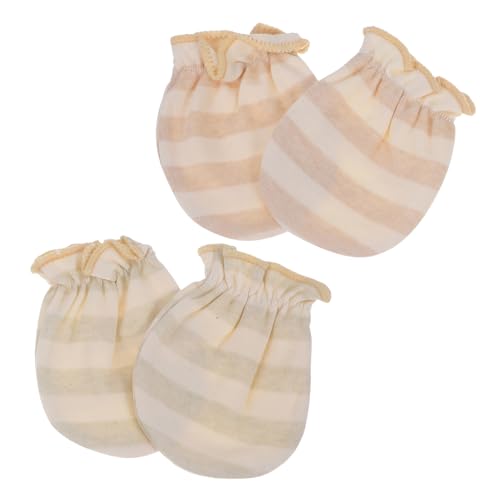
Long sleeves cover your baby’s arms, preventing accidental scratches. Mittens protect tiny hands from scratching the face. These simple items keep your baby safe during sleep and play. They are easy to put on and take off.
Soft And Breathable Fabrics
Select fabrics that feel gentle on the skin. Cotton and bamboo are soft and allow air to flow. Breathable materials stop overheating and reduce skin irritation. Avoid rough or scratchy fabrics that can cause discomfort.
Avoiding Tight Clothes
Loose clothes let your baby move freely and avoid skin damage. Tight clothes can rub and cause redness or scratches. Proper sizing ensures comfort and prevents skin marks. Check clothes regularly as babies grow fast.

Creating A Safe Sleeping Environment
Creating a safe sleeping environment is key to preventing baby scratches. Babies often move their hands and nails during sleep. This can cause scratches on their face and body. Setting up a safe sleep space helps protect your little one from these accidental scratches. It also promotes restful and secure sleep.
Swaddling Tips
Swaddling keeps babies snug and limits arm movement. Use a lightweight, breathable blanket. Wrap it firmly but not too tight around the baby. Leave enough room for hip movement. Check that the swaddle does not cover the baby’s face. Stop swaddling once the baby starts to roll over.
Choosing The Right Sleepwear
Select soft, comfortable sleepwear made from cotton. Avoid clothes with scratchy seams or tags inside. Long sleeves can protect baby’s arms from scratches. Make sure the sleepwear fits well, not too loose or tight. Choose clothes that are easy to put on and take off.
Avoiding Loose Bedding
Loose bedding can cause scratches and pose a suffocation risk. Use a fitted sheet on the crib mattress. Keep pillows, blankets, and toys out of the crib. Use a sleep sack or wearable blanket instead of loose covers. This keeps baby warm and safe during sleep.
Monitoring And Managing Skin Conditions
Monitoring and managing your baby’s skin is key to preventing scratches. Babies have soft, delicate skin that can easily become irritated. Keeping a close eye on any changes helps stop scratching before it starts. Proper care soothes the skin and keeps your baby comfortable.
Recognizing Eczema And Rashes
Eczema shows as red, dry, or itchy patches on your baby’s skin. Rashes can be red spots, bumps, or swelling. They often appear on the face, arms, or legs. Watch for signs like constant itching or skin peeling. Early detection helps control these conditions quickly.
Using Gentle Moisturizers
Choose mild, fragrance-free moisturizers made for babies. Apply them right after baths to lock in moisture. Moisturizers keep skin soft and reduce dryness. Avoid products with harsh chemicals or strong scents. Consistent moisturizing prevents irritation and reduces scratching.
When To See A Doctor
Visit a doctor if rashes get worse or spread fast. Seek help if your baby seems very uncomfortable or scratches too much. Also, see a doctor if the skin cracks, bleeds, or shows signs of infection. Professional advice ensures proper treatment and healing.
Keeping Baby Comfortable And Calm
Keeping a baby comfortable and calm helps prevent scratches. Babies often scratch themselves when they feel uneasy or restless. Comfort soothes their nerves and reduces the chance of accidental scratches. Calm babies sleep better and stay happier throughout the day. Parents can use simple methods to keep babies relaxed and comfortable. These techniques help protect their delicate skin from damage.
Soothing Techniques
Gentle rocking calms many babies quickly. Soft singing or humming creates a peaceful environment. Swaddling makes babies feel safe and secure. A warm bath relaxes muscles and eases fussiness. Using a pacifier can distract a baby from scratching. Holding the baby close provides comfort and warmth. These techniques reduce stress and lower the risk of scratching.
Maintaining Proper Temperature
Keep the room temperature comfortable, not too hot or cold. Dress the baby in soft, breathable clothes. Avoid heavy blankets that can cause overheating. Use cotton fabrics to prevent skin irritation. Check the baby’s skin often for signs of sweating. Proper temperature control helps the baby stay calm. Calm babies are less likely to scratch themselves.
Avoiding Irritants
Choose gentle, fragrance-free soaps and detergents. Avoid harsh chemicals on baby clothes and bedding. Keep the baby’s nails trimmed to prevent scratches. Use mittens if the baby scratches at night. Watch for any allergies to fabrics or lotions. A clean, irritant-free environment supports healthy skin. This reduces the chance of itching and scratching.
Frequently Asked Questions
How Can I Prevent My Baby From Scratching Themselves?
Trim your baby’s nails regularly and file sharp edges. Use soft mittens or gloves to cover hands during sleep or play. Keep your baby’s skin moisturized to reduce itchiness and discomfort. Monitor their movements to gently redirect scratching behavior.
What Are The Safest Nail Trimming Techniques For Babies?
Use baby-specific nail clippers or scissors with rounded tips. Trim nails after a bath when they are soft. Ensure good lighting and hold your baby’s hand steady. Avoid cutting too close to the skin to prevent injury or infection.
Why Do Babies Scratch Their Faces And Bodies?
Babies scratch due to itchy skin, dry conditions, or exploring sensations. Their nails grow fast and can easily cause scratches. Sometimes, they scratch out of discomfort or irritation, like eczema or allergies. Understanding the cause helps prevent excessive scratching.
When Should I Be Concerned About Baby Scratches?
Seek medical advice if scratches are deep, bleeding, or infected. Watch for signs of redness, swelling, or pus. If your baby seems unusually irritable or has fever, consult a pediatrician. Prompt care prevents complications and promotes healing.
Conclusion
Preventing baby scratches helps keep your little one safe and comfortable. Trim your baby’s nails often to reduce sharp edges. Use soft mittens to protect their delicate skin. Watch your baby’s movements and gently guide their hands away from their face.
Stay calm and patient; babies learn slowly. Small steps make a big difference every day. Keeping these habits builds a happy, healthy environment for your baby. Care and attention protect your child’s skin from harm. Simple actions create a safer space for your baby to grow.


