Your baby’s health is your top priority. Preventing infections in your little one can feel overwhelming, but it doesn’t have to be.
Imagine having simple, effective steps at your fingertips that protect your baby from common illnesses. You’ll discover practical tips to keep your baby safe and healthy. Ready to learn how to shield your child from infections and give yourself peace of mind?
Keep reading—because your baby deserves the best start in life.
Common Baby Infections
Babies have delicate immune systems. They catch infections easily. Knowing common baby infections helps parents act fast. Early care can prevent serious problems. Recognizing symptoms is key to protecting your child.
Types Of Infections
Babies often get colds and flu. These cause sneezing, cough, and runny nose. Ear infections are common too. They cause ear pain and fussiness. Diaper rash is a skin infection from moisture. Thrush affects the mouth with white patches. Conjunctivitis or pink eye causes redness and discharge. Urinary tract infections cause fever and discomfort.
Signs To Watch For
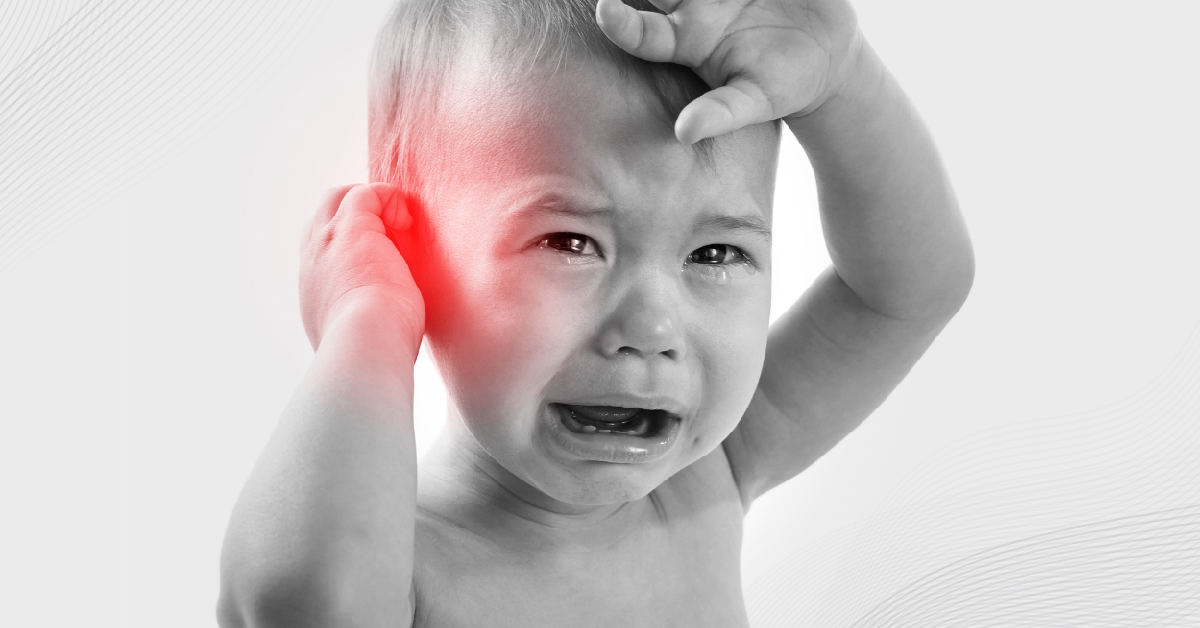
Look for fever over 100.4°F (38°C). Babies may become unusually sleepy or irritable. Poor feeding or vomiting can show illness. Rapid breathing or difficulty breathing is serious. Skin rashes or unusual spots need attention. Persistent crying or pain signals trouble. Swelling or redness around eyes or ears matters. Early notice helps get timely care.
Hygiene Practices
Keeping your baby safe from infections starts with good hygiene. Clean hands and sanitized items reduce the risk of germs. Babies have weak immune systems. They need extra care to stay healthy.
Simple hygiene steps protect your baby every day. These habits help stop the spread of germs. Focus on washing hands and cleaning baby items well.
Handwashing Techniques
Wash your hands before touching your baby. Use warm water and soap. Rub your hands together for at least 20 seconds. Clean between fingers, under nails, and wrists. Rinse well and dry with a clean towel. Teach others to wash hands too. This stops germs from reaching your baby.
Sanitizing Baby Items
Clean toys, bottles, and pacifiers often. Use hot, soapy water for washing. Rinse thoroughly to remove soap. Boil or steam bottles and nipples regularly. Wipe toys with safe disinfectant wipes. Let items dry completely before use. Keep baby items separate from adult items. This reduces the chance of infection.
Safe Feeding Habits
Feeding your baby safely helps stop infections. Clean hands, bottles, and nipples keep germs away. Careful feeding habits protect your baby’s health.
Breastfeeding Benefits
Breast milk has natural germs fighters. It helps build your baby’s immune system. Feeding directly from the breast lowers infection risk. Breastfeeding also keeps your baby close and calm. This contact helps reduce stress and illness.
Bottle Feeding Tips
Always wash your hands before bottle feeding. Clean bottles and nipples after every use. Use hot, soapy water or a sterilizer. Warm milk to body temperature, not hot. Check the milk temperature on your wrist. Avoid reusing leftover milk to stop bacteria growth. Hold your baby upright to prevent choking and ear infections.
Vaccination Importance
Vaccination protects babies from many serious infections. It helps their immune system fight germs safely. Vaccines lower the risk of illness and hospital visits. They also protect other children and adults around them. Keeping up with vaccines is a simple way to keep babies healthy and strong.
Recommended Vaccines
Babies need several vaccines in their first years. Common vaccines protect against diseases like measles, polio, and whooping cough. Others defend against hepatitis B, flu, and chickenpox. Each vaccine targets specific germs that cause serious sickness. Doctors follow a list of vaccines that babies should get on time.
Scheduling And Follow-up
Babies must receive vaccines on a strict schedule. This timing helps build strong immunity. Missing or delaying shots can leave babies vulnerable to infections. Parents should keep a vaccine record to track shots. Follow-up visits ensure vaccines work well and check baby’s health. Staying on schedule is key to full protection.
Limiting Exposure
Limiting your baby’s exposure to germs is a key step in preventing infections. Babies have developing immune systems that need protection. Reducing contact with many people helps keep your baby safer from viruses and bacteria.
Small changes in daily habits can make a big difference. Being mindful about where your baby goes and who interacts with them lowers infection risks. Focus on controlling the environment around your baby.
Avoiding Crowded Places
Crowded places hold many germs. Busy stores, malls, and public events increase your baby’s chance of catching infections. Choose quiet times for errands or shop online instead. Keep your baby away from packed areas to reduce exposure.
Fresh air and open spaces are better options. Parks or outdoor walks with fewer people help keep your baby healthy. Avoid enclosed spaces with poor ventilation where germs spread easily.
Managing Visitor Interactions
Visitors can carry germs without knowing it. Ask friends and family to wash hands before holding your baby. Limit the number of visitors during your baby’s first months. Short visits reduce the time your baby is exposed.
Encourage anyone who feels sick to stay away. Protect your baby by setting clear rules for visits. Healthy habits from visitors help keep infections at bay.
Maintaining Baby’s Environment
Keeping your baby’s environment clean and comfortable helps stop infections. Babies have weak immune systems. Germs can spread easily in dirty or damp rooms. A tidy, fresh space lowers the risk of illness. Small steps in care make a big difference for your baby’s health.
Cleaning Nursery Regularly
Clean the nursery often to reduce germs. Wipe surfaces, toys, and furniture with mild soap. Wash bedding every week in hot water. Remove dust using a damp cloth or vacuum with a HEPA filter. Avoid strong chemicals that might harm your baby’s skin or lungs.
Controlling Room Temperature And Humidity
Keep the room temperature steady between 68-72°F (20-22°C). Too hot or cold can weaken your baby’s defense. Use a humidifier to add moisture in dry air. Dry air can irritate your baby’s nose and throat. Check humidity levels; ideal is around 40-60%. Proper air quality helps your baby breathe easier and stay healthy.
Boosting Baby’s Immunity
Boosting a baby’s immunity helps protect them from infections. A strong immune system fights germs effectively. Parents can support this natural defense in simple ways. Focus on key habits that promote health and resilience.
Proper Nutrition
Good nutrition builds a baby’s immune strength. Breast milk is rich in antibodies and nutrients. It supports the baby’s defense against illnesses. For older babies, introduce fruits and vegetables. These foods provide vitamins and minerals. Vitamin C and zinc play a big role in immunity. Avoid processed foods and sugary snacks. Healthy meals help the immune system work well.
Adequate Sleep Patterns
Sleep is crucial for a baby’s immune system. During sleep, the body repairs and builds defenses. Babies need 12 to 16 hours of sleep daily. Establish a regular bedtime routine. A calm environment promotes better rest. Avoid screen time before sleep. Well-rested babies resist infections better and grow stronger.

When To Seek Medical Help
Knowing when to seek medical help for your baby is very important. Babies can get infections quickly. Some signs need urgent care to keep your baby safe. Acting fast can prevent serious problems.
Recognizing Serious Symptoms
Watch for high fever over 100.4°F (38°C). Look for constant crying that won’t stop. Check if your baby is very sleepy or hard to wake. Notice if your baby stops feeding or has trouble breathing. Look for unusual skin color, like pale or blue. These symptoms need immediate medical attention.
Emergency Contacts
Keep your doctor’s phone number close. Know the nearest hospital or emergency room address. Have emergency numbers saved on your phone. Call emergency services if your baby shows severe symptoms. Quick response can save your baby’s life.
Frequently Asked Questions
How Can I Prevent Infections In My Newborn Baby?
To prevent infections, maintain proper hygiene, wash hands before handling the baby, and keep their environment clean. Avoid crowded places and sick individuals to reduce exposure to germs.
What Vaccinations Protect Babies From Common Infections?
Vaccinations like Hepatitis B, DTaP, Hib, and pneumococcal vaccines protect babies from serious infections. Follow the immunization schedule recommended by your pediatrician.
How Important Is Breastfeeding In Preventing Baby Infections?
Breastfeeding boosts a baby’s immune system by providing essential antibodies. It lowers the risk of respiratory and gastrointestinal infections effectively.
When Should I Seek Medical Help For A Baby’s Infection?
Seek medical help if your baby has a high fever, persistent vomiting, difficulty breathing, or unusual lethargy. Early treatment prevents complications and ensures faster recovery.
Conclusion
Keeping your baby safe from infections takes simple daily steps. Clean hands help stop germs from spreading. Make sure toys and bottles stay clean too. Watch for signs of illness and act fast. Healthy habits build strong defenses in your baby.
Small efforts create big protection. Stay alert, stay caring, and keep your baby healthy every day. Prevention is easier than treatment. Your care makes all the difference.


