If your baby has started showing tiny red bumps on their delicate skin, you might be feeling worried and unsure about what to do. Baby acne is common, but it can still be upsetting to see on your little one’s face.
You want to help your baby feel comfortable and keep their skin healthy, but where do you start? This guide will give you simple, effective baby acne care tips that you can easily follow at home. By the end, you’ll feel more confident in managing your baby’s skin and know exactly how to support their natural healing.
Keep reading to discover the best ways to care for your baby’s skin and bring back that smooth, glowing look you love.

Causes Of Baby Acne
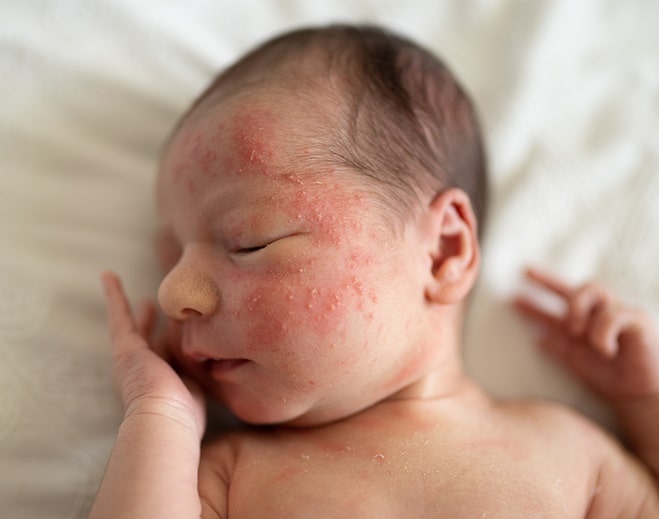
Baby acne is common in newborns. It appears as small red or white bumps on the face. Understanding the causes helps in caring for your baby’s skin. Several factors can trigger baby acne.
Hormonal Changes
Hormones from the mother enter the baby’s body before birth. These hormones can cause oil glands to grow and clog. This leads to the appearance of acne on the baby’s face. Hormonal changes usually fade after a few weeks.
Irritants And Allergens
Skin can react to soaps, lotions, or laundry detergents. Some fabrics irritate sensitive baby skin. These irritants cause redness and acne-like bumps. Avoid harsh chemicals and use gentle products made for babies.
Blocked Pores
Oil and dead skin cells can block tiny pores on the baby’s face. Blocked pores trap bacteria and cause inflammation. This results in acne bumps that look red or white. Keeping the skin clean helps prevent blocked pores.
Safe Cleaning Practices
Safe cleaning practices help protect your baby’s delicate skin. Baby acne needs gentle care to avoid irritation and redness. Proper cleaning keeps the skin fresh without causing dryness or discomfort.
Gentle Washing Techniques
Use lukewarm water to wash your baby’s face. Avoid hot water as it can dry out the skin. Use your hand or a soft cloth to clean gently. Do not scrub or rub hard. Pat the skin dry with a soft towel after washing.
Choosing The Right Cleanser
Select a mild, fragrance-free cleanser made for babies. Avoid soaps with strong chemicals or fragrances. A gentle cleanser helps remove dirt without harming skin oils. Test the cleanser on a small skin area before full use.
Frequency Of Cleaning
Wash your baby’s face once a day. Too much washing can cause dryness and irritation. Clean after feedings or when dirt appears on the skin. Keep the routine simple and consistent for best results.
Natural Remedies To Soothe Skin
Natural remedies offer gentle care for baby acne. They soothe delicate skin without harsh chemicals. Many parents prefer these safe, simple treatments.
These remedies work with the skin’s natural healing. They reduce redness and calm irritation. Using natural products can support your baby’s comfort.
Using Breast Milk
Breast milk contains natural antibodies and nutrients. It helps fight bacteria that cause acne. Dab a small amount on the affected area.
Let it dry before dressing your baby. Repeat this two to three times daily. Breast milk is gentle and safe for newborn skin.
Aloe Vera Benefits
Aloe vera has cooling and soothing properties. It reduces inflammation and redness quickly. Use pure aloe vera gel from the leaf or store-bought.
Apply a thin layer on baby acne spots. Avoid products with added chemicals or fragrances. Aloe vera also moisturizes without clogging pores.
Coconut Oil Application
Coconut oil is natural and antibacterial. It helps keep skin soft and hydrated. Use virgin, cold-pressed coconut oil for the best results.
Gently massage a small amount on the baby’s skin. Avoid heavy application to prevent clogging pores. This oil can calm irritated skin effectively.
When To Avoid Harsh Products
Baby acne is common and usually clears up without treatment. Using harsh products can irritate the delicate skin. Choosing gentle care helps prevent redness and discomfort. Knowing when to avoid certain products keeps your baby’s skin safe.
Fragranced Lotions And Soaps
Fragranced lotions and soaps often contain chemicals that irritate baby skin. These products can cause dryness and worsen acne. Stick to mild, fragrance-free options made for babies. They clean gently without stripping natural oils.
Over-the-counter Acne Treatments
Adult acne creams and gels are too strong for babies. Ingredients like benzoyl peroxide can harm sensitive skin. Avoid these treatments unless a doctor suggests them. Babies usually heal with simple care and time.
Avoiding Scrubbing And Picking
Scrubbing baby skin can cause irritation and damage. Picking acne bumps spreads bacteria and may cause scars. Use soft cloths and gentle pats when cleaning. Let the acne heal naturally without interference.
Clothing And Environmental Tips
Proper clothing and environment help reduce baby acne. Soft fabrics and fresh air keep the skin calm. These simple steps support healing and comfort for your baby.
Choosing Breathable Fabrics
Pick clothes made from cotton or other natural fibers. These materials allow air to flow and reduce sweat. Avoid tight or rough fabrics that irritate delicate skin. Soft, breathable clothes keep the skin dry and cool.
Keeping Baby Cool
Keep the room temperature comfortable, not too hot or cold. Dress the baby in light layers to prevent overheating. Use a fan or open window for fresh air. Warm, sweaty skin can make acne worse.
Maintaining Clean Bedding
Change baby’s sheets and blankets often. Use gentle detergent without harsh chemicals or fragrances. Clean bedding removes dirt and oils that can clog pores. Fresh sheets help keep baby’s skin healthy and clear.
Monitoring And When To Seek Help
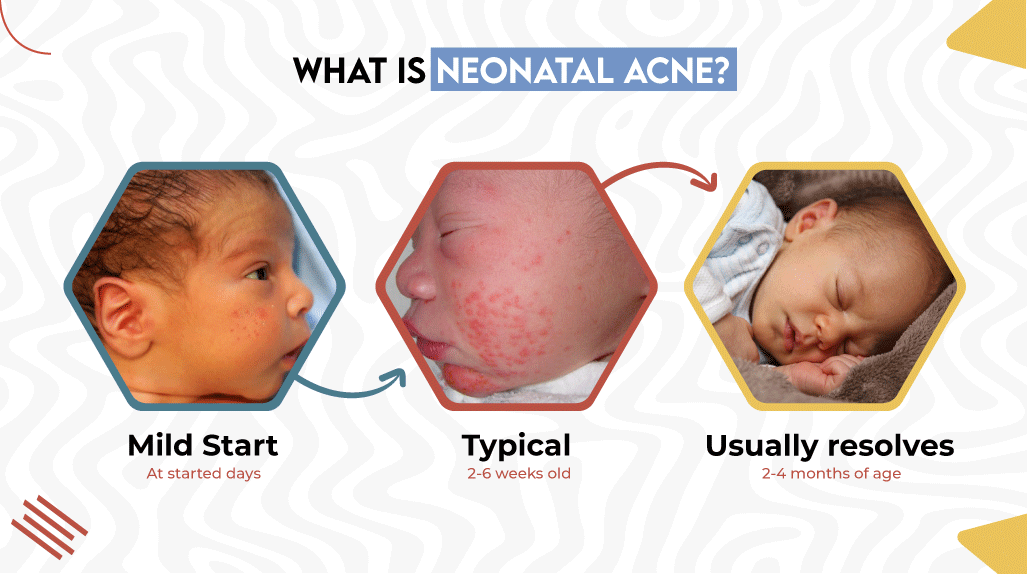
Baby acne is common and usually clears up on its own. Careful monitoring helps ensure your baby stays comfortable. Watch for any changes that might need medical attention. Knowing when to seek help is important for your baby’s health.
Signs Of Infection
Check for redness that spreads beyond the acne area. Notice if the skin feels warm or swollen. Watch for any pus or yellow crusts forming. If your baby seems in pain or cries more, it may signal infection. These signs need prompt attention.
Persistent Or Worsening Acne
Baby acne often clears in a few weeks. Acne lasting longer than two months requires care. Look out for acne that gets worse or covers more skin. If the bumps grow bigger or become painful, act quickly. Persistent acne may signal other skin issues.
Consulting A Pediatrician
Speak to your pediatrician for any concerns about baby acne. A doctor can confirm if the acne is normal or needs treatment. They may suggest gentle skin care or medicine. Early advice helps avoid complications. Always trust a doctor’s guidance for your baby’s skin.
Frequently Asked Questions
What Causes Baby Acne And How To Prevent It?
Baby acne is caused by maternal hormones after birth. It usually clears on its own. Gently cleanse your baby’s face with water and mild soap daily. Avoid harsh products and excessive scrubbing to prevent irritation.
How Long Does Baby Acne Typically Last?
Baby acne generally lasts from a few weeks to 3 months. It tends to clear as your baby’s hormones stabilize. If it persists beyond this, consult a pediatrician for advice.
Can Baby Acne Be Treated With Home Remedies?
Mild baby acne often resolves without treatment. Use gentle cleansing and avoid oily lotions. Consult a doctor before trying any home remedies or medications to ensure safety.
When Should I See A Doctor About Baby Acne?
See a doctor if acne worsens, spreads, or causes discomfort. Also seek advice if pimples contain pus or if other skin issues appear. Early consultation ensures proper care.
Conclusion
Taking care of baby acne needs patience and gentle steps. Keep your baby’s skin clean with soft cloths and mild water. Avoid using strong soaps or lotions that may irritate. Remember, baby acne usually clears on its own in a few weeks.
Stay calm and give your little one time to heal naturally. If you notice anything unusual, speak with a doctor. Healthy skin starts with simple and careful care every day. Trust the process and enjoy your baby’s soft, delicate skin.


