Your baby’s crib is more than just a place to sleep—it’s their safe haven. But have you ever stopped to think about how clean and healthy it really is?
Keeping your crib spotless isn’t just about appearances; it’s about protecting your little one from germs, allergens, and irritants that can affect their health and comfort. You’ll discover simple yet effective crib hygiene tips that you can start using today to create a safer, cozier space for your baby.
Ready to make your baby’s crib the cleanest, healthiest spot in the house? Let’s dive in!
Choosing Safe Crib Materials
Choosing safe crib materials is key to keeping your baby healthy. Toxic substances can harm your little one’s development. Using safe, natural materials reduces risks. It also creates a calm and secure sleep space.
Focus on materials that are free from chemicals. Check labels and certifications for safety. A crib made with safe materials supports your baby’s wellbeing every night.
Non-toxic Paints And Finishes
Paints and finishes on cribs must be non-toxic. Many paints contain lead or harmful chemicals. These can cause serious health problems in babies.
Choose cribs with water-based, non-toxic paints. These do not release dangerous fumes. They keep the air clean and safe.
Look for certifications like ASTM or EN71. These show the paint meets strict safety rules. Avoid shiny or strong-smelling finishes. They often hide harmful chemicals.
Breathable Mattress Options
A breathable mattress helps your baby breathe easily. It lowers the chance of suffocation or overheating. Choose mattresses made from natural fibers like cotton or wool.
These materials allow air to flow freely. They also absorb moisture well. Avoid plastic covers or dense foam mattresses. These trap heat and moisture, creating risk.
Breathable mattresses promote better sleep. They keep your baby comfortable and safe all night long.
Regular Cleaning Practices
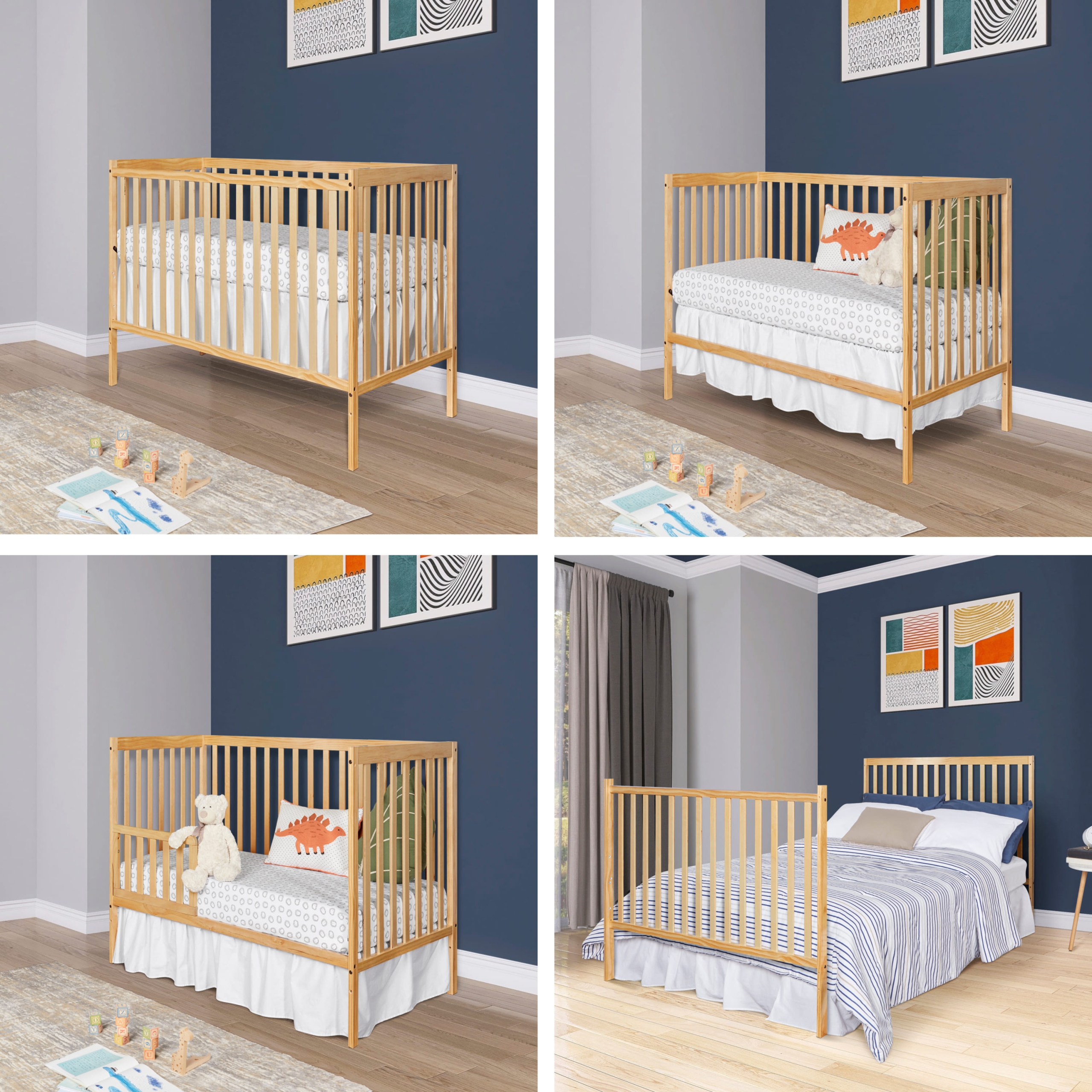
Keeping your baby’s crib clean is very important. Regular cleaning helps stop germs and dust from building up. This keeps your baby safe and healthy. Simple steps can make a big difference in crib hygiene. Focus on washing bedding and cleaning crib surfaces often.
Washing Bedding Frequently
Change your baby’s sheets and blankets every week. Use hot water to kill germs and dust mites. Avoid harsh detergents that can irritate your baby’s skin. Dry bedding completely before putting it back in the crib. Clean bedding helps your baby sleep in a fresh and safe space.
Sanitizing Crib Surfaces
Wipe down all crib parts regularly with a mild cleaner. Pay attention to rails, slats, and the mattress frame. Use a soft cloth to avoid scratches. Let surfaces dry fully before placing bedding back. Keeping surfaces clean stops bacteria and dust from spreading.
Maintaining Proper Ventilation
Proper ventilation in a crib helps keep your baby’s space fresh and safe. Good airflow reduces the risk of dampness and bad smells. It also prevents harmful bacteria from growing. Maintaining proper ventilation ensures a clean and healthy environment for your little one.
Air Circulation Tips
Place the crib near a window or a vent for fresh air. Make sure curtains or blinds do not block airflow. Avoid placing heavy bedding that can trap heat and air. Use a small fan nearby to keep the air moving gently. Regularly open windows to let in fresh air, weather permitting.
Avoiding Mold And Mildew
Keep the crib dry to stop mold and mildew growth. Wipe any spills or moisture immediately. Use breathable mattress covers and avoid plastic materials. Check the crib regularly for signs of mold, such as dark spots or smell. Wash crib sheets and covers often in hot water to kill germs.
Safe Sleep Positioning
Safe sleep positioning helps keep babies healthy during sleep. It lowers the risk of sudden infant death syndrome (SIDS). Proper positioning supports good breathing and comfort. Parents should know the best ways to place their baby in the crib.
Choosing the right sleep position is a key part of crib hygiene. It also protects the baby from accidents or injuries.
Back Sleeping Benefits
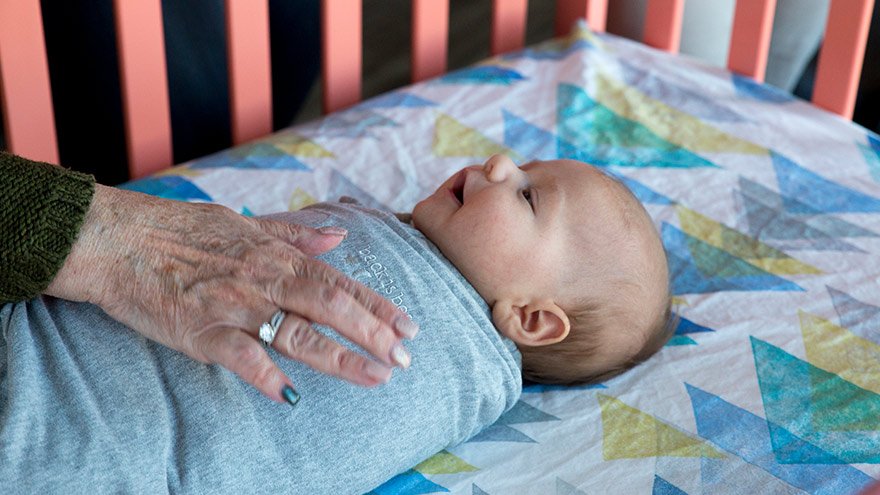
Babies should sleep on their backs. This position keeps the airways open and clear. It helps prevent choking and breathing problems. Research shows back sleeping lowers SIDS risk the most. Babies feel safe and rest better this way. Always place your baby flat on their back for naps and night sleep.
Avoiding Soft Bedding
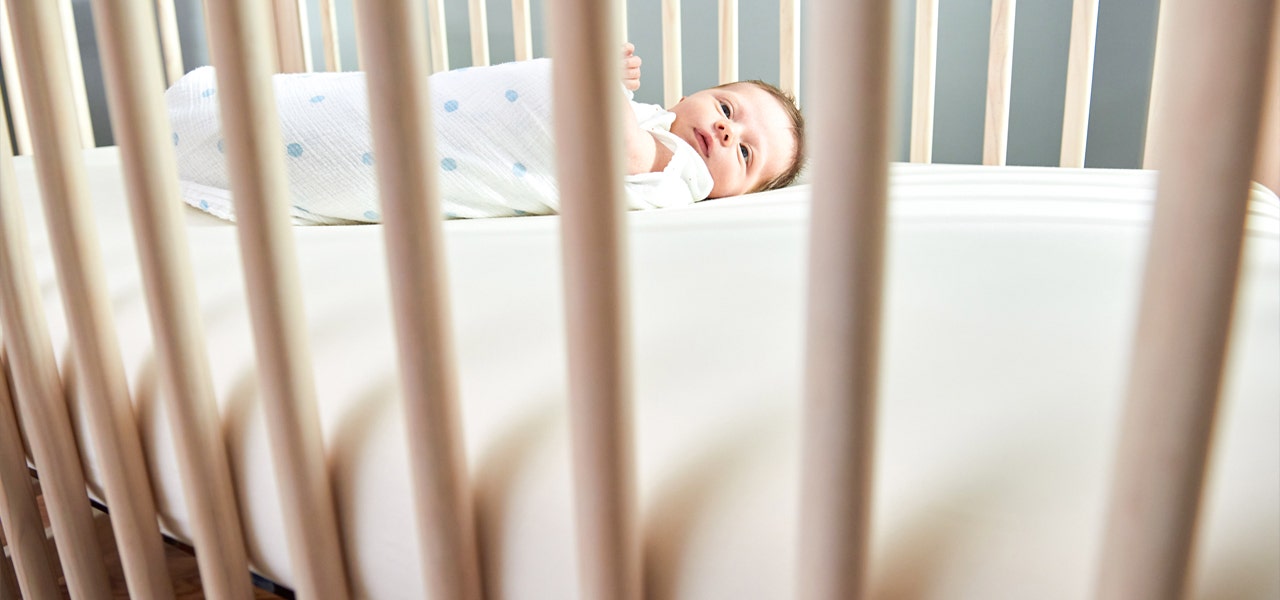
Soft bedding can cause suffocation or strangulation. Avoid pillows, blankets, and stuffed toys in the crib. Use a firm mattress with a tight-fitting sheet. This creates a safe, clean sleep space for the baby. Soft bedding also traps heat, increasing danger. Keeping the crib simple reduces risks and improves hygiene.
Managing Allergens And Dust
Managing allergens and dust in your baby’s crib is important for their health. Dust and allergens can cause breathing problems and skin irritation. Keeping the crib clean helps your baby sleep better and stay healthy.
Using Hypoallergenic Covers
Hypoallergenic covers block dust mites and allergens from reaching your baby. Use these covers on the mattress and pillows. They create a barrier that stops allergens from settling in the bedding. Choose covers made from breathable, soft materials. Wash them regularly in hot water to kill dust mites and keep the covers fresh.
Regular Dusting Techniques
Dust the crib frame and surrounding area often. Use a damp cloth to catch dust instead of spreading it in the air. Clean all surfaces, including slats and corners where dust gathers. Vacuum the room regularly using a vacuum with a HEPA filter. This removes small particles and allergens from carpets and floors near the crib.
Inspecting For Wear And Damage
Inspecting a crib for wear and damage is essential for your baby’s safety. A damaged crib can cause accidents and injuries. Regular checks help spot problems early. Fixing issues quickly keeps the crib secure and comfortable.
Checking For Loose Parts
Loose parts can be dangerous. They may cause the crib to wobble or collapse. Check screws, bolts, and hinges often. Tighten any parts that feel loose. Listen for creaks or unusual sounds. These signs point to loose connections. Keep the crib sturdy to protect your baby.
Replacing Worn Components
Worn components weaken the crib’s structure. Look for cracks, splinters, or broken slats. Replace parts that show damage. Use original or compatible replacements. Avoid makeshift fixes that may fail. A strong crib prevents accidents and ensures comfort. Regularly updating parts extends the crib’s life.
Avoiding Hazardous Items In Crib
Keeping a crib safe is key for a baby’s health. Avoiding hazardous items in the crib lowers the risk of accidents. A clean and clear crib helps your baby sleep soundly and safely. Focus on removing anything that can cause harm or block breathing.
Removing Toys And Pillows
Soft toys and pillows look cozy but can be dangerous. They can block your baby’s airways or cause overheating. Keep the crib free of stuffed animals, pillows, and extra blankets. Only use a firm mattress and fitted sheet for safety.
Keeping Cords And Strings Away
Cords and strings can cause strangulation hazards. Check for hanging mobiles, blinds, or nearby electronics with cords. Make sure all cords are far from the crib and out of reach. Secure or remove any strings to protect your baby from harm.
Frequently Asked Questions
How Often Should I Clean My Baby’s Crib?
You should clean your baby’s crib weekly to reduce dust and germs. Regular cleaning prevents allergens and keeps your baby healthy. Wipe down all surfaces with a mild, baby-safe cleaner. Wash crib bedding and mattress covers every week for optimal hygiene.
What Cleaning Products Are Safe For Cribs?
Use non-toxic, fragrance-free, and baby-safe cleaners for crib hygiene. Avoid harsh chemicals like bleach or ammonia. Natural options like diluted vinegar or mild soap work well. Always rinse surfaces thoroughly and let them dry before use to keep your baby safe.
How Can I Prevent Mold In The Crib?
Ensure good ventilation in the nursery to prevent mold growth. Use a dehumidifier if the room is humid. Clean spills immediately and avoid placing wet items in the crib. Regularly check the mattress and bedding for dampness to maintain a mold-free environment.
Is It Necessary To Sanitize Crib Toys Regularly?
Yes, sanitize crib toys weekly to reduce bacteria and germs. Use mild soap and warm water or baby-safe sanitizers. Avoid harsh chemicals that can harm your baby. Regular cleaning helps keep toys safe and hygienic for your baby to enjoy.
Conclusion
Keeping your baby’s crib clean protects their health and comfort. Regular washing of sheets and toys stops germs and dust. Wiping down the crib frame removes dirt and allergens. Choosing safe cleaning products avoids harmful chemicals near your child. Simple steps can make a big difference in hygiene.
A clean crib helps your baby sleep better and stay safe. Make these tips part of your routine for peace of mind. Your baby deserves a fresh and healthy sleeping space every night.


