Your newborn’s belly button is delicate and needs special care. You might wonder how to clean it safely without causing any harm.
If you want to keep your baby comfortable and prevent infection, knowing the right steps is crucial. You’ll learn simple and effective ways to clean your baby’s belly button easily at home. Keep reading to discover tips that will give you confidence and peace of mind every time you care for your little one.
Why Belly Button Care Matters
Caring for a newborn’s belly button helps prevent infection and keeps the area clean. Gently cleaning it with a soft cloth ensures quick healing and comfort. Proper care supports your baby’s health during the healing process.
The newborn belly button is a sensitive area. It needs gentle care to stay clean and healthy. Proper care helps prevent infections and irritation. The umbilical cord stump dries and falls off in a few weeks. Until then, keeping the belly button clean is very important.
Newborns have delicate skin that can easily get infected. Dirt, moisture, or bacteria can cause redness or swelling. Without care, the belly button may develop an unpleasant smell or discharge. This can make your baby uncomfortable and lead to more serious problems.
Prevents Infection
Cleaning the belly button helps stop germs from growing. Germs can cause infections like omphalitis. This infection can cause pain, redness, and fever. Early care reduces the risk of these infections. It keeps your baby safe and comfortable.
Promotes Faster Healing
Proper cleaning helps the umbilical stump heal faster. It dries out the stump and reduces moisture. Dryness helps the stump fall off naturally. Faster healing means less chance of complications. Your baby can feel better sooner.
Supports Overall Hygiene
Good belly button care is part of overall baby hygiene. A clean body helps prevent illness and skin problems. Teaching gentle cleaning habits early is helpful. It keeps your baby fresh and healthy every day.
When To Start Cleaning
Knowing when to start cleaning your newborn’s belly button is important. The belly button needs gentle care to avoid infection. It usually starts to heal right after the umbilical cord falls off.
Waiting for the cord stump to dry and fall off naturally is key. Cleaning too soon can cause irritation or slow healing. Understanding the right time helps keep your baby safe.
Understanding The Healing Process
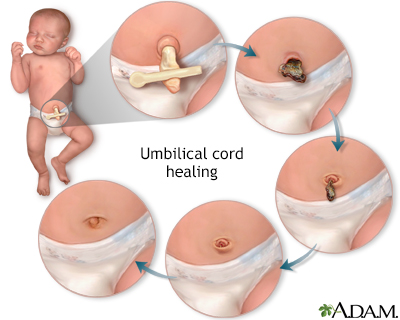
The umbilical cord stump dries and changes color over days. It often looks brown or black as it dries. This process usually takes one to three weeks.
Do not pull or force the stump off. Let it fall off on its own. Once it falls, the area may look pink and slightly moist. This means healing is still happening.
Signs To Start Cleaning
Start cleaning only after the stump falls off completely. The belly button should be dry and closed. If there is redness, swelling, or pus, avoid cleaning and consult a doctor.
Use a clean, damp cloth or cotton swab with warm water. Clean gently around the belly button. Avoid using alcohol or harsh products unless told by a doctor.
How To Care Before Cleaning
Keep the stump dry by folding diapers below it. Avoid covering the stump with tight clothing. Let air help the stump dry and heal faster.
Bathing your baby with sponge baths helps keep the stump dry. Do not submerge the stump in water until it falls off.
What You Need For Cleaning
Cleaning your newborn’s belly button is simple with the right tools. Preparing these items helps keep the area clean and dry. Gentle care lowers infection risk and promotes healing.
Clean Cotton Swabs
Use soft cotton swabs to reach small areas gently. They help clean around the belly button without hurting the baby.
Warm Water
Use warm water to moisten cotton swabs or cloth. Avoid using soaps or harsh chemicals that can irritate the skin.
Soft Cloth Or Gauze
A soft cloth or gauze works well to dry the area after cleaning. It keeps the belly button dry, which helps healing.
Antiseptic Solution (optional)
Some doctors recommend mild antiseptic solutions. Only use if advised by your pediatrician to prevent infection.
Clean Hands
Wash your hands thoroughly before cleaning your baby’s belly button. Clean hands stop germs from spreading.
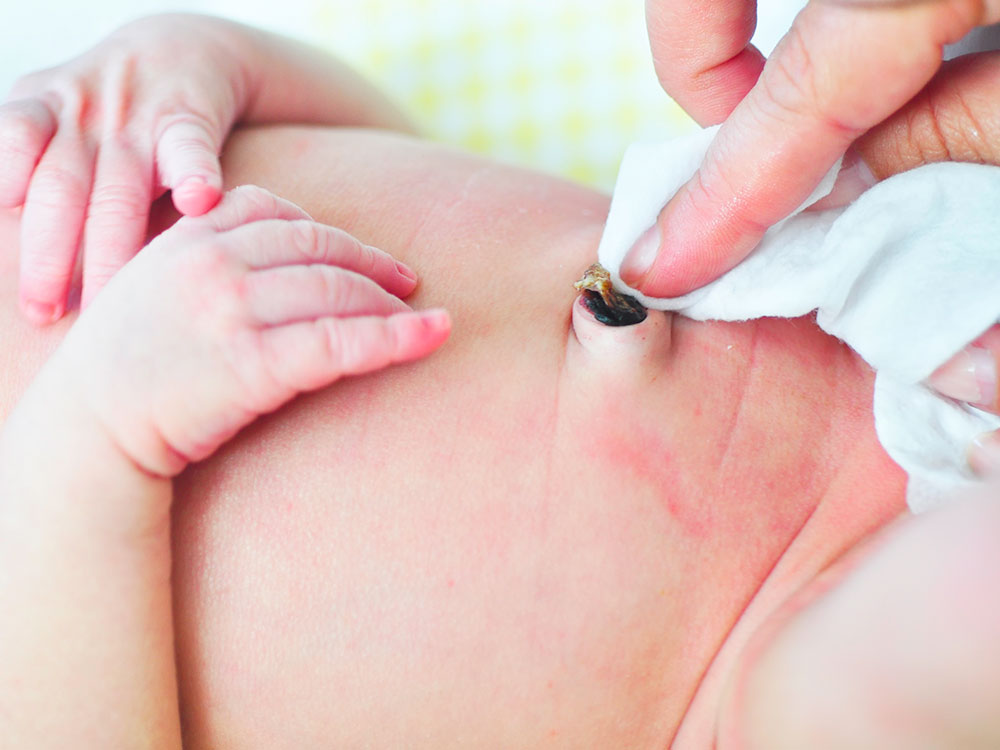
Step-by-step Cleaning Process
Cleaning your newborn’s belly button is important to prevent infection and help healing. Follow these simple steps carefully. Keep the process gentle and safe for your baby’s sensitive skin.
Prepare Your Supplies
Gather all items before you start. You will need cotton swabs, clean water, and a soft towel. Avoid using alcohol or harsh chemicals. Make sure the room is warm and quiet for your baby.
Wash Your Hands
Wash your hands thoroughly with soap and water. Dry them well with a clean towel. Clean hands reduce the risk of germs spreading. Never touch the belly button with dirty hands.
Gently Clean Around The Cord
Dip a cotton swab in clean water. Gently wipe around the base of the cord. Avoid pulling or tugging on the cord. Clean only the outside area, not inside the belly button. Repeat with a fresh cotton swab if needed.
Dry The Area Carefully
Use a soft towel or cotton pad to pat the area dry. Make sure no moisture is left near the cord. Moisture can cause irritation or infection. Let the belly button air dry for a few minutes if possible.
Tips To Avoid Infection
Keeping your newborn’s belly button clean is important to stop infections. The belly button is sensitive because it is healing from the umbilical cord falling off. Dirt and bacteria can cause redness, swelling, or a bad smell. Following simple tips helps keep the area clean and safe for your baby.
Use Clean Hands Before Touching
Always wash your hands with soap before touching your baby’s belly button. Clean hands reduce germs that can cause infection. Avoid touching the area unnecessarily. Gentle care protects your baby’s skin.
Keep The Area Dry
Moisture can grow bacteria and cause infection. After cleaning, gently pat the belly button dry with a clean cloth. Avoid covering the belly button with wet diapers or clothes. Let air reach the area to help it heal faster.
Use Mild Cleaning Methods
Use a cotton swab dipped in warm water to clean around the belly button. Avoid strong soaps or alcohol that can irritate the skin. Clean only the outside of the belly button. Do not push inside the belly button.
Watch For Signs Of Infection
Check for redness, swelling, or pus. A foul smell or fever may also mean infection. Contact your doctor if you notice these signs. Early care prevents serious problems.
Avoid Covering The Belly Button Too Much
Fold the diaper below the belly button to keep it exposed. Tight or wet clothing traps moisture and bacteria. Allow air to flow around the belly button. This helps it dry and heal naturally.
Signs Of Trouble To Watch For
Cleaning a newborn’s belly button is simple, but sometimes problems can arise. It is important to know the signs of trouble early. These signs help you know when to seek medical advice quickly. Watch closely for any unusual changes while cleaning.
Redness And Swelling Around The Belly Button
Redness or swelling can show infection. The skin may look puffy or warm to touch. This is a warning sign that the area is not healing well.
Unpleasant Smell Or Discharge
A foul smell or pus-like discharge is a sign of infection. The discharge can be yellow, green, or brown. These signs need attention from a doctor.
Bleeding Or Open Wounds
Small bleeding is normal at first. But continuous bleeding or open sores are not normal. This can delay healing and cause more problems.
Fever Or Fussiness In Your Baby
A fever or unusual fussiness may mean infection. Your baby might be uncomfortable or in pain. These symptoms need prompt medical care.
Hard Lump Near The Belly Button
A hard lump or bump near the belly button is unusual. It could be a sign of hernia or infection. A doctor should examine this as soon as possible.
When The Cord Falls Off
The newborn’s belly button needs special care after the umbilical cord falls off. This usually happens within one to two weeks after birth. The area might look a bit raw or even slightly moist. Keeping it clean helps prevent infection and speeds healing.
Careful cleaning at this stage supports the belly button’s natural healing process. Gentle attention is key. Avoid harsh rubbing or using strong chemicals. The goal is to keep the area dry and clean.
How To Clean The Belly Button After The Cord Falls Off
Use a clean cotton swab dipped in warm water. Gently wipe around the belly button to remove any dirt or crust. Do this once a day. Let the area air dry completely before covering it with clothes.
What To Avoid When Cleaning
Do not use alcohol or hydrogen peroxide. These can irritate the skin and slow healing. Avoid soaking the belly button in water. Skip tight clothing that rubs the area.
Signs Of Infection To Watch For
Look out for redness, swelling, or bad smell. Pus or bleeding are warning signs. If any of these appear, contact a doctor right away.

Common Myths And Facts
Many parents find cleaning a newborn’s belly button confusing. Myths and facts often mix up, causing worry. Understanding what is true helps keep your baby safe and healthy. This section clears up common myths and shares important facts.
Myth: You Must Clean Inside The Belly Button Deeply
Many believe deep cleaning prevents infection. Actually, the belly button heals naturally. Gently clean only the outer area with a soft cloth. Avoid pushing anything inside the belly button.
Myth: Alcohol Should Be Used To Clean The Belly Button
Some think alcohol helps dry the stump fast. Alcohol can irritate sensitive skin. Use plain water or a mild baby wipe instead. Let the belly button dry naturally after cleaning.
Fact: Keep The Belly Button Dry
Moisture can slow healing or cause infection. Keep the area dry by folding diapers below the belly button. Pat the area dry gently after baths or cleaning.
Fact: The Umbilical Cord Stump Falls Off In 1-2 Weeks
The stump will dry and fall off on its own. Do not pull or force it off. Let it fall off naturally to avoid bleeding or infection.
Frequently Asked Questions
How Often Should I Clean My Newborn’s Belly Button?
Clean your newborn’s belly button once a day. Use a cotton swab dipped in warm water. Gently wipe around the base to remove dirt and moisture. Avoid using alcohol or harsh chemicals, as they can irritate sensitive skin.
When Can I Stop Cleaning The Newborn’s Belly Button?
You can stop cleaning once the stump falls off. This usually happens within 1 to 3 weeks after birth. Make sure the area is dry and healed. If redness or discharge occurs, consult your pediatrician before stopping care.
What Is The Safest Way To Clean A Newborn’s Belly Button?
Use clean hands and a sterile cotton swab with warm water. Gently clean around the stump, avoiding rubbing too hard. Keep the area dry and exposed to air. Do not submerge in water until fully healed.
Can I Use Alcohol To Clean My Baby’s Belly Button?
It’s best to avoid alcohol unless advised by your doctor. Alcohol can dry out and irritate your newborn’s delicate skin. Warm water is safer and effective for cleaning. Always follow your pediatrician’s guidance for proper care.
Conclusion
Cleaning your newborn’s belly button is simple and important. Use a soft cloth and mild water. Keep the area dry and avoid harsh soaps. Check for any redness or smell. Clean gently every day until the stump falls off. This helps prevent infection and keeps your baby comfortable.
Remember, patience is key during this time. Taking small steps ensures your baby stays healthy and happy. Always ask your doctor if you notice anything unusual. Caring for your baby’s belly button is part of loving care.


