Bathing your baby can feel overwhelming, especially if you’re new to it. You want to keep your little one safe, comfortable, and happy, but you might worry about water temperature, bath time routines, or even the best products to use.
What if there was a simple way to make every bath a calm and joyful experience—for both you and your baby? You’ll discover easy, practical baby bathing tips that take the guesswork out of bath time. Keep reading, and you’ll feel confident turning this daily task into a special bonding moment.
Preparing For Baby Bath Time
Bath time for your baby should be safe and calm. Preparing well helps make the experience smooth. Babies feel better when the environment is just right. Getting ready means choosing the right spot, collecting supplies, and checking water temperature.
Choosing The Right Bath Spot
Select a warm, quiet area for your baby’s bath. Avoid places with strong drafts or loud noises. A small bathroom or a cozy corner works well. Make sure the spot has enough space for all supplies. Keep the area clean and free from hazards.
Gathering Necessary Supplies
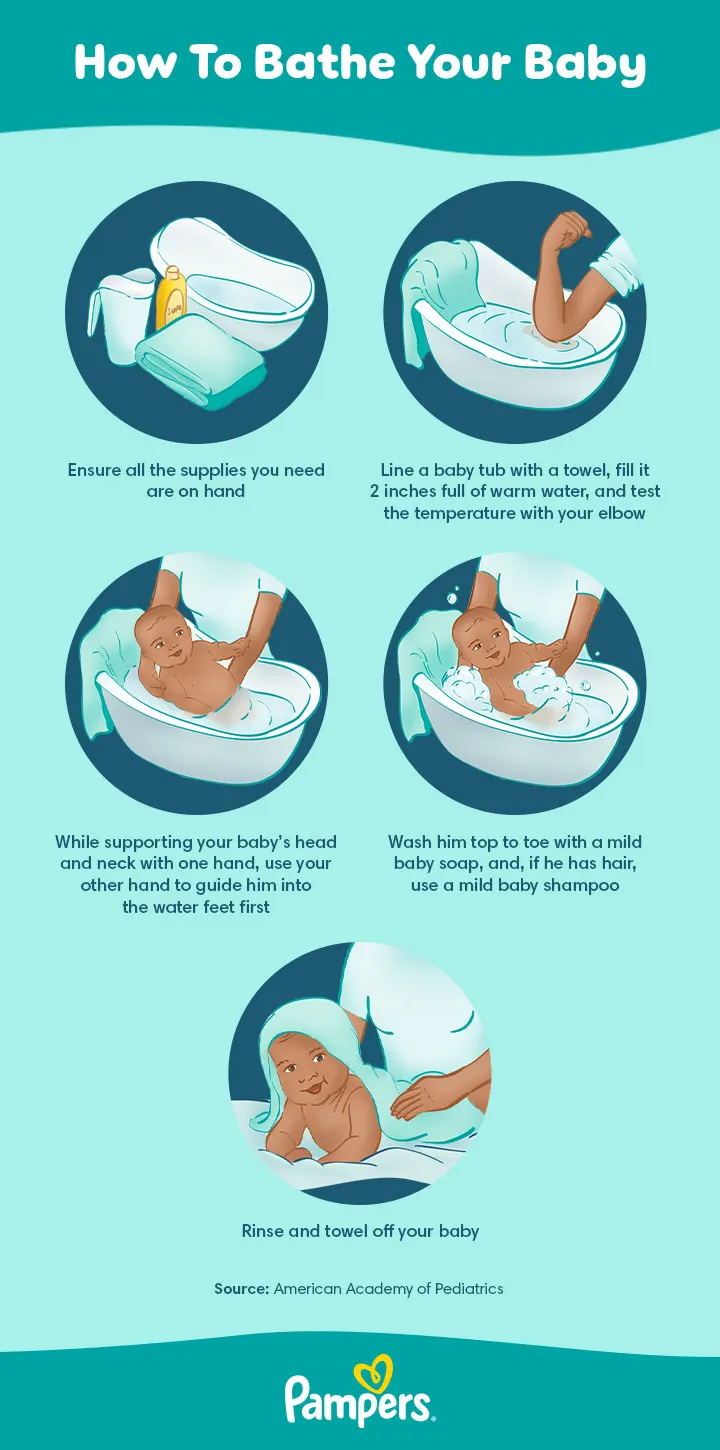
Have everything ready before you start. You will need baby soap, a soft washcloth, and a towel. Use a small baby bathtub or a sink with a smooth surface. Keep a fresh diaper and clothes nearby. This prevents you from leaving your baby alone.
Setting The Ideal Water Temperature
Water should be warm, not hot. Aim for about 37°C (98.6°F). Test the water with your wrist or elbow. It should feel comfortable and gentle to touch. Avoid using hot water directly from the tap. Always mix water well to avoid hot spots.
Safe Bathing Techniques
Bathing your baby is a special time but also a careful task. Safe techniques keep your baby happy and healthy during bath time. It prevents accidents and makes the experience pleasant for both of you.
Focus on support, gentle washing, and avoiding hazards. These steps protect your baby’s delicate skin and fragile body.
Supporting Your Baby Properly
Always hold your baby with one hand under the head and neck. The other hand supports the body gently. Keep a firm but soft grip to prevent slipping. Use a non-slip mat or a baby bath seat for extra safety. Never leave your baby alone in the water, even for a moment.
Gentle Washing Methods
Use mild, fragrance-free baby soap and warm water. Avoid harsh scrubbing. Use a soft washcloth or your hand to clean the baby’s skin. Wash from the cleanest areas to the dirtiest. Rinse off soap carefully to avoid irritation. Pat dry with a soft towel instead of rubbing.
Avoiding Common Bathing Hazards
Check water temperature before placing your baby in the tub. It should be warm, not hot. Keep all bath supplies within reach to avoid leaving your baby unattended. Avoid filling the tub too much; just a few inches is enough. Remove sharp objects or anything that could fall into the tub. Stay calm and focused throughout the bath.
Making Bath Time Enjoyable
Bath time can be a special moment for babies and parents. Making it fun helps your baby enjoy the water and relax. Creating a calm and happy environment builds trust and comfort. Simple ideas turn bath time into a joyful routine.
Using Soothing Sounds And Toys
Soft sounds calm babies during their bath. Gentle music or white noise helps them feel safe. Small bath toys catch their eyes and keep them busy. Floating toys or colorful cups invite play. These items make the bath feel like a game.
Incorporating Gentle Massage
Massage soothes baby’s muscles after washing. Use your fingertips to rub arms and legs gently. A light touch helps your baby relax and feel cared for. This quiet moment strengthens your bond. It also prepares baby for a peaceful sleep.
Keeping Baby Calm And Engaged
Talk to your baby in a soft voice. Smile and make eye contact often. Use simple words and sounds to keep attention. Splash water gently or let baby hold a toy. These small actions keep your baby calm and happy throughout bath time.
Post-bath Care Tips
After bath time, the care you give your baby is very important. Proper post-bath care keeps their skin soft and healthy. It also helps your baby feel calm and cozy. Follow these simple tips to make post-bath moments pleasant and safe.
Drying And Moisturizing Baby’s Skin
Use a soft towel to gently pat your baby dry. Avoid rubbing, which can irritate delicate skin. Focus on drying skin folds carefully. Apply a mild, fragrance-free moisturizer right after drying. This locks in moisture and prevents dryness.
Dressing For Comfort
Choose soft, breathable clothes for your baby after the bath. Cotton fabrics work best to keep skin cool and comfortable. Dress your baby in loose-fitting clothes to avoid irritation. Keep the room warm enough to prevent chills but not too hot.
Maintaining Bath Time Routine
Stick to a regular bath time routine to help your baby relax. Bathing at the same time each day creates a sense of security. Use calming voices and gentle touches to soothe your baby. A consistent routine makes sleep time easier and more peaceful.
Special Considerations
Bathing a baby needs special care and attention. Babies have delicate skin and unique needs. Understanding these can make bath time safe and pleasant.
Different babies need different bathing approaches. Some are newborns, some have sensitive skin, and others have medical conditions. Each situation calls for gentle and careful handling.
Bathing Newborns
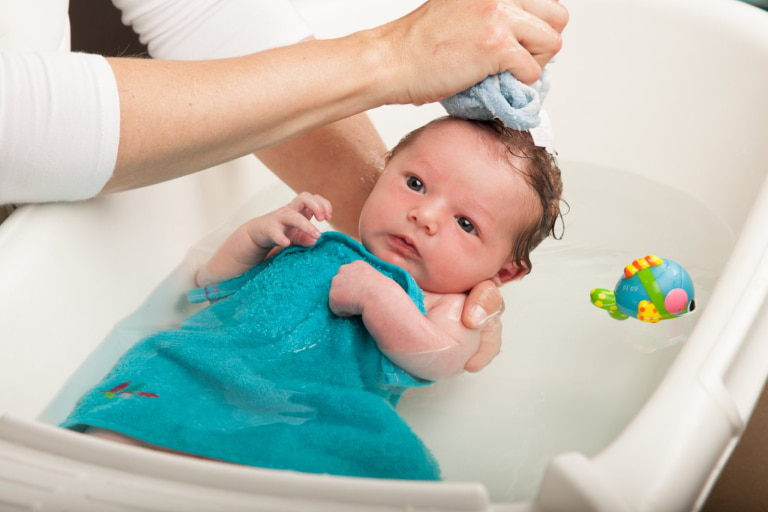
Newborns need sponge baths until their umbilical cord heals. Use warm water and a soft cloth. Keep the baby wrapped in a towel. Avoid soaking the whole body at first. Keep bath time short to avoid chilling. Always support the baby’s head and neck carefully.
Handling Sensitive Skin
Babies with sensitive skin need mild soaps or just water. Avoid scented or harsh products. Use lukewarm water to prevent irritation. Pat the skin dry gently, do not rub. Dress the baby in soft, breathable clothes after the bath.
Bathing Babies With Medical Conditions
Babies with health issues may need special bathing routines. Consult a doctor about the best methods and products. Be extra gentle and watch for skin reactions. Keep the environment calm and warm to avoid stress. Adjust bath frequency based on medical advice.

Frequently Asked Questions
How Often Should I Bathe My Newborn Baby?
Newborns only need 2-3 baths per week to protect their delicate skin. Daily baths can dry out their skin. Use gentle, fragrance-free baby soap and warm water. Sponge baths are best until the umbilical cord heals.
What Is The Ideal Water Temperature For Baby Baths?
The ideal water temperature for baby baths is around 37°C (98. 6°F). Always test the water with your wrist or elbow before bathing. Water that’s too hot or cold can cause discomfort or burns. Keep the room warm during bath time.
What Are The Safest Baby Bathing Products To Use?
Choose mild, fragrance-free, and hypoallergenic baby soaps and shampoos. Avoid products with harsh chemicals or dyes. Look for natural ingredients that are gentle on sensitive skin. Always rinse thoroughly to prevent irritation or dryness.
How Can I Keep My Baby Safe During Bath Time?
Never leave your baby unattended in the bath, even for a second. Use a non-slip mat and keep all supplies within reach. Support your baby’s head and neck with one hand. Stay calm and talk soothingly to comfort your baby.
Conclusion
Bath time can be a special moment for you and your baby. Keep water warm, but not hot. Use gentle soap made for babies. Always support your baby’s head and neck. Stay close and never leave your baby alone. Make bath time calm and fun.
These simple tips help keep your baby safe and happy. Enjoy these moments—they grow up fast!


