You want the best for your baby, and that includes keeping their pacifiers clean and safe. But how often should you clean them?
What’s the best way to sterilize pacifiers without damaging them? If you’re unsure or worried about germs, you’re not alone. You’ll discover simple, effective methods to clean and sterilize pacifiers, protecting your little one from harmful bacteria. Keep reading to find out how easy it can be to maintain your baby’s pacifiers in perfect condition every day.
Why Clean Pacifiers Matter
Keeping pacifiers clean is very important for your baby’s health. Babies often put pacifiers in their mouths. Germs on pacifiers can cause infections and sickness. Cleaning and sterilizing pacifiers helps protect your baby from harmful bacteria and viruses. It also keeps the pacifier safe and fresh for use. Understanding why clean pacifiers matter helps you care better for your child.
Risks Of Dirty Pacifiers
Dirty pacifiers carry germs that cause illnesses. Bacteria and viruses can grow on unclean pacifiers. This can lead to mouth infections, stomach bugs, or colds. Babies have weak immune systems and are more likely to get sick. Using dirty pacifiers increases the chance of spreading germs. This can result in frequent doctor visits and discomfort for your baby.
Benefits Of Sterilization
Sterilizing pacifiers kills most harmful germs and bacteria. It makes pacifiers safe for babies to use. Sterilization stops the spread of infections and allergies. It helps maintain the pacifier’s material and shape longer. Clean and sterilized pacifiers give parents peace of mind. Your baby stays healthier with regular sterilization routines.
When To Clean And Sterilize
Knowing when to clean and sterilize pacifiers is important for your baby’s health. Pacifiers can carry germs from hands, mouth, and surfaces. These germs can cause infections or upset your baby’s tummy. Regular cleaning and sterilizing keep pacifiers safe and fresh. It also helps your baby stay comfortable and happy.
Daily Cleaning Routine
Clean pacifiers every day to remove dirt and germs. Use warm water and mild soap. Rinse them well to remove all soap. Avoid harsh chemicals or strong detergents. After cleaning, let the pacifier air dry on a clean towel. This daily care stops germs from building up.
Sterilization Frequency
Sterilize pacifiers regularly to kill harmful bacteria. For newborns, sterilize pacifiers daily during the first month. After that, sterilize them at least once a week. If a pacifier falls on the floor or touches dirty surfaces, sterilize it right away. Use boiling water, steam sterilizers, or sterilizing solutions for best results.
Effective Cleaning Methods
Cleaning and sterilizing pacifiers is important for your baby’s health. Proper cleaning removes germs and dirt that can harm your child. There are easy and effective ways to clean pacifiers at home. These methods keep pacifiers safe and ready for use.
Soap And Water Washing
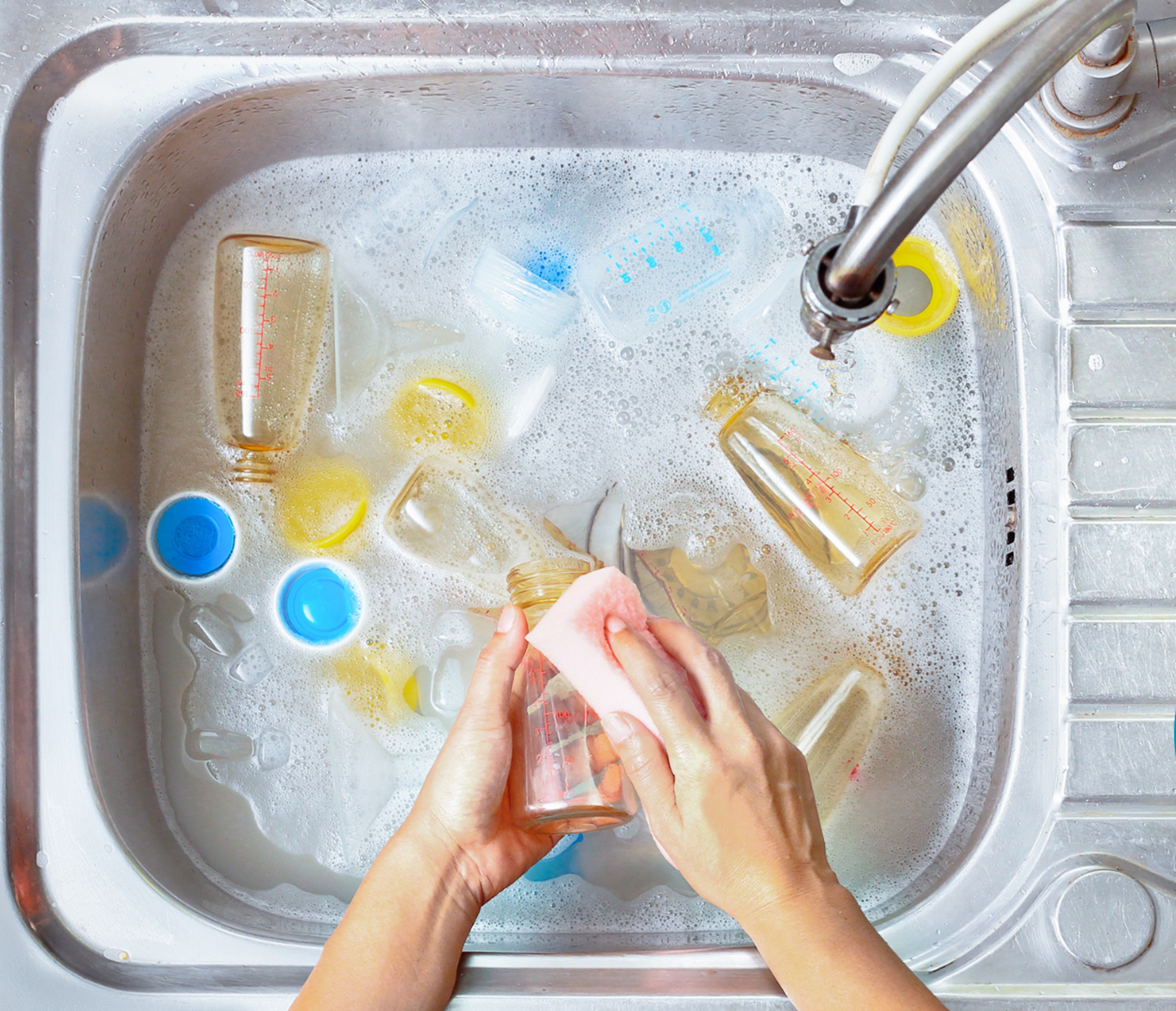
Soap and water is a simple way to clean pacifiers. Use warm water and mild soap. Rub the pacifier gently to remove dirt. Rinse it well to remove all soap. This method cleans daily dirt and germs. It is good for regular cleaning.
Make sure to wash your hands before handling the pacifier. Use a clean brush if needed. Clean all parts, including the nipple and handle. Let the pacifier air dry on a clean towel.
Using A Dishwasher
You can also clean pacifiers in a dishwasher. Place them on the top rack to avoid damage. Use a normal wash cycle with hot water. The dishwasher’s heat helps kill germs and bacteria. This method is quick and effective.
Check if the pacifier is dishwasher safe before using this method. Avoid placing pacifiers near sharp objects. Let them dry completely before giving them to your baby. This method is great for busy parents.
Sterilizing Techniques
Sterilizing pacifiers is key to keeping babies safe from germs. Proper sterilization removes harmful bacteria and viruses. It helps prevent infections and keeps pacifiers clean for daily use.
Several easy methods exist for sterilizing pacifiers. Each technique uses heat or chemicals to kill germs. Choosing the right method depends on your tools and time.
Boiling Method
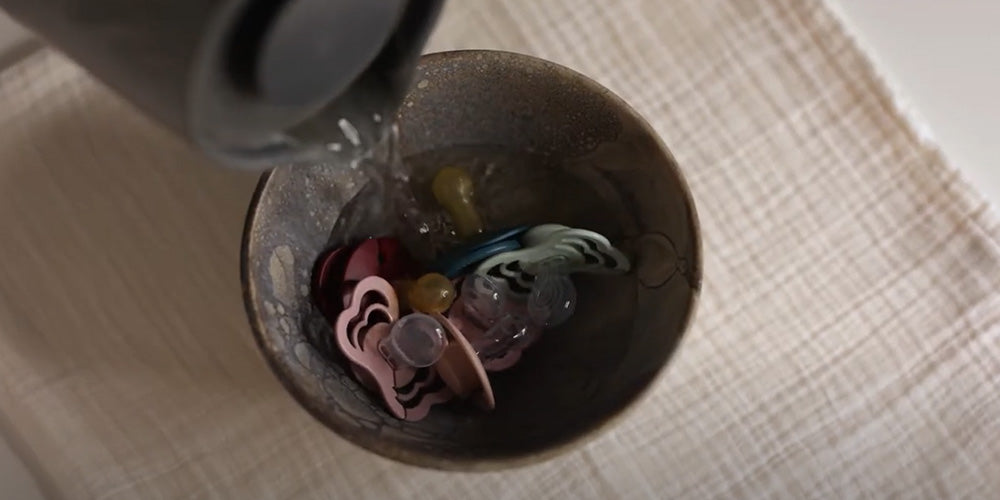
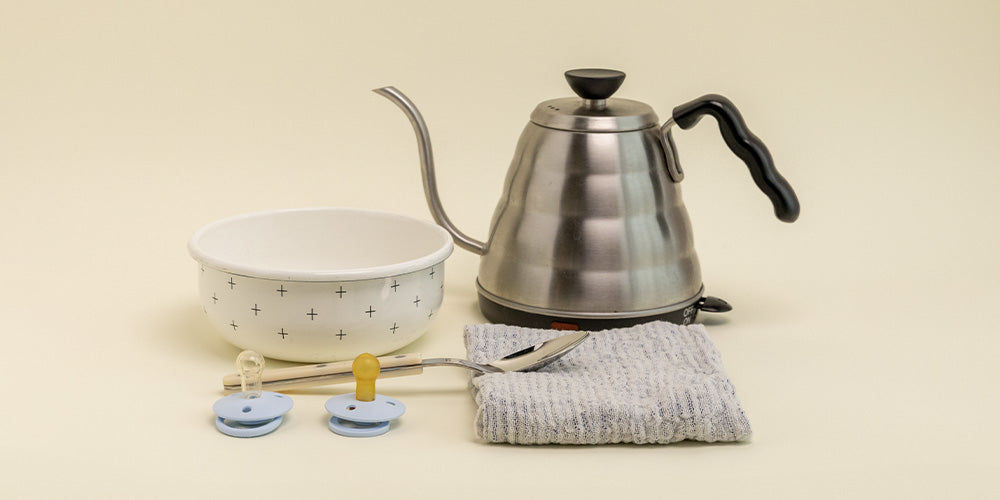
Boiling is a simple and effective sterilizing way. Place pacifiers in boiling water for five minutes. Make sure water covers the entire pacifier. Remove with clean tongs and let cool on a clean surface. This method kills most germs quickly.
Steam Sterilizers
Steam sterilizers use hot steam to clean pacifiers. Place pacifiers inside the device and add water. Turn it on and wait for the cycle to finish. Steam kills bacteria without harsh chemicals. It is fast and safe for many pacifier types.
Microwave Sterilization
Microwave sterilizers use steam inside a special container. Put pacifiers and water in the container. Heat it in the microwave for a few minutes. The steam cleans pacifiers thoroughly. This method is quick and easy for busy parents.
Sterilizing Solutions
Sterilizing solutions use safe chemicals to kill germs. Soak pacifiers in the solution for the time listed on instructions. Rinse well with clean water before use. These solutions are gentle and good for pacifiers that cannot handle heat.
Choosing Safe Pacifier Materials
Choosing the right material for a pacifier is important for your baby’s health. Safe materials reduce risks of allergies and choking hazards. They also affect how easy it is to clean and sterilize the pacifier. Parents should know the basics about common pacifier materials before buying one.
Silicone Vs. Latex
Silicone pacifiers are firm and clear. They do not absorb smells or colors. Silicone resists heat well, so it is easy to sterilize. Latex pacifiers are soft and flexible. They feel more natural to some babies. Latex can break down faster and may cause allergies.
Silicone lasts longer and cleans easier. Latex is softer but less durable. Both materials are safe if used properly. Check for any allergy signs with latex pacifiers.
Material Durability And Safety
Durability matters to keep pacifiers safe over time. Silicone holds up better against chewing and washing. Latex wears out faster and may crack or tear. Damaged pacifiers can be choking risks.
Look for pacifiers made from BPA-free and non-toxic materials. Always follow manufacturer instructions for cleaning. Replace pacifiers regularly to ensure safety. Safe materials help protect your baby’s health and comfort.
Storage Tips For Clean Pacifiers
Keeping pacifiers clean after washing is very important. Proper storage stops germs from growing. It also keeps pacifiers ready to use anytime. Follow simple steps to store pacifiers safely and keep babies healthy.
Proper Drying
Dry pacifiers completely before storing them. Moisture can cause bacteria and mold to grow. Use a clean towel or air dry on a clean surface. Avoid putting wet pacifiers into storage containers. Always check if pacifiers are dry before closing the lid.
Safe Storage Containers
Use containers that keep pacifiers clean and dry. Choose ones made of plastic or silicone with tight lids. Avoid open bowls or bags that let dirt enter. Clean the containers regularly to prevent germs. Store pacifiers in a cool, dry place away from direct sunlight.
Signs To Replace Pacifiers
Pacifiers need regular checks to keep your baby safe. They wear out over time and can become unsafe. Knowing when to replace them helps prevent health risks. Watch for clear signs that the pacifier is no longer good to use. This keeps your baby healthy and comfortable.
Wear And Tear Indicators
Look closely at the pacifier for cracks or holes. These small damages can grow and cause choking hazards. The nipple may become sticky, sticky nipples attract dirt and germs. The shape can change or flatten from chewing. Discoloration means the material is breaking down. Replace pacifiers that show any of these signs.
Health Concerns
Pacifiers can carry germs that cause infections. If your baby has thrush or mouth sores, change the pacifier. Regular sterilizing helps but does not last forever. If your baby gets sick often, try a new pacifier. Never share pacifiers between children to avoid spreading germs.
Common Mistakes To Avoid
Cleaning and sterilizing pacifiers is important for baby’s health. Mistakes can harm your efforts. Avoid these common errors to keep pacifiers safe and clean.
Over-sterilizing Risks
Sterilizing pacifiers too often can cause damage. The material may weaken or crack. This creates hiding spots for germs. Babies might swallow tiny pieces. Stick to recommended sterilizing times.
Using Harsh Chemicals
Harsh chemicals can leave harmful residues. These can irritate baby’s skin or stomach. Avoid bleach or strong detergents. Use baby-safe cleaning products or plain water. Rinse pacifiers well to remove any soap.
Frequently Asked Questions
How Often Should Pacifiers Be Sterilized?
Pacifiers should be sterilized daily for newborns and weekly for older babies. Regular sterilization prevents harmful bacteria buildup. Always clean pacifiers after each use to maintain hygiene and protect your baby’s health effectively.
What Are Safe Methods To Clean Pacifiers?
Boiling pacifiers in water for 5 minutes is a safe sterilization method. You can also use a steam sterilizer or sterilizing solution. Avoid harsh chemicals to ensure pacifier safety and maintain material integrity for your baby.
Can Pacifiers Be Cleaned In A Dishwasher?
Yes, most pacifiers can be cleaned in a dishwasher’s top rack. Use a hot water cycle for effective sterilization. Check manufacturer guidelines to confirm dishwasher safety and avoid damage to the pacifier.
When Should Pacifiers Be Replaced After Cleaning?
Replace pacifiers immediately if they show cracks, tears, or discoloration. Frequent inspection ensures safety from choking hazards and bacteria. Regular replacement maintains hygienic conditions for your baby’s oral health.
Conclusion
Keeping pacifiers clean protects your baby’s health. Regular washing removes dirt and germs. Sterilizing kills harmful bacteria that washing may miss. Use safe methods like boiling or steam sterilizers. Always check pacifiers for damage before use. Clean pacifiers help prevent infections and discomfort.
Make cleaning part of your daily routine. Your baby deserves a safe and healthy start. Simple steps make a big difference in care. Stay consistent and mindful for your child’s well-being.


