Caring for your baby’s umbilical cord can feel overwhelming, but it doesn’t have to be. You want to keep your little one safe and comfortable, and knowing the right steps will help you do just that.
In this guide, you’ll discover simple, effective tips to keep the area clean and dry, prevent infections, and know exactly what to expect as the cord heals. By the end, you’ll feel confident and ready to handle this important part of your baby’s first days with ease.
Keep reading to learn how to care for your baby’s umbilical cord the right way.
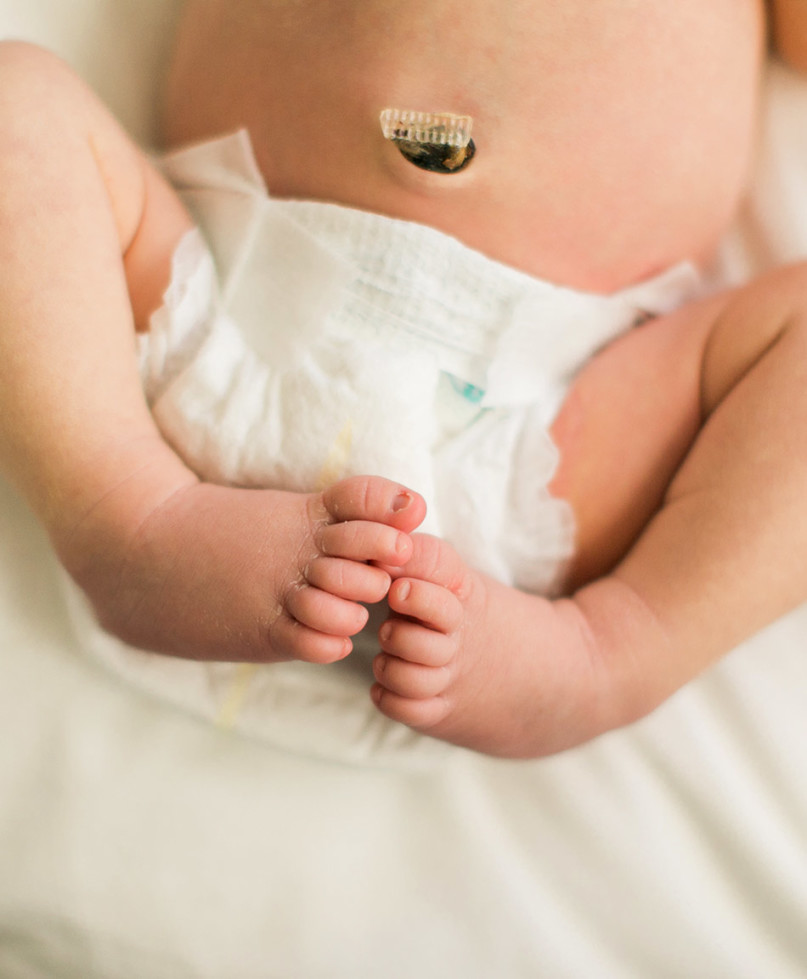
Cleaning The Umbilical Cord
Cleaning the baby’s umbilical cord is an important task for new parents. Keeping the area clean helps prevent infection and promotes healing. The cord stump usually falls off within one to three weeks. During this time, gentle and proper care is essential.
Safe Cleaning Methods
Use clean hands before touching the cord area. Gently wipe the base of the cord with a soft cloth or cotton ball. Use warm water only. Avoid soaking the cord in water. Pat the area dry with a clean towel after cleaning. Let the cord air dry as much as possible. Check the cord daily for signs of redness or swelling.
Avoiding Harsh Products
Do not use alcohol, lotions, or powders on the cord. These can irritate the skin and slow healing. Avoid using soap directly on the cord stump. Harsh chemicals can cause discomfort or infection. Stick to warm water and gentle wiping. Keep diapers folded below the cord to allow airflow. This helps the cord dry faster and stay clean.
Drying And Air Exposure
Proper care of your baby’s umbilical cord is key for fast healing. Drying and air exposure help the cord stay clean and prevent infection. This section explains why keeping the cord dry matters and how to allow good air flow around it.
Importance Of Keeping It Dry
Moisture can slow down healing and cause germs to grow. The umbilical cord stump needs to stay dry to fall off quickly. Wetness may lead to redness or swelling, which shows infection. Dry skin helps the stump naturally separate from the belly.
Use a clean cloth to gently pat the area dry if it gets wet. Avoid covering the stump with thick diapers or tight clothes. Letting air reach the stump keeps it dry and healthy.
Best Practices For Air Circulation
Expose the cord stump to fresh air as much as possible. Fold the diaper below the stump line to avoid covering it. Dress your baby in loose clothes to allow airflow. Change diapers often to keep the area clean and dry.
During diaper changes, leave the cord out in the open for some minutes. This simple step helps dry the stump faster. Avoid using lotions or powders near the cord. Fresh air promotes quick, safe healing.
Diapering Tips
Taking care of your baby’s umbilical cord means paying close attention during diaper changes. The diaper area needs extra care to keep the cord clean and dry. These diapering tips help protect the cord and keep your baby comfortable.
Preventing Irritation
Keep the diaper loose around the umbilical cord. Tight diapers can rub the cord and cause pain. Change diapers often to stop moisture build-up. Wetness can lead to irritation and infection. Use gentle wipes or a soft cloth to clean the area. Avoid lotions or powders near the cord. Let air reach the cord for faster healing.
Choosing The Right Diaper Style
Select diapers with a cut-out or low waist design. These allow space for the cord to breathe. Cloth diapers can be folded to avoid covering the cord. Disposable diapers with a flexible waistband work well too. Make sure the diaper fits snugly but not tight. This keeps the baby happy and the cord safe.
Recognizing Signs Of Infection
Taking care of your baby’s umbilical cord is very important. Watch closely for any signs that might show infection. Early detection helps keep your baby safe and healthy. Knowing what to look for can make a big difference.
Common Symptoms To Watch For
Check the area around the cord every day. Look for redness or swelling. Notice any pus or fluid coming from the stump. A foul smell is a strong warning sign. Your baby may also have a fever. The skin might feel warm to touch. Crying more than usual can mean discomfort.
When To Contact A Doctor
Call your doctor right away if you see these signs. Redness spreading beyond the cord needs medical attention. Pus or yellow discharge is not normal. A fever over 100.4°F (38°C) requires a checkup. If your baby stops feeding or seems very sleepy, act fast. Don’t wait to get professional advice. Early treatment prevents serious problems.
Bathing Your Baby
Bathing your baby is a special time for bonding and care. The umbilical cord stump needs extra attention during this period. Keeping the cord dry and clean helps it heal faster. Choosing the right bathing method can protect the cord from infection and irritation.
Newborn skin is very delicate. Gentle care during bath time supports healthy healing of the umbilical cord.
Sponge Baths Vs. Full Baths
Sponge baths are the safest choice until the cord falls off. Use a soft cloth and warm water to clean your baby’s face, neck, and body. Avoid soaking the cord area to keep it dry. Full baths can wait until the stump dries and falls off. A full bath involves gently immersing your baby in water. This method cleans the whole body but risks wetting the cord. Always check the cord before deciding on bath type.
Protecting The Cord During Bath Time
Keep the cord stump dry and clean during baths. Fold the diaper below the cord to avoid covering it. Use a clean, damp cloth to carefully clean around the area. Avoid rubbing or pulling on the cord. Pat the area dry with a soft towel after cleaning. Do not apply lotions, powders, or oils on the stump. These can cause irritation or infection. Let the cord air dry as much as possible between baths.
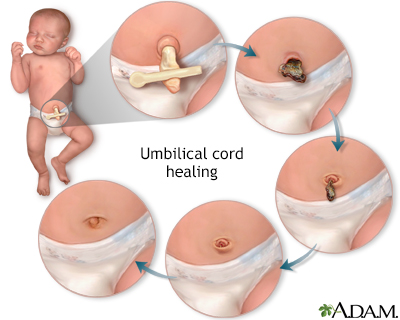
Cord Detachment And Healing
The baby’s umbilical cord stump needs special care until it falls off and the skin heals. This process usually takes one to three weeks. During this time, the stump dries, shrinks, and eventually detaches. Proper care helps prevent infection and promotes fast healing.
What To Expect When It Falls Off
The cord stump will look dry and dark before it falls off. It may have a small amount of blood or clear fluid. This is normal. Sometimes, a little redness or swelling appears around the area. The baby may fuss a bit, but it should not be painful.
The stump usually falls off on its own without force. After it falls off, a small wound or raw spot remains. This spot will slowly close and form new skin. Keep watching the area for signs of infection.
Caring For The Area Post-detachment
Keep the area clean and dry after the stump falls off. Gently wipe around the belly button with a clean cloth and plain water. Avoid using alcohol or special wipes unless your doctor says so.
Dress your baby in loose clothing to help air flow around the navel. Avoid covering the belly button with diapers. Fold diapers down to prevent irritation.
The skin may look pink or slightly raw at first. This will heal in a few days. If you see redness, swelling, pus, or a bad smell, call your doctor.
Common Myths And Misconceptions
Many parents hear different ideas about how to care for their baby’s umbilical cord. Some of these ideas are not true. Myths and misconceptions can cause worry or wrong care. Knowing the facts helps keep the baby safe and healthy.
Myth: The Umbilical Cord Must Be Covered At All Times
Some believe the cord needs to be wrapped tightly with a bandage. This is not true. The cord needs air to dry and heal fast. Leaving it open to air helps it fall off naturally.
Myth: Using Alcohol Is Necessary To Clean The Cord
Many think rubbing alcohol is required for cleaning. Studies show plain water or gentle wiping is enough. Using alcohol can irritate the skin and slow healing.
Myth: The Cord Should Be Pulled Off When Loose
Parents may want to pull the cord when it looks loose. This can cause pain or infection. The cord falls off by itself in 1 to 3 weeks. Let it come off naturally.
Myth: Bathing The Baby Before The Cord Falls Off Is Unsafe
Some worry about giving baths before the cord detaches. Sponge baths keep the cord dry and clean. Avoid soaking the cord directly. Bathing is safe with care.
Myth: Redness And Smell Always Mean Infection
Some redness or mild smell is normal as the cord heals. Watch for swelling, pus, or fever to spot infection. Consult a doctor if these signs appear.
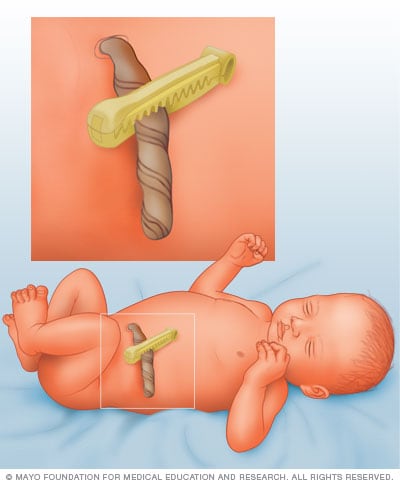
Frequently Asked Questions
How Do I Keep My Baby’s Umbilical Cord Clean?
Keep the cord dry and clean by gently wiping with a damp cloth. Avoid submerging in water until it falls off naturally. Use clean hands when handling the area to prevent infection.
When Does A Baby’s Umbilical Cord Usually Fall Off?
The umbilical cord stump typically falls off within 1 to 3 weeks after birth. Avoid pulling it off to prevent bleeding or infection. Let it detach naturally for safe healing.
Can I Bathe My Baby Before The Cord Falls Off?
Sponge baths are recommended until the umbilical cord falls off. Avoid full baths to keep the stump dry. This helps prevent infection and promotes faster healing.
What Signs Indicate Umbilical Cord Infection?
Redness, swelling, foul odor, or pus near the cord stump may indicate infection. Fever and excessive crying are also warning signs. Consult a pediatrician promptly if any symptoms appear.
Conclusion
Caring for your baby’s umbilical cord helps keep them safe and healthy. Keep the area clean and dry every day. Avoid covering it with tight clothes or diapers. Watch for signs of infection like redness or swelling. Remember, the cord will fall off on its own in time.
Gentle care makes healing faster and easier. Trust your instincts and ask your doctor if you feel unsure. A little attention now means comfort for your baby later. Simple steps lead to a happy, healthy start.


