Are you worried that your newborn might be reacting to something they’re eating or drinking? Identifying food allergies in newborns can feel overwhelming, especially when your little one can’t tell you what’s wrong.
But knowing the signs early can make a huge difference in keeping your baby safe and comfortable. You’ll discover clear, simple ways to spot food allergies in your newborn and what steps to take next. Keep reading—your baby’s health depends on it.

Common Food Allergies In Newborns
Newborns can develop allergies to certain foods early in life. These allergies often cause discomfort and can be hard to spot. Knowing the common food allergies helps parents and caregivers act quickly. Some foods are more likely to trigger allergic reactions in babies than others.
Milk And Dairy Allergies
Milk allergy is the most common food allergy in newborns. It occurs when the immune system reacts to proteins in cow’s milk. Symptoms include skin rashes, vomiting, and diarrhea. Babies may also show signs of colic and irritability. Breastfed babies can react if the mother consumes dairy products.
Egg Allergy
Egg allergy is another frequent allergy in infants. The immune system reacts to proteins found in eggs. Reactions range from mild skin issues to breathing problems. Both egg whites and yolks can cause symptoms. Parents should watch for signs after introducing eggs into the diet.
Peanut And Tree Nut Reactions
Peanut and tree nut allergies can cause serious reactions in newborns. The immune system sees these nuts as harmful invaders. Symptoms may include swelling, hives, and difficulty breathing. Even small amounts can trigger a reaction. Early exposure requires careful monitoring by health professionals.
Soy And Wheat Sensitivities
Soy and wheat are common allergens for newborns. The immune system reacts to proteins in these foods. Symptoms include digestive problems and skin irritation. Some babies have trouble digesting soy formula or wheat-based foods. Identifying these allergies early helps prevent discomfort.
Early Symptoms To Notice
Noticing early symptoms of food allergies in newborns is very important. Parents and caregivers must watch closely. Some signs appear on the skin, others affect digestion or breathing. Behavior changes can also signal an allergy. Early detection helps get quick care.
Skin Reactions And Rashes
Redness or small bumps may show on the baby’s skin. These rashes can appear on the face, arms, or chest. Hives are raised, itchy spots that come and go quickly. Dry, flaky patches may also develop. Skin reactions often happen soon after feeding.
Digestive Issues
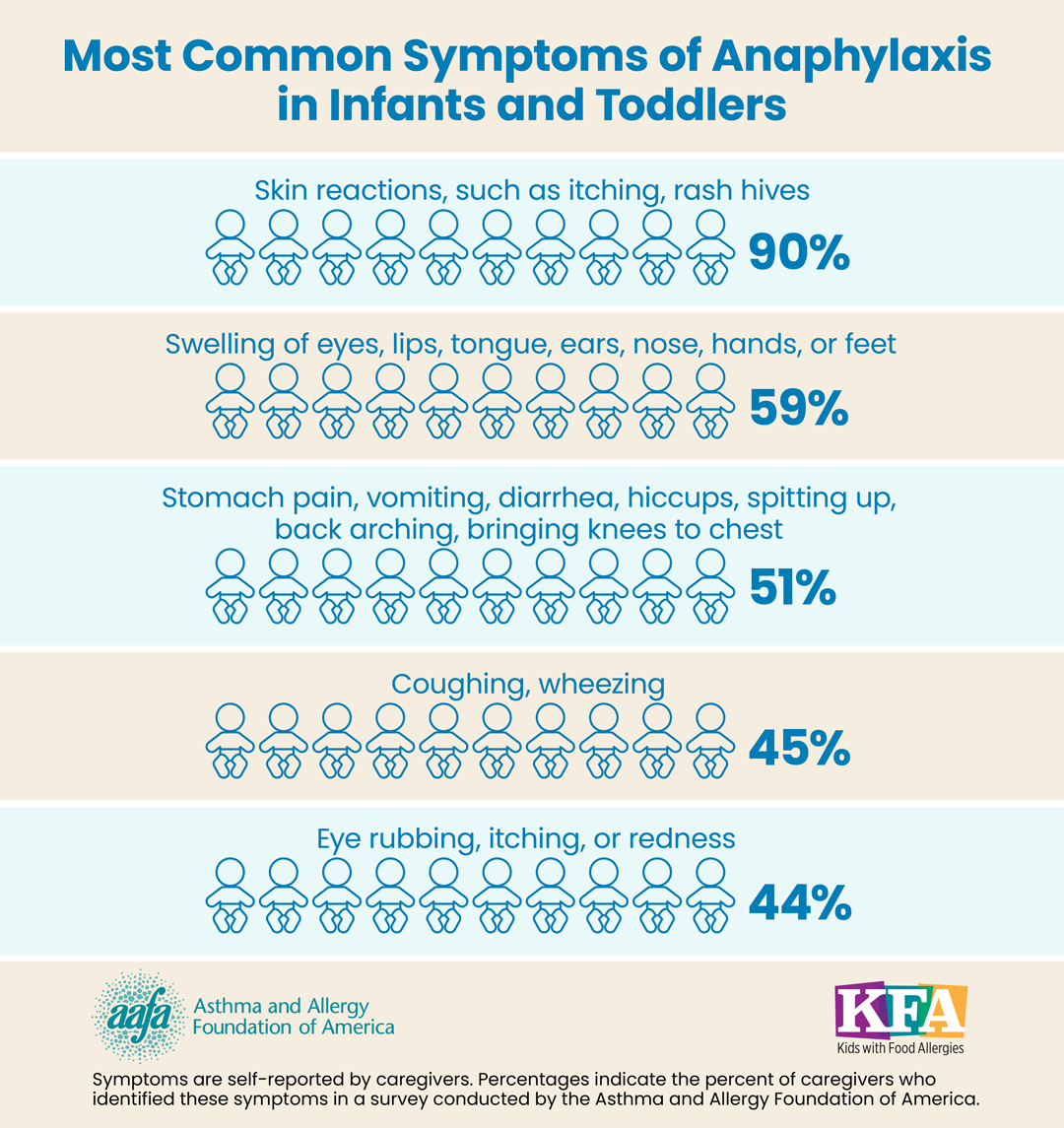
Food allergies can cause stomach pain or cramps. Vomiting or frequent spitting up may occur. Diarrhea is another common symptom to watch for. The baby might refuse to eat or seem uncomfortable after feeding. These signs mean the baby’s gut may be reacting.
Respiratory Problems
Allergies can lead to coughing or wheezing in newborns. Nasal congestion or a runny nose might develop. Some babies may have trouble breathing or show noisy breaths. These symptoms need quick attention to avoid serious issues. Breathing problems can be a sign of a severe allergy.
Behavioral Changes
A baby with a food allergy may cry more than usual. They might be restless or have trouble sleeping. Sudden irritability after feeding is a red flag. The baby may seem tired or less active. Changes in behavior often reflect discomfort or pain.
When To Seek Medical Help
Knowing when to seek medical help for a newborn’s food allergy is very important. Some symptoms need quick attention to keep your baby safe. It helps to understand which signs need a doctor’s care and which can be monitored at home.
Severe Allergic Reactions
Severe allergic reactions can happen fast and need urgent care. Signs include swelling of the face, lips, or throat. Your baby may have trouble breathing or wheezing. Blue lips or skin color changes are serious. Call emergency services right away in these cases.
Persistent Symptoms
Some symptoms last longer and need a doctor’s check. Continuous vomiting or diarrhea can cause dehydration. Rash that does not go away or spreads needs attention. If your baby is very fussy and won’t eat, see a doctor. These signs show the allergy may need treatment.
Emergency Signs
Emergency signs mean immediate medical help is needed. Loss of consciousness or extreme drowsiness is dangerous. Difficulty breathing or noisy breathing should not be ignored. Rapid heartbeat or weak pulse needs urgent care. Always trust your instincts and act fast.
Testing And Diagnosis Options
Testing and diagnosis play a key role in identifying food allergies in newborns. These methods help doctors find the exact allergen causing reactions. Early detection prevents severe symptoms and guides parents in managing the baby’s diet safely.
Different tests suit different situations. Some are quick and simple. Others need more time and observation. Combining several methods often gives the clearest picture.
Skin Prick Tests
Skin prick tests check how the baby’s skin reacts to small allergen samples. A tiny drop of allergen is placed on the skin. The skin is gently pricked to allow exposure. If redness or swelling appears, it shows a possible allergy.
This test is fast and results show within 15 to 20 minutes. It causes little discomfort but may not work well for very young infants or those with skin conditions.
Blood Tests
Blood tests measure allergy-related antibodies in the baby’s blood. These antibodies rise when the immune system reacts to an allergen. Doctors collect a small blood sample for analysis.
Blood tests are useful if skin tests cannot be done. They provide detailed information on specific allergens. The results usually take a few days to arrive.
Elimination Diets
An elimination diet involves removing suspected allergens from the baby’s or breastfeeding mother’s diet. The goal is to see if symptoms improve without the allergen.
Foods are slowly reintroduced one at a time to spot any reactions. This method takes longer but helps confirm food allergies safely. Doctors often supervise this process closely.
Managing Food Allergies In Newborns
Managing food allergies in newborns requires careful attention and planning. Parents must know how to feed their baby safely. Understanding food labels and being ready for emergencies is very important. These steps help protect the baby’s health and prevent allergic reactions.
Safe Feeding Practices
Start with simple foods one at a time. Watch the baby closely for any signs of allergy. Introduce new foods slowly, waiting several days between each. Avoid giving foods that commonly cause allergies early on. Breastfeeding can help reduce allergy risks in some cases. Always follow your pediatrician’s advice on feeding your newborn.
Reading Food Labels
Check labels carefully for allergen information. Common allergens include milk, eggs, peanuts, and soy. Look for warnings like “may contain” or “processed in a facility with.” Choose products free from known allergens for your baby. Keep updated on new food products and their ingredients. Reading labels helps prevent accidental exposure to allergens.
Emergency Preparedness
Know the signs of an allergic reaction. Symptoms may include rash, swelling, vomiting, or difficulty breathing. Keep emergency contact numbers handy at all times. Have any prescribed allergy medications ready, such as antihistamines or epinephrine. Create an action plan with your doctor for quick response. Being prepared can save your newborn’s life in critical moments.

Frequently Asked Questions
What Are Common Signs Of Food Allergies In Newborns?
Common signs include rash, vomiting, diarrhea, and swelling. Newborns may also show excessive crying or difficulty breathing. Early detection helps manage symptoms effectively and prevents severe reactions.
How Soon Do Newborn Food Allergy Symptoms Appear?
Symptoms usually appear within minutes to a few hours after feeding. Immediate reactions can be more severe and require urgent care. Delayed reactions might take longer but still need attention.
Which Foods Commonly Cause Allergies In Newborns?
Cow’s milk, eggs, peanuts, soy, wheat, and fish are common allergens. Introducing these foods cautiously helps identify possible allergies. Always consult a pediatrician before introducing allergenic foods.
How Are Food Allergies In Newborns Diagnosed?
Diagnosis involves medical history review, physical exams, and allergy tests like skin prick or blood tests. Doctors may recommend an elimination diet to identify triggers. Accurate diagnosis ensures proper treatment and management.
Conclusion
Detecting food allergies in newborns helps keep them safe and healthy. Watch for signs like rash, vomiting, or swelling after feeding. Early action can prevent serious problems. Talk to your doctor if you notice unusual symptoms. Keeping a food diary may help find triggers.
Stay calm and patient during this process. Understanding your baby’s needs leads to better care. Always prioritize their comfort and well-being. Small steps make a big difference in allergy management. Trust your instincts and seek support when needed.