You want the best start for your newborn, and that includes making sure they get enough vitamin D. But why is vitamin D so important for your little one? And how can you be sure they’re getting the right amount?
Understanding vitamin D for newborns can help you protect their growing bones and support their overall health. Keep reading to discover simple, effective ways to keep your baby strong and healthy from day one.
Why Vitamin D Matters
Vitamin D plays a key role in the health of newborn babies. It helps their bodies grow and stay strong. Without enough vitamin D, babies may face health problems. Understanding why vitamin D matters can help parents protect their newborns.
Role In Newborn Health
Vitamin D helps regulate calcium and phosphorus in the body. These minerals are important for many body functions. It also supports healthy skin and muscle function. Babies get some vitamin D from breast milk, but often not enough.
Impact On Bone Development
Vitamin D helps bones grow strong and healthy. It helps the body absorb calcium, which builds bones. Without enough vitamin D, babies can develop soft bones. This condition, called rickets, causes weak and misshapen bones.
Immune System Support
Vitamin D helps newborns fight infections. It supports the immune system to work better. Babies with enough vitamin D may get sick less often. This vitamin helps the body respond to germs and viruses.

Sources Of Vitamin D
Vitamin D is essential for newborns. It helps build strong bones and supports the immune system. Babies get vitamin D from a few main sources. Knowing these helps parents keep their babies healthy.
Breast Milk And Formula
Breast milk is the best food for babies. But it has only a small amount of vitamin D. That’s why breastfed babies may need extra vitamin D. Infant formulas have vitamin D added. They provide a good amount to meet a baby’s needs.
Sunlight Exposure
Sunlight helps the skin make vitamin D naturally. Short, safe time in the sun can be good for babies. Direct sunlight on a baby’s skin should be limited. Too much sun can harm delicate skin. A few minutes in the morning or late afternoon is enough.
Supplements For Newborns
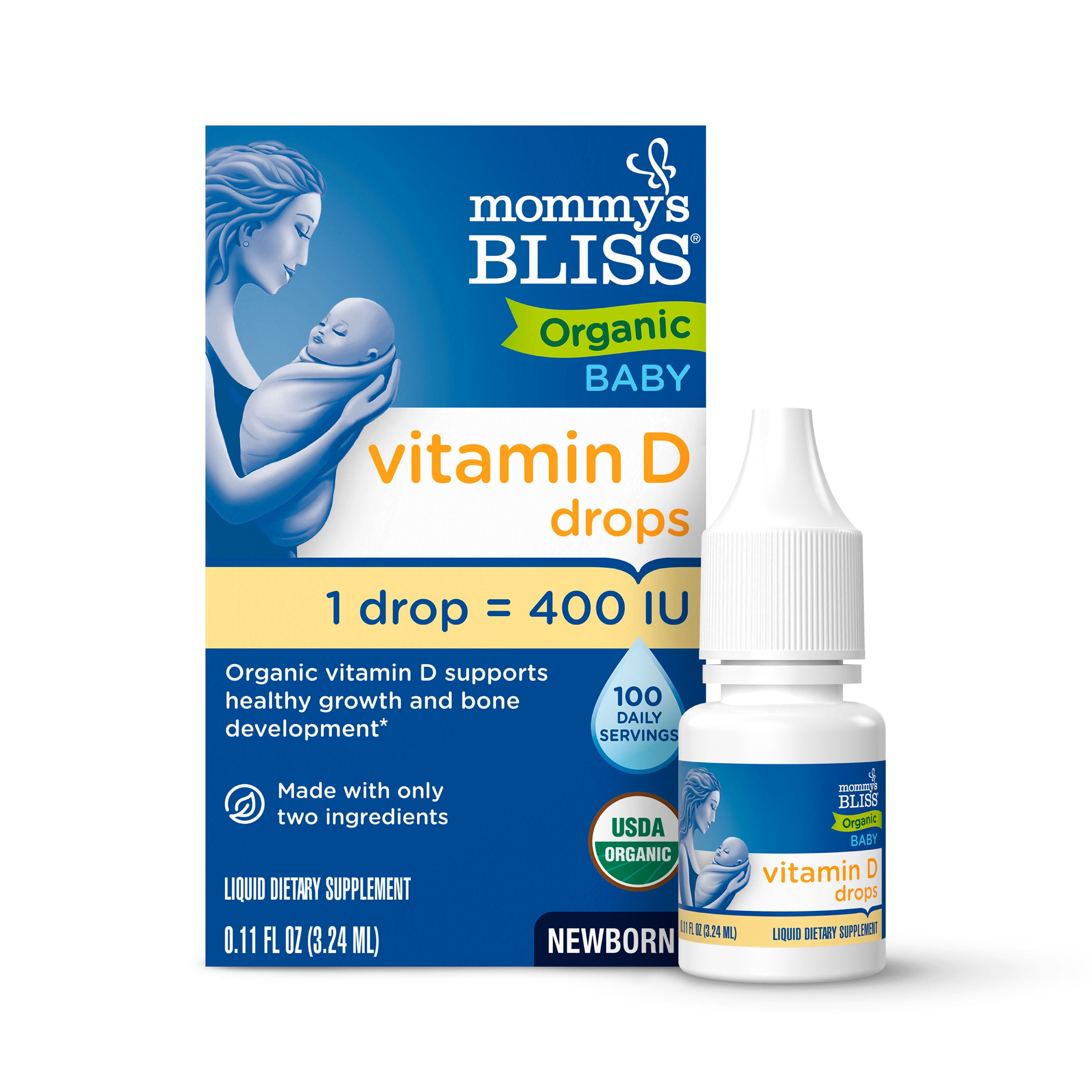
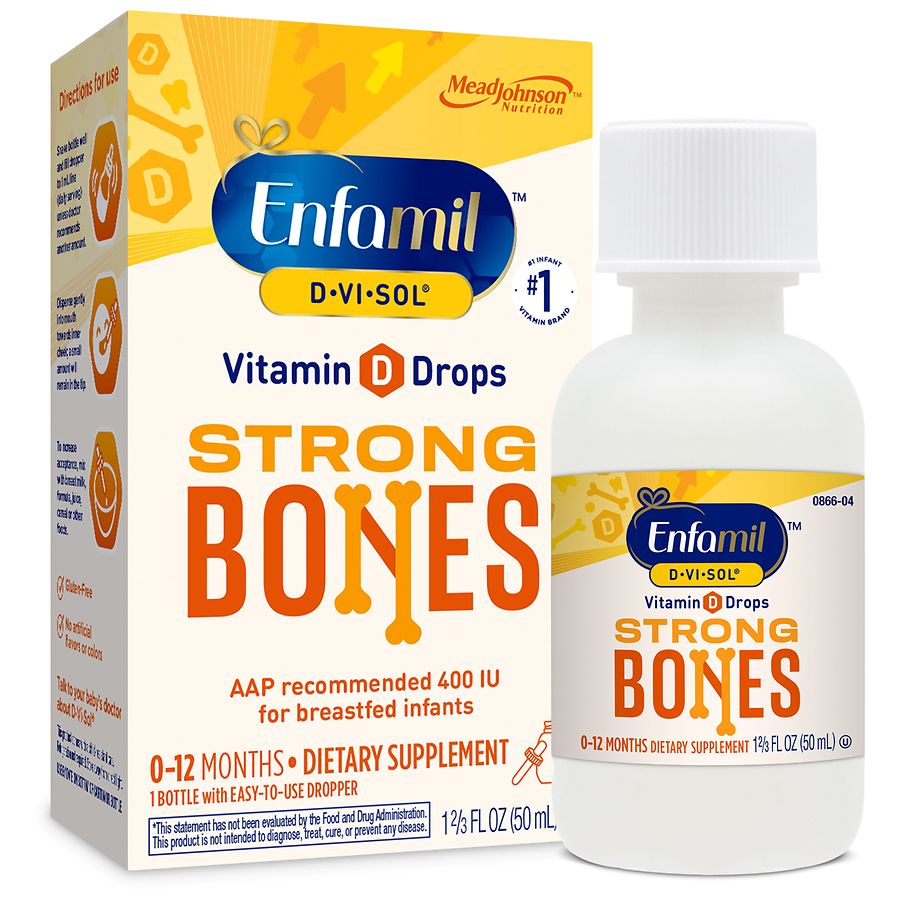
Vitamin D drops are a simple way to give babies extra vitamin D. Doctors often recommend these for breastfed infants. Supplements ensure babies get enough vitamin D every day. Always follow the doctor’s advice on dosage and use.
Recommended Dosage
Vitamin D is vital for newborns to build strong bones and a healthy immune system. The right amount supports growth and protects against illnesses. Knowing the recommended dosage helps parents keep babies safe and healthy. This section explains the guidelines for different ages, signs of deficiency, and risks of overdose.
Guidelines For Different Ages
Newborns need 400 IU of vitamin D daily. This amount is safe and effective. Breastfed babies usually need supplements. Formula-fed babies get some vitamin D from formula but may still need extra. After six months, the dosage stays the same unless a doctor advises otherwise. Always follow your pediatrician’s advice on supplements.
Signs Of Deficiency
Weak muscles and delayed growth may signal vitamin D deficiency. Babies might cry a lot or seem tired. Soft bones can cause bone pain or deformities. If you notice these signs, consult a doctor quickly. Early detection helps avoid serious health problems.
Risks Of Overdose
Too much vitamin D can harm your baby. It may cause nausea, vomiting, or poor appetite. High doses can lead to calcium buildup in the blood. This condition can damage the heart and kidneys. Always measure supplements carefully and do not exceed the recommended dose.
Administering Vitamin D Safely
Giving vitamin D to your newborn is important but must be done with care. Proper administration helps keep your baby healthy and safe. Follow simple steps to give the right amount and avoid risks.
Choosing The Right Supplement
Select a vitamin D supplement made for infants. Check the label for the correct strength. Drops are easy to use and fit well with feeding. Avoid adult supplements or unknown brands. Consult your pediatrician before starting any supplement.
Proper Dosage Techniques
Use the dropper that comes with the supplement. Measure the dose exactly as the doctor advises. Give the drops directly into your baby’s mouth or mix with a small amount of milk. Never exceed the recommended dose. Keep supplements out of reach of children.
Monitoring Your Baby’s Response
Watch for signs of discomfort or allergic reactions. Some babies may spit up or refuse the drops. Keep track of your baby’s feeding and behavior. If you notice unusual symptoms, contact your pediatrician. Regular check-ups help ensure vitamin D is working well.
Common Concerns And Myths
Parents often worry about vitamin D for their newborns. Many myths and questions surround its use. Clearing up these doubts helps make the right choices for baby’s health.
Vitamin D And Jaundice
Some parents think vitamin D causes jaundice in babies. Jaundice happens when there is too much bilirubin in the blood. Vitamin D does not increase bilirubin levels. It is safe to give vitamin D to babies with mild jaundice. Always check with the doctor before starting supplements.
Sunlight Safety For Newborns
Sunlight helps the body produce vitamin D naturally. Newborns have very sensitive skin. Direct sunlight can harm their skin quickly. Short, indirect sun exposure is best for babies. Use protective clothing and shade when outside. Never let a newborn stay in the sun too long.
Supplement Timing And Frequency
Vitamin D supplements usually start soon after birth. Doctors often recommend a daily dose. Giving vitamin D once or twice a week is less common. Follow the doctor’s advice on timing and amount. Do not give extra vitamin D without medical guidance.
Expert Tips For Parents
Parents want the best for their newborns, especially in health. Vitamin D plays a key role in bone growth and immune health. It is important to know how to provide the right amount safely. Below are expert tips to help parents manage vitamin D for their little ones.
Balancing Sun Exposure
Sunlight is a natural source of vitamin D. Short periods outside can help newborns absorb vitamin D. Aim for 10 to 15 minutes of sun, two or three times a week. Use shade and clothing to protect the baby’s skin. Avoid direct sun during peak hours between 10 a.m. and 4 p.m. Too much sun can cause skin damage. Balance is key for safe vitamin D from the sun.
Incorporating Vitamin D Into Daily Routine
Vitamin D can also come from food and supplements. Breast milk may not have enough vitamin D for newborns. Pediatricians often recommend daily vitamin D drops. These drops are easy to give and safe for babies. Include vitamin D-rich foods once the baby starts eating solids. Foods like egg yolks and fortified cereals help maintain good levels. Consistency matters for daily vitamin D intake.
When To Consult A Pediatrician
Talk to a pediatrician if unsure about vitamin D needs. Some babies may need special care or higher doses. Signs of vitamin D deficiency include weak bones or delayed growth. A doctor can test vitamin D levels if needed. They provide the best advice on supplements and sun exposure. Early guidance helps prevent health problems related to vitamin D.
Frequently Asked Questions
Why Is Vitamin D Important For Newborns?
Vitamin D supports newborns’ bone growth and immune health. It helps prevent rickets, a bone-softening disease. Newborns get limited vitamin D from breast milk alone. Supplementation ensures they receive enough for proper development and overall health.
How Much Vitamin D Should Newborns Receive Daily?
Newborns typically need 400 IU of vitamin D daily. This amount supports healthy bone formation and immune function. Pediatricians often recommend vitamin D drops for breastfed babies. Always consult a healthcare provider before starting supplements.
When Should Vitamin D Supplements Start For Newborns?
Vitamin D supplements usually begin within the first few days after birth. Early supplementation prevents deficiency and supports growth. For breastfed infants, daily vitamin D is essential. Formula-fed babies may need less, depending on formula content.
Can Newborns Get Vitamin D From Sunlight Safely?
Newborns should avoid direct sunlight due to sensitive skin. Limited sun exposure may provide vitamin D but risks skin damage. Supplementation remains the safest method to ensure adequate vitamin D levels in newborns.
Conclusion
Vitamin D plays a key role in a newborn’s health and growth. It helps build strong bones and supports the immune system. Babies often need extra vitamin D since breast milk may not provide enough. Giving the right amount keeps your child safe from deficiencies.
Talk to your doctor about the best way to provide vitamin D. Small steps today can help your baby stay healthy tomorrow. Keep vitamin D in mind for your newborn’s well-being.