Your newborn’s health is your top priority, and boosting their immunity is one of the best ways to protect them. Imagine giving your baby a strong shield against common illnesses right from the start.
You might wonder how to do this safely and effectively. This article will guide you step-by-step, sharing simple and proven tips to help strengthen your baby’s natural defenses. Keep reading to discover easy actions you can take today to keep your little one healthy and thriving.
Why Newborn Immunity Matters
Newborn immunity plays a key role in keeping babies safe from infections. At birth, a baby’s immune system is still developing. This makes them more vulnerable to germs and illnesses. Strong immunity helps newborns fight off bacteria and viruses. It supports healthy growth and development during the first months of life.
Understanding why newborn immunity matters helps parents and caregivers take better care of babies. It guides choices about nutrition, environment, and medical care. Building a strong immune system early can reduce health risks later.
What Is Newborn Immunity?
Newborn immunity means the body’s natural defense against sickness. Babies get some protection from their mother before birth. This protection is called passive immunity. It helps shield newborns from certain infections during the first weeks.
Why Newborns Are More Vulnerable
Newborns have an immature immune system. Their bodies do not yet make enough antibodies. This lowers their ability to fight germs. Babies breathe and eat a lot, increasing exposure to infections. Their skin and mucous membranes are also delicate and thin.
How Immunity Affects Baby’s Health
Good immunity reduces the chance of serious illness. It helps babies recover faster from common infections. Strong immune defenses support healthy organ function and brain growth. Poor immunity can lead to repeated infections and hospital visits.
Key Factors Influencing Newborn Immunity
Newborn immunity depends on several key factors. These factors shape how well a baby can fight infections early in life. Understanding them helps parents and caregivers support a baby’s health.
Role Of Genetics
Genetics play a big role in a newborn’s immune system. Some immune traits pass from parents to children. These traits influence how the body responds to germs. Strong genetic factors can protect babies from certain illnesses.
Impact Of Prenatal Care
Prenatal care affects a baby’s immunity before birth. Good nutrition and regular doctor visits help the baby grow strong. Vaccines and treatments during pregnancy also boost immunity. Proper prenatal care reduces risks of infections in newborns.
Environmental Influences
The environment around a baby affects immunity. Clean air, safe water, and less exposure to germs help. Family habits like hand washing matter a lot. A healthy environment supports the immune system’s development in newborns.
Nutrition For Immune Support
Nutrition plays a key role in building a newborn’s immune system. Proper feeding supports the baby’s natural defenses. It helps protect against infections and illnesses. Giving the right nutrients sets a strong foundation for health.
Newborns rely mostly on nutrition from milk. This provides important substances that boost immunity. Understanding what and when to feed helps parents care for their baby better.
Benefits Of Breastfeeding
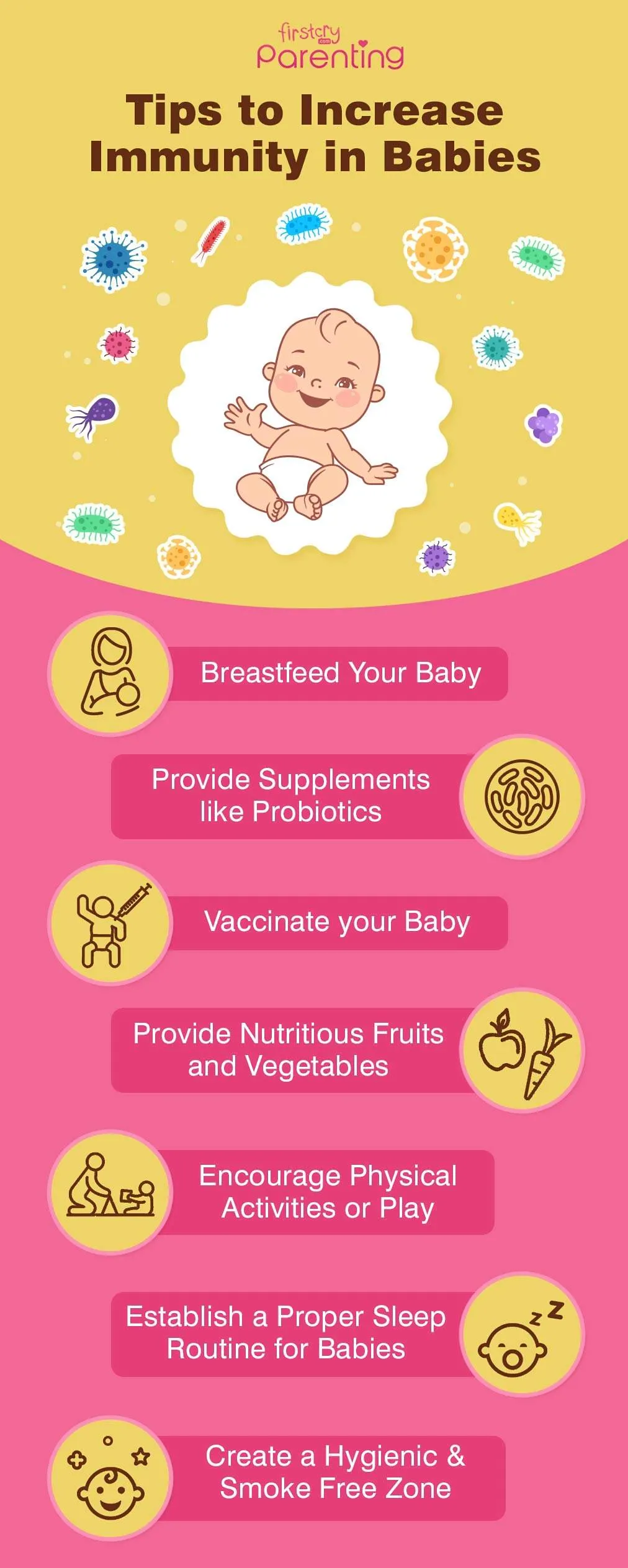
Breastfeeding offers many immune benefits for newborns. Mother’s milk contains antibodies that fight germs. These antibodies pass from mother to baby directly. Breast milk also has special proteins and enzymes. They reduce infections and help the baby’s gut develop well.
Breastfeeding lowers risks of allergies and asthma. It supports healthy growth and brain development too. The natural nutrients in breast milk adapt as the baby grows. This makes it the best food for immune support.
Essential Nutrients For Immunity
Certain nutrients are vital for a newborn’s immune system. Vitamin A helps keep skin and tissues strong. Vitamin C supports white blood cells that fight infections. Zinc is important for healing and cell growth. Iron helps carry oxygen to cells and supports immunity.
These nutrients come from breast milk or formula. A balanced diet in breastfeeding mothers improves milk quality. For formula-fed babies, fortified formulas supply these nutrients. Early nutrition sets the stage for lifelong health.
When To Introduce Supplements
Supplements may be needed if nutrition is not enough. Doctors recommend vitamin D drops soon after birth. This helps bone growth and immune function. Iron supplements might be advised for some babies at risk of anemia.
Introducing supplements depends on the baby’s health and diet. Parents should follow pediatric advice carefully. Overuse of supplements can cause problems. Proper timing ensures safe and effective immune support.
Safe Hygiene Practices
Safe hygiene practices protect newborns from germs and infections. Newborns have weak immune systems. Cleanliness helps keep them healthy. Simple steps can reduce the risk of illness.
Parents and caregivers play a big role. Keeping hands and baby items clean is key. Also, controlling who meets the baby limits exposure to sickness.
Handwashing Techniques
Wash hands with warm water and soap. Rub hands together for at least 20 seconds. Clean between fingers and under nails. Dry hands with a clean towel or air dry. Wash hands before holding the baby. Also, wash after diaper changes and using the bathroom.
Sanitizing Baby Items
Clean bottles, pacifiers, and toys often. Use warm soapy water or a baby-safe disinfectant. Rinse items well after washing. Sterilize feeding bottles regularly. Avoid harsh chemicals that can harm the baby. Keep items in a clean, dry place.
Limiting Exposure To Illness
Limit visitors during the first few weeks. Ask sick people to stay away. Avoid crowded places with the baby. Make sure anyone who holds the baby washes hands first. Keep the baby’s environment clean. This reduces the chance of catching germs.
Vaccinations And Immunization Schedule
Vaccinations protect newborns from serious illnesses. They help build strong immunity early in life. Following the right schedule is key to keeping babies safe and healthy.
Core Vaccines For Newborns
Newborns receive vaccines that protect against many infections. These include hepatitis B, polio, and diphtheria. Other important vaccines prevent tetanus, whooping cough, and Hib disease. Each vaccine targets a specific germ that can cause severe illness.
Timing And Importance
Vaccines are given at set times to work best. The first dose often comes at birth or within weeks. Later doses boost protection as the baby grows. Sticking to the schedule helps keep immunity strong. Delays can leave babies open to infections.
Addressing Common Concerns
Parents worry about vaccine safety and side effects. Most reactions are mild and short-lived, like a sore arm. Vaccines undergo strict testing before use. Experts confirm their safety and effectiveness. Protecting newborns through vaccination saves lives and prevents illness.
Promoting Healthy Sleep Patterns
Healthy sleep is key for a newborn’s strong immune system. Sleep helps the body rest and repair. It supports brain growth and fights infections. Promoting good sleep patterns early helps babies stay healthy and happy.
Sleep’s Role In Immunity
Sleep boosts the body’s defense against germs. During deep sleep, the body makes infection-fighting cells. It also reduces stress hormones that weaken immunity. Babies who sleep well heal faster and get sick less often.
Creating A Sleep-friendly Environment
Keep the baby’s room quiet and dark. Soft lighting helps signal bedtime. Keep the temperature cool, not hot. Use a firm mattress without toys or pillows. These steps make sleep safe and peaceful for babies.
Establishing Consistent Routines
Follow the same bedtime steps every night. Bath time, feeding, and lullabies can calm your baby. Regular routines help babies feel secure and ready to sleep. Consistency helps their body clock and improves sleep quality.
Managing Stress And Comfort
Managing stress and comfort plays a key role in boosting a newborn’s immunity. Stress can weaken their tiny immune system. Comfort helps them feel safe and calm. Parents who notice signs of stress can act fast to help their baby relax. This care supports the baby’s health and growth.
Recognizing Newborn Stress Signs
Newborns show stress in simple ways. Crying more than usual is one sign. A baby might also look tense or have stiff movements. Changes in sleep patterns can signal stress too. Watch for rapid breathing or fussiness. Recognizing these signs early helps parents respond quickly.
Soothing Techniques
Calm a stressed newborn with gentle actions. Rocking slowly and softly can soothe. Swaddling wraps the baby like a warm hug. Soft, low voices provide comfort and calm. A pacifier can also help reduce stress. These small actions ease tension and support immunity.
Parental Emotional Support
Parents’ calm presence helps babies feel safe. Holding your baby close builds trust and peace. Speaking softly and smiling reassures them. Babies sense their parents’ emotions deeply. When parents stay relaxed, babies stay calm. This emotional bond strengthens the baby’s immune system.
When To Seek Medical Advice
Knowing when to seek medical advice is key to protecting your newborn’s health. Babies have developing immune systems. They can get sick quickly. Early action helps prevent serious problems.
Parents should watch for signs that need a doctor’s attention. Regular checkups keep track of your baby’s growth and immune health. Emergencies require fast response to keep your baby safe.
Symptoms Of Immune Challenges
Look for unusual symptoms in your newborn. Persistent fever over 100.4°F (38°C) is a warning sign. Constant fussiness or lethargy may signal illness. Difficulty breathing or bluish skin needs urgent care. Poor feeding or vomiting can mean infection. Swelling or redness around the umbilical area also needs a doctor.
Regular Health Checkups
Schedule visits with your pediatrician on time. Doctors check your baby’s growth and immune status. Vaccinations protect against many serious diseases. These visits help catch problems early. Share any concerns or new symptoms during checkups. Regular monitoring supports strong immunity.
Emergency Situations
Call emergency services for severe symptoms. High fever with seizures requires immediate care. Trouble breathing or gasping for air is critical. Unresponsive or very weak babies need urgent attention. Severe dehydration signs like no tears or dry mouth are emergencies. Act fast to keep your newborn safe.

Frequently Asked Questions
How Can Breastfeeding Boost Newborn Immunity?
Breastfeeding provides essential antibodies that protect newborns from infections. It strengthens their immune system naturally. Breast milk contains nutrients and immune factors that support healthy development and reduce illness risk in early life.
What Vitamins Help Improve Newborn Immune Health?
Vitamins A, C, D, and E are vital for newborn immunity. Vitamin D supports immune cell function, while vitamins A and C aid infection defense. These nutrients promote healthy immune responses and overall newborn wellbeing.
When Should Newborns Get Their First Vaccines?
Newborns typically receive initial vaccines within 24 hours to 2 months after birth. Early vaccination protects against serious diseases like hepatitis B and tuberculosis. Vaccination schedules ensure timely immunity development for newborn health.
How Does Skin-to-skin Contact Aid Immunity?
Skin-to-skin contact regulates newborn body temperature and reduces stress. This bonding stimulates immune system development and improves infection resistance. It also promotes breastfeeding, which further strengthens newborn immunity naturally.
Conclusion
Boosting immunity in newborns helps keep them healthy and strong. Simple steps like breastfeeding and good hygiene protect babies well. A balanced diet and regular doctor visits support their growing bodies. Creating a clean, safe environment reduces infection risks. Every small effort counts in building your baby’s defenses.
Stay patient and consistent with these care habits. Your newborn’s health will benefit from your daily attention. Strong immunity means fewer illnesses and happier days ahead. Keep nurturing with love and care—it’s the best gift you can give.