Have you ever wondered how well your newborn can see the world around them? Your baby’s vision is one of the most important senses developing right now, even if it’s not obvious at first.
Early vision checks can spot issues before they become bigger problems, helping your little one grow and explore with confidence. You’ll learn why newborn vision checks matter, what to expect during these exams, and how you can support your baby’s eye health from day one.
Keep reading to discover the simple steps that protect your child’s sight and set the stage for a bright future.
Why Newborn Vision Matters
Newborn vision matters more than many parents realize. Babies start learning about the world through their eyes. Early vision checks help find problems that could affect their growth and learning.
The first months are a critical time for vision development. Detecting issues early can prevent long-term damage. Healthy vision supports brain development and coordination.
Early Detection Of Vision Problems
Newborn vision checks catch problems before symptoms show. Conditions like lazy eye or cataracts can be treated early. Timely care improves the chance of normal sight.
Support For Brain Development
The brain learns to process images from the eyes. Clear vision helps build strong brain connections. Poor eyesight can slow this learning process.
Improved Learning And Motor Skills
Vision affects how babies explore and understand their world. Seeing clearly helps with movement and hand-eye coordination. Good vision makes learning easier and faster.
Signs Of Healthy Vision In Newborns
Newborn vision checks help ensure babies see the world clearly. Healthy vision signs show how well a baby’s eyes work. These signs help parents and doctors know if eyesight develops normally. Observing simple behaviors gives clues about a newborn’s vision health.
Tracking And Focusing
Babies start to follow moving objects with their eyes. They focus on faces or bright toys nearby. Tracking slow movements shows good eye muscle control. It means the baby’s eyes can work together well.
Eye Movement And Coordination
Healthy newborns move both eyes smoothly and equally. Eyes should not drift or cross often. Coordinated movement helps the brain connect images from both eyes. This skill develops quickly in the first weeks.
Response To Light And Colors
Newborns react to light by blinking or looking away. They prefer bright lights and high-contrast colors. These responses show the eyes and brain work as a team. Color recognition grows stronger in the first months.
Common Newborn Eye Issues
Newborns can have several eye issues that need early attention. Detecting these problems early helps protect their vision. Regular newborn vision checks are important. They help find issues before they cause long-term damage.
Blocked Tear Ducts
Blocked tear ducts are common in newborns. Tears cannot drain properly, causing watery eyes. This may lead to mild infections or eye discharge. Usually, this issue clears up on its own. Gentle massage can help open the ducts. Doctors monitor to ensure no serious problems develop.
Congenital Cataracts
Congenital cataracts are clouded areas in the eye lens. They can blur a baby’s vision at birth. Early diagnosis is vital to prevent vision loss. Some cataracts need surgery to restore sight. Doctors check for cataracts during newborn vision exams.
Retinopathy Of Prematurity
Retinopathy of prematurity affects premature babies’ eyes. It causes abnormal blood vessel growth in the retina. This can lead to vision problems or blindness. Premature infants need special eye screenings. Early treatment can reduce serious damage.
Vision Screening Techniques
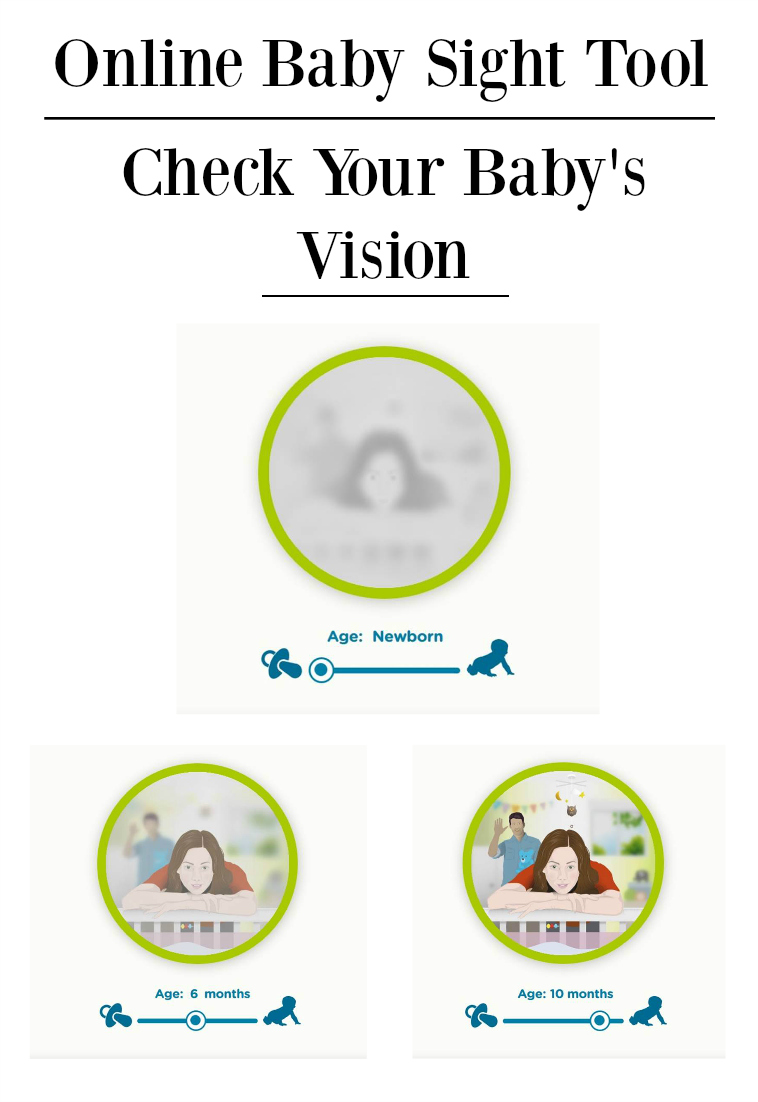
Newborn vision checks use simple tests to spot early eye problems. These checks help doctors ensure babies see well as they grow. Early detection of vision issues can prevent future complications.
Doctors use different techniques to examine a baby’s eyes. These methods are quick and painless. They give clear information about the baby’s eye health and vision.
Red Reflex Test
The red reflex test checks the reflection in the baby’s eyes. A bright light shines into each eye to see the red glow. This glow shows if the eye is clear inside. A missing or white reflex may signal problems like cataracts.
Pupil Response Check
Doctors watch how the pupils react to light. The pupils should get smaller when light shines on them. This response shows the nerves and muscles work well. Slow or no reaction can indicate eye or brain issues.
Eye Alignment Assessment
This test checks if both eyes point in the same direction. Doctors observe the baby’s eyes as they focus on an object. Misalignment may cause lazy eye or other vision problems. Early treatment helps improve eye coordination.
When To Seek Specialist Care
Newborn vision checks are important for healthy eye development. Sometimes, specialist care is needed to address concerns early. Knowing when to seek expert help can protect your baby’s sight. Prompt action helps prevent long-term vision problems.
Warning Signs To Watch
Watch for unusual eye movements or constant tearing. A white spot in the pupil is a sign to act. Your baby may avoid eye contact or not follow objects. Redness or swelling around the eyes needs attention. Early signs can be subtle but must not be ignored.
Referral To Pediatric Ophthalmologist
Doctors refer your baby to a pediatric ophthalmologist for detailed eye exams. Specialists check for conditions like cataracts or glaucoma. They use gentle tests suited for newborns. Early treatment improves vision outcomes. Trust the specialist’s advice for follow-up care and monitoring.

Tips For Supporting Newborn Eye Health
Supporting your newborn’s eye health is important from the very start. Healthy eyes help babies explore the world around them. Simple steps can protect and improve their vision. These tips focus on keeping your baby’s eyes safe and comfortable.
Safe Eye Hygiene
Cleanliness protects your baby’s eyes from infections. Use a soft cloth and warm water to gently wipe their eyelids. Always wipe from the inner corner outward. Wash your hands before touching your baby’s face. Avoid using harsh soaps or chemicals near their eyes. Keep objects like toys and blankets clean to reduce germs.
Optimal Lighting And Environment
Bright light can hurt delicate newborn eyes. Use soft, natural light in rooms. Avoid shining lights directly into their eyes. Create a calm space with dim lighting during sleep times. Avoid screens and bright devices near your baby. A comfortable environment helps their eyes rest and grow properly.
Regular Pediatric Checkups
Doctors check your baby’s vision and eye health regularly. These visits catch problems early. Follow the schedule for well-baby visits. Tell the doctor if you notice unusual eye movements or redness. Early care helps prevent long-term vision issues. Trust your pediatrician to guide you on eye health.
Frequently Asked Questions
What Is A Newborn Vision Check?
A newborn vision check assesses a baby’s eye health and sight ability. It helps detect early issues like cataracts or retinal problems. Early detection ensures timely treatment to support healthy vision development.
When Should Newborn Vision Checks Be Done?
Newborn vision checks are usually done within the first few days after birth. Follow-up exams may occur during routine pediatric visits. Early checks help identify any vision concerns promptly.
Why Are Newborn Vision Checks Important?
These checks detect eye problems that could affect vision development. Early diagnosis allows for treatments that can prevent long-term vision loss. They support overall healthy growth and learning in babies.
What Signs Indicate Vision Problems In Newborns?
Signs include unusual eye movements, lack of eye contact, or poor focus. Excessive tearing or eye discharge may also signal issues. Regular screenings help catch these signs early.
Conclusion
Newborn vision checks help catch eye problems early. Early care can protect your baby’s sight. Regular checks give peace of mind to parents. These simple tests support healthy eye growth. Don’t wait to ask your doctor about checks. Healthy vision starts with early attention and care.
Keep your baby’s eyes bright and strong. Simple steps today can prevent issues tomorrow. Stay informed and watch your baby’s vision closely. Small efforts make a big difference in eye health.