If you’re dealing with flaky, crusty patches on your baby’s scalp, you’re not alone. Cradle cap is common, but it can still feel frustrating and confusing.
The good news is, managing cradle cap doesn’t have to be hard. With the right steps, you can soothe your baby’s skin and keep their scalp healthy. This guide will walk you through simple, effective ways to handle cradle cap, so you can feel confident and calm while caring for your little one.
Keep reading to discover how easy it can be to manage cradle cap and bring relief to your baby’s scalp.
What Causes Cradle Cap
Understanding what causes cradle cap helps in managing it effectively. This common condition appears as scaly patches on a baby’s scalp. It can look worrying but is usually harmless. Knowing the causes can ease concerns and guide proper care.
Common Triggers
Cradle cap often starts in the first few weeks of life. Some babies develop it due to natural skin sensitivity. Dry skin or irritation can trigger the formation of scales. It may also appear if the scalp is not cleaned gently.
Role Of Skin Oils
The skin produces oils called sebum to protect and moisturize. In babies with cradle cap, these oils build up excessively. This excess oil causes dead skin cells to stick together. The clumps form the thick, crusty patches seen on the scalp.
Impact Of Yeast
A type of yeast called Malassezia lives on the skin naturally. Sometimes, this yeast grows too much on a baby’s scalp. The overgrowth can worsen cradle cap by increasing skin inflammation. Controlling yeast growth helps reduce the severity of the condition.

Recognizing Cradle Cap
Recognizing cradle cap early helps manage it well. This condition is common in babies. It does not hurt or itch. Knowing the signs helps parents care for their child better.
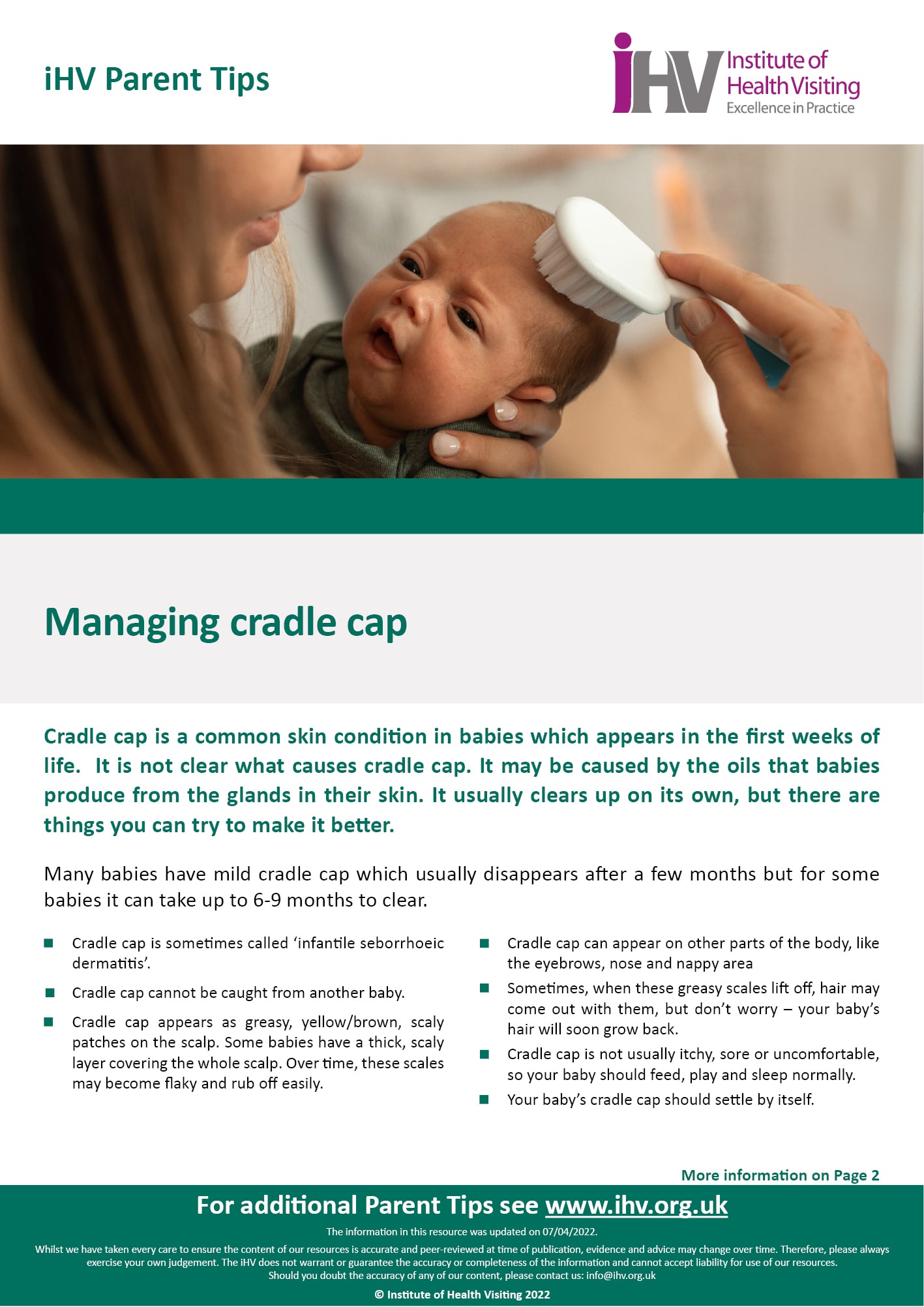
Cradle cap appears as flaky or scaly skin on the scalp. It may look yellow or white. The scales can be thick or thin. Understanding these signs is the first step in treatment.
Typical Symptoms
Look for patches of greasy or dry scales on the scalp. The skin may be red underneath. Scales can stick to hair strands. Babies usually do not show discomfort. The patches may spread slowly over time.
Areas Affected
The scalp is the most common spot. Cradle cap can also appear on eyebrows. Some babies get it on the face or behind ears. It rarely shows on other body parts. The condition stays mostly near the head.
When To See A Doctor
See a doctor if the scalp is very red or swollen. Seek help if there is bleeding or oozing. If the baby seems uncomfortable or itchy, get advice. A doctor can rule out infections. Persistent or worsening cradle cap needs medical care.
Daily Care Routine
Managing cradle cap requires a gentle daily care routine. This routine helps keep your baby’s scalp clean and comfortable. Consistency is key for softening and removing flakes without irritation.
Simple steps done every day make a big difference. Focus on washing gently, picking the right shampoo, and brushing carefully. These actions protect your baby’s delicate skin and reduce cradle cap buildup.
Gentle Washing Techniques
Use lukewarm water to wash your baby’s scalp. Avoid hot water that can dry the skin. Apply water softly with your hand or a soft cloth. Do not scrub or rub hard. Let the water loosen the flakes naturally.
Choosing The Right Shampoo
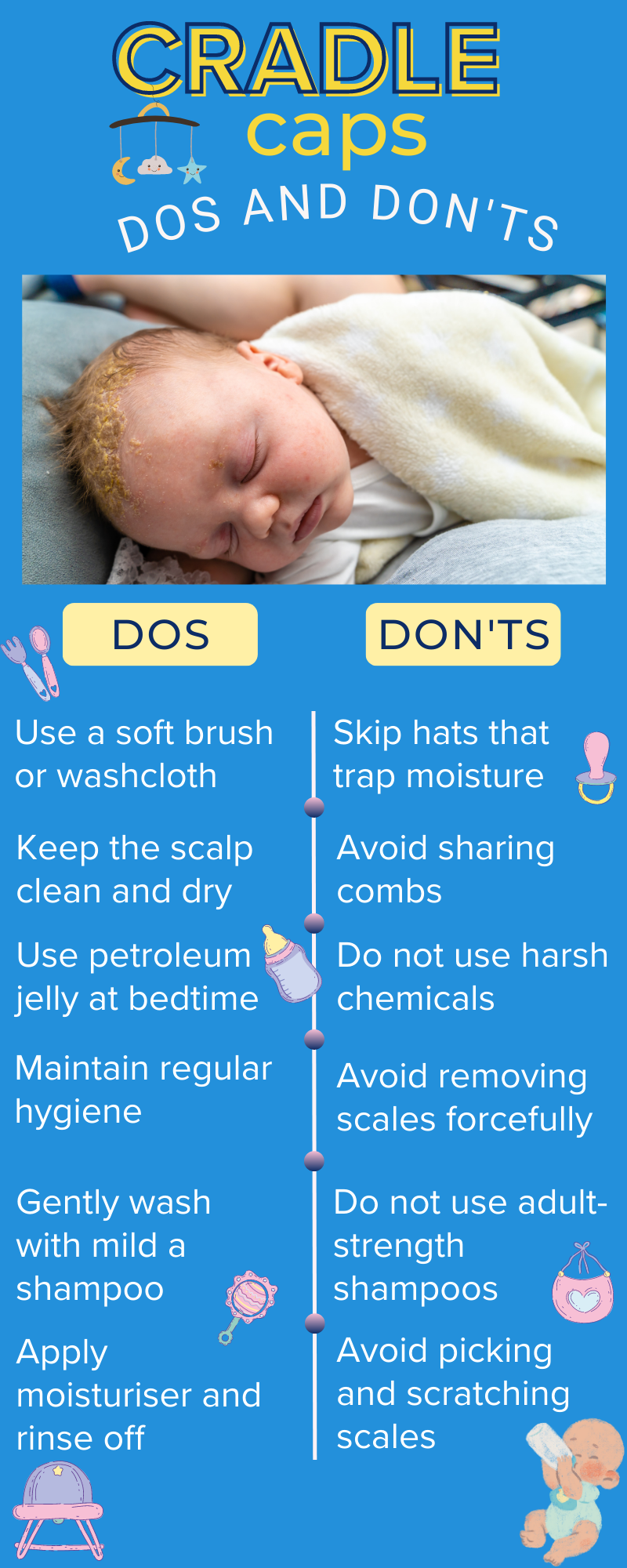
Pick a mild baby shampoo without harsh chemicals. Look for products labeled gentle or for sensitive skin. Avoid shampoos with strong fragrances or dyes. Use shampoo only a few times per week. Overwashing can dry the scalp and worsen cradle cap.
Brushing Tips
Use a soft baby brush or comb with wide teeth. Brush the scalp gently after washing. This helps remove loose flakes without hurting the skin. Brush in small, light strokes. Stop if your baby shows discomfort or redness.
Home Remedies To Try
Cradle cap can be uncomfortable for babies and worrying for parents. Home remedies offer gentle ways to manage this common condition. These remedies help soothe the scalp and reduce the flaky patches. They are simple and use items you likely have at home.
Natural Oils
Natural oils like coconut oil and olive oil soften dry patches. Apply a small amount to the scalp. Let it sit for 15 minutes. This loosens the scales and makes them easier to remove. Oils also help keep the scalp moisturized. Use a soft cloth or baby brush to gently remove flakes after oil treatment.
Softening The Scales
Use warm water and a mild baby shampoo to soften the scales. Avoid harsh soaps that dry the skin. Gently massage the scalp with fingers or a soft brush. This helps lift the flakes without hurting the baby. Repeat this routine a few times a week to keep the scalp clean and calm.
Avoiding Irritants
Choose gentle, fragrance-free products for your baby’s skin. Avoid tight hats or headbands that can irritate the scalp. Keep the baby’s scalp dry and clean. Limit exposure to cold wind or strong sunlight. These steps reduce irritation and help cradle cap heal faster.
When To Use Medications
Medications for cradle cap help control the condition when simple care is not enough. Use medicines carefully to avoid skin irritation. Knowing which treatments to try can ease symptoms quickly and safely.
Over-the-counter Options
Many gentle creams and shampoos are available without a prescription. These products often contain ingredients like salicylic acid or zinc pyrithione. They help loosen scales and reduce redness. Use them as directed on the package. These options are good for mild to moderate cradle cap cases.
Prescription Treatments
Doctors may prescribe stronger creams or shampoos for severe cases. These might include antifungal or steroid medications. Prescription treatments work faster and target the root cause. Use them only under medical advice. Follow the full course to prevent return of symptoms.
Safety Precautions
Always test new products on a small skin area first. Stop use if irritation or rash appears. Keep medications away from eyes and mouth. Do not use adult treatments on babies without doctor approval. Consult a healthcare provider if symptoms worsen or last more than two weeks.
Preventing Future Flare-ups
Preventing future flare-ups of cradle cap helps keep your baby’s scalp comfortable. Simple daily habits can reduce the chance of return. Focus on gentle care and smart choices to protect the scalp.
Maintaining Scalp Health
Keep the scalp clean but avoid harsh washing. Use mild baby shampoo two to three times a week. Gently massage the scalp to remove flakes. Avoid scratching or picking at the skin. Moisturize the scalp with natural oils like coconut or olive oil. This helps keep the skin soft and balanced.
Monitoring Environmental Factors
Watch for dry air that can irritate the scalp. Use a humidifier in the baby’s room during winter months. Avoid extreme heat or cold exposure. Dress the baby in soft, breathable fabrics to prevent irritation. Keep the sleeping area clean and dust-free. These small steps help protect sensitive skin.
Adjusting Skincare Products
Choose skincare products made for sensitive skin. Avoid lotions or soaps with strong fragrances or chemicals. Test new products on a small skin patch first. Stop using any product that causes redness or discomfort. Stick to gentle formulas to avoid irritation and flare-ups.
Frequently Asked Questions
What Causes Cradle Cap In Babies?
Cradle cap is caused by overactive oil glands and yeast on a baby’s scalp. It is not contagious or harmful. Hormonal changes and genetics may also play a role.
How Can I Treat Cradle Cap Safely?
Gently wash the baby’s scalp with mild shampoo daily. Use a soft brush to loosen flakes. Apply natural oils like coconut oil before washing to soften scales.
When Should I See A Doctor For Cradle Cap?
Consult a doctor if cradle cap worsens, spreads, or causes discomfort. Seek medical advice if redness, swelling, or infection signs appear. Persistent cases may need medicated treatments.
Can Cradle Cap Affect Other Body Parts?
Yes, cradle cap can appear on eyebrows, behind ears, and skin folds. These areas may develop similar flaky, oily patches but usually clear up with gentle care.
Conclusion
Managing cradle cap needs patience and gentle care. Use soft brushes and mild shampoos daily. Keep your baby’s scalp clean and moisturized. Avoid harsh products that can cause irritation. Watch for signs of infection or discomfort. Consult a doctor if the condition worsens.
Most cases clear up without medical treatment. Small steps help your baby feel comfortable again. Consistency is key to effective cradle cap care.