Keeping your newborn’s temperature just right is one of the most important things you can do for their health. You might wonder why it matters so much or worry about how to check it properly without causing stress to your baby.
This guide will help you understand why monitoring your newborn’s temperature is crucial, how to do it easily at home, and what signs to watch for that might need medical attention. By the time you finish reading, you’ll feel confident and prepared to keep your little one safe and comfortable every day.
Let’s dive in and make sure you have the knowledge you need to protect your newborn’s well-being.
Why Temperature Matters
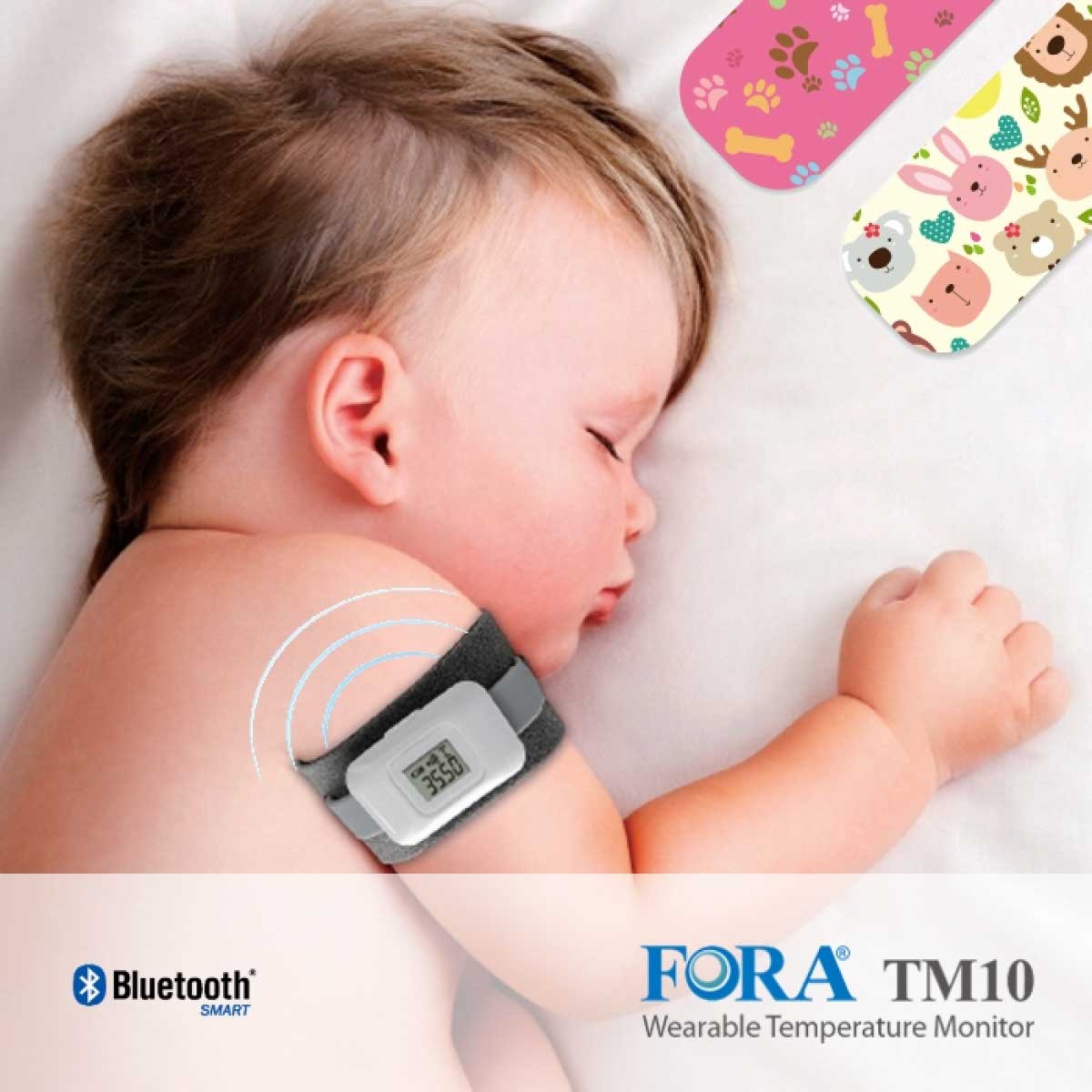
Newborns cannot control their body temperature well. Their small bodies lose heat quickly or get too warm fast. Keeping the right temperature helps babies stay healthy and safe. It supports their growth and stops illness.
Risks Of Improper Temperature
Too cold or too hot can harm a baby. Low temperature may cause breathing problems and slow heartbeat. High temperature can lead to dehydration or fever. Both conditions need quick attention to avoid serious health issues.
Normal Temperature Range
The healthy temperature for newborns is usually between 36.5°C and 37.5°C (97.7°F to 99.5°F). Use a digital thermometer to check. Take the reading from the baby’s armpit for best results. Regular checks help spot any changes early.
Choosing The Right Thermometer
Choosing the right thermometer for your newborn is important. Newborns cannot tell you if they feel hot or cold. A good thermometer helps you check their temperature easily and safely. Picking the right type can make the process quick and stress-free.
Types Of Thermometers
There are several types of thermometers for babies. Digital thermometers are common and easy to use. They can be used under the arm or in the mouth. Ear thermometers measure temperature inside the ear canal. Forehead thermometers scan the skin on the forehead. Glass mercury thermometers are less common now because they can break easily.
Pros And Cons Of Each Type
Digital thermometers give quick and accurate readings. They are safe and easy to clean. The downside is they need batteries. Ear thermometers are fast and comfortable. They might not work well if the ear is blocked or small. Forehead thermometers are very gentle and quick. Their readings can be less precise in some cases. Glass mercury thermometers are accurate but can be dangerous if broken. They are not recommended for newborns.
How To Take Accurate Readings
Taking accurate temperature readings is important for monitoring a newborn’s health. Small errors can cause confusion or delay care. Knowing the best spots to measure and following clear steps helps get the right result every time.
Use gentle, steady methods to avoid stressing the baby. Keep the thermometer clean and ready. Check the reading carefully and repeat if unsure. These tips ensure reliable temperature tracking during your baby’s first days.
Preferred Measurement Sites
The best places to check a newborn’s temperature are the forehead, armpit, and rectum. Each site has pros and cons. The rectal method gives the most accurate core temperature but needs care. The armpit is safe and easy but less precise. The forehead is quick and non-invasive but can be affected by sweat or room temperature.
Choose the site based on comfort, age, and advice from your doctor. Always use the right thermometer for the chosen spot to avoid wrong readings.
Step-by-step Guide
Start by washing your hands and preparing the thermometer. Turn it on and check if it works. For rectal readings, place the baby on their back. Use a small amount of lubricant on the tip. Gently insert the thermometer about half an inch. Hold it steady until it beeps or shows the temperature.
For armpit measurements, place the tip in the center of the dry armpit. Close the arm snugly against the body. Wait for the thermometer to signal the end. For forehead checks, sweep the thermometer across the middle of the forehead slowly. Follow your device’s instructions carefully to get an accurate number.

Frequency Of Temperature Checks
Checking a newborn’s temperature regularly helps keep them safe and healthy. Newborns can’t tell us when they feel too hot or cold. Their bodies also change temperature quickly. Parents and caregivers need to know how often to check temperature.
Frequency depends on the baby’s health and environment. Healthy newborns usually need fewer checks. Babies who are sick or in a new environment may need more frequent checks. Monitoring helps catch problems early.
When To Monitor More Often
Check temperature more often if the baby shows signs of illness. Fever or chills mean a temperature check is needed every few hours. Babies born early or with weak immune systems need careful monitoring. Sudden changes in room temperature also require more checks.
During the first days at home, check temperature at least twice daily. If the baby is stable, reduce checks to once daily after a week. More checks help detect infection or fever early. Keep a consistent schedule for accuracy.
Signs To Watch For
Watch for unusual behavior like irritability or lethargy. These can signal temperature problems. Look for sweating, shivering, or cold hands and feet. Skin color changes can also indicate temperature issues.
Refusal to feed or difficulty breathing needs immediate temperature check. A fever above 100.4°F (38°C) is a warning sign. Always trust your instincts and check temperature often if worried.
Keeping Your Newborn Comfortable
Keeping your newborn comfortable is key to their health and happiness. Babies cannot tell you if they are too hot or cold. Watching their temperature helps you keep them cozy and safe. Comfort affects their sleep, feeding, and overall mood. Small changes can make a big difference.
Dressing Appropriately
Dress your baby in soft, breathable clothes. Choose cotton fabrics that allow air to flow. Layer clothes so you can add or remove easily. Avoid heavy blankets or too many layers. Check your baby’s neck or back to see if they feel warm or sweaty. Dress them one layer more than you wear.
Room Temperature Tips
Keep the room temperature between 68 and 72 degrees Fahrenheit (20-22 degrees Celsius). Use a room thermometer to track the temperature. Avoid placing the crib near windows or heaters. Use a fan or air conditioner to keep air moving. Make sure the room is not too dry or too humid. Proper temperature helps your baby sleep well and stay healthy.
When To Seek Medical Help
Knowing when to seek medical help for a newborn’s temperature is very important. Babies cannot tell how they feel. Parents must watch for signs that need urgent care. Acting quickly can protect the baby’s health and comfort.
Fever Thresholds
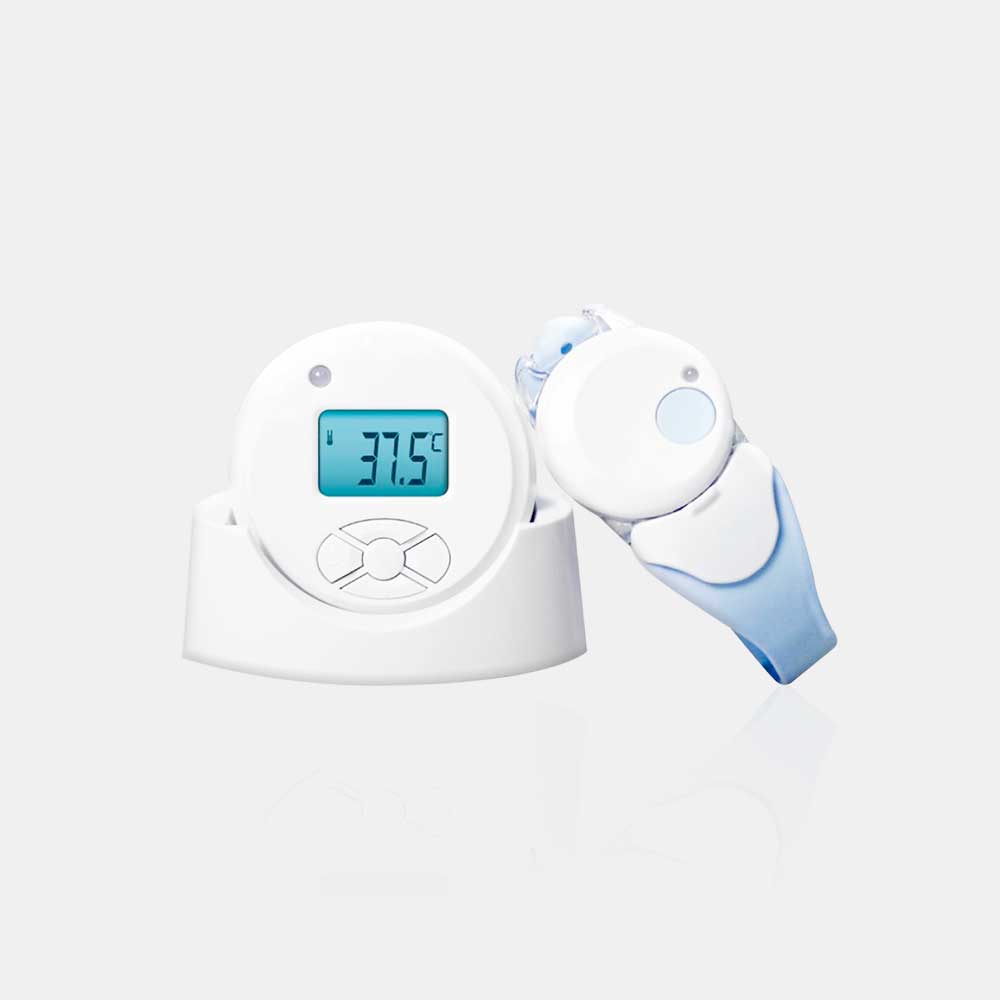
A fever in a newborn is a sign to call a doctor. If the baby’s temperature reaches 100.4°F (38°C) or higher, seek medical help. This is true for babies under three months old. A high fever can mean a serious infection. Do not wait to see if it gets worse.
Other Warning Signs
Look for signs beyond temperature. If the baby is very sleepy and hard to wake, call the doctor. If the baby is breathing fast or has trouble breathing, get help right away. A baby that refuses to eat or has constant crying also needs medical attention. Any skin rash, blue lips, or cold, clammy skin is a warning sign too.
Frequently Asked Questions
What Is The Ideal Temperature For A Newborn Baby?
The ideal temperature for a newborn is between 97. 5°F and 99. 5°F (36. 4°C to 37. 5°C). This range keeps them comfortable and safe, preventing hypothermia or overheating. Regular monitoring ensures their temperature stays within this healthy range.
How Often Should Newborn Temperature Be Checked?
Newborn temperature should be checked every 3 to 4 hours, especially in the first few days. Frequent checks help detect any early signs of infection or temperature irregularities, ensuring timely care and intervention.
What Is The Best Method To Monitor Newborn Temperature?
Digital thermometers, especially rectal or underarm types, are best for accurate newborn temperature readings. They provide quick, reliable results and are safe for delicate skin, making them ideal for regular monitoring at home or in hospitals.
When Should I Call A Doctor For Newborn Temperature?
Call a doctor if the newborn’s temperature is above 100. 4°F (38°C) or below 97. 5°F (36. 4°C). Also, seek medical advice if temperature changes are accompanied by lethargy, feeding problems, or unusual fussiness. Early action is crucial for newborn health.
Conclusion
Keeping a newborn’s temperature steady is very important. Watch for signs that show if your baby feels too hot or cold. Use a good thermometer to check often. Dress your baby in light clothes in warm rooms and add layers if it’s cold.
Taking these small steps helps keep your baby safe and comfy. Always trust your feelings as a parent. A healthy temperature means a happy baby. Stay calm and keep checking regularly. Simple care makes a big difference every day.