Your baby’s delicate skin is precious, and seeing tiny red bumps appear can be worrying. Newborn acne is common, but you might wonder how to care for it without causing irritation.
You want to keep your little one comfortable and safe, but where do you start? This guide will help you understand what newborn acne is, why it happens, and the best ways you can gently care for your baby’s skin.
Keep reading to learn simple, effective steps that will bring you peace of mind and keep your baby’s skin healthy.
What Causes Newborn Acne
Newborn acne is common and usually harmless. Many parents wonder why these tiny red bumps appear on their baby’s skin. Understanding the causes helps in caring for newborn skin gently. Several factors can trigger or worsen acne in newborns.
Hormonal Influences
Newborn acne often happens because of hormones passed from the mother. These hormones stay in the baby’s body after birth. They can cause oil glands to become active early. This leads to blocked pores and small pimples on the skin.
Skin Sensitivity
Baby skin is very delicate and sensitive. It reacts easily to new substances and touch. Sometimes, this sensitivity causes inflammation and acne-like bumps. Harsh soaps or rough fabrics can irritate the skin and make acne worse.
Environmental Factors
Heat and humidity can affect a newborn’s skin. Sweating may clog pores and cause irritation. Exposure to dust or chemicals also harms sensitive skin. Keeping the baby’s face clean and dry helps reduce acne risk.
Identifying Newborn Acne
Newborn acne appears on a baby’s delicate skin shortly after birth. It can cause worry for many parents. Knowing how to spot it helps in giving the right care. This section explains how to identify newborn acne clearly.
Common Symptoms
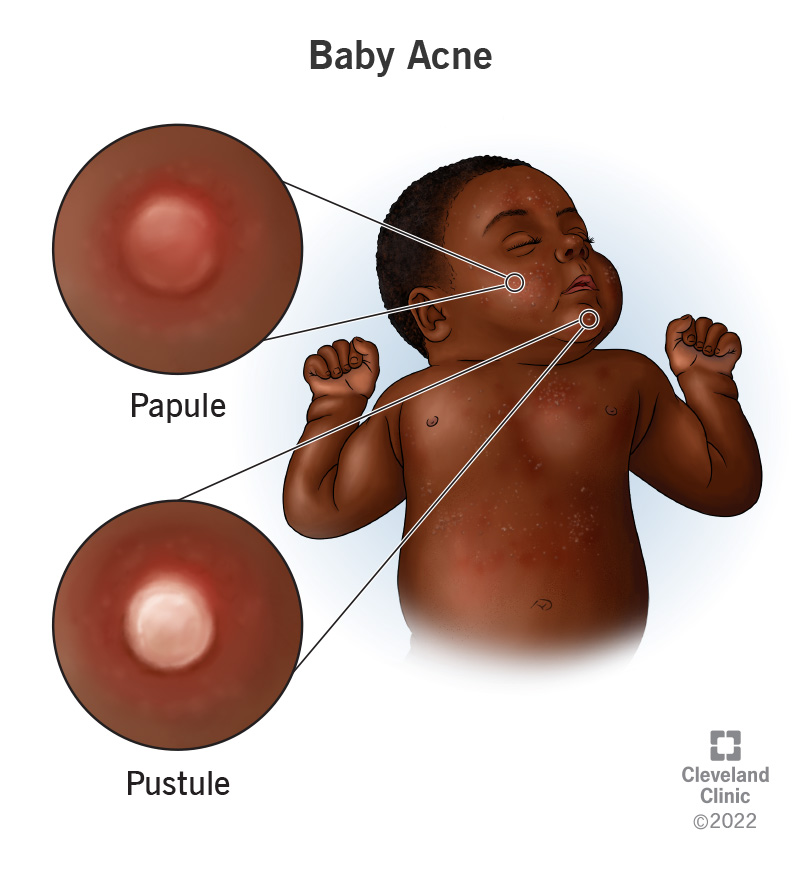
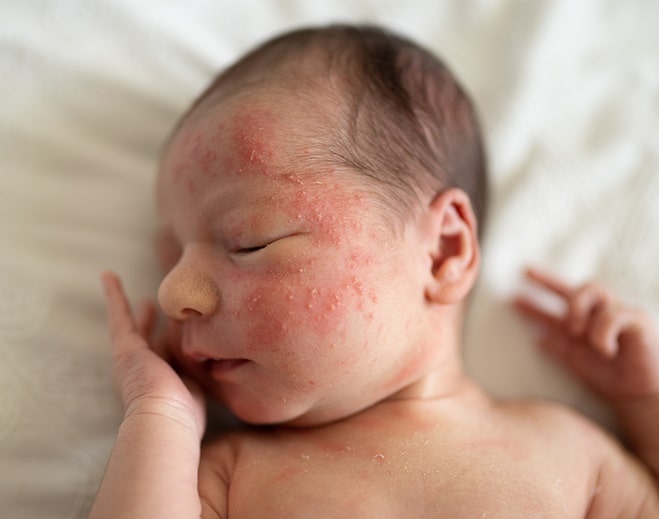
Newborn acne shows as small red or white bumps. These bumps often appear on the cheeks, forehead, and nose. They may look like tiny pimples or rough patches. The skin around these bumps stays normal. The acne usually starts two to four weeks after birth. It does not cause pain or itching to the baby.
Differences From Other Skin Conditions
Newborn acne is different from baby rash or eczema. Baby rash is red and patchy with dry skin. Eczema causes itchy, scaly patches. Newborn acne has small, raised bumps, not dry patches. It also does not spread like some rashes. Knowing these differences helps avoid confusion. This way, parents can care for their baby’s skin properly.
Safe Skin Care Practices
Safe skin care practices help protect your newborn’s delicate skin. Newborn acne is common and usually clears on its own. Gentle care supports healing without causing more irritation.
Choosing the right methods and products keeps your baby comfortable. Small steps make a big difference in skin health.
Gentle Cleansing Techniques
Use lukewarm water and a soft cloth to clean your baby’s face. Wash once a day to avoid drying the skin. Pat dry gently with a clean towel. Avoid scrubbing or rubbing the skin harshly.
Choosing Baby-friendly Products
Pick mild, fragrance-free cleansers made for babies. Look for products with few ingredients. Avoid harsh chemicals and dyes. Test a small skin area before full use. Products labeled hypoallergenic are safer for sensitive skin.
Avoiding Irritants
Keep your baby away from smoke and strong smells. Use soft fabrics for clothing and bedding. Wash new clothes before wearing to remove chemicals. Avoid lotions or creams not recommended by a doctor. Protect skin from extreme heat or cold.
Home Remedies That Help
Newborn acne is common and usually clears up on its own. Gentle care at home can help soothe your baby’s skin. Simple remedies keep the skin clean and calm irritation. These easy steps support natural healing without harsh chemicals.
Using Lukewarm Water
Wash your baby’s face with lukewarm water daily. Hot water can dry out the skin and cause more irritation. Lukewarm water cleans gently and keeps the skin soft. Use a small bowl or your hand to splash water softly.
Soft Cloth Applications
Use a soft, clean cloth to pat the baby’s face dry. Avoid rubbing the skin, which may worsen acne. A gentle touch helps remove dirt and oil without hurting delicate skin. Change the cloth often to keep it fresh and clean.
Natural Moisturizers
Apply natural moisturizers like pure coconut oil or aloe vera gel. These soothe the skin and reduce redness. Use only small amounts and test on a small area first. Natural products keep the skin hydrated and support healing.
When To Consult A Pediatrician
Newborn acne is common and usually harmless. Most cases clear up without treatment. Some situations need a doctor’s attention to avoid complications. Knowing when to consult a pediatrician helps protect your baby’s skin and health.
Signs Of Infection
Watch for redness that spreads beyond the acne area. Swelling or warmth on the skin may signal infection. Pus or fluid that leaks from bumps is a warning sign. Your baby might also have a fever with infected skin. Seek medical advice if any of these occur.
Persistent Or Worsening Acne
Acne lasting more than six weeks needs a doctor’s review. Bumps that increase in number or size are concerning. If acne causes discomfort or changes color, get medical help. A pediatrician can check for underlying issues or allergies. Early care prevents scarring and skin damage.
Treatment Options
Doctors may recommend gentle skin cleansers or creams. Prescription treatments are safe and designed for infants. Avoid using adult acne products on babies. Your pediatrician guides you on proper skincare routines. Follow their advice to support healthy skin healing.

Preventing Future Breakouts
Preventing future breakouts of newborn acne helps keep your baby’s skin clear and healthy. Gentle care and small habits make a big difference. Consistent actions can reduce irritation and avoid flare-ups.
Maintaining Cleanliness
Keep your baby’s face clean by washing it with warm water daily. Use a soft cloth and avoid harsh soaps or scrubbing. Clean skin prevents dirt and oil buildup that can cause acne.
Avoiding Overheating
Keep your baby cool and comfortable. Overheating causes sweating, which can irritate the skin. Dress your baby in light layers and keep the room temperature moderate.
Proper Clothing Choices
Choose soft, breathable fabrics like cotton for your baby’s clothes. Avoid tight clothing that traps heat and moisture. Clean clothes regularly to prevent bacteria from causing skin problems.
Frequently Asked Questions
What Causes Newborn Acne And How Long Does It Last?
Newborn acne is caused by maternal hormones transferred during pregnancy. It usually appears within 2-4 weeks after birth and clears up naturally within 3-4 months without treatment.
How Can I Safely Treat My Baby’s Newborn Acne?
Gentle cleansing with warm water and mild baby soap is best. Avoid harsh scrubbing or creams unless advised by a pediatrician to prevent irritation.
Is Newborn Acne Contagious Or Harmful To My Baby?
Newborn acne is neither contagious nor harmful. It’s a common skin condition that resolves on its own without causing pain or discomfort.
Should I Use Special Products For Newborn Acne Care?
Most newborn acne clears without special products. Use only pediatrician-recommended gentle products to avoid skin irritation or worsening the condition.
Conclusion
Newborn acne is common and usually clears on its own. Gentle care helps your baby’s skin stay healthy. Avoid harsh soaps or scrubbing the skin. Keep your baby’s face clean with warm water. Watch for any signs that need a doctor’s advice.
Patience is key; acne fades with time. Your gentle touch makes a big difference every day. Trust your instincts and enjoy these early moments.