Your newborn’s skin is delicate and precious, but it’s also very sensitive and prone to infections. As a parent, you want to protect your baby from anything that could cause discomfort or harm.
Understanding newborn skin infections is key to keeping your little one safe and healthy. You’ll discover the common signs to watch for, what causes these infections, and simple steps you can take to prevent and treat them. Keep reading to learn how you can care for your baby’s skin the right way and avoid unnecessary worries.
Common Causes
Newborn skin infections happen because of different germs. These germs can be bacteria, viruses, or fungi. Understanding the common causes helps parents and caregivers protect babies from harm. Babies have delicate skin that needs extra care to avoid infections.
Bacterial Infections
Bacteria are tiny germs that can cause skin infections in newborns. Common ones include Staphylococcus and Streptococcus. These bacteria can enter through small cuts or scratches. They cause redness, swelling, and sometimes pus. Prompt treatment is important to stop the infection from spreading.
Viral Infections
Viruses can also infect a newborn’s skin. Herpes simplex virus is a well-known cause. It leads to blisters and sores on the skin. Viral infections often cause fever and fussiness. These infections need medical care to avoid serious problems.
Fungal Infections
Fungi grow in warm, moist places on the skin. Newborns can get fungal infections like diaper rash caused by Candida. These infections cause redness and itching. Keeping the skin dry helps prevent fungal growth. Antifungal creams may be needed to clear the infection.
Risk Factors
Some factors increase the chance of newborn skin infections. Premature babies have weaker skin and immune systems. Poor hygiene and dirty diapers can spread germs. Contact with sick people can also raise the risk. Early care and clean habits lower infection chances.

Recognizing Symptoms
Newborn skin infections need quick attention. Early recognition helps protect your baby’s health. Knowing the signs can guide you to get help fast.
Redness And Swelling
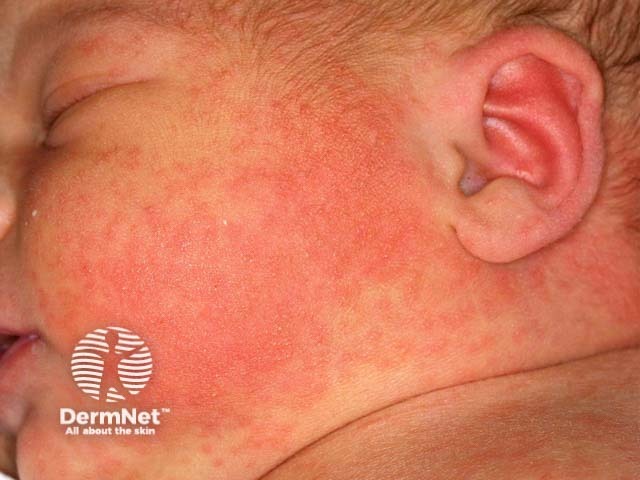
Look for red patches on your baby’s skin. Swelling may appear around the red areas. These signs often indicate infection or irritation. Check for warmth when you touch the skin.
Rashes And Blisters
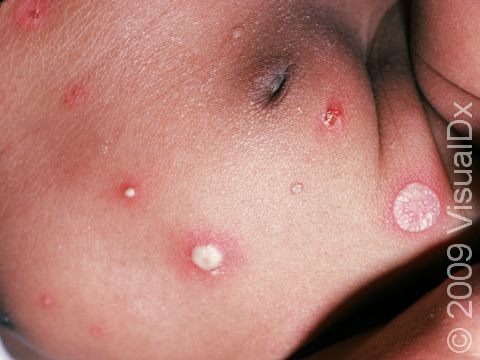
Rashes can be small or cover larger skin parts. Blisters may form and sometimes leak fluid. These changes can cause discomfort or pain. Watch if the rash spreads or worsens.
Fever And Irritability
A fever in a newborn is a warning sign. Your baby may also become unusually fussy or cry more. These symptoms show the body fights infection. Keep track of how your baby acts daily.
Signs Of Severe Infection
Severe infections cause fast breathing and poor feeding. The skin may look pale or have blue tints. Lethargy or difficulty waking up is serious. Immediate medical care is essential in these cases.
Diagnosis Methods
Diagnosing skin infections in newborns requires careful observation and testing. Early diagnosis helps treat infections quickly. It prevents complications and keeps the baby safe.
Doctors use several methods to identify the cause of skin infections. These methods check the baby’s skin and sometimes test samples in a lab. Understanding these steps can help parents recognize the signs and seek help fast.
Physical Examination
The doctor begins with a detailed check of the baby’s skin. They look for redness, swelling, or blisters. The pattern and location of the rash give important clues. The doctor also checks the baby’s overall health and behavior. This exam helps decide if more tests are needed.
Laboratory Tests
Sometimes, skin samples or fluid are taken for lab testing. These tests find bacteria, viruses, or fungi causing the infection. Blood tests may also check for infection spread or immune response. Lab results guide the right treatment choice and duration.
When To See A Doctor
Visit a doctor if the baby’s skin changes quickly or looks infected. Signs include pus, warmth, or spreading redness. If the baby has a fever or seems very irritable, get medical help. Early care prevents serious problems and eases the baby’s discomfort.
Treatment Options
Treating newborn skin infections requires gentle and effective care. Choosing the right treatment depends on the infection type and severity. Early treatment helps prevent complications and speeds healing.
Topical Medications
Topical creams and ointments are common for mild skin infections. These medicines apply directly to the affected area. They often contain antibiotics or antiseptics to kill bacteria. Some creams soothe redness and reduce itching. Use only products recommended by a doctor for newborns.
Oral Antibiotics And Antivirals
Severe or widespread infections may need oral medicine. Antibiotics fight bacterial infections from inside the body. Antiviral drugs target viral infections like herpes. Doctors carefully choose the right medicine and dose. Always complete the full treatment course to avoid resistance.
Fungal Treatments
Fungal infections need special antifungal creams or powders. These stop the fungus from growing and spreading. Some cases require oral antifungal drugs for better results. Keep the skin dry and clean to help treatment work well. Follow the doctor’s instructions exactly.
Home Care Tips
Keep your baby’s skin clean and dry to prevent infections. Use mild, fragrance-free soaps and warm water for baths. Change diapers often to avoid irritation and infection. Dress the baby in loose, breathable clothes. Avoid sharing towels or clothing with others.
Prevention Strategies
Preventing skin infections in newborns is crucial for their health and comfort. Newborn skin is delicate and easily affected by germs. Simple steps can reduce infection risks and keep your baby safe.
Maintaining Hygiene
Cleanliness is key to preventing infections. Wash your hands before touching the baby. Keep the baby’s skin clean with gentle baths. Use mild, fragrance-free soap to avoid irritation. Change diapers often to prevent rashes and infections. Clean baby clothes and bedding regularly to remove germs.
Safe Handling Practices
Handle your newborn carefully to avoid skin damage. Trim your nails to prevent scratches. Avoid kissing the baby’s face, especially if you feel unwell. Limit visitors during the first few weeks. Use clean blankets and towels every time. Always support the baby’s head and body gently.
Boosting Newborn Immunity
A strong immune system helps fight infections. Breastfeed your baby to provide important antibodies. Ensure the baby gets enough rest and sleep. Keep the baby’s environment clean and smoke-free. Follow vaccination schedules to protect against common infections. Dress the baby appropriately for the weather to avoid stress.
When To Seek Emergency Care
Newborn skin infections can become serious fast. Knowing when to seek emergency care is very important. Early action can protect your baby and prevent problems.
Watch your baby closely. Some signs mean you need urgent help. Acting quickly can save your newborn from harm.
Warning Signs
Look for redness that spreads quickly on the skin. Swelling or pus-filled blisters are serious signs. A fever over 100.4°F (38°C) in a newborn is alarming. If your baby is very sleepy or hard to wake, get help fast. Breathing difficulties or fast breathing need urgent care. Any signs of pain or constant crying may mean infection.
Immediate Actions
Call emergency services or go to the nearest hospital. Keep your baby calm and warm during transport. Avoid touching or squeezing infected areas. Do not apply creams or medicines without advice. Keep the skin clean with gentle wipes if possible. Share all symptoms and changes with the doctor quickly. Prompt care helps prevent serious illness and speeds recovery.
Frequently Asked Questions
What Are Common Newborn Skin Infections?
Common newborn skin infections include impetigo, candidiasis, and staphylococcal infections. These infections cause redness, blisters, or rashes. Early detection helps prevent complications. Proper hygiene and prompt treatment are essential for recovery.
How Can I Prevent Newborn Skin Infections?
Prevent newborn skin infections by keeping their skin clean and dry. Wash hands before handling the baby. Use gentle, hypoallergenic skin products. Avoid tight clothing and ensure proper diaper hygiene. Regular pediatric check-ups help spot infections early.
When Should I See A Doctor For Newborn Skin Issues?
See a doctor if your newborn has persistent redness, swelling, or pus. If the baby shows fever, irritability, or spreading rash, seek medical advice promptly. Early diagnosis ensures effective treatment and prevents complications.
Are Newborn Skin Infections Contagious To Others?
Yes, some newborn skin infections like impetigo can spread through direct contact. Practice good hygiene and avoid sharing towels or clothes. Keep infected areas covered and wash hands frequently to reduce transmission risk.
Conclusion
Newborn skin infections need quick care to avoid problems. Watch your baby’s skin for redness, swelling, or sores. Clean the skin gently and keep it dry. Early treatment helps your baby heal faster. Always ask your doctor if you are worried.
Good hygiene and careful care protect your baby’s skin. Healthy skin means a happy, comfortable newborn. Stay alert and take action when needed. Small steps make a big difference in newborn skin health.