When your newborn catches a cold, it can feel overwhelming and stressful. You want to do everything possible to help your little one feel better quickly and safely.
But with so many remedies and advice out there, it’s hard to know what really works. This guide is here to give you clear, simple, and effective cold remedies for your newborn. Keep reading to discover practical tips that bring comfort to your baby and peace of mind to you.
Recognizing Cold Symptoms
Newborns catch colds easily because their immune systems are still weak. Recognizing cold symptoms early helps parents care for their baby better. Some signs may seem mild but need attention. Knowing what to watch for keeps your newborn safe and comfortable.
Common Signs In Newborns
Newborns often show cold signs differently from older kids. Watch for a runny or stuffy nose. Sneezing happens more than usual. Your baby may cough softly or cry more. Fever is rare but possible. Babies might sleep more or eat less. Look for fussiness or unusual tiredness. These signs show your baby may have a cold.
When To Call The Doctor
Call the doctor if your baby has trouble breathing. Fast or noisy breathing needs quick help. A fever over 100.4°F (38°C) in newborns is serious. If your baby refuses to eat or drink, get advice. Unusual drowsiness or limpness also needs medical care. If symptoms last more than a week, contact your doctor. Trust your instincts when your baby seems very sick.

Safe Home Remedies
Newborns catch colds easily because their immune systems are still weak. Safe home remedies help ease their symptoms without medicine. These gentle methods support your baby’s comfort and recovery. They are simple and effective.
Using A Humidifier
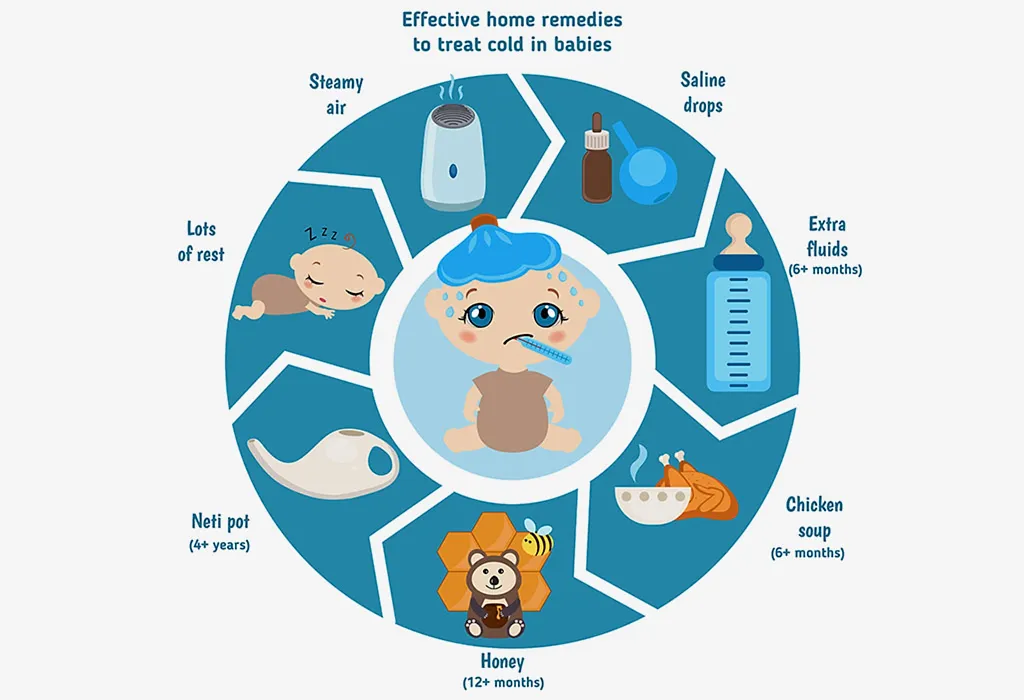
A cool-mist humidifier adds moisture to the air. This helps loosen mucus in your baby’s nose and throat. It also prevents dry skin and irritation. Place the humidifier in the baby’s room during sleep. Clean it often to avoid mold and bacteria.
Nasal Suction Techniques
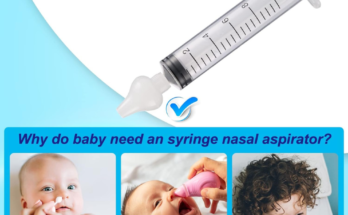
Newborns cannot blow their noses. Use a bulb syringe or nasal aspirator to clear their nostrils. Squeeze the bulb before gently placing the tip in the nose. Release slowly to suction mucus out. Do this softly to avoid hurting your baby. Repeat as needed, especially before feeding or sleeping.
Hydration Tips
Keeping your baby hydrated thins mucus and soothes the throat. Breast milk or formula is the best fluid for newborns. Offer small, frequent feedings if your baby is congested. Avoid water unless your doctor says it is okay. Watch for signs of dehydration like fewer wet diapers or dry mouth.
Comfort Measures
Comfort measures help soothe a newborn during a cold. These methods ease discomfort and support healing. Gentle care can calm your baby and improve rest. Comfort also strengthens the bond between parent and child.
Proper Positioning
Keep your baby’s head slightly elevated. This helps mucus drain and eases breathing. Use a firm mattress with a small incline. Avoid soft bedding to reduce risks. Hold your baby upright after feeding. This reduces coughing and choking chances.
Soothing Baths
Warm baths relax your baby’s muscles. The steam helps clear nasal passages. Use lukewarm water, not hot. Keep the bath short and calm. Gently pat your baby dry to avoid chills. Dress your baby in soft, warm clothes afterward.
Gentle Massage
Soft massages calm your baby and reduce fussiness. Use light strokes on the back, chest, and arms. Avoid firm pressure near the nose or chest. Use baby-safe oil or lotion for smooth touch. Massage encourages better sleep and eases congestion.
Feeding Adjustments
Adjusting how you feed your newborn can help ease cold symptoms. Feeding changes support better comfort and hydration. Babies need gentle care during illness. Focus on small, frequent feedings. This helps keep them nourished and calm.
Breastfeeding Tips
Breastfeeding offers natural protection. Breast milk has antibodies that help fight infection. Feed your baby more often but for shorter times. Keep your baby’s head elevated to ease breathing. Use a warm, damp cloth to clean their nose before feeding. This clears airways and helps them breathe better. Stay patient and calm during feeding sessions.
Bottle Feeding Care
Choose the right nipple flow for your baby. A slower flow reduces choking and coughing. Warm the formula or milk to body temperature. This soothes the baby’s throat and improves feeding. Clean the bottle and nipple thoroughly to prevent germs. Offer smaller amounts more often to avoid tiring your baby. Hold your baby upright while feeding to help with breathing.
Avoiding Irritants
Newborns are very sensitive to their environment. Avoiding irritants helps protect their delicate airways. Keeping the air clean and comfortable can ease cold symptoms. Small changes make a big difference in your baby’s comfort.
Smoke And Allergens
Smoke from cigarettes harms babies’ lungs. Keep your baby away from any smoke. Avoid places where people smoke. Household cleaning sprays and strong perfumes can irritate too. Use mild, fragrance-free products near your newborn. Dust and pet dander may also cause sneezing and coughing. Regularly clean your baby’s room to reduce allergens.
Temperature Control
Keep the room temperature steady and comfortable. Too hot or too cold air can worsen a cold. Aim for around 68 to 72 degrees Fahrenheit. Use a humidifier to add moisture if the air is dry. Moist air helps soothe nasal passages. Open windows briefly for fresh air but avoid drafts. Dress your baby in light layers to adjust easily.
When Medication Helps
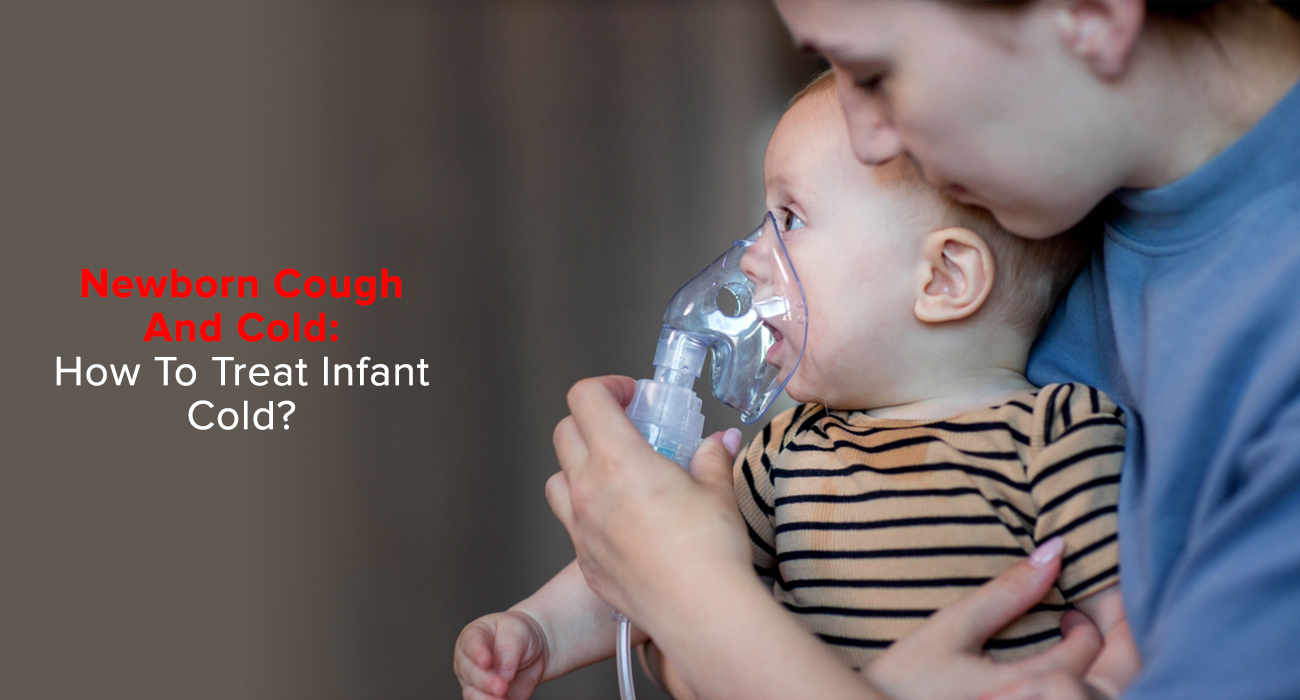
Sometimes, a newborn’s cold needs more than rest and fluids. Medication can help ease symptoms and bring comfort. It is important to know when medicine is safe and useful for your baby.
Over-the-counter Options
Some medicines are made for babies and can be bought without a prescription. These include pain relievers and fever reducers like infant acetaminophen or ibuprofen. They help lower fever and reduce discomfort. Avoid cough syrups or cold medicines not made for babies. These can cause harmful side effects.
Dosage And Safety
Always follow the doctor’s advice for giving medicine. Use the measuring tool that comes with the medicine. Giving too much can be dangerous. Never give adult medicine to a baby. Check the label for the right dose based on your baby’s weight and age. Watch for any reactions after giving medicine and call a doctor if you see anything unusual.
Frequently Asked Questions
What Are Safe Remedies For A Newborn’s Cold?
Safe remedies include gentle nasal suction, saline drops, and keeping the baby hydrated. Avoid over-the-counter cold medicines unless prescribed by a doctor.
How Can I Relieve My Newborn’s Nasal Congestion?
Use saline nasal drops and a bulb syringe to clear mucus. Keep your baby’s head elevated to ease breathing.
When Should I Call A Doctor For A Newborn Cold?
Contact a doctor if your baby has a fever, difficulty breathing, or refuses to feed. Seek urgent care if symptoms worsen.
Can Humidifiers Help With Newborn Cold Symptoms?
Yes, humidifiers add moisture to the air, easing nasal congestion and coughing. Use a cool-mist humidifier and keep it clean.
Conclusion
Caring for a newborn with a cold requires patience and gentle care. Keep the baby warm and comfortable. Use safe remedies like saline drops and humidifiers. Watch for signs that need a doctor’s help. Remember, most colds pass with time and rest.
Stay calm and provide plenty of love. Your careful attention helps your baby heal faster. Trust your instincts and ask for help if unsure. Small steps make a big difference in newborn cold care.