Have you ever stopped to think about what your bowel movements say about your health? Tracking your bowel movements might sound simple, but it can reveal important clues about your digestive system and overall well-being.
By paying attention to the frequency, color, and consistency, you can catch potential issues early and take control of your health. Keep reading to discover how easy it is to track this vital sign and why it matters more than you might think.
Why Track Bowel Movements
Tracking bowel movements helps you understand your digestive health better. It allows you to spot changes early. Changes in stool can signal health problems. Keeping a record gives clues about your diet and lifestyle. It supports better communication with your doctor. This simple habit can improve your wellbeing.
Signs Of Digestive Issues
Tracking bowel movements reveals signs of digestive problems. Unusual color, shape, or frequency may show issues. Pain or discomfort during bowel movements is a warning. Sudden changes in stool texture can indicate illness. Blood or mucus in stool needs immediate attention. Noticing these signs early helps prevent serious problems.
Benefits For Overall Health
Regular tracking improves your overall health and comfort. It helps maintain a healthy digestive system. You can adjust diet and habits based on your records. Better digestion means more energy and less discomfort. Tracking supports weight management and nutrient absorption. It encourages healthier lifestyle choices every day.
Key Aspects To Monitor
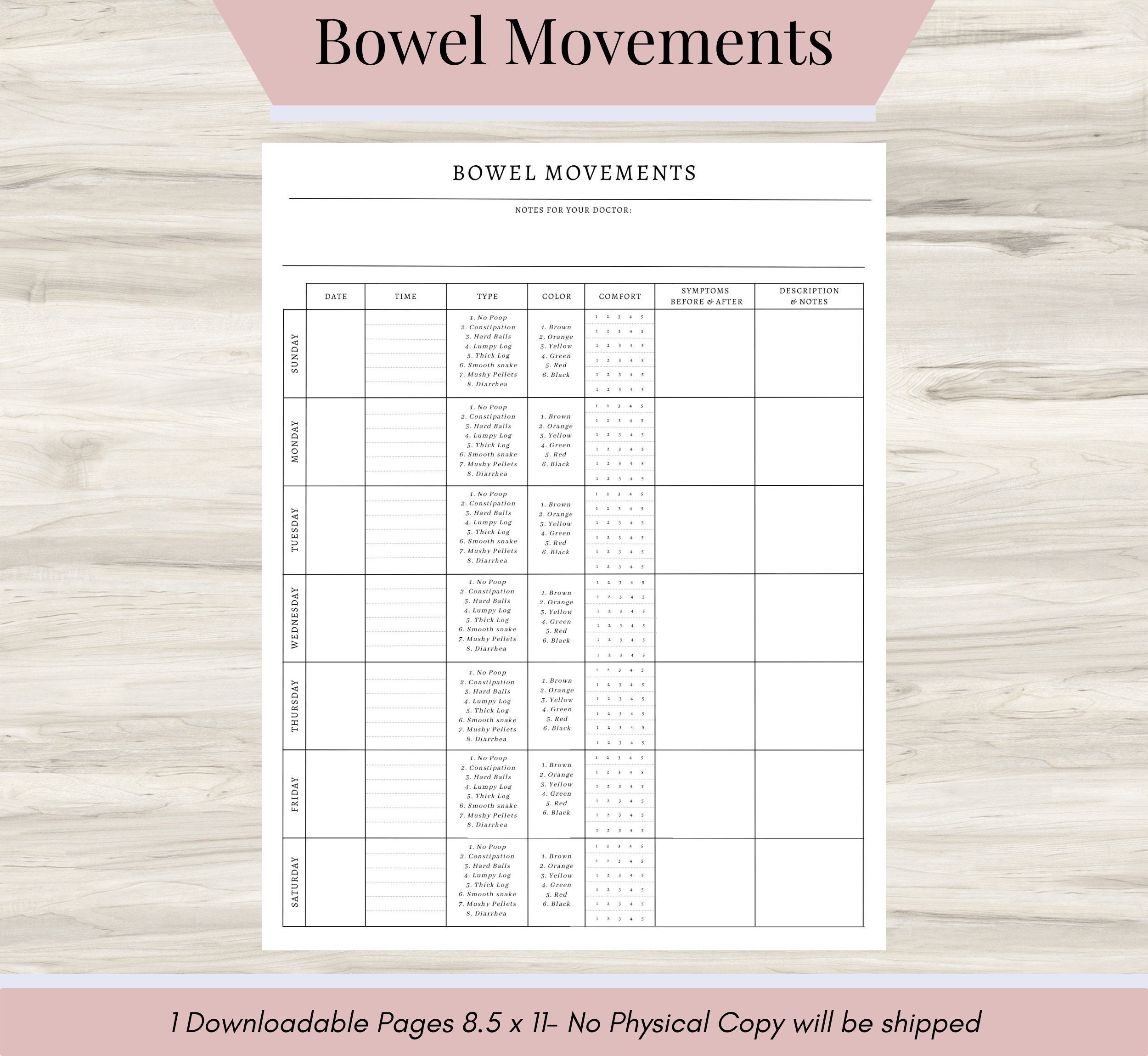
Tracking bowel movements helps understand your digestive health better. Watching specific features can reveal changes or problems early. Focus on key aspects to get a clear picture of your gut health.
Frequency And Timing
Note how often you have bowel movements each day or week. Most people go between three times a day to three times a week. Pay attention to any sudden changes in frequency. Also, observe the time of day you usually go. Regular timing often shows a healthy routine.
Color And Consistency
Check the color of your stool. Normal colors range from light to dark brown. Unusual colors like red, black, or pale can signal issues. Consistency matters too. Stool should be soft but formed. Hard or watery stool may indicate dehydration or illness.
Size And Shape
Look at the size and shape of your bowel movements. Healthy stool is typically long and smooth. Thin or pencil-like shapes might suggest a blockage. Very large or bulky stool can mean poor digestion. Keep track of any changes over time.
Associated Symptoms
Notice any symptoms that happen with bowel movements. Pain, bleeding, or mucus are important signs. Also, watch for bloating, cramping, or urgency. These symptoms can point to infections or digestive problems. Record these details to share with your doctor if needed.
Tools For Tracking
Tracking bowel movements helps understand your digestive health better. It shows patterns and highlights any changes. Using the right tools makes tracking easier and more accurate. Choose a method that fits your lifestyle and comfort level.
Journals And Logs
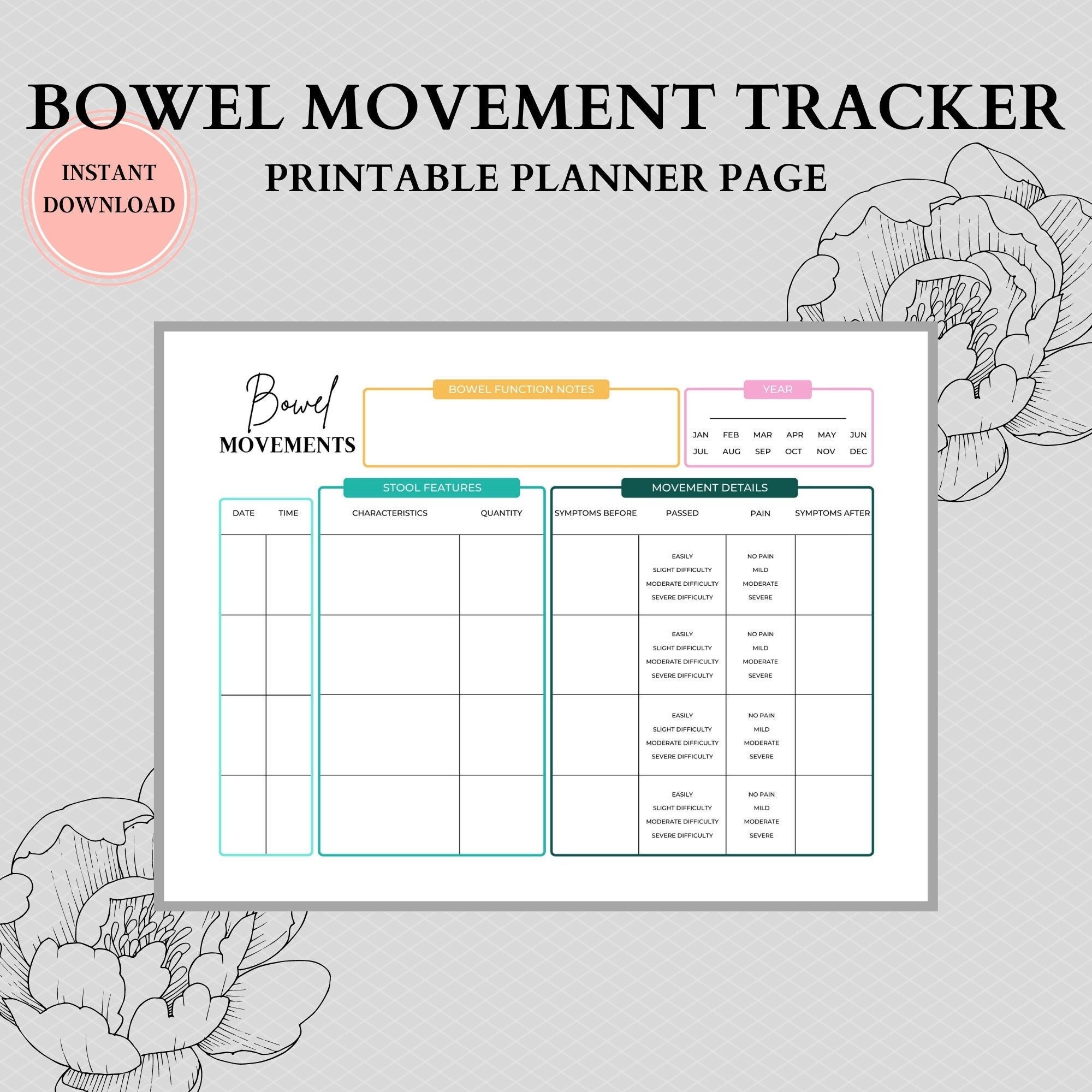
Writing in a journal is a simple way to track bowel movements. Note the date, time, and consistency. Add any discomfort or unusual signs. Paper logs are easy to review and carry anywhere. They help spot trends over days or weeks.
Mobile Apps
Apps offer a fast and digital way to track bowel habits. Many apps let you record details with a few taps. Some provide reminders to log entries regularly. Charts and graphs show your progress clearly. Apps often include tips for improving digestion.
Photographic Records
Taking photos can provide visual proof of your bowel movements. This method helps you and your doctor see real changes. Use a private folder on your phone for storage. Photos can clarify descriptions of stool type and color. Always respect privacy and hygiene when using this tool.
Diet And Lifestyle Factors
Diet and lifestyle play a big role in tracking bowel movements. Small changes in what you eat and how you live can affect your digestion. Knowing these factors helps keep your bowel habits regular. It also makes it easier to spot any problems early.
Fiber Intake
Fiber helps move food through your digestive system. Eating enough fiber softens stool and prevents constipation. Fruits, vegetables, and whole grains are good fiber sources. Try to include them in every meal for better bowel health.
Hydration
Water keeps stool soft and easy to pass. Drinking enough fluids helps prevent hard stools and constipation. Aim for at least eight glasses of water daily. Avoid too many sugary or caffeinated drinks as they can dehydrate you.
Physical Activity
Exercise stimulates your intestines and helps move stool. Walking, jogging, or yoga can improve bowel function. Sitting too long slows digestion and may cause constipation. Try to stay active for at least 30 minutes every day.
Stress Management
Stress affects your digestive system and bowel habits. High stress can cause diarrhea or constipation. Simple relaxation techniques like deep breathing or meditation help calm your body. Managing stress supports regular and healthy bowel movements.
When To Seek Medical Advice
Tracking bowel movements helps you notice changes that matter. Some changes show a need for medical advice. Knowing when to seek help can prevent serious problems. Early action protects your health and comfort.
Warning Signs
Watch for blood in stool or black, tarry stools. Sudden, severe belly pain needs quick attention. Long-lasting diarrhea or constipation signals a problem. Unexpected weight loss and tiredness also matter. Seek help if bowel habits change for weeks.
Preparing For Doctor Visits
Write down your bowel movement details daily. Note stool color, shape, and how often you go. List any pain or discomfort you feel. Bring this information to your appointment. Clear notes help the doctor understand your condition.
Tests And Procedures
Doctors use tests to find the cause of changes. Stool tests check for infection or blood. Blood tests reveal inflammation or anemia. Imaging tests like CT scans show internal issues. Sometimes, a colonoscopy examines the bowel directly.
Tips For Maintaining Healthy Digestion
Maintaining healthy digestion supports overall wellness and keeps bowel movements regular. Small daily habits can improve digestion and reduce discomfort. Tracking bowel movements helps notice patterns and make changes.
Simple tips promote a strong digestive system. Focus on eating well, staying active, and following a steady routine. These habits work together for better gut health.
Balanced Diet Choices
Eat foods rich in fiber like fruits, vegetables, and whole grains. Fiber helps food move smoothly through the intestines. Drink plenty of water to soften stool and prevent constipation. Avoid too much fatty or processed food. Choose natural, fresh options for better digestion.
Regular Exercise
Exercise stimulates the muscles in the digestive tract. Activities like walking, swimming, or yoga help food pass faster. Aim for at least 30 minutes of activity most days. Movement reduces bloating and supports regular bowel movements. Stay active to keep your digestion strong.
Consistent Routine
Try to eat meals at the same times each day. Regular meal times train your digestive system to work well. Set a daily bathroom routine to avoid delays. Give yourself enough time without rushing. A consistent schedule helps maintain smooth digestion and healthy bowel habits.

Frequently Asked Questions
What Is The Importance Of Tracking Bowel Movements?
Tracking bowel movements helps monitor digestive health and identify irregularities early. It aids in detecting conditions like constipation or diarrhea, improving treatment outcomes and overall well-being.
How Often Should I Track My Bowel Movements?
Daily tracking is ideal, especially if you have digestive issues. It helps notice patterns, frequency, and changes, providing valuable insights for healthcare providers.
What Details Should I Record When Tracking Bowel Movements?
Record frequency, consistency, color, and any discomfort. Note time, size, and presence of blood or mucus to help diagnose potential health problems accurately.
Can Tracking Bowel Movements Improve Digestive Health?
Yes, tracking helps identify triggers, dietary impacts, and symptoms. It allows timely adjustments to diet or medication, promoting better gut health and regularity.
Conclusion
Tracking bowel movements helps you know your body’s health better. It shows changes in habits or signs of problems early. Simple notes on frequency, color, and shape are useful. This habit supports good digestion and overall wellness. Small efforts bring big health benefits over time.
Stay aware, stay healthy.