When it comes to your baby’s health, nothing feels more urgent than spotting signs of dehydration. You might wonder how quickly dehydration can affect your little one and what risks it truly poses.
Understanding these risks is crucial because dehydration in babies can escalate fast, leading to serious complications if not addressed promptly. You’ll discover the warning signs to watch for, why your baby is especially vulnerable, and the simple steps you can take to keep them safe and hydrated.
Keep reading—your baby’s well-being depends on it.
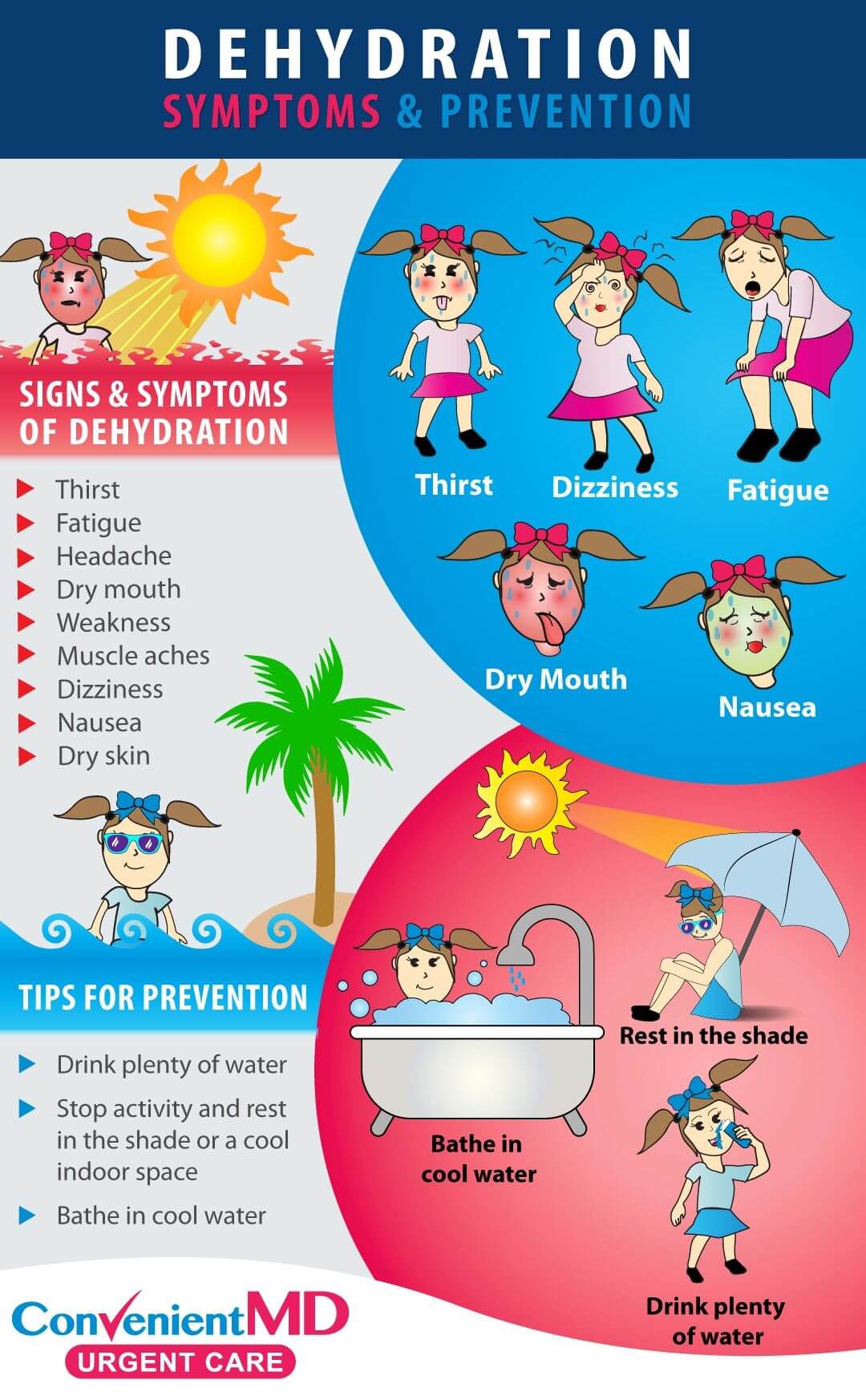
Causes Of Baby Dehydration
Babies are more likely to get dehydrated than adults. Their small bodies lose water quickly. Many factors cause dehydration in babies. Understanding these causes helps prevent serious health problems.
Common Illnesses Leading To Dehydration
Diarrhea and vomiting are major causes of dehydration in babies. These illnesses make babies lose fluids fast. Fever also increases water loss through sweating. Respiratory infections can reduce appetite and fluid intake. Babies with these illnesses need extra care and fluids.
Effects Of Heat And Environment
Hot weather makes babies sweat more. Babies cannot cool down like adults do. Being in hot places without enough water raises dehydration risk. Dry air also pulls moisture from the body. Keeping babies cool and hydrated is very important.
Feeding Challenges
Babies who do not feed well can become dehydrated. Problems with breastfeeding or bottle feeding reduce fluid intake. Some babies refuse food or drink when sick. Feeding difficulties often lead to less water in the body. Caregivers must watch feeding habits closely to prevent dehydration.
Early Warning Signs
Recognizing early warning signs of baby dehydration is key to keeping your little one safe. Babies can lose water quickly. Acting fast can prevent serious problems.
Watch closely for subtle changes. They often show before severe symptoms appear. Knowing what to look for helps you respond in time.
Changes In Urine Output
A drop in diaper wetness is an early sign. Fewer wet diapers mean less fluid in the body. Urine may also look darker than usual. This signals dehydration is starting.
Behavioral And Physical Clues
Your baby might seem more tired or fussy. Less energy and unusual crying are common signs. Pay attention if the baby is hard to soothe. Weakness or limpness can also occur.
Skin And Mouth Indicators
Dry lips and mouth are clear signs. The skin may lose its usual softness. Pinch the skin gently; slow return to normal means dehydration. Sunken eyes or fontanelles also need attention.
Severe Dehydration Symptoms
Severe dehydration in babies is a serious condition. It happens when the body loses too much fluid and cannot work properly. Recognizing the symptoms early is very important. These signs show the baby needs urgent medical care. Understanding these symptoms helps protect your baby’s health and safety.
Lethargy And Unresponsiveness
A severely dehydrated baby may become very sleepy or hard to wake. They may not respond to sounds or touch. This lack of energy means the brain is not getting enough fluids. Immediate care is needed if your baby shows these signs.
Rapid Breathing And Heart Rate
Fast breathing and a quick heartbeat are warning signs. These happen because the body tries to keep oxygen flowing. The heart works harder to pump blood. Watch closely if your baby breathes or beats faster than usual.
Sunken Eyes And Fontanelle
Look at your baby’s eyes and the soft spot on the head. Sunken eyes appear hollow and dark. The fontanelle, or soft spot, may look deeply sunken. These signs show serious fluid loss and need quick action.

Preventive Measures
Preventing dehydration in babies is crucial for their health and safety. Taking simple steps can protect your baby from losing too much water. Keeping a close watch on their needs helps avoid serious problems. Here are some easy ways to keep your baby well-hydrated and safe.
Maintaining Proper Hydration
Offer breast milk or formula regularly. These provide the fluids your baby needs. Avoid giving water to babies under six months unless advised by a doctor. Watch for signs of thirst like fussiness or dry mouth. Keep feeding times consistent, especially in warm weather or after activity.
Adjusting Feeding During Illness
Illness can cause babies to lose fluids faster. Increase feeding frequency during diarrhea or vomiting. Small, frequent feeds are easier for babies to handle. Use oral rehydration solutions if a doctor suggests them. Do not wait until your baby looks very thirsty to give fluids.
Creating A Safe Environment
Keep your baby cool and out of direct sunlight. Dress them in light, breathable clothing. Avoid overheating rooms or using heavy blankets. Monitor room temperature to stay comfortable. Protect your baby from infections that can cause dehydration.
When To Seek Medical Help
Knowing when to seek medical help for baby dehydration is vital. Dehydration can worsen quickly in infants. Early action can prevent serious health issues. Parents must watch for signs that need urgent care.
Emergency Symptoms To Watch For
Look for dry mouth and no tears when crying. Sunken eyes or soft spot on the head are serious signs. If your baby is very sleepy or hard to wake, act fast. Fast breathing or a weak pulse need immediate attention. Fewer wet diapers than usual show dehydration severity.
Preparing For The Doctor Visit
Note down all symptoms and their timing. Bring any fluids your baby has taken. Keep a list of medicines and doses given. Prepare to describe your baby’s eating and drinking habits. Bring a sample of vomit or stool if possible. Arrive calm and ready to answer questions clearly.
Treatment Options For Dehydration
Mild dehydration often needs extra fluids at home. Oral rehydration solutions help replace lost salts and water. Severe dehydration requires hospital care and IV fluids. Doctors may monitor vital signs closely. Treatment focuses on restoring fluid balance quickly. Follow all doctor instructions to avoid recurrence.
Long-term Effects Of Dehydration
Dehydration in babies can cause serious problems beyond the immediate illness. The long-term effects of dehydration can affect their health and well-being for years. Understanding these risks is important for parents and caregivers. Early care can help avoid lasting damage and support healthy growth.
Impact On Growth And Development
Dehydration can slow a baby’s physical growth. The body needs water to help cells work properly. Without enough fluids, organs may not develop well. This can affect muscle strength and brain growth. A baby may also have trouble gaining weight. These delays might last even after the baby recovers.
Potential Complications
Severe dehydration can cause lasting health problems. Kidney damage is a common issue. The kidneys may not filter blood well, causing toxins to build up. Brain function can also suffer, leading to learning difficulties. Some babies might develop weak immune systems. This makes them more likely to get sick again.
Importance Of Early Intervention
Quick treatment is key to preventing long-term harm. Rehydrating a baby early can save organs from damage. Doctors can also find and treat the cause of dehydration. Parents should watch for signs like dry mouth or fewer wet diapers. Acting fast helps protect a baby’s future health.

Frequently Asked Questions
What Are Common Signs Of Baby Dehydration?
Common signs include dry mouth, no tears when crying, sunken eyes, and fewer wet diapers. Babies may also appear lethargic or irritable. Early detection is crucial for timely treatment.
How Can I Prevent Dehydration In My Baby?
Ensure your baby drinks enough breast milk or formula regularly. During illness or hot weather, increase fluid intake. Avoid giving sugary drinks or water without medical advice.
When Should I Seek Medical Help For Baby Dehydration?
Seek immediate medical care if your baby shows severe symptoms like persistent vomiting, high fever, or unresponsiveness. Also, if dehydration signs worsen despite home care, contact a healthcare provider promptly.
Can Diarrhea Cause Dehydration In Babies?
Yes, diarrhea causes rapid fluid loss, increasing dehydration risk. It’s important to keep your baby hydrated and consult a doctor if diarrhea persists more than 24 hours or worsens.
Conclusion
Babies can get dehydrated quickly. Watch for signs like dry mouth or less wet diapers. Keep your baby drinking fluids regularly. Acting fast can prevent serious health problems. Know when to call a doctor for help. Staying alert protects your baby’s health.
Small steps make a big difference in care. Your attention helps keep your baby safe and strong.