Your baby’s comfort is your top priority, especially when those stubborn rashes appear. If you’ve noticed redness, irritation, or bumps on your little one’s skin, you might be feeling worried and unsure about what to do next.
The good news is that with the right baby rash treatment, you can quickly soothe your baby’s skin and bring relief. You’ll discover simple, effective steps to treat and prevent baby rashes, helping your child stay happy and comfortable. Keep reading to learn exactly what you can do today to protect your baby’s delicate skin.
Common Types Of Baby Rashes
Babies often develop rashes as their skin is very sensitive. These rashes can look different and have various causes. Knowing the common types helps in treating them quickly and safely.
Some rashes appear from diaper use, heat, or dry skin. Others come from allergies or scalp conditions. Each type needs its own care and attention.
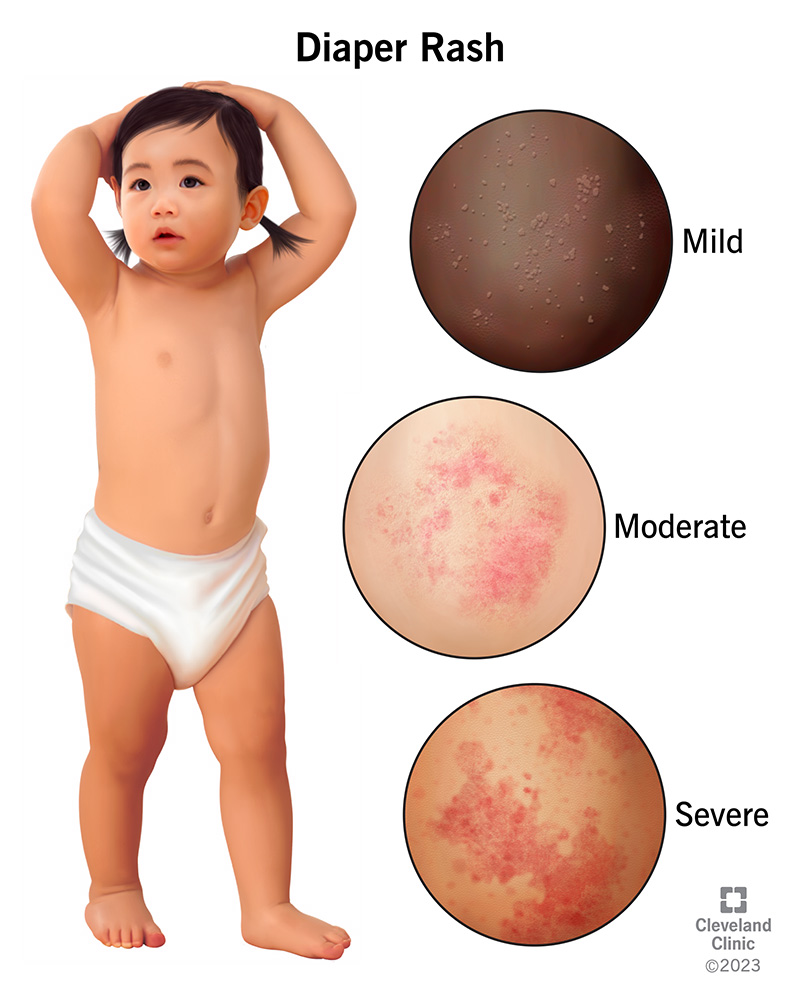
Diaper Rash
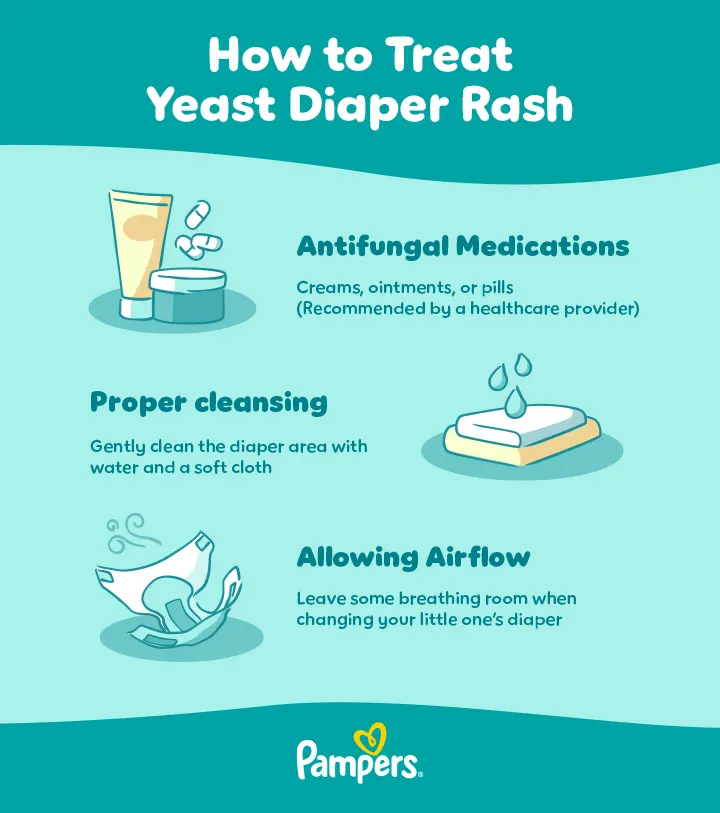
Diaper rash is a red, sore patch in the diaper area. It happens when wetness stays on the skin too long. Changing diapers often and using barrier creams help heal it fast.
Heat Rash
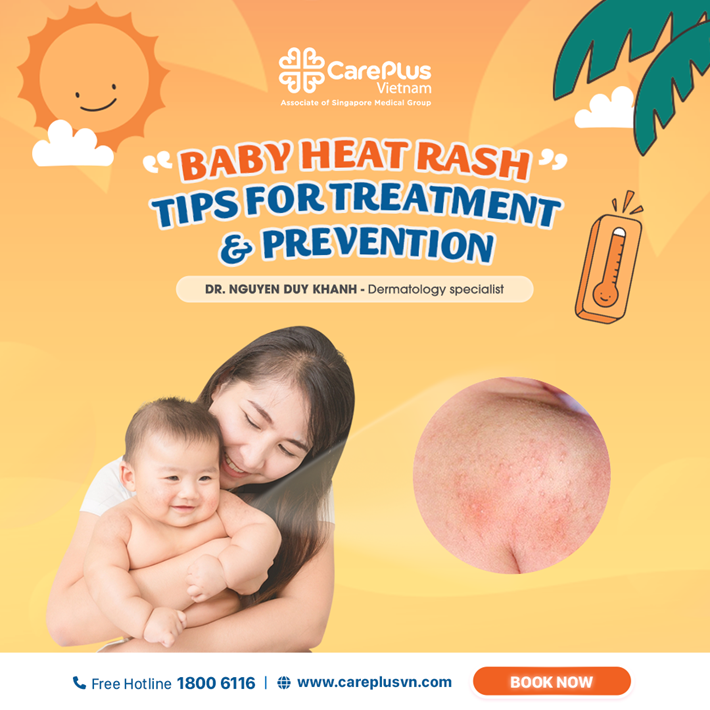
Heat rash shows as tiny red bumps on warm, sweaty skin. It happens in hot weather or when babies wear too many clothes. Keeping skin cool and dry stops the rash from worsening.
Eczema
Eczema causes dry, itchy, and red patches on the skin. It is common in babies with sensitive skin. Gentle moisturizers and avoiding irritants ease the discomfort.
Allergic Reactions
Allergic rashes happen after contact with new foods or products. They look like red spots or hives on the skin. Finding and avoiding the allergen prevents rashes from coming back.
Cradle Cap
Cradle cap appears as scaly, yellow patches on a baby’s scalp. It is not painful or itchy. Regular washing and gentle brushing help clear this condition.
Causes Of Baby Rashes
Baby rashes are common and can worry many parents. Understanding what causes these rashes helps in managing them better. Several factors can trigger skin irritation in babies, leading to red, itchy, or bumpy patches. Knowing these causes can guide proper care and treatment.
Irritants And Allergens
Many baby rashes occur due to irritants or allergens. Soaps, detergents, and lotions with strong chemicals can harm delicate skin. Fabric softeners and certain fabrics may also cause reactions. Allergens in the environment, such as pollen or pet dander, might trigger rashes too.
Friction And Moisture
Rashes often develop where skin rubs against skin or clothing. Tight diapers, rough fabrics, or constant wetness cause irritation. Moisture trapped in folds creates a perfect spot for rashes. This type of rash is common in diaper areas and neck folds.
Infections
Some rashes come from infections caused by bacteria, viruses, or fungi. Common infections include yeast infections or impetigo. These rashes usually need medical treatment to clear up. Infections often cause redness, swelling, and sometimes pus or blisters.
Dietary Factors
Food allergies or sensitivities can cause skin reactions in babies. New foods introduced to a baby’s diet might trigger rashes. Breastfeeding mothers’ diets can also affect the baby’s skin. Identifying and avoiding certain foods helps prevent these rashes.
Home Remedies For Quick Relief
Baby rashes can cause discomfort and worry for parents. Using simple home remedies can help soothe your baby’s skin quickly. These remedies focus on gentle care to reduce redness and irritation. They are safe and easy to apply at home.
Keeping Skin Clean And Dry
Clean skin helps prevent infections and speeds healing. Use lukewarm water and a mild, fragrance-free soap to wash the rash area. Pat the skin dry gently with a soft towel. Avoid rubbing, as it can irritate the skin more. Keep the diaper area dry by changing diapers often.
Using Gentle Moisturizers
Moisturizers protect the skin and reduce dryness. Choose products made for babies with sensitive skin. Apply a thin layer after cleaning the rash. Avoid moisturizers with strong scents or chemicals. They can cause more irritation and delay healing.
Applying Natural Oils
Natural oils like coconut or olive oil soothe and moisturize the skin. Use a small amount and apply gently on the rash. These oils have anti-inflammatory and antibacterial properties. They help calm redness and protect the skin barrier. Test on a small area first to check for allergies.
Cool Compresses
Cool compresses ease itching and reduce swelling. Soak a clean cloth in cool water and wring it out. Place it gently on the rash for a few minutes. Repeat several times a day as needed. Avoid using ice directly on your baby’s skin to prevent damage.
When To Use Medications
Knowing when to use medications for baby rash is important. Some rashes clear up with simple care, but others need medicine. Using the right treatment helps your baby feel better fast. Watch for signs like redness, swelling, or pain that do not go away. These may need medical creams or ointments.
Over-the-counter Creams
Many baby rashes can be treated with creams from the store. These include diaper rash creams and gentle hydrocortisone creams. They reduce redness and soothe irritation. Use them as directed on the package. Avoid strong creams without advice from a doctor.
Prescription Options
Some rashes need prescription medicine. Doctors may prescribe stronger creams or ointments. These treat more severe rashes or allergic reactions. Always follow the doctor’s instructions carefully. Stop using if the rash worsens or an allergy occurs.
Antifungal And Antibacterial Treatments
Rashes caused by fungi or bacteria need special treatments. Antifungal creams stop yeast infections common in diaper rashes. Antibacterial ointments help if the rash has a bacterial infection. These medicines clear the rash and stop it from spreading. Use only after a doctor confirms the infection.
Preventing Baby Rashes
Preventing baby rashes helps keep your little one comfortable. Rashes cause irritation and redness on delicate skin. Small changes in daily care reduce rash risks. Focus on simple steps to protect your baby’s skin.
Proper Diapering Techniques
Change diapers often to keep skin dry. Use gentle wipes designed for babies. Let skin air out during diaper changes. Choose diapers that fit well, not too tight. Avoid leaving wet diapers on for long periods.
Choosing The Right Clothing
Dress your baby in soft, breathable fabrics like cotton. Avoid rough or tight clothes that rub skin. Wash new clothes before wearing with mild detergent. Select loose clothes to allow air circulation. Change clothes quickly if they become wet or dirty.
Maintaining Skin Hygiene
Clean your baby’s skin daily with warm water. Use mild, fragrance-free soap sparingly. Pat skin dry gently, do not rub. Apply baby-safe moisturizer to prevent dryness. Keep skin folds clean and dry to stop irritation.
Avoiding Known Irritants
Watch for products causing redness or discomfort. Avoid harsh soaps, perfumes, and dyes near baby’s skin. Use hypoallergenic laundry detergent for baby clothes. Keep baby away from cigarette smoke and strong chemicals. Test new products on a small skin area first.
Tips For Soothing Baby’s Skin
Soothing a baby’s rash requires gentle care and attention. The skin is delicate and needs special treatment to heal well. Simple steps can reduce irritation and support recovery. Focus on soft, mild methods to protect sensitive skin.
Gentle Bathing Practices
Use lukewarm water for your baby’s bath. Avoid hot water as it can dry the skin. Use a mild, fragrance-free soap to clean gently. Limit bath time to 5-10 minutes to prevent dryness. Pat the skin dry with a soft towel. Do not rub the skin harshly.
Using Mild Laundry Detergents
Choose detergents made for sensitive skin. Avoid products with strong fragrances or dyes. Wash baby clothes separately from adult laundry. Rinse clothes twice to remove detergent residue. Soft, clean clothes help keep skin calm and rash-free.
Ensuring Comfortable Room Temperature
Keep the room cool but not cold. Ideal temperature is between 68-72°F (20-22°C). Avoid overdressing your baby to prevent sweating. Use breathable fabrics like cotton for clothing and bedding. A stable temperature helps soothe irritated skin and prevents rash flare-ups.
When To Consult A Doctor
Knowing when to consult a doctor is very important for baby rash treatment. Many rashes heal with simple care at home. Some rashes need a doctor’s attention to avoid complications. Watch your baby closely and trust your instincts.
Signs Of Infection
Look for redness that spreads beyond the rash. Swelling or warmth around the rash can mean infection. Pus or fluid oozing from the rash is a warning sign. If your baby has a fever with the rash, see a doctor quickly.
Persistent Or Severe Rashes
Rashes that last more than a week need medical advice. If the rash looks worse or covers large skin areas, call a doctor. Severe rashes may cause discomfort or pain for your baby. Do not wait for the rash to improve on its own.
Allergic Reactions
Sudden swelling of the face, lips, or eyes needs urgent care. Hives or raised bumps can signal an allergy. Your baby may have trouble breathing or swallowing. These signs need immediate medical help to keep your baby safe.
Frequently Asked Questions
What Are Common Causes Of Baby Rash?
Common causes include diaper rash, heat rash, allergies, and eczema. Irritants like detergents or saliva can also trigger rashes. Identifying the cause helps choose effective treatment and prevent future outbreaks.
How To Treat Baby Rash At Home Safely?
Keep the area clean and dry. Use gentle cleansers and avoid scented products. Apply a barrier cream like zinc oxide. Dress the baby in loose, breathable clothing to reduce irritation and promote healing.
When Should I See A Doctor For Baby Rash?
Consult a doctor if the rash worsens, spreads, or shows signs of infection. Also seek help if your baby has a fever, blisters, or excessive discomfort. Early medical advice ensures proper diagnosis and treatment.
Can Baby Rash Be Prevented?
Yes, prevention includes frequent diaper changes, using mild skincare products, and avoiding overheating. Keeping your baby’s skin clean and dry reduces rash risk. Regularly moisturize to protect sensitive skin from irritation.
Conclusion
Treating baby rash early helps your little one stay comfortable. Keep the skin clean and dry to avoid irritation. Use gentle creams or ointments made for babies. Choose soft, breathable clothes to protect sensitive skin. Watch for signs of infection or worsening rash.
Always check with a doctor if the rash lasts long. Simple care steps make a big difference for your baby’s skin. Stay calm and patient—healing takes time. Your baby will feel better soon.