When it comes to your newborn, every tiny detail about their health matters to you. One of the most important signs to watch is their breathing pattern.
You might notice that your baby’s breathing isn’t always steady or regular, and that can feel worrying. But understanding what’s normal and what needs attention can help you stay calm and confident. You’ll learn exactly how newborns breathe, why their patterns might change, and when you should seek help.
Keep reading—knowing these facts could make all the difference for your baby’s well-being.
Normal Newborn Breathing
Newborn babies breathe differently from older children and adults. Their breathing is often faster and can seem uneven. Understanding normal breathing helps parents know what is healthy for their baby. It also helps spot any breathing concerns early. Let’s explore how newborns breathe normally and what signs to watch for.
Typical Respiratory Rates
Newborns usually breathe between 30 and 60 times each minute. This rate is faster than in adults. Breathing may slow down when the baby sleeps deeply. It can speed up when the baby cries or is active. Counting breaths is simple. Watch the baby’s chest rise and fall for one minute.
Breathing Irregularities
Newborn breathing often looks uneven or irregular. They might pause for a few seconds before taking the next breath. This is called periodic breathing and is normal. Short pauses lasting less than 10 seconds are common. Longer pauses or gasping need attention. Sometimes, babies breathe faster or slower than usual. These changes can be normal but should be observed closely.
Signs Of Healthy Breathing
Healthy newborn breathing is quiet and smooth. The baby should not make noisy or wheezing sounds. The chest and tummy move gently with each breath. Skin color stays pink or light. Lips and fingers should not turn blue. Breathing should not cause the baby to struggle or look tired. Alertness and good feeding also show healthy breathing.
Common Breathing Patterns
Newborns have unique breathing patterns that differ from adults. These patterns are normal but can seem unusual to new parents. Understanding common breathing styles helps in recognizing what is typical and what needs attention. It is important to observe your baby’s breathing regularly during the first months.
Periodic Breathing
Periodic breathing means the baby pauses for a few seconds between breaths. These pauses usually last less than 10 seconds. The baby then starts breathing again without any problem. This pattern is common and not a cause for worry. It often appears during sleep and is a normal part of newborn development.
Rapid Breathing
Rapid breathing happens when a baby breathes faster than usual. Normally, newborns take 30 to 60 breaths per minute. If the rate goes above this, it is called rapid breathing. This can be due to excitement, crying, or a slight illness. Watch for other signs like fever or blue lips and seek help if needed.
Apnea Episodes
Apnea episodes are longer pauses in breathing that last more than 10 seconds. These pauses may come with color changes or limpness. Apnea is less common but may need medical evaluation. Hospitals monitor some newborns for apnea, especially if born early. Always report any long pauses or unusual breathing to a healthcare provider.
Factors Influencing Breathing
Newborn breathing patterns vary due to many factors. These factors influence how well a baby breathes and adjusts to life outside the womb. Understanding these elements helps caregivers support healthy breathing in infants.
Prematurity Effects
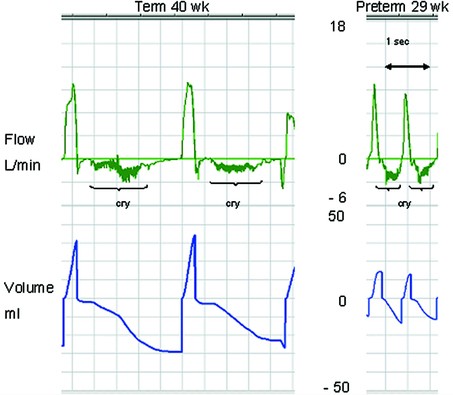
Premature babies often have immature lungs. Their breathing can be irregular and shallow. This happens because lung development is not complete. They may need extra help to breathe well. Prematurity increases the risk of breathing problems.
Environmental Impact
The environment around a newborn affects breathing. Poor air quality can cause breathing difficulties. Dust, smoke, and pollution are common triggers. Clean air helps the baby breathe easier. Room temperature also plays a role in comfort and breathing.
Sleeping Positions
Sleeping position influences newborn breathing patterns. Placing babies on their backs reduces risk of breathing issues. Stomach sleeping can block airways and is unsafe. Side sleeping is not recommended for newborns. Proper sleeping positions ensure clear and steady breathing.

When To Seek Medical Help
Newborns breathe differently than older children and adults. Their breathing can be irregular and fast at times. Knowing when to seek medical help is important. Some breathing patterns need urgent care to keep your baby safe.
Warning Signs
Watch for fast breathing over 60 breaths per minute. Notice if your baby’s chest pulls in with each breath. Look for bluish lips or face. Listen for grunting sounds or wheezing. If your baby is very sleepy or hard to wake, act quickly.
Emergency Situations
If your baby stops breathing even for a few seconds, call emergency services. Severe difficulty in breathing needs immediate attention. If your newborn’s skin turns pale or blue, get help fast. Continuous crying or extreme fussiness with breathing trouble is serious. Do not wait or hesitate in these cases.
Preparing For Doctor Visits
Write down all symptoms and when they started. Note your baby’s breathing rate and any unusual sounds. Take a video if possible to show the doctor. Share any changes in feeding or sleeping habits. Bring your baby’s health records to the appointment.
Supporting Healthy Breathing
Supporting healthy breathing in newborns is very important. Babies have delicate lungs and need gentle care to breathe well. Parents can help by creating a safe space and watching their baby closely. Simple breathing exercises may also help strengthen their lungs.
Creating A Safe Sleep Environment
Place your baby on their back to sleep. This position helps keep airways open. Use a firm mattress with a fitted sheet only. Avoid pillows, blankets, and stuffed toys in the crib. Keep the room at a comfortable temperature to prevent overheating. A safe sleep space lowers breathing problems risks.
Monitoring Techniques
Watch your baby’s breathing pattern daily. Look for steady, calm breaths without gasping or wheezing. Count their breaths for 30 seconds, then double it. Normal rates vary between 30 to 60 breaths per minute. Use a baby monitor with sound and movement detection. Seek advice if breathing seems fast, slow, or irregular.
Breathing Exercises For Infants
Gentle massages on the chest can encourage breathing. Lightly stroke the baby’s back while they lie on your lap. Practice calm, slow breathing near your baby. This can help them relax and breathe deeply. Always be gentle and stop if the baby feels uncomfortable. These exercises support lung strength and better airflow.

Frequently Asked Questions
What Are Normal Breathing Patterns In Newborns?
Newborns typically breathe 30-60 times per minute. Their breathing may be irregular, with pauses up to 10 seconds. This pattern is normal and usually stabilizes by two months of age.
Why Do Newborns Have Irregular Breathing?
Newborns have immature nervous systems, causing irregular breathing. Their breathing may be fast, slow, or pause briefly. This is normal and helps their lungs adjust to life outside the womb.
When Should I Worry About Newborn Breathing?
Seek medical help if your newborn has persistent fast breathing, blue lips, grunting, or long pauses over 20 seconds. These signs may indicate respiratory distress or infection.
How Can I Monitor My Newborn’s Breathing?
Watch your newborn’s chest rise and fall. Count breaths for one full minute. Note any irregularities like pauses, gasping, or labored breathing to inform your pediatrician.
Conclusion
Newborn breathing patterns can change often and seem irregular. This is normal and usually not a concern. Parents should watch for signs like long pauses or blue lips. Understanding these patterns helps you stay calm and informed. Always ask a doctor if you feel unsure or worried.
Healthy breathing is key to a newborn’s growth and comfort. Stay patient and attentive as your baby adjusts to the world. Each breath shows life and strength in your little one.