Have you ever wondered why doctors ask about your urine output or why nurses keep track of it so carefully? Monitoring urine output is more than just a routine check—it’s a powerful way to understand what’s happening inside your body.
Whether you’re managing a health condition or just want to stay informed about your well-being, knowing how to track your urine output can give you valuable insights. Keep reading to discover why this simple habit matters and how it can help you take control of your health like never before.

Importance Of Urine Output
Monitoring urine output is a simple yet important way to check health. It gives clues about how well the body is working. Urine output shows how the kidneys and other organs function. It also helps spot problems early. Paying attention to urine output helps keep health on track.
Indicator Of Kidney Health
Urine output reveals how well kidneys filter waste. Low output may signal kidney problems or damage. Healthy kidneys remove toxins and keep fluids balanced. Changes in urine amount can warn of kidney failure. Regular checks help catch kidney issues early.
Signs Of Dehydration
Urine output shows the body’s hydration level. Dark, strong-smelling urine often means dehydration. Low urine volume is a common dehydration sign. Proper hydration keeps organs working well. Watching urine helps prevent severe dehydration risks.
Detecting Urinary Tract Issues
Changes in urine output may indicate urinary tract problems. Pain, burning, or frequent urination suggest infection. Sudden drops in urine can mean blockages or stones. Early detection helps treat infections before they worsen. Urine output is a key health signal.
How To Measure Urine Output
Measuring urine output is important for tracking health. It helps detect dehydration, kidney problems, and other conditions. Knowing how to measure urine output correctly ensures reliable data for care.
Collecting The Sample
Use a clean container to collect urine. Make sure the container is dry and free of dust. Collect urine at a steady time, preferably right after urination. Avoid touching the inside of the container.
Using Measurement Tools
Use a graduated cylinder or a marked container to measure urine. These tools show exact volume in milliliters or ounces. Pour urine slowly to avoid spilling. Check the measurement at eye level for accuracy.
Recording Volume Accurately
Write down the amount immediately after measuring. Note the time of collection along with the volume. Record the data in a log or chart. Accurate records help track changes and guide treatment.
Factors Affecting Urine Output
Urine output varies based on many different factors. Understanding these helps track health better. Changes in urine volume can signal hydration levels or medical issues. Several key elements influence how much urine the body produces daily.
Fluid Intake And Diet
The amount of fluid consumed directly affects urine output. Drinking more water usually means producing more urine. Foods rich in water, like fruits and vegetables, also increase urine volume. Salty or spicy foods can make the body retain water, lowering urine output.
Medications And Health Conditions
Certain medicines change urine production. Diuretics cause the body to release more urine. Some drugs can reduce urine output by affecting kidney function. Health problems like diabetes or kidney disease alter how much urine the body makes. Monitoring these changes helps manage the condition well.
Environmental Influences
Weather and temperature impact urine output too. Hot weather causes sweating, reducing urine volume. Cold weather lowers the need to urinate because the body conserves water. Physical activity can also change urine output by increasing fluid loss through sweat.
Common Mistakes To Avoid
Monitoring urine output is important for tracking health. Mistakes can lead to wrong information and poor care. Avoiding common errors helps get clear and useful data. Understanding these mistakes makes monitoring easier and more accurate.
Inconsistent Timing
Measuring urine at random times causes unreliable results. Regular intervals give better insight into kidney function and hydration. Follow a strict schedule to collect urine samples. This practice helps detect problems early and track changes.
Improper Collection Methods
Using dirty containers can contaminate samples. This affects test results and may cause false readings. Always use clean, sterile containers for collection. Avoid touching inside the container or lid to keep samples pure.
Ignoring Color And Odor Changes
Urine color and smell provide important health clues. Changes might signal infections or dehydration. Never overlook unusual smells or colors. Note these changes and report them to a healthcare provider for advice.
When To Seek Medical Advice
Monitoring urine output helps track your health. Some changes need quick medical advice. Knowing when to seek help can prevent serious problems.
Sudden Changes In Output
A sudden drop or increase in urine output is a warning sign. It may show dehydration, kidney issues, or other health problems. Seek medical advice if output changes fast and lasts more than a day.
Pain Or Discomfort During Urination
Feeling pain or burning while urinating is not normal. It may indicate infection or inflammation. Medical advice is necessary to find the cause and start treatment early.
Presence Of Blood Or Unusual Colors
Blood in urine or strange colors like dark brown or cloudy urine need attention. These signs can point to infections, stones, or other conditions. Contact a healthcare provider to check these symptoms.
Tools And Apps For Tracking
Tracking urine output is important for health monitoring. It helps detect changes in hydration and kidney function. Various tools and apps make this task easier and more accurate. These options suit different needs and preferences.
Manual Logbooks
Manual logbooks are simple and reliable. They let you write down urine output daily. Using a notebook or printed sheets works well. This method requires no technology or special skills. It helps create a clear record over time. You can track patterns and share data with a doctor easily.
Digital Tracking Apps
Digital tracking apps offer convenience and speed. They allow quick input of urine volume on a smartphone or tablet. Many apps include reminders to log output regularly. Some provide charts to visualize trends over days or weeks. These apps also store data securely for easy access. They suit people comfortable with mobile devices.
Integrating With Health Devices
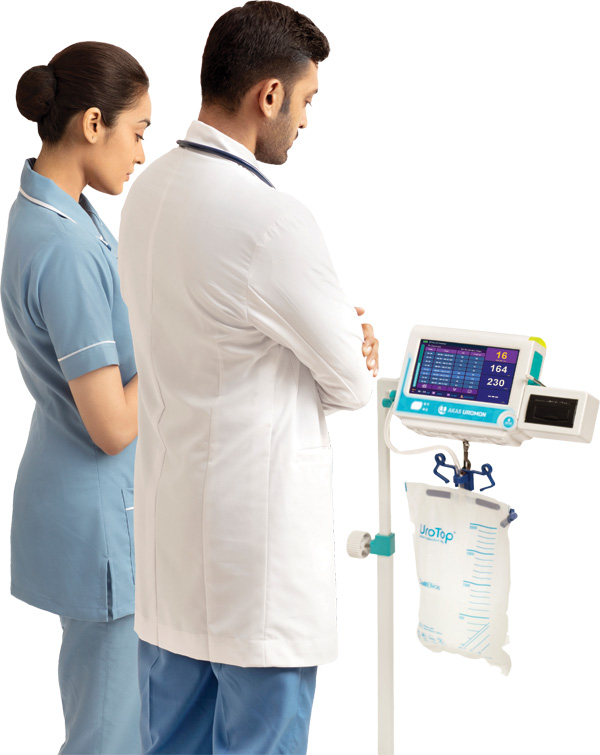
Some health devices connect with tracking apps. Smart bottles or sensors measure urine output automatically. These devices send data directly to apps or health platforms. This reduces manual errors and saves time. Integration helps monitor output continuously. It is useful for patients needing close observation.

Frequently Asked Questions
What Is The Importance Of Monitoring Urine Output?
Monitoring urine output helps assess kidney function and hydration status. It detects early signs of illness and guides medical treatment.
How Is Urine Output Measured Accurately?
Urine output is measured using a collection container or catheter with markings. Precise timing and recording are essential for accuracy.
What Does Low Urine Output Indicate?
Low urine output may signal dehydration, kidney problems, or urinary blockage. It requires prompt medical evaluation for proper diagnosis.
How Often Should Urine Output Be Monitored?
Urine output is typically monitored hourly in critical care. In other settings, it depends on the patient’s condition and doctor’s advice.
Conclusion
Monitoring urine output helps track health and detect problems early. It gives clear signs of how the body works. Regular checks support better care and quick action if needed. Keeping an eye on urine helps catch issues before they get worse.
Simple habits can improve health and comfort. Stay aware, stay healthy.