When your newborn starts coughing, it can be scary and stressful for you as a parent. You want to do everything possible to help your little one feel better quickly.
But with so many remedies out there, how do you know what’s safe and effective? You’ll discover simple, gentle ways to ease your baby’s cough at home. Keep reading to learn how to comfort your newborn and bring peace back to your family.

Common Causes Of Newborn Cough
Newborn cough can worry many parents. Understanding what causes it helps in finding the right care. Several reasons can make a newborn cough. Knowing these causes can ease your mind and guide you to proper remedies.
Viral Infections
Most newborn coughs happen due to viral infections. Common viruses include the cold and flu viruses. These viruses irritate the throat and airways. The cough helps clear mucus and germs. Newborns get these infections easily because their immune systems are still growing.
Allergies And Irritants
Allergies can cause coughing in newborns. Dust, smoke, or strong smells may trigger this. These irritants make the baby’s airways sensitive. The cough tries to remove the irritants. Avoiding smoke and keeping the baby’s room clean helps reduce coughing.
Reflux And Other Conditions
Acid reflux can lead to coughing in newborns. Stomach acid flows back into the throat, causing irritation. This triggers a cough to protect the airway. Other conditions, like asthma or infections, might also cause coughing. Always observe the baby’s symptoms carefully.
When To Seek Medical Help
Knowing when to seek medical help for a newborn’s cough is very important. Coughs can be common, but some signs show the illness might be serious. Acting fast can protect your baby’s health.
Signs Of Serious Illness
Watch for fever over 100.4°F (38°C). A baby who is very sleepy or hard to wake needs help. If your baby stops feeding or shows trouble breathing, these are warning signs. Bluish lips or face means urgent care is needed. Loud wheezing or continuous coughing that lasts more than a week should be checked by a doctor.
Emergency Symptoms To Watch
If your baby has fast or shallow breathing, seek help right away. Chest pulling in with each breath is a red flag. Persistent vomiting or refusal to drink fluids can cause dehydration. Seizures or sudden changes in alertness require immediate medical attention. Any sign of choking or inability to cry or cough strongly needs emergency care.
Safe Home Remedies
Newborn coughs can worry parents. Safe home remedies help ease coughing gently. These methods support your baby’s comfort. They do not use harsh medicines or chemicals. Always watch your baby closely for any changes.
Humidifiers And Steam
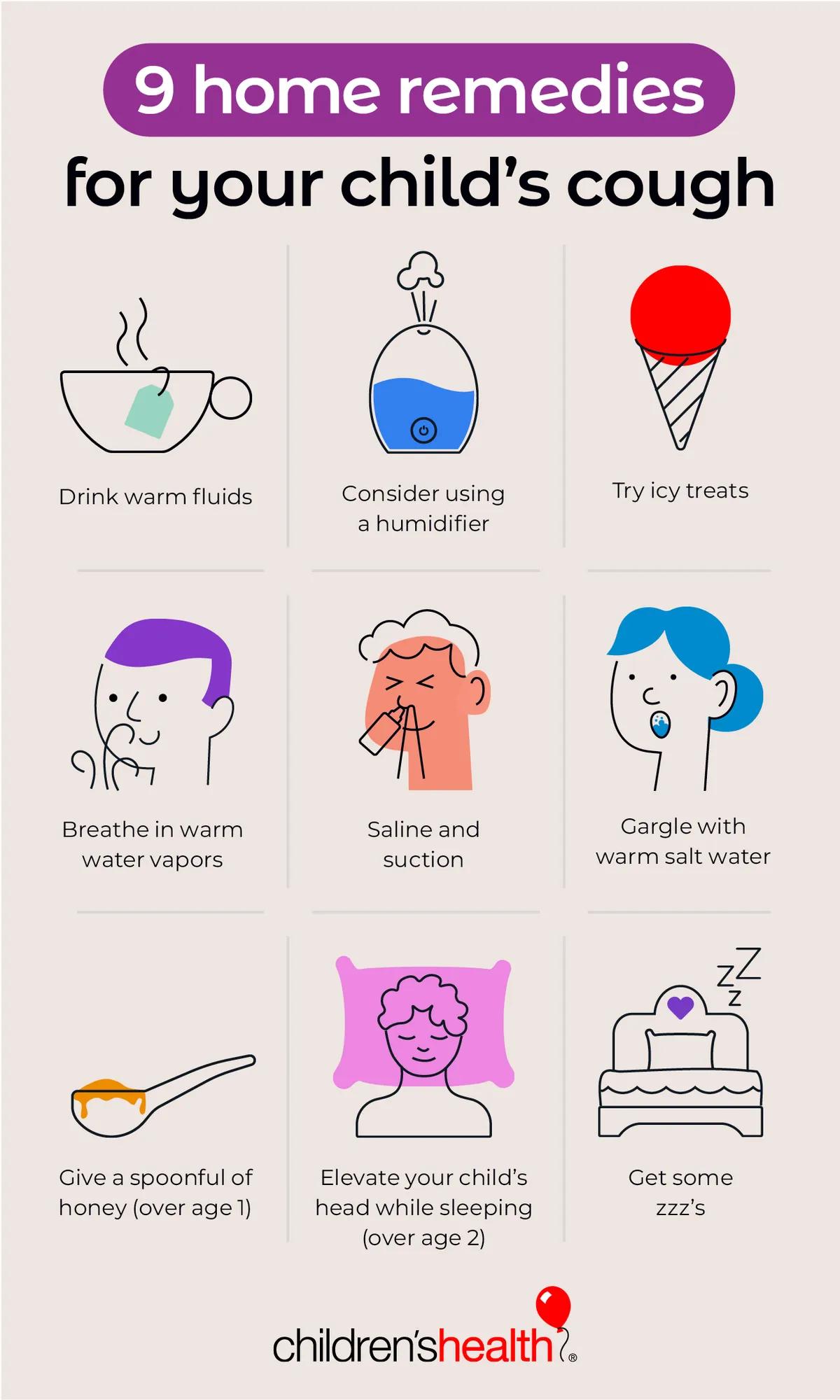
Humidifiers add moisture to dry air. Moist air soothes your baby’s throat. Use a cool mist humidifier near the crib. Avoid hot steam, as it can burn delicate skin. Another option is running a warm shower. Sit in the bathroom with your baby for a few minutes. The steam helps clear mucus and eases coughing.
Proper Hydration
Water and breast milk keep your baby hydrated. Fluids thin mucus and reduce throat irritation. Feed your baby more often than usual. Small, frequent feeds work best. Avoid sugary drinks or juices for newborns. Hydration helps your baby recover faster.
Elevating Baby’s Head
Elevate your baby’s head slightly during sleep. Use a firm pillow or raise the mattress end. This position helps mucus drain and eases breathing. Do not use loose pillows or soft bedding. Always keep your baby safe and secure while sleeping.
Soothing Techniques
Newborn coughs can be tough for both babies and parents. Soothing techniques help calm your baby and ease coughing. These simple methods support comfort and may improve breathing. Gentle care helps your little one feel safe and loved during illness.
Gentle Chest Rubs
Use a small amount of baby-safe balm or oil. Rub it softly on your baby’s chest and back. The warmth and scent can help open airways. Always test a small skin area first to avoid irritation. Never use strong or menthol products on newborns.
Comforting And Holding
Hold your baby upright to help with coughing. Rocking gently can calm fussiness and reduce cough severity. Skin-to-skin contact offers warmth and comfort. Your voice and heartbeat create a soothing environment. This closeness helps your baby feel secure and relaxed.
Using Saline Drops
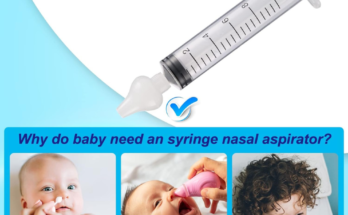
Saline drops loosen mucus in your baby’s nose and throat. Place a few drops in each nostril before feeding or sleeping. This helps your baby breathe easier and cough less. Use a bulb syringe to gently remove mucus after drops. Always follow dosage instructions from your pediatrician.
Avoiding Common Mistakes
Taking care of a newborn with a cough requires caution. Simple mistakes can make the cough worse or cause other problems. Avoiding these common errors helps your baby recover faster and stay safe.
Understanding what not to do is as important as knowing what to do. This section highlights key mistakes to avoid.
Overusing Medication
Giving too much medicine can harm your baby. Many cough medicines are not safe for newborns. Always follow the doctor’s advice. Never give adult cough syrup to a newborn. Overusing medication can cause side effects and delay healing. Natural remedies and gentle care often work better.
Ignoring Environmental Triggers
Air quality affects your baby’s cough. Smoke, dust, and strong smells make coughing worse. Keep the baby’s room clean and free of irritants. Use a humidifier to add moisture to dry air. Avoid exposing your baby to cold drafts. Small changes in the environment can help reduce coughing.
Preventing Future Coughs
Preventing future coughs in newborns is important for their health. Small steps can help protect your baby from getting sick again. A clean environment, strong immunity, and regular doctor visits are key. These habits lower the chance of coughs and infections.
Maintaining Clean Air
Keep the air around your baby fresh and clean. Avoid smoke and strong smells near your newborn. Use an air purifier to remove dust and allergens. Open windows for fresh air when weather allows. Clean your home often to reduce germs. This helps your baby breathe easier and stay healthy.
Boosting Baby’s Immunity
Feed your baby breast milk if possible. It gives important nutrients and antibodies. Keep your baby warm and rested to support health. Limit contact with sick people to avoid germs. Use gentle, natural products on your baby’s skin. Strong immunity helps fight off coughs and colds faster.
Regular Pediatric Checkups
Visit your baby’s doctor regularly for checkups. The doctor can spot early signs of illness. Vaccinations protect your baby from many infections. Ask the doctor about cough remedies and care tips. Regular visits help catch problems before they get worse. Stay proactive for your baby’s well-being.
Frequently Asked Questions
What Are Safe Remedies For Newborn Cough?
Safe remedies include humidifiers, saline drops, and gentle suctioning. Keep the baby hydrated and avoid over-the-counter cough medicines unless prescribed by a doctor.
When Should I See A Doctor For Newborn Cough?
Consult a doctor if the cough lasts more than a week, worsens, or if your baby has difficulty breathing, fever, or poor feeding.
Can Honey Help A Newborn’s Cough?
No, honey is not safe for babies under one year due to the risk of botulism. Use other safe remedies recommended by pediatricians.
How To Relieve Newborn Cough Naturally At Home?
Use a cool-mist humidifier, keep the air clean, elevate the baby’s head slightly, and ensure proper hydration to ease coughing naturally and safely.
Conclusion
Caring for a newborn’s cough needs gentle and safe steps. Simple home remedies often bring relief quickly. Keep your baby comfortable and watch for any changes. Always consult a doctor if cough worsens or lasts long. A calm and attentive approach helps your little one heal.
Remember, small actions make a big difference in recovery. Stay patient and caring through this tender time. Your baby’s health is the top priority.