If you’re a parent, nothing worries you more than your newborn feeling unwell. Ear infections are common in babies, but spotting the signs early can make all the difference.
You might wonder, “Is my baby pulling at their ear? Are they fussier than usual? ” These could be clues your little one is dealing with an ear infection. Knowing what to look for helps you act quickly, easing your baby’s discomfort and preventing complications.
Keep reading to discover the key signs of newborn ear infections and how you can protect your baby’s health right now.
Common Causes
Newborn ear infections happen for several reasons. Understanding common causes helps parents spot signs early. These infections often come from germs that enter the ear. Some types of germs cause more problems than others.
Bacterial Infections
Bacteria often cause ear infections in newborns. These tiny germs enter the middle ear through the Eustachian tube. Bacteria multiply quickly and cause pain and swelling. Common bacteria include Streptococcus and Haemophilus species. They can cause redness and fluid buildup behind the eardrum.
Viral Infections
Viruses also cause ear infections. They often follow a cold or flu. Viruses weaken the immune system, allowing infection to spread to the ear. These infections may cause less pus but still cause discomfort. Common viruses include respiratory syncytial virus (RSV) and influenza.
Risk Factors
Several factors increase the chance of ear infections in newborns. Exposure to cigarette smoke irritates the ear and lungs. Bottle feeding while lying down can trap fluid in the ear. Crowded places increase the spread of germs. Babies with colds or allergies have more ear infection risks. Premature babies or those with weak immunity face higher risks too.
Recognizing Symptoms
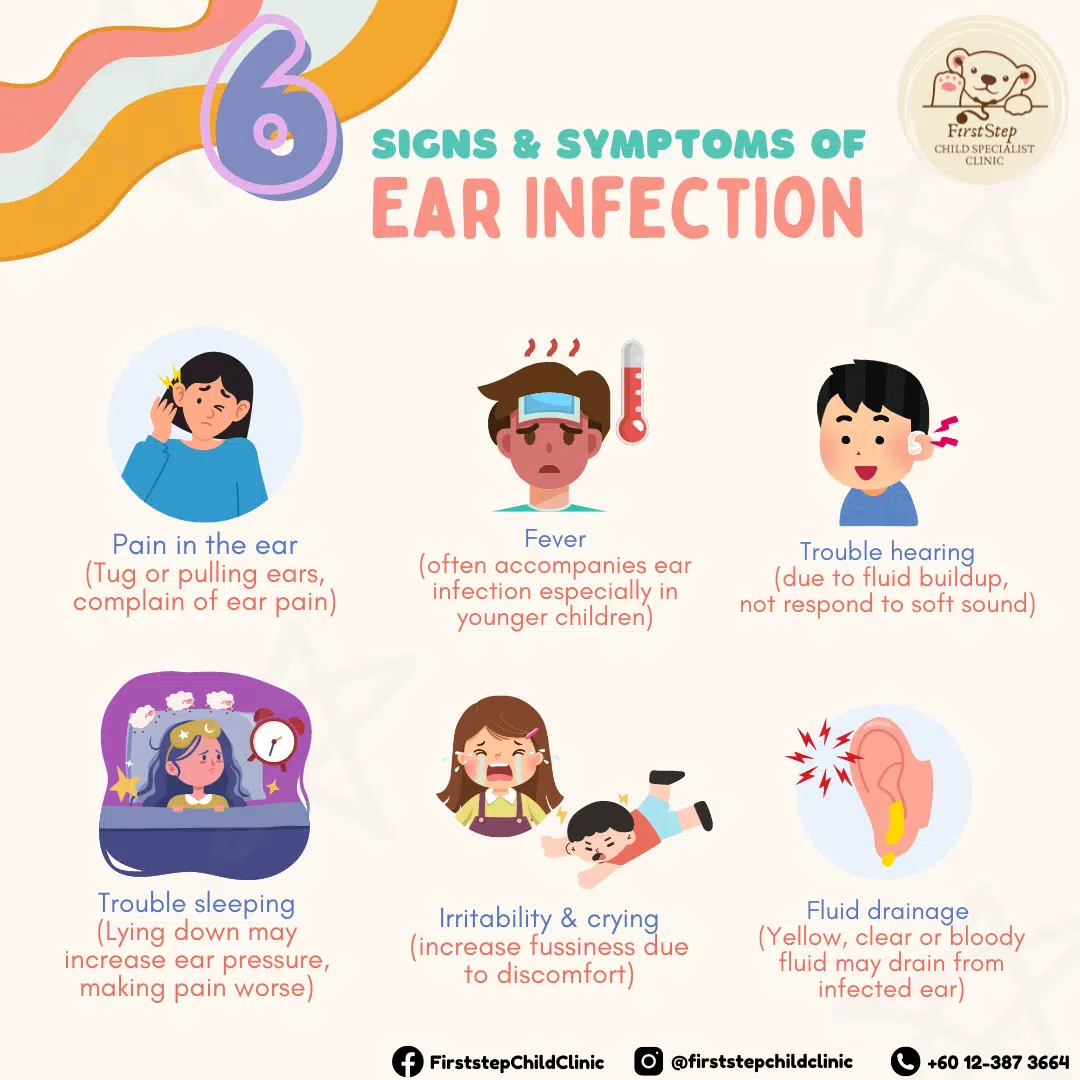
Recognizing the signs of an ear infection in a newborn is important. Early detection can help prevent complications. Newborns cannot tell you what hurts, so watch for behavior changes. Parents and caregivers must learn to spot common symptoms. These signs often point to discomfort or infection in the ear.
Fussiness And Crying
A newborn with an ear infection may cry more than usual. Fussiness can show because of pain or discomfort. The baby might be harder to soothe. Notice if crying increases during feeding or lying down.
Pulling Or Tugging Ears
Babies often pull or tug at their ears if they feel pain. This action is a simple way to express discomfort. Look for repeated touching of one or both ears. It is a common sign of ear trouble.
Difficulty Sleeping
Ear infections can make it hard for babies to sleep well. Lying down may increase ear pain. Watch if your newborn wakes often or resists sleep. Sleep disruptions can indicate an ear problem.
Fluid Drainage
Fluid or pus draining from the ear is a clear sign of infection. The discharge may be yellow, white, or bloody. Check the ears gently for any wetness or crusts. This symptom needs prompt medical attention.
Fever And Irritability
Many babies with ear infections develop a mild to high fever. Irritability often accompanies the fever. The baby may seem restless and uncomfortable. Monitor temperature and mood changes closely.
When To Seek Help
Knowing when to seek help for a newborn ear infection is very important. Early care can prevent problems from getting worse. Parents must watch for certain signs that show the infection is serious or not going away.
Trust your instincts. If your baby seems very uncomfortable or sick, do not wait to get help. The following signs need quick attention from a doctor or healthcare provider.
Persistent Symptoms
Ear pain or pulling at the ear that lasts more than two days is a red flag. If your baby cries a lot or seems restless without relief, the infection might be worsening. Keep track of how long symptoms continue. Persistent symptoms mean the infection may need medical treatment.
High Fever
A fever above 100.4°F (38°C) in a newborn can be dangerous. High fever with ear pain often means the infection is serious. Fever that does not go down with medication or lasts more than 24 hours requires immediate medical care. Never ignore a high fever in a newborn.
Feeding Difficulties
Newborns with ear infections may have trouble feeding. Pulling away from the breast or bottle, refusing to eat, or choking can happen. Poor feeding can lead to dehydration and weakness. Seek help if your baby shows these signs or has less wet diapers than usual.
Diagnosis Methods
Diagnosing a newborn ear infection requires careful steps. Doctors use different methods to find signs of infection. These methods help confirm if the baby has an ear infection and how severe it is.
Physical Examination
The doctor will gently check the baby’s ears and head. They look for redness, swelling, or fluid. The doctor also listens for signs of pain or discomfort. They may check the baby’s temperature and general health.
Ear Inspection Tools
Doctors use special tools to look inside the ear. An otoscope helps see the ear canal and eardrum clearly. It shows if the eardrum is red, bulging, or has fluid behind it. This tool gives a clear view of the infection signs.
Additional Tests
Sometimes, more tests are needed. A tympanometry test measures how the eardrum moves. It shows if there is fluid in the middle ear. In rare cases, the doctor may order a hearing test. This checks if the infection affects the baby’s hearing.
Treatment Options
Newborn ear infections need quick and careful treatment. The right treatment helps your baby feel better fast. It also stops the infection from getting worse. This section explains common treatment options used by doctors.
Antibiotics Use
Doctors often prescribe antibiotics for newborn ear infections. Antibiotics fight the bacteria causing the infection. It is important to give the full course of medicine. Stopping early can let the infection return. Always follow the doctor’s instructions closely.
Pain Relief
Ear infections can cause pain and discomfort for babies. Pain relief helps soothe your baby. Doctors may recommend safe painkillers made for infants. These medicines reduce fever and ease ear pain. Never give adult pain medicine to a newborn.
Home Care Tips
Simple care at home supports healing. Keep your baby comfortable and calm. Use a warm cloth near the ear to ease pain. Make sure your baby drinks enough fluids. Avoid smoke and loud noises that can irritate the ear. Watch for any changes and talk to your doctor if needed.

Preventive Measures
Preventing ear infections in newborns is very important. Simple steps can lower the risk. These steps help keep your baby safe and healthy. Good habits and care can make a big difference.
Hygiene Practices
Keep your baby’s ears clean and dry. Use a soft cloth to wipe around the ear. Avoid putting cotton swabs inside the ear canal. Wash your hands before touching your baby. Clean toys and pacifiers often. These habits stop germs from spreading.
Avoiding Smoke Exposure
Smoke can harm your baby’s ears and lungs. Keep your baby away from cigarette smoke. Do not allow smoking inside your home or car. Smoke makes ear infections more common and severe. Fresh air helps your baby stay healthier.
Vaccinations
Vaccines protect babies from many illnesses. Some vaccines lower the risk of ear infections. Follow the vaccination schedule given by your doctor. Vaccines build your baby’s defense against infections. Staying up-to-date with shots is a strong protection.
Potential Complications
Newborn ear infections can lead to serious health problems if not treated quickly. These complications affect a baby’s growth and daily life. Parents should know the risks to protect their child better.
Hearing Problems
An ear infection can cause hearing loss in newborns. Fluid buildup or damage inside the ear blocks sound. This loss can delay speech and learning skills. Early treatment helps prevent lasting hearing damage.
Recurring Infections
Some babies get ear infections again and again. Each infection can make the ear weaker. Repeated infections may cause more pain and long-term damage. Doctors may suggest special care to stop this cycle.
Balance Issues
The ear also controls balance in the body. An infection can disturb this function. Babies may seem unsteady or have trouble sitting up. Balance problems can affect their ability to move and explore.
Frequently Asked Questions
What Are Common Signs Of A Newborn Ear Infection?
Common signs include irritability, pulling at the ear, trouble sleeping, fever, and fluid drainage. Babies may also be fussy or feed poorly due to ear pain.
How Can I Tell If My Newborn Has An Ear Infection?
Look for symptoms like persistent crying, ear tugging, fever, and difficulty sleeping. A doctor’s diagnosis is essential for proper treatment.
When Should I See A Doctor For My Baby’s Ear Infection?
If your newborn shows signs like fever, ear pain, or fluid discharge, see a doctor promptly. Early treatment prevents complications and eases discomfort.
Can A Newborn Ear Infection Cause Fever?
Yes, fever is a common symptom of ear infections in newborns. It indicates the body is fighting infection and requires medical evaluation.
Conclusion
Recognizing newborn ear infection signs helps protect your baby’s health. Watch for fussiness, tugging at ears, or fever. Early care can ease discomfort and prevent problems. Don’t wait if symptoms stay or worsen. Trust your instincts and seek medical advice.
Keeping your baby comfortable matters most. Stay alert and act quickly for their well-being. Simple steps make a big difference.