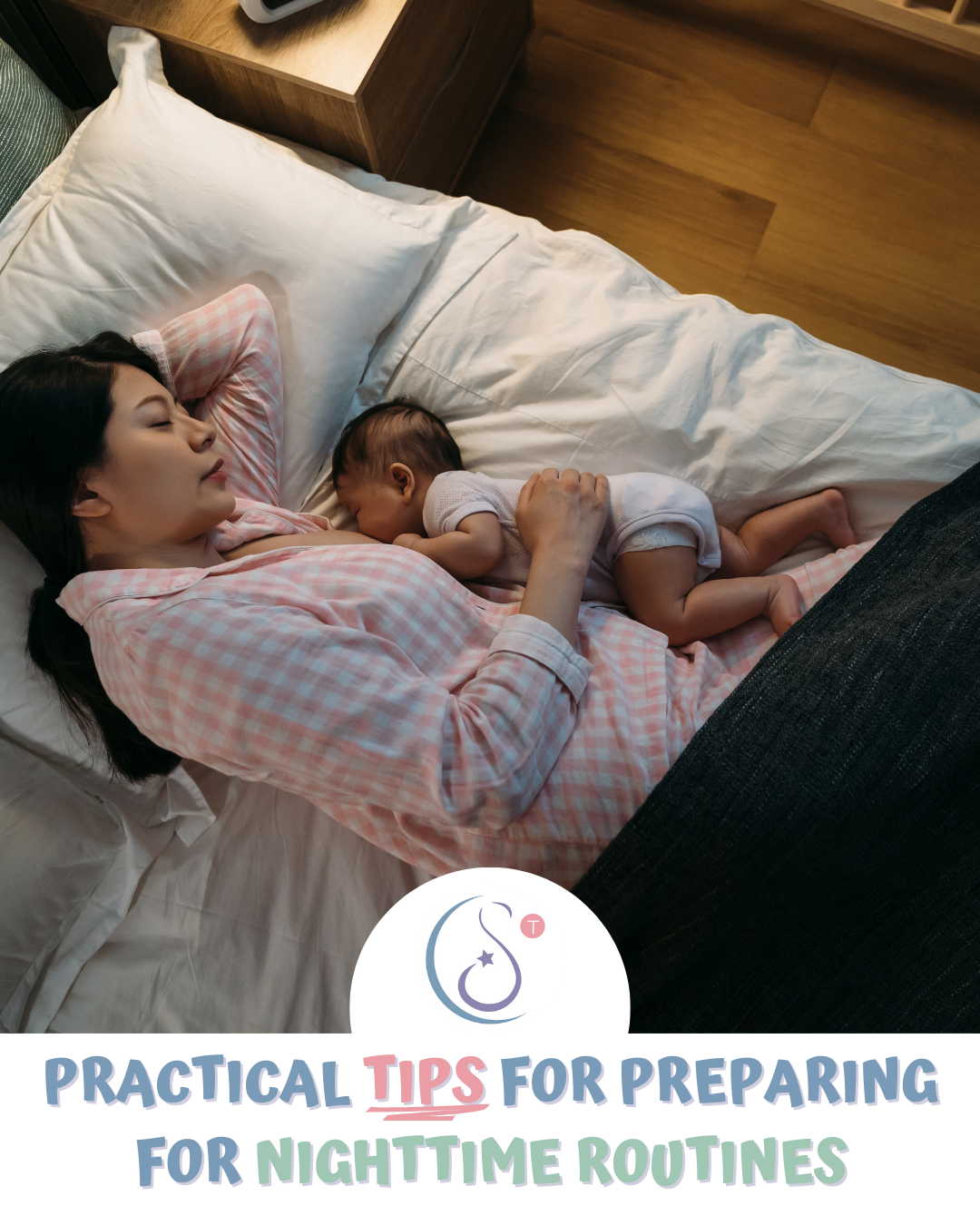
Feeding your newborn at night can feel overwhelming and exhausting. You might wonder how to make these moments easier for both you and your baby.
What if you could find simple tips that help your little one feed better and help you get through the night with less stress? You’ll discover practical, easy-to-follow advice that can turn those challenging nighttime feedings into smoother, more peaceful experiences.
Keep reading to learn how to care for your baby and yourself during those quiet hours.
Night Feeding Basics
Feeding a newborn at night is a key part of early parenting. It helps your baby grow and stay healthy. Understanding night feeding basics makes this time easier for both you and your baby. Knowing when and how to feed your baby at night can bring comfort and calmness to the whole family.
Newborns need frequent feeding, day and night. Their tiny stomachs empty quickly. Night feeding provides the energy they need to develop. It also helps keep their blood sugar steady. Learning the signs of hunger and why feeding matters helps you respond with care.
Why Night Feeding Matters
Night feeding supports your baby’s growth and brain development. Babies burn a lot of energy even while they sleep. Feeding at night helps refill their energy stores. It also keeps their body systems working well. Missing night feeds can make babies fussy and unsettled.
Night feeding builds a strong bond between you and your baby. The quiet moments together offer comfort and security. This connection helps your baby feel safe and loved. It also helps you understand your baby’s needs better.
Signs Your Newborn Is Hungry
Babies show many signs when they are hungry. Early signs include sucking on their hands or lip smacking. They may turn their head toward your chest. Crying is a late sign of hunger. Try to feed before your baby starts crying.
Watch for small movements and sounds. Rooting, or moving their mouth toward your breast, is a clear sign. Squirming and fussing can also mean hunger. Recognizing these signs helps you feed your baby on time.
Preparing For Night Feeds
Preparing for night feeds helps make the process smooth and less stressful. Being ready saves time and lets you focus on your baby’s needs. A calm setup supports better sleep for both you and your newborn.
Creating A Calm Environment
Keep the lights low and soft to avoid waking your baby fully. Use a dim night light near the feeding spot. Speak softly or stay quiet to keep the mood peaceful. Avoid loud noises or sudden movements that can startle your newborn.
Choose a comfortable chair with good back support. Keep a cozy blanket nearby for warmth. Stay relaxed to help your baby feel safe and calm during feeds.
Essential Supplies To Keep Nearby
Have all feeding items within arm’s reach. This includes bottles, formula, breast pump, or nursing pillow. Keep burp cloths close for quick cleanups. Prepare diapers and wipes nearby for easy changes.
Having everything ready cuts down on interruptions. It lets you focus fully on feeding and soothing your baby. A small table or basket can help organize these supplies well.
Feeding Techniques For Night
Feeding a newborn at night can feel challenging. Babies wake often and need food to grow well. Good feeding techniques help both baby and parents rest better. Feeding gently and calmly keeps baby relaxed. This also helps the baby go back to sleep faster after feeding.
Different babies prefer different feeding methods. Some feed best at the breast, others take a bottle. Using the right technique makes night feeds smoother. It helps baby feel safe and comfortable during the night.
Breastfeeding Tips
Keep the room dim during night feeds. Bright lights can wake the baby more. Hold your baby close to your body. Skin-to-skin contact helps baby feel calm and secure. Try to keep your baby in a semi-upright position. This helps with milk flow and prevents choking.
Offer one breast per feeding to ensure baby gets enough milk. Burp your baby gently after feeding. This reduces discomfort from swallowed air. Use a nursing pillow to support your arms and back. This makes feeding easier and less tiring for you.
Bottle Feeding Tips
Choose a slow-flow nipple for night bottles. This slows milk flow and reduces choking risk. Hold your baby in a semi-upright position. This helps digestion and lowers spit-up chances. Keep the room quiet and dim to avoid waking baby fully.
Warm the bottle to body temperature for comfort. Test the milk temperature on your wrist before feeding. Take breaks during feeding to burp your baby. This helps release trapped air and keeps baby comfortable. Hold the bottle yourself rather than propping it up. This prevents choking and builds bonding.

Keeping Baby Calm And Sleepy
Keeping a newborn calm and sleepy during night feedings helps both baby and parents rest better. A calm baby feeds more easily and falls back asleep faster. Night feedings are less stressful when the environment stays peaceful and quiet.
Creating a soothing atmosphere supports baby’s natural sleep rhythms. Gentle actions and soft voices help keep the baby relaxed. This section shares simple tips to keep your newborn calm and sleepy during feeding times.
Soothing Strategies During Feeding
Use dim lighting to create a calm setting. Bright lights can wake the baby fully. Try soft rocking or gentle swaying to relax your baby. Speak softly or sing lullabies to comfort them.
Keep skin-to-skin contact during feeding. This closeness helps baby feel safe and warm. Offer a pacifier after feeding to ease fussiness. Slow and steady feeding lets your baby stay drowsy.
Avoiding Overstimulation
Limit loud noises and sudden movements near the baby. Too much noise can startle and wake them up. Dress baby in soft, comfortable clothes. Avoid changing diapers under bright lights.
Keep feeding time short and peaceful. Skip active play or talking during night feeds. Watch for signs that baby is full or sleepy. Respecting these signs prevents fussiness and helps baby settle quickly.
Managing Your Sleep
Managing your sleep during nighttime feedings is important for your health and energy. Newborns often wake several times at night. These wake-ups can make you feel very tired. Finding ways to rest while feeding helps you stay strong. Sharing duties with your partner or family can also ease the burden. These tips help you handle night feedings with less stress and more rest.
Resting While Feeding
Try to relax during feedings. Sit or lie in a comfortable position. Close your eyes for a few minutes. Deep breaths can calm your mind. Let your body rest even if you stay awake. Use a soft light to avoid waking fully. Quiet surroundings help you feel peaceful. Small moments of rest add up over time.
Sharing Night Duties
Ask for help from your partner or family. They can change diapers or soothe the baby. Take turns feeding if possible. This allows each person to sleep longer stretches. Communicate clearly about who does what and when. Teamwork makes night care easier and less tiring. Sharing duties keeps everyone more rested and happy.
When To Adjust Night Feeding
Adjusting night feeding is an important step as your newborn grows. It helps your baby sleep better and feel more comfortable. Knowing the right time to reduce night feedings can make this change smooth for both of you.
Watch your baby’s behavior and growth. These clues tell you when to change the night feeding routine. Gradual changes work best to keep your baby happy and healthy.
Signs Baby Is Ready To Sleep Longer
Your baby may start sleeping longer without waking up for food. They might seem full and satisfied after fewer feedings. Weight gain on the growth chart is a strong sign. Your baby also shows more alertness during the day. Less fussiness at night can mean they need fewer feeds.
Gradual Feeding Reduction Tips
Reduce night feedings slowly to avoid upsetting your baby. Try feeding less milk or shortening feeding time each night. Comfort your baby with gentle pats or soft sounds instead of feeding. Increase daytime feeding amounts to keep your baby full. Stay patient and consistent with your approach every night.

Frequently Asked Questions
How Often Should I Feed My Newborn At Night?
Newborns typically need feeding every 2 to 3 hours at night. This helps maintain their energy and supports healthy growth. Watch for hunger cues like rooting or sucking motions. Feeding on demand is important during the first few weeks to ensure proper nutrition and sleep patterns.
What Is The Best Position For Nighttime Feeding?
The best position for nighttime feeding is a comfortable, semi-upright hold. This reduces spit-up and helps your baby latch properly. Supporting your baby’s head and neck ensures safe swallowing. Experiment with positions like cradle or football hold to find what works best for both of you.
How Can I Keep My Newborn Calm During Night Feeds?
Keep lights dim and noise low to create a soothing environment. Use gentle rocking or soft humming to comfort your baby. Avoid stimulating activities to help them stay relaxed and ready to sleep after feeding. Calmness during feeds promotes better rest for both you and your newborn.
Should I Wake My Newborn For Night Feeding?
Yes, waking your newborn for night feeds is important if they sleep longer than 3-4 hours. This ensures they get enough nutrition and prevents low blood sugar. Consult your pediatrician for personalized advice based on your baby’s health and feeding schedule.
Conclusion
Feeding your newborn at night can feel tiring and hard. Small steps make a big difference. Keep calm and stay patient. Follow simple tips to help both you and baby rest. Night feedings will get easier with time. Trust your instincts and enjoy these quiet moments.
Every baby is unique. Find what works best for your family. Sleep will improve for everyone soon. You are doing a great job. Keep going!