You want to make sure your newborn is getting enough to eat, but how do you really know when your little one is full? It can feel confusing and stressful, especially if you’re new to parenting.
Understanding the signs your baby gives when they are satisfied can bring you peace of mind and help you avoid overfeeding or underfeeding. You’ll discover simple, clear ways to tell when your newborn is full, so you can feed with confidence and keep your baby happy and healthy.
Keep reading—you’re about to learn what every parent needs to know.

Recognizing Fullness In Newborns
Recognizing fullness in newborns helps parents know when feeding is complete. It prevents overfeeding and keeps babies comfortable. Each baby shows signs differently, but some clues are clear.
Watching these signs closely builds confidence in feeding routines. Trusting your baby’s signals supports healthy growth and happy moments.
Body Language Changes
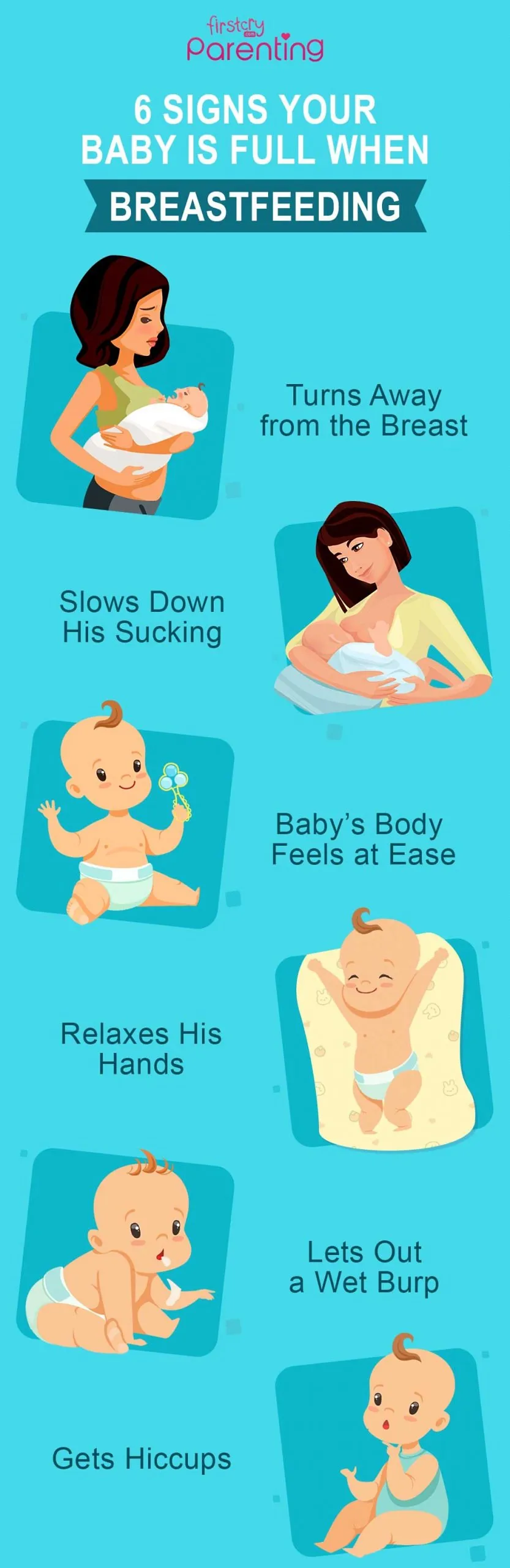
Newborns often turn their head away from the breast or bottle. Their hands may relax and open up. A sleepy or calm face shows they feel satisfied. These body signals mean the baby is done feeding.
Slower Or Stopping Sucking
The pace of sucking slows down as the baby fills up. Sometimes, sucking stops completely. This pause means the baby has enough milk and is ready to rest.
Less Interest In Feeding
Babies may lose interest in the nipple or bottle. They might fuss or push away gently. This behavior tells parents that feeding time has ended.
Content And Relaxed After Feeding
A full newborn looks calm and relaxed. They may smile or close their eyes peacefully. Being content signals they are satisfied and ready to sleep or play.
Common Feeding Behaviors
Understanding common feeding behaviors helps parents know when a newborn is full. Babies show clear signs during feeding that signal they have had enough milk.
Watching these behaviors closely makes feeding time easier. It also helps avoid overfeeding or fussiness after meals.
Slowing Down While Feeding
A newborn will start feeding quickly at first. Then, the sucking will slow down gradually. This slow sucking means the baby is getting full. The pauses between sucks will get longer. Eventually, the baby may stop sucking altogether. This is a good sign that the feeding session is ending.
Turning Away From The Bottle Or Breast
Babies may turn their head away from the bottle or breast. This action shows they no longer want milk. Turning away means the baby feels satisfied. It helps parents know to stop feeding. Forcing the baby to continue can cause discomfort.
Relaxed Hands And Body
When full, a baby’s hands and body relax. Tight fists open up and the arms loosen. The baby may look calm and peaceful. This relaxed state shows contentment after feeding. It means the baby is no longer hungry or stressed.
Physical Signs Of Satiety
Understanding when a newborn is full is important for good feeding. Babies show clear physical signs when they are satisfied. These signs help parents know the right time to stop feeding. Paying attention to these clues keeps feeding smooth and comfortable for the baby.
Sealing The Lips
One common sign a baby is full is sealing the lips. After feeding, the baby closes their mouth tightly. This shows they do not want more milk. It is a simple way babies say “I am done.”
Letting Go Of The Nipple
A baby who is full often lets go of the nipple gently. They stop sucking and release without fuss. This means they have had enough milk. Forcing the baby to continue can cause discomfort.
Content Facial Expressions
Full babies often have calm and relaxed faces. Their eyes may look sleepy or peaceful. Smiling or soft expressions also show satisfaction. A happy baby signals that feeding was enough.
Feeding Patterns And Duration
Understanding your newborn’s feeding patterns and how long they nurse helps you know when they are full. Babies have natural cues during feeding that signal satisfaction. Observing these signs can guide you to stop feeding at the right time. This reduces overfeeding and keeps your baby comfortable.
Shorter Feeding Sessions
When a baby feels full, feeding sessions become shorter. At first, they may nurse actively and eagerly. As they fill up, their sucking slows down. The baby may unlatch or pull away from the breast or bottle. Shorter feeds often mean your baby has had enough milk.
Pauses During Feeding
Pausing is another sign your newborn is full. Babies often take breaks during feeding to breathe or rest. These pauses may last a few seconds or longer. If the baby stays calm and relaxed, it shows they are satisfied. Frequent, longer pauses usually mean the baby is ready to stop feeding.
Behavioral Cues After Feeding
After feeding, a newborn shows clear signs that tell you they are full. These signs come from their behavior. Parents can learn to read these cues easily. Watching how your baby acts after feeding helps you understand their needs better.
Calmness And Sleepiness
A full baby often becomes calm and relaxed. Their body feels heavy and peaceful. Many babies close their eyes and fall asleep soon after feeding. This calmness shows their hunger is satisfied. Sleepiness is a natural way for babies to rest after eating.
Lack Of Interest In Feeding
When a baby is full, they stop showing hunger signs. They may turn away from the bottle or breast. The baby might stop sucking or push the nipple out gently. This lack of interest means they do not want more milk. Respecting this signal prevents overfeeding.
Tips For Parents To Monitor Fullness
Knowing when your newborn is full helps keep feeding smooth and stress-free. Parents can watch simple signs and track feeding habits. These tips help you see if your baby feels satisfied after feeding.
Keeping A Feeding Log
Write down feeding times and how long your baby nurses or drinks milk. Note any signs your baby shows during feeding. This record helps you see patterns and know if your baby feeds well. It also helps spot any feeding problems early.
Observing Baby’s Weight Gain
Check your baby’s weight regularly with your doctor. Steady weight gain shows your baby gets enough milk. Slow or no gain may mean your baby is not full. Weight helps confirm your feeding is on the right track.
Consulting Healthcare Providers
Talk to your doctor or nurse about your baby’s feeding habits. They can check if your baby is healthy and full after feeding. Professionals give advice on feeding amounts and frequency. They help you feel confident in your care.
When To Be Concerned
Knowing when to be concerned about your newborn’s feeding is important. Babies cannot tell us clearly if something is wrong. Watching their behavior closely helps you understand their needs. Sometimes, babies might eat too much or still feel hungry after feeding. Both situations require attention for their health and comfort.
Signs Of Overfeeding
Overfeeding can make your baby uncomfortable. Look for spitting up often after feeding. A very full belly can cause fussiness or crying. Your baby may seem restless or have trouble sleeping. Frequent gas or bloating may also happen. If these signs show often, try smaller, more frequent feedings.
Signs Of Hunger Despite Feeding
Some babies stay hungry even after feeding. They might cry loudly or seem unsettled. Watch for sucking on hands or rooting around. Your baby may want to feed again soon after a meal. Poor weight gain or fewer wet diapers can also signal hunger. Talk to your doctor if hunger signs continue despite feeding.

Frequently Asked Questions
How Can I Tell If My Newborn Is Full After Feeding?
A full newborn usually stops sucking and releases the nipple. They may fall asleep or turn away from the breast or bottle. Look for relaxed hands and a content expression. These signs indicate your baby is satisfied and no longer hungry.
What Are Common Signs Of A Satisfied Newborn After Feeding?
Signs include slowing or stopping sucking, relaxed body, and calm breathing. Your baby may let go of the nipple or bottle. They might also appear sleepy or quietly alert, showing they have had enough milk and feel comfortable.
How Often Should A Newborn Feed To Feel Full?
Newborns typically feed every 2 to 3 hours. Each feeding session lasts about 20 to 30 minutes. Feeding frequency ensures they get enough milk and stay full. Watch your baby’s hunger and fullness cues to adjust feeding times.
Can A Newborn Be Overfed And How To Avoid It?
Yes, overfeeding can cause discomfort and spit-up. Watch for fullness cues like turning away or losing interest. Feed on demand but avoid forcing extra milk. Responsive feeding helps prevent overfeeding and keeps your newborn comfortable.
Conclusion
Knowing when your newborn is full helps keep feeding stress low. Watch for signs like relaxed hands and slow sucking. Trust your baby’s cues—they know their needs best. Feeding should feel calm and gentle for both. Stay patient as you learn your baby’s rhythm.
This simple skill grows with time and care. Your baby’s comfort is the true guide to fullness. Keep observing, and feeding will become easier each day.