Feeding time with your baby should be a peaceful moment, but what happens when your little one becomes fussy and restless? You want to nourish your baby, but the crying and fussiness can make it stressful for both of you.
Imagine turning those challenging feeding sessions into calm, bonding experiences. You’ll discover simple, effective ways to soothe your fussy baby during feeding. These tips will help you feel more confident and make mealtime smoother for your baby—and for you. Keep reading to find out how to bring calm back to your feeding routine.
Common Reasons For Fussiness
Babies often become fussy during feeding. Understanding common reasons helps calm them quickly. Fussiness can signal different needs or discomforts. Recognizing these signs can ease feeding times and soothe your baby.
Hunger And Overfeeding
Hunger is the most common cause of fussiness. A baby may cry if they need more milk. Small, frequent feeds often work best. Overfeeding can also cause discomfort and fussiness. Watch for signs like spitting up or pulling away. Feeding slowly helps avoid overfeeding problems.
Gas And Digestive Discomfort
Gas can make babies very uncomfortable during feeding. Swallowing air while feeding may cause this. Babies may arch their back or cry loudly. Gentle burping breaks help release trapped air. Adjusting feeding position can reduce gas buildup.
Milk Flow Issues
Milk flow that is too fast or slow causes fussiness. Fast flow can choke or overwhelm the baby. Slow flow may frustrate a hungry baby. Using the right nipple size helps control flow. Patience and small breaks make feeding easier.
Preparing A Calm Feeding Environment
Preparing a calm feeding environment helps soothe a fussy baby. Babies feel safer and more relaxed in quiet, comfortable settings. This reduces fussiness and encourages better feeding. Small changes in the surroundings can make a big difference. Focus on creating a space that supports calm and focus during feeding times.
Reducing Noise And Distractions
Lower the volume of TVs, radios, and other devices. Turn off loud appliances to avoid startling your baby. Choose a quiet room for feeding sessions. Soft lighting helps create a peaceful mood. Keep toys and busy objects out of sight. Fewer distractions help your baby focus on feeding and feel calm.
Comfortable Feeding Positions
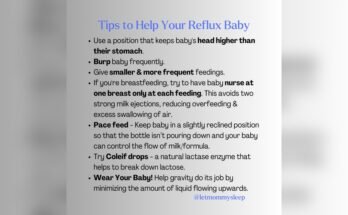
Hold your baby in a gentle, supportive way. Use pillows or cushions to support your arms and back. Find a position that keeps the baby’s head higher than their stomach. This helps with swallowing and digestion. Keep your baby close to your body for warmth and comfort. A comfortable position makes feeding easier and less stressful.
Effective Soothing Techniques
Soothing a fussy baby during feeding can be a challenge for many parents. Using effective calming techniques helps make feeding time peaceful. These methods reduce crying and help your baby feel safe and relaxed. Here are two simple and helpful techniques you can try at home.
Gentle Rocking And Swaddling
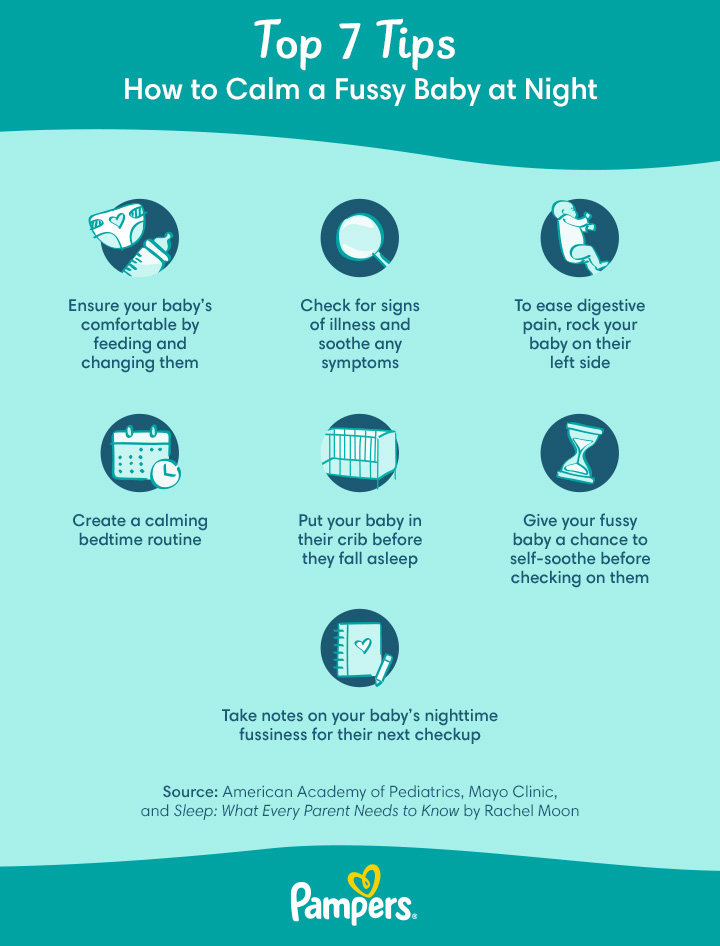
Rocking your baby softly can calm them quickly. Hold your baby close and move gently side to side. This motion mimics the feeling of being in the womb. Swaddling your baby wraps them snugly in a blanket. It gives a sense of warmth and security. Together, rocking and swaddling reduce fussiness and encourage feeding.
Pacifier Use During Feeding
A pacifier can soothe your baby’s need to suck. Offering a pacifier helps calm babies who want to suck but are not hungry. It can reduce crying and help them focus on feeding. Use a pacifier that fits well and is clean. Avoid forcing the pacifier, let your baby accept it naturally.

Feeding Strategies To Ease Fussiness
Feeding a fussy baby can be stressful. Babies may cry or turn away during feeding. Using gentle feeding strategies helps calm them. These methods make feeding times peaceful and comfortable. Patience and care are key to easing fussiness.
Paced Bottle Feeding
Paced bottle feeding mimics breastfeeding flow. Hold the baby upright and tilt the bottle slowly. Let the baby control the speed by pausing often. This prevents gulping and reduces gas or spit-up. It helps the baby feel full and calm. Use a slow-flow nipple to make feeding gentle.
Breastfeeding Tips To Encourage Latch
Ensure the baby’s mouth covers a large part of the areola. This creates a deep latch and reduces nipple pain. Hold the baby close with tummy to tummy position. Gently tickle the baby’s lips to open the mouth wide. Offer the breast when the baby is calm and alert. If the baby pulls away, try again calmly after a break.
Managing Gas And Burping
Babies often get fussy during feeding because of trapped gas. Managing gas well helps keep your baby calm and happy. Burping your baby correctly can reduce discomfort and fussiness. Gentle techniques make burping easier and more effective. Some parents use anti-gas remedies to soothe their baby’s tummy. Using these remedies safely is very important for your baby’s health.
Proper Burping Methods
Hold your baby upright against your chest. Support their head and gently pat or rub their back. Try sitting your baby on your lap and lean them forward slightly. Use a soft, steady rhythm to help release trapped air. Burp your baby after every few minutes of feeding. Wait a moment if your baby does not burp right away. Keep a cloth nearby to catch any spit-up during burping.
Using Anti-gas Remedies Safely
Talk to your doctor before giving any anti-gas drops. Use only the recommended dose on the package. Avoid homemade or unapproved remedies as they may harm your baby. Watch your baby for any allergic reactions or side effects. Stop using the remedy if your baby shows discomfort. Remember, gentle burping often works better than medicine alone.
When To Seek Medical Advice
Knowing when to seek medical advice is important for your baby’s health. Fussiness during feeding can be normal. But some signs need a doctor’s attention. Early care helps avoid bigger problems.
Signs Of Allergies Or Intolerances
Watch for rash, swelling, or vomiting after feeding. These can signal an allergy or intolerance. Frequent coughing or wheezing during feeds also matters. Your baby might have trouble digesting milk or formula. A doctor can help find the cause and suggest changes.
Persistent Fussiness And Weight Concerns
Fussiness that lasts many feedings is a red flag. Babies should gain weight steadily. If your baby is not gaining weight or losing weight, seek help. Constant crying or refusing to feed needs medical check. These signs show your baby may need extra care.

Frequently Asked Questions
How Can I Soothe A Fussy Baby During Feeding?
Try gentle rocking, soft singing, or a calm environment. Use slow, steady feeding to reduce fussiness and improve comfort.
What Causes A Baby To Become Fussy While Feeding?
Hunger, gas, tiredness, or discomfort can cause fussiness. Check for proper latch, feeding position, or possible allergies.
When Should I Consult A Doctor For Feeding Fussiness?
Consult if fussiness persists, baby refuses feeding, or shows weight loss. Persistent crying or feeding difficulty needs professional advice.
Can Feeding Position Affect A Baby’s Fussiness?
Yes, a comfortable, upright position helps reduce gas and choking. Proper support ensures better feeding and less fussiness.
Conclusion
Calming a fussy baby during feeding takes patience and care. Small changes can make feeding time easier for both. Gentle rocking, soft sounds, and a calm voice help soothe your baby. Watch for hunger cues and stay relaxed yourself. Each baby is different, so try what works best.
Feeding can become a peaceful moment you both enjoy. Keep trying, and trust your instincts as a parent.