If you’re a new parent, figuring out when your newborn is hungry can feel confusing and stressful. You want to make sure your baby is fed on time, but sometimes the signs are subtle or unclear.
Knowing exactly what to look for can help you respond quickly and keep your little one calm and happy. You’ll discover the key signs that show your newborn is hungry, so you never miss a feeding and can feel confident in caring for your baby’s needs.
Keep reading—understanding these signals will make a big difference for both you and your baby.
Why Early Hunger Signs Matter
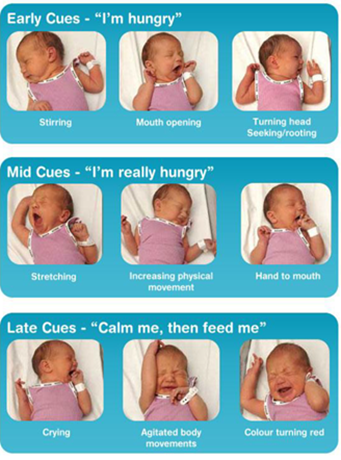
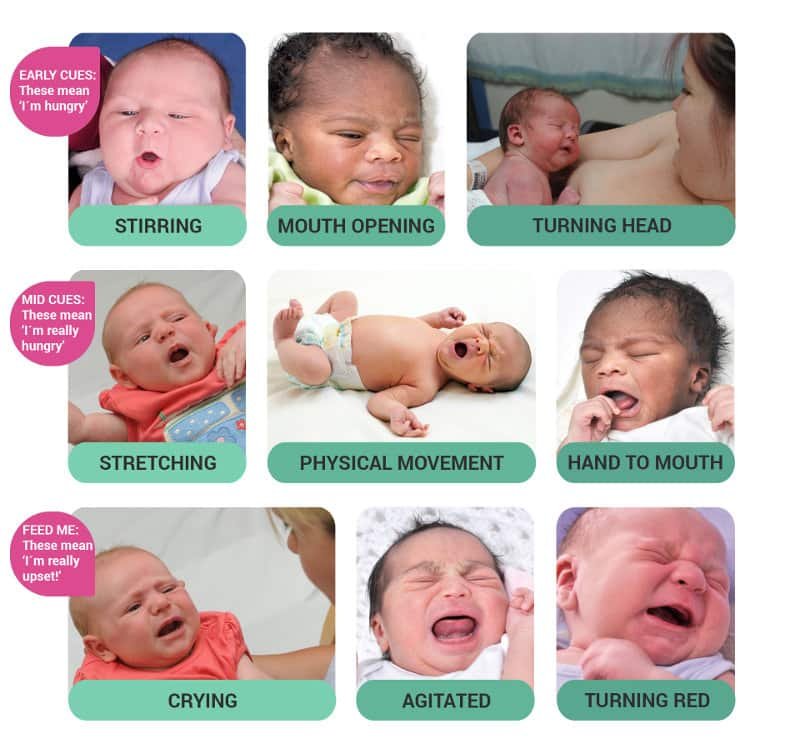
Noticing early signs of hunger in a newborn is very important. These signs help caregivers feed the baby before crying starts. Crying is a late hunger signal and can make feeding harder. Early recognition makes feeding times calmer and easier for both baby and parent.
Responding to hunger early supports healthy growth and comfort. Babies who feed on time feel safe and secure. It also helps avoid fussiness and frustration in the baby. Understanding these signs helps parents build a strong bond with their child.
What Are Early Hunger Signs?
Early hunger signs include lip smacking, rooting, and sucking motions. Babies might turn their head toward the breast or bottle. These signs show the baby is ready to eat soon. Spotting them helps start feeding before hunger grows.
Benefits Of Feeding Before Crying
Feeding before crying keeps the baby calm and relaxed. Babies who cry first often take longer to settle down. Early feeding reduces stress for both baby and parent. It makes feeding a gentle and pleasant experience.
How Early Feeding Supports Growth
Early feeding ensures the baby gets enough nutrition on time. Regular feeding helps maintain steady weight gain. Babies feel satisfied and sleep better after feeding. This supports strong development and good health.

Common Hunger Cues In Newborns
Newborns use simple signs to show they are hungry. Parents can learn these cues to feed their baby on time. Recognizing these signs helps keep the baby calm and healthy.
Rooting Reflex
The rooting reflex happens when a baby turns its head toward a touch on the cheek. This instinct helps the baby find the breast or bottle. It shows the baby is ready to eat.
Lip Smacking And Sucking Movements
Babies often smack their lips or make sucking motions when hungry. These small movements mean they want to suckle. It is a clear way for babies to express hunger.
Hand-to-mouth Actions
Newborns bring their hands to their mouth when they feel hungry. This action shows they want to feed soon. Parents should watch for this cue and offer milk.
Behavioral Changes Indicating Hunger
Understanding your newborn’s hunger cues is essential for timely feeding. Behavioral changes often signal when your baby needs milk. These signs appear even before crying starts. Watching closely helps you respond quickly. This section highlights key behaviors that show hunger.
Increased Alertness And Activity
A hungry newborn often becomes more alert. Their eyes open wide, and they look around. Movement increases as they try to find food. They may turn their head side to side. Sucking motions with their mouth are common. These actions show readiness to eat. Notice these signs early to feed on time.
Fussiness And Crying Patterns
Fussiness is a clear hunger sign in babies. They might squirm and make small noises. Crying usually starts soft and grows louder. This cry is different from pain or discomfort cries. It often comes in waves and stops when feeding begins. Learning these patterns helps parents act faster.
Physical Signs To Watch For
Newborns cannot say when they are hungry. They use their bodies to tell you. Watching for physical signs helps you feed your baby on time. These signs are easy to spot. They show your baby is ready to eat.
Mouth Opening And Tongue Movements
One clear sign is when your baby opens their mouth wide. It looks like they want to latch on. You might see their tongue moving forward and back. This shows they are searching for milk. These movements are natural and mean hunger.
Fist Clenching
Babies often clench their fists when hungry. Their hands curl into tiny balls. This action happens because they feel restless. Fist clenching is a simple way babies show hunger. It often comes with other signs like sucking sounds or lip smacking.
How To Respond To Hunger Signals
Recognizing and responding to your newborn’s hunger signals helps build trust and comfort. Babies show signs before they cry. Acting early makes feeding easier and calmer for both of you.
Timing Feedings Appropriately
Feed your baby when they show early hunger signs. These include lip-smacking, sucking on hands, or rooting. Waiting too long can cause fussiness and crying.
Try to keep a regular feeding schedule. Newborns usually eat every two to three hours. Watch your baby, not just the clock, to meet their needs.
Comfort Techniques Before Feeding
Calm your baby before feeding to make the process smooth. Hold them close and use gentle rocking motions. Soft talking or singing can also help relax your baby.
Offer a pacifier if your baby is calm but still seems hungry. This can soothe them until feeding time. Avoid feeding right away if they are upset; try calming first.
When Hunger Signals Might Be Missed
Newborns show many signs when they are hungry. Some signs are clear and easy to notice. Others can be quiet and easy to miss. Parents must learn to read these signals well. Missing hunger signs can lead to feeding problems. This section explains when hunger signals might be missed.
Sleepy Or Quiet Newborns
Some newborns sleep a lot or stay very calm. These babies may not cry or fuss when hungry. They might just look tired or quiet. Parents might think the baby is full or content. But the baby could be hungry and too tired to cry. Watch for small signs like lip smacking or sucking fingers. These subtle clues can show hunger in sleepy newborns.
Signs Of Overfeeding Or Underfeeding
Missing hunger signals can cause feeding issues. Overfed babies may spit up or be fussy after meals. Underfed babies might cry more or lose weight. Both need attention to keep healthy growth. Learn to spot these signs early. Check the baby’s weight and diaper output often. This helps ensure the baby gets the right amount of food.
Tips For First-time Parents
Taking care of a newborn is a new experience for many parents. Recognizing when your baby is hungry helps you respond quickly. This reduces fussiness and builds a strong bond. Simple tips can make feeding easier and less stressful.
Keeping A Feeding Diary
Write down the time and amount of each feeding. Note your baby’s reactions and hunger signs. This helps track feeding patterns and needs. A diary shows when your baby eats most. It also reveals changes in appetite or behavior. Use it to share info with your doctor or nurse.
Seeking Support And Guidance
Talk to experienced parents or healthcare providers. They offer advice based on real situations. Join parent groups or online forums for support. Learning from others helps you feel confident. Ask questions about feeding and baby care anytime. Support reduces stress and helps you learn faster.
Frequently Asked Questions
What Are The Early Signs A Newborn Is Hungry?
Early signs include rooting, sucking on hands, and lip smacking. These cues show your baby is ready to feed soon.
How Often Do Newborns Typically Show Hunger Cues?
Newborns usually show hunger cues every 2 to 3 hours. Feeding on demand helps meet their nutritional needs efficiently.
Can Crying Indicate A Newborn’s Hunger?
Yes, crying is often a late hunger sign. It’s best to watch for earlier cues to feed before crying starts.
How To Differentiate Hunger From Other Newborn Needs?
Hunger cues involve mouth movements and rooting. Comfort cues include fussiness and seeking closeness but lack sucking motions.
Conclusion
Recognizing when your newborn is hungry helps you respond quickly. Watch for signs like rooting, sucking, or fussiness. Feeding on time supports their growth and comfort. Trust your instincts and keep calm during feeding. Every baby shows hunger in their own way.
Stay patient and learn your baby’s cues well. Feeding moments build a strong bond between you both. Small steps lead to confident and happy parenting.