Are you wondering whether a pacifier is right for your newborn? You’re not alone.
Many parents face questions about when and how to use a pacifier safely. Using a pacifier can soothe your baby, help with sleep, and even reduce the risk of sudden infant death syndrome (SIDS). But, you might also worry about potential downsides or how to introduce it the right way.
Keep reading to discover the key facts and practical tips that will help you make the best choice for your little one—and give you peace of mind along the way.
Benefits Of Pacifiers
Pacifiers offer several benefits for newborns and parents alike. They help calm babies and provide comfort during stressful moments. Using a pacifier can also support safer sleep and reduce risks linked to sudden infant death syndrome. Understanding these benefits helps parents make informed choices.
Soothing Effects On Newborns
Pacifiers help calm babies by satisfying their natural sucking reflex. This reflex is comforting and reduces fussiness. Many newborns find sucking on a pacifier relaxing during times of discomfort or tiredness. It can help them feel safe and secure, lowering crying spells.
Reducing Sids Risk
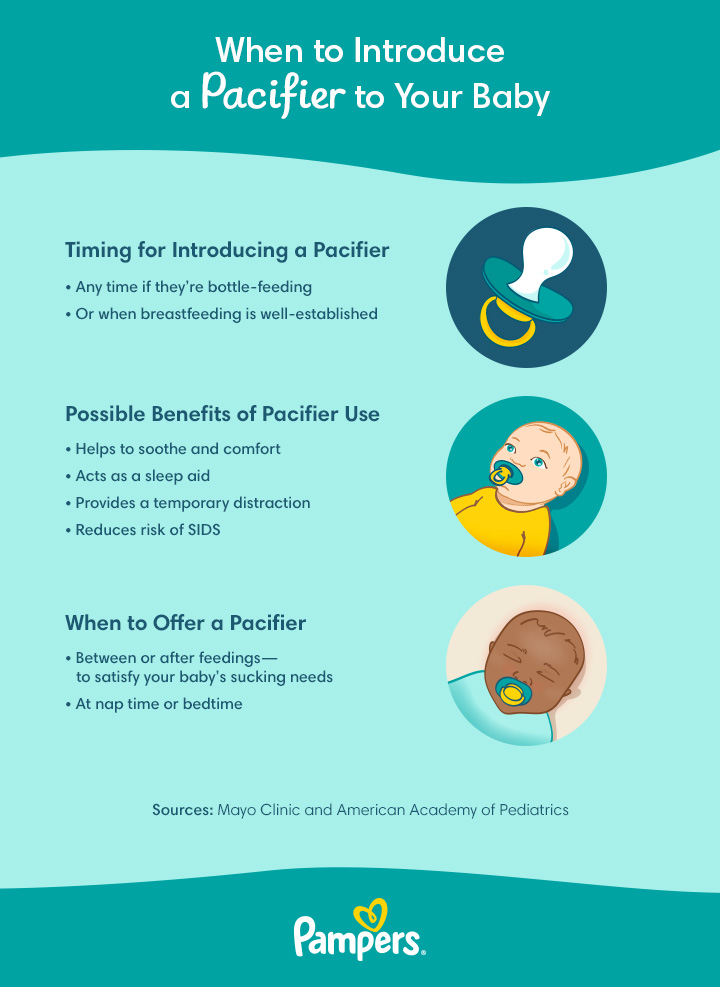
Research shows pacifier use during sleep may lower the risk of sudden infant death syndrome (SIDS). The exact reason is unclear but pacifiers might help keep airways open. Using a pacifier at nap time and bedtime is often recommended for safer sleep.
Supporting Sleep Patterns
Pacifiers can help babies fall asleep faster and stay asleep longer. The sucking action promotes relaxation and eases babies into deeper sleep stages. Parents often find it easier to settle their newborns with a pacifier, leading to better rest for the whole family.
Choosing The Right Pacifier
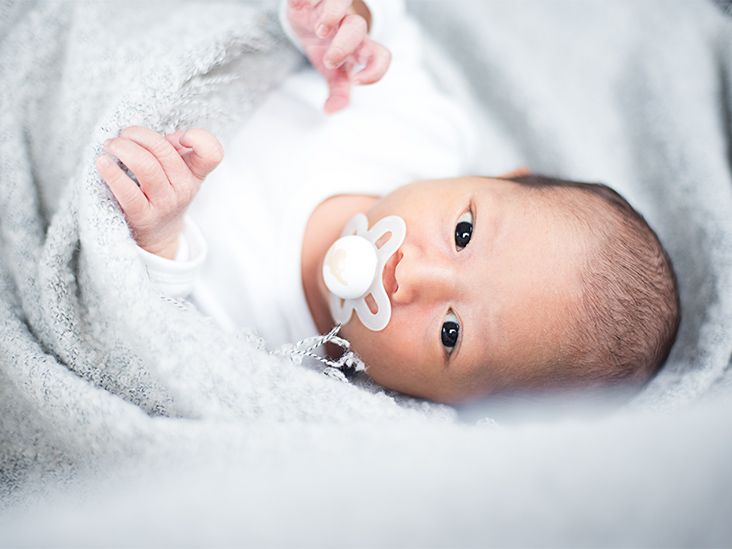
Choosing the right pacifier for a newborn is important for their comfort and safety. Not all pacifiers are the same. Parents need to think about the material, size, shape, and safety features. These factors help ensure the baby enjoys the pacifier and stays safe while using it.
Material Options
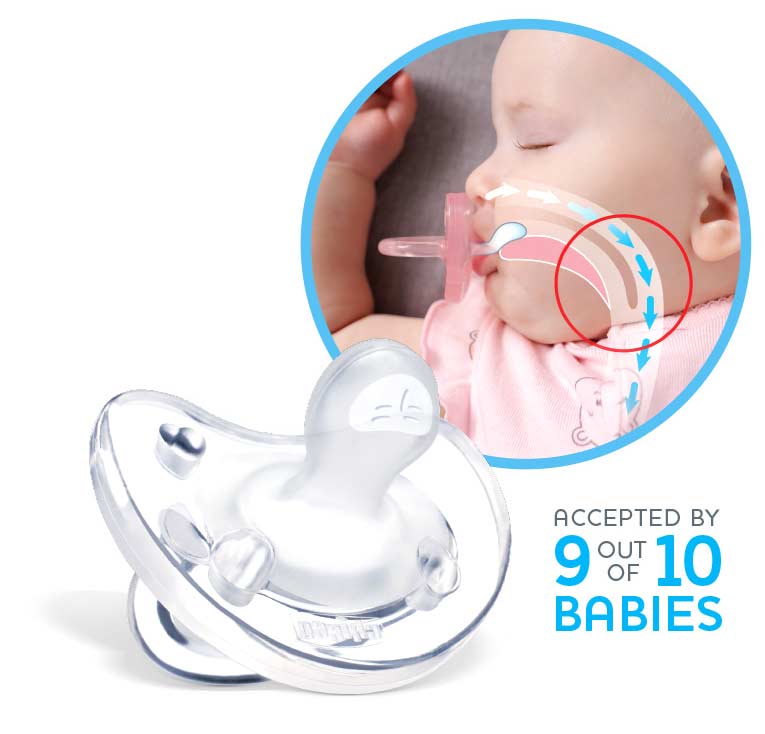
Pacifiers usually come in silicone or latex. Silicone is clear, firm, and lasts longer. It does not absorb odors or colors. Latex is softer and more flexible. Some babies prefer latex because it feels more natural. Latex wears out faster and can cause allergies in some babies. Choose the material that suits your baby’s needs and comfort.
Size And Shape Considerations
Pacifiers come in different sizes for newborns, infants, and toddlers. A newborn needs a smaller size to fit their tiny mouth. The shape of the nipple also matters. Orthodontic pacifiers mimic the shape of a mother’s nipple. Round pacifiers have a classic bulb shape. Choose a size and shape that support healthy mouth development and comfort.
Safety Certifications To Look For
Check for safety certifications before buying a pacifier. Look for marks from recognized organizations like ASTM or CPSIA. These certifications mean the pacifier meets safety standards. Avoid pacifiers with small parts that can break off. Also, ensure the shield is large enough to prevent choking. Safety is the top priority for newborn pacifiers.
When To Introduce A Pacifier
Introducing a pacifier to a newborn can bring comfort and help soothe them. The right timing for giving a pacifier depends on how the baby is fed. Knowing the best moment helps avoid feeding problems and supports healthy habits.
Timing For Breastfed Babies
Wait until breastfeeding is well established before using a pacifier. This usually means waiting about 3 to 4 weeks. Early use might cause nipple confusion and affect feeding. After breastfeeding is stable, a pacifier can calm the baby between feedings.
Timing For Formula-fed Babies
Formula-fed babies can use a pacifier sooner than breastfed babies. It is often safe to introduce a pacifier right from birth. Since there is no risk of nipple confusion, pacifiers help comfort the baby easily. Parents should watch for any signs of discomfort or feeding issues.
Safe Pacifier Practices
Using a pacifier can comfort a newborn and help them feel calm. Safe pacifier practices keep babies healthy and happy. Parents must follow simple steps to avoid risks. Clean pacifiers, limit use, and check for damage often. These habits protect babies from germs and choking hazards.
Cleaning And Sterilizing
Wash pacifiers with warm, soapy water every day. Rinse well to remove all soap. Sterilize pacifiers by boiling them for five minutes. Let them cool before giving to your baby. Clean pacifiers prevent infections and keep mouths healthy.
Avoiding Pacifier Overuse
Use pacifiers mainly during sleep or fussiness. Too much use can affect teeth and speech. Avoid giving pacifiers all day long. Offer other ways to comfort, like cuddling or singing. Balance helps babies learn to self-soothe safely.
Inspecting For Wear And Tear
Check pacifiers regularly for cracks or tears. Damaged pacifiers can break and cause choking. Replace any pacifier showing signs of wear. Keep extra pacifiers ready for quick swaps. Safety checks reduce the risk of accidents.
Potential Downsides
Pacifiers offer comfort to many newborns. Yet, they also come with some downsides. These concerns are important for parents to know. Understanding the potential risks helps in making safe choices for your baby.
Impact On Breastfeeding
Pacifier use may interfere with breastfeeding. Babies might suck differently on a pacifier than on a breast. This can cause nipple confusion and make feeding harder. Some babies may nurse less often if they use pacifiers. Less nursing can reduce the mother’s milk supply. Experts often suggest delaying pacifier use until breastfeeding is well established.
Dental Concerns
Prolonged pacifier use can affect dental health. It may cause misalignment of teeth or changes in the mouth shape. These problems become more likely if pacifiers are used past toddler age. Early dental visits can help monitor any issues. Choosing orthodontic pacifiers might reduce some risks but not all.
Dependency Risks
Babies can become very attached to pacifiers. They may rely on them to fall asleep or stay calm. This can lead to frequent waking if the pacifier falls out. Breaking the habit later can be hard and stressful. Parents should watch for signs of dependency and plan gentle weaning.
Weaning Off The Pacifier
Weaning off the pacifier is a big step for both babies and parents. It helps babies learn to soothe themselves without the pacifier. The process can take time and patience. Starting at the right moment and using gentle methods makes it easier for your child.
Recognizing The Right Time
Most babies stop using a pacifier between 6 months and 1 year. Watch for signs your baby is ready. Less interest in the pacifier or more focus on toys shows readiness. Also, consider dental health. Prolonged use may affect teeth and mouth shape.
Tips For Gradual Weaning
Begin by limiting pacifier use to nap times or bedtime. Slowly shorten the time your baby uses it each day. Offer comfort with hugs, songs, or a favorite toy. Praise your baby for trying without the pacifier. Stay consistent and patient throughout the process.
Handling Resistance
Some babies may cry or get upset at first. Stay calm and offer extra comfort. Avoid giving the pacifier back quickly. Distraction with play or a walk can help. Remember, this phase will pass. Your baby will adjust with time and support.
Frequently Asked Questions
What Are The Benefits Of Pacifier Use For Newborns?
Pacifiers can soothe newborns and reduce their crying. They also help satisfy natural sucking reflexes and may lower the risk of sudden infant death syndrome (SIDS) during sleep. However, moderation and proper hygiene are essential for safe use.
When Is The Best Time To Introduce A Pacifier?
Introduce a pacifier after breastfeeding is well established, usually around 3 to 4 weeks. This helps prevent nipple confusion and supports successful breastfeeding. Always consult a pediatrician for personalized advice.
How Often Should A Pacifier Be Cleaned?
Clean pacifiers daily with warm, soapy water. Sterilize them regularly by boiling or using a sterilizer, especially for newborns. Proper cleaning prevents infections and keeps your baby safe.
Can Pacifier Use Affect Breastfeeding Success?
Used correctly, pacifiers typically do not harm breastfeeding. Avoid introducing them too early to prevent nipple confusion. Monitor feeding patterns and consult lactation experts if concerns arise.
Conclusion
Choosing to use a pacifier can soothe your newborn quickly. It helps calm crying and may support better sleep. Watch for signs that your baby likes or dislikes it. Keep the pacifier clean to avoid germs. Use it wisely, not too often or for too long.
Every baby is different; trust your instincts as a parent. A pacifier can be a helpful tool in early days. Remember, comfort and safety come first for your little one.