If you’re a new mom or soon-to-be mom, pumping and storing breast milk might feel overwhelming. But it doesn’t have to be.
Imagine having a steady supply of nourishing milk ready for your baby, even when you’re away or busy. Understanding the simple steps to pump and store breast milk safely can give you freedom, confidence, and peace of mind. Keep reading, and you’ll discover easy tips that make this process smooth and stress-free—so you can focus on what matters most: your baby’s health and happiness.
Choosing The Right Pump
Choosing the right breast pump is important for a smooth pumping experience. The pump should fit your needs and lifestyle. Comfort, efficiency, and ease of use matter a lot. This helps in collecting milk safely and storing it well.
Manual Vs Electric Pumps
Manual pumps are hand-operated and usually smaller. They work well for occasional use. Electric pumps run on power and work faster. They suit moms who pump often or need double pumping. Electric pumps save time but can be heavier. Manual pumps are quiet and easy to carry.
Key Features To Consider
Look for adjustable suction levels for comfort. A pump with a closed system prevents milk backup. Easy cleaning parts save time and effort. Lightweight design helps if you travel a lot. Battery options add convenience when away from home.
Budget-friendly Options
Good pumps don’t always cost a lot. Manual pumps are usually cheaper and reliable. Some electric pumps offer basic functions at low prices. Renting a pump can be a cost-effective choice. Focus on quality and durability within your budget.

Preparing To Pump
Preparing to pump breast milk helps make the process easier and more effective. It reduces stress and helps you get the most milk possible. Small steps before pumping can make a big difference in comfort and milk flow.
Creating A Comfortable Space
Find a quiet and cozy spot to pump. Use a chair with good back support. Keep your pump and supplies close by. Soft lighting helps you relax. Play calm music or sounds if it soothes you. Comfort helps your body release milk smoothly.
Hygiene And Sterilization
Clean hands are a must before pumping. Wash them with soap and water. Sterilize pump parts that touch milk every time. Use boiling water or a sterilizer. Clean bottles and storage bags too. Keeping everything clean protects your baby’s health.
Timing Your Sessions
Choose regular times to pump each day. Pumping after feeding helps keep your milk supply steady. Try pumping when your baby usually feeds. Avoid long gaps between sessions. Short, frequent pumps work better than fewer long ones. Consistency supports good milk production.
Effective Pumping Techniques
Pumping breast milk can be a smooth and effective process with the right techniques. Using good methods helps you get more milk in less time. It also makes pumping more comfortable and less stressful. These tips focus on making your pumping sessions easier and more productive.
Proper Flange Fit
Choosing the right flange size is very important. A flange that is too small or too big can cause pain. It also lowers milk flow. Measure your nipple size to find the best fit. The nipple should move freely inside the flange without rubbing. A proper fit helps you pump more milk comfortably.
Stimulating Let-down
Start by gently massaging your breasts. This triggers the let-down reflex, which releases milk. Relax and breathe deeply during pumping. Warm compresses on your breasts can help too. Try to create a calm and quiet space. This encourages your body to release milk easily.
Maximizing Milk Output
Use a double electric pump to save time. Pump both breasts at the same time. Pump in cycles: start fast, then slow down. Switch between breasts if you feel one is empty. Empty breasts signal your body to make more milk. Regular pumping keeps your supply steady and strong.
Storing Breast Milk Safely
Storing breast milk safely keeps it fresh and healthy for your baby. Proper storage stops bacteria growth and preserves nutrients. Follow simple rules to protect the milk’s quality and your child’s health.
Choosing Storage Containers
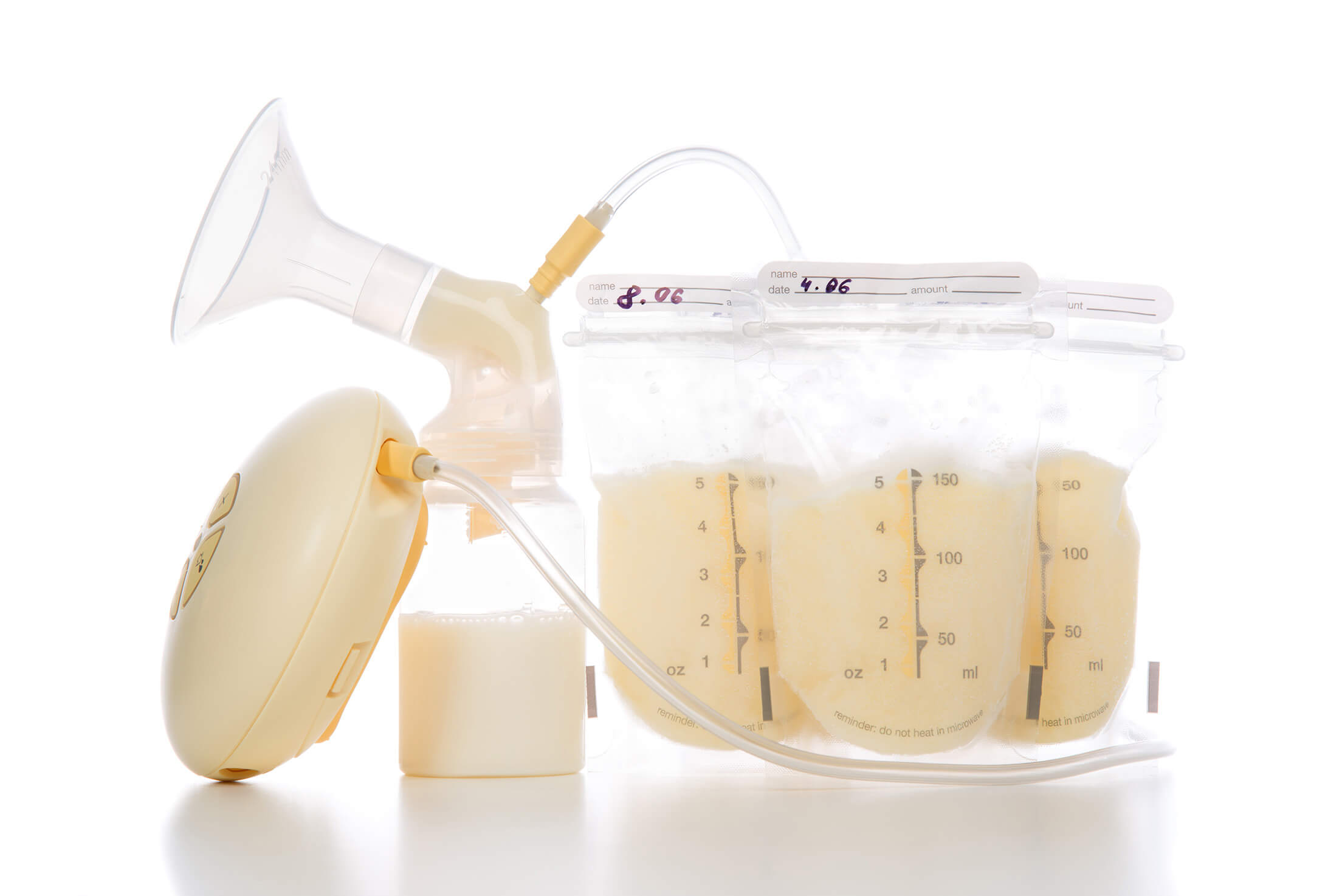
Use clean containers made for breast milk. Glass or BPA-free plastic bottles work well. Avoid regular plastic bags or containers not meant for breast milk. Seal tightly to prevent leaks and spills. Single-use breast milk storage bags are a good option for freezing.
Labeling And Dating Milk
Write the date and time on each container. Use a waterproof marker or label. This helps you use the oldest milk first. Keep track of how long the milk has been stored. Clear labels avoid confusion and waste.
Freezing And Refrigeration Guidelines
Store milk in the back of the fridge or freezer. Avoid the door, where temperature changes often. Fresh milk stays good up to four days in the fridge. Freeze milk if you do not use it within four days. Use frozen milk within six months for best quality. Thaw frozen milk in the fridge or warm water, never in a microwave.
Thawing And Using Stored Milk
Thawing and using stored breast milk needs care. Proper thawing keeps milk safe and nutritious. Knowing the right methods helps protect your baby’s health. Use gentle techniques to keep milk fresh. Follow simple steps to avoid wasting milk.
Safe Thawing Methods
Thaw milk in the fridge overnight. This is the safest way to keep it cool. You can also thaw milk in warm water. Use a bowl or container with warm water. Never use a microwave or boiling water. These can destroy important nutrients. Gently swirl the bottle to mix milk. Avoid shaking it hard to protect milk quality.
Avoiding Nutrient Loss
Thaw milk slowly to keep nutrients strong. Fast thawing can break down vitamins and fats. Use cool or warm water only. Store milk in small amounts to reduce waste. Do not refreeze milk once thawed. Use thawed milk within 24 hours for best nutrition.
Feeding Tips For Stored Milk
Check milk temperature before feeding. Test a few drops on your wrist. Milk should feel warm or room temperature. Use clean bottles and nipples every time. Feed the baby within two hours after warming. Throw away any leftover milk. Always follow your baby’s hunger cues. This helps avoid overfeeding and waste.
Maintaining Milk Supply
Maintaining a steady milk supply is essential for breastfeeding mothers who pump and store breast milk. Consistency and care help keep milk production strong. The body responds to demand. The more milk you remove, the more milk your body makes. Understanding key factors can support a healthy milk supply.
Pumping Frequency
Pumping often helps keep milk production steady. Aim to pump about 8 to 12 times daily. Pump after feeding or in place of feeding to signal the body to produce more milk. Avoid long breaks between pumping sessions. Regular emptying of breasts encourages the body to make more milk.
Staying Hydrated And Nourished
Drink plenty of water throughout the day. Dehydration can lower milk supply. Eat balanced meals with protein, fruits, and vegetables. Nutritious food supports milk production and energy levels. Avoid skipping meals or cutting calories too low. Proper nutrition fuels milk-making glands.
Managing Stress And Fatigue
Stress and tiredness can reduce milk flow. Try to rest whenever possible. Deep breaths and relaxation techniques may help calm the mind. Ask for help with chores or baby care to get breaks. A relaxed body sends better signals for milk production.
Troubleshooting Common Issues
Pumping and storing breast milk can be challenging. Many moms face common problems that slow them down. Knowing how to fix these issues helps keep milk flowing and makes pumping easier.
Here are some common troubles and simple tips to solve them.
Low Milk Output
Low milk output can feel frustrating. Stress, dehydration, or poor latch affect supply. Try to relax before pumping. Drinking water helps keep milk flowing. Pump regularly to signal your body to make more milk. Check that the pump parts fit well. A wrong size flange can lower output. Also, try massaging your breasts gently to increase flow.
Sore Nipples And Discomfort
Sore nipples cause pain during and after pumping. Using the wrong flange size may hurt your skin. Make sure the flange fits comfortably. Keep nipples dry and clean to avoid irritation. Apply a thin layer of breast milk or nipple cream for healing. Take breaks if pumping causes strong pain. Let your nipples rest between sessions.
Pump Malfunctions
Pump malfunctions stop milk flow and cause frustration. Check if the pump is clean and assembled correctly. Look for cracks or worn-out parts and replace them. Make sure the tubing is not blocked or loose. If the motor sounds weak, try changing the battery or power source. Read the manual for troubleshooting steps. Keep a backup pump ready for emergencies.

Support Resources For Moms
Breastfeeding can be a tough journey for many moms. Pumping and storing breast milk adds more challenges. Support helps moms feel confident and less stressed. Various resources exist to guide and assist through this process. Finding the right support can make a big difference. Here are some helpful resources for moms.
Lactation Consultants
Lactation consultants are experts in breastfeeding. They provide personalized advice on pumping and milk storage. These professionals help solve common problems like low milk supply or pain. Moms get practical tips to improve milk flow and comfort. Many hospitals and clinics offer free or low-cost consultations.
Online Communities
Online communities connect moms from all over the world. These groups share experiences, tips, and encouragement. Moms can ask questions and get quick answers. Many websites and social media platforms host active breastfeeding forums. Joining these groups reduces feelings of isolation and builds confidence.
Local Support Groups
Local support groups meet in person to share knowledge and support. These meetings create a safe space for moms to talk openly. Nurses or lactation consultants often lead the sessions. Moms learn practical skills and meet others facing similar challenges. Local groups also provide emotional support and motivation.
Frequently Asked Questions
How Long Can Breast Milk Be Stored Safely?
Breast milk can be stored up to 4 hours at room temperature. In the refrigerator, store it for 4 days. Freeze breast milk for up to 6 months for optimal quality and safety.
What Is The Best Way To Pump Breast Milk?
Use an electric or manual breast pump designed for comfort. Clean and sterilize pump parts before use. Pump both breasts for 15-20 minutes to maximize milk expression.
How Should Breast Milk Be Thawed Properly?
Thaw frozen breast milk in the refrigerator overnight. Alternatively, place the container in warm water. Never use a microwave, as it can destroy nutrients and create hot spots.
Can I Mix Fresh And Frozen Breast Milk?
Yes, mix fresh and thawed breast milk if both are cooled. Combine only after chilling to avoid bacterial growth. Use the oldest milk first to maintain freshness.
Conclusion
Pumping and storing breast milk helps feed your baby anytime. Clean hands and containers keep milk safe. Store milk in small portions for easy use. Label each container with date and time. Keep milk cold or frozen to keep it fresh.
Thaw milk gently before feeding your baby. Trust your body and enjoy this special time. Breast milk gives your baby the best start. Simple steps make feeding easier for both of you.