Are you worried about your newborn’s discomfort from gas? You’re not alone.
Many parents face this challenge and wonder how to feed their baby without causing painful gas. Understanding how to handle feeding with gas can make a huge difference in your baby’s comfort and your peace of mind. You’ll discover simple, effective tips that help soothe your little one and make feeding time easier for both of you.
Keep reading to learn how to turn those fussy moments into calm, happy feeding sessions.
Causes Of Gas In Newborns
Gas in newborns is a common issue that many parents face. It can cause discomfort and fussiness in babies. Understanding the causes helps in managing and reducing gas problems effectively. Babies have delicate digestive systems that are still developing. This makes them prone to gas buildup. Several factors contribute to gas formation in newborns.
Common Triggers
Swallowing air during feeding or crying is a major trigger. Air can enter the stomach and cause gas buildup. Certain foods in the mother’s diet may also affect breastfed babies. Formula-fed babies might react to specific ingredients in the formula. Overfeeding or feeding too fast can lead to extra gas. Some babies are sensitive to lactose or other milk sugars. Immature digestion means the baby’s gut struggles to break down food fully.
Feeding Habits Impact
How you feed your baby plays a big role in gas issues. Bottle feeding with the wrong nipple size can increase air intake. Feeding in a position that causes the baby to swallow air worsens gas. Burping the baby often during and after feeding helps release trapped air. Feeding too quickly or forcing a feeding can cause gas and discomfort. Keeping the baby calm during feeding reduces crying and air swallowing. Small, frequent feedings are easier on a newborn’s digestive system.
Signs Your Baby Has Gas
Newborns often have gas because their digestive systems are still developing. It can cause discomfort and fussiness. Parents must recognize the signs to help soothe their baby quickly. Understanding these signs helps reduce stress for both baby and parents.
Behavioral Clues
Babies with gas may cry more than usual. Their cries often sound sharp or sudden. They might pull their legs up toward the belly. Some babies become restless and hard to settle. Fussiness during or after feeding is common. These behaviors hint the baby feels some tummy pain.
Physical Symptoms
Look for a bloated or swollen belly. The baby’s tummy might feel hard to touch. Passing gas or burping often follows discomfort. Sometimes, the baby may spit up more than usual. Facial expressions like grimacing or squinting show pain. These signs point to trapped gas in the digestive tract.
Feeding Techniques To Reduce Gas
Feeding a newborn with gas can be tough for both baby and parents. Gas causes discomfort and fussiness. Using the right feeding techniques helps reduce gas. These methods also make feeding time calmer and more enjoyable.
Simple changes in how you feed your baby make a big difference. Let’s explore some effective techniques to ease gas during feeding.
Proper Latching
A good latch helps your baby swallow less air. Make sure the baby opens wide before feeding. The baby’s lips should cover more of the areola, not just the nipple. Check that the chin touches the breast. This position helps the baby get milk smoothly. It also lowers the chance of sucking in air.
Bottle Feeding Tips
Choose bottles designed to reduce air intake. Use slow-flow nipples to control milk flow. Hold the bottle at an angle to keep milk covering the nipple. This prevents air bubbles from forming. Pause often during feeding to burp your baby. These tips help keep gas and fussiness low.
Paced Feeding Method
Paced feeding mimics breastfeeding flow. Hold the bottle horizontally and let the baby suck at their pace. Allow breaks for the baby to breathe and swallow. This method prevents gulping and swallowing air quickly. It helps your baby feel full and comfortable.
:max_bytes(150000):strip_icc()/Gas-pain-in-children-2634345-e69ae7c512b7463082b8c65e58c054f3.png)
Burping Strategies That Work
Feeding a newborn with gas can be tricky. Burping helps release trapped air and soothes the baby. Using the right burping strategies makes feeding easier. It also reduces fussiness and discomfort. Here are some key tips to burp your baby effectively.
When To Burp
Burp your baby during and after feeding. Pause halfway through the feeding to burp. This prevents too much air buildup. Also, burp once feeding is complete. Some babies need burping more often than others. Watch for signs like squirming or fussiness. These may mean your baby needs to burp.
Effective Positions
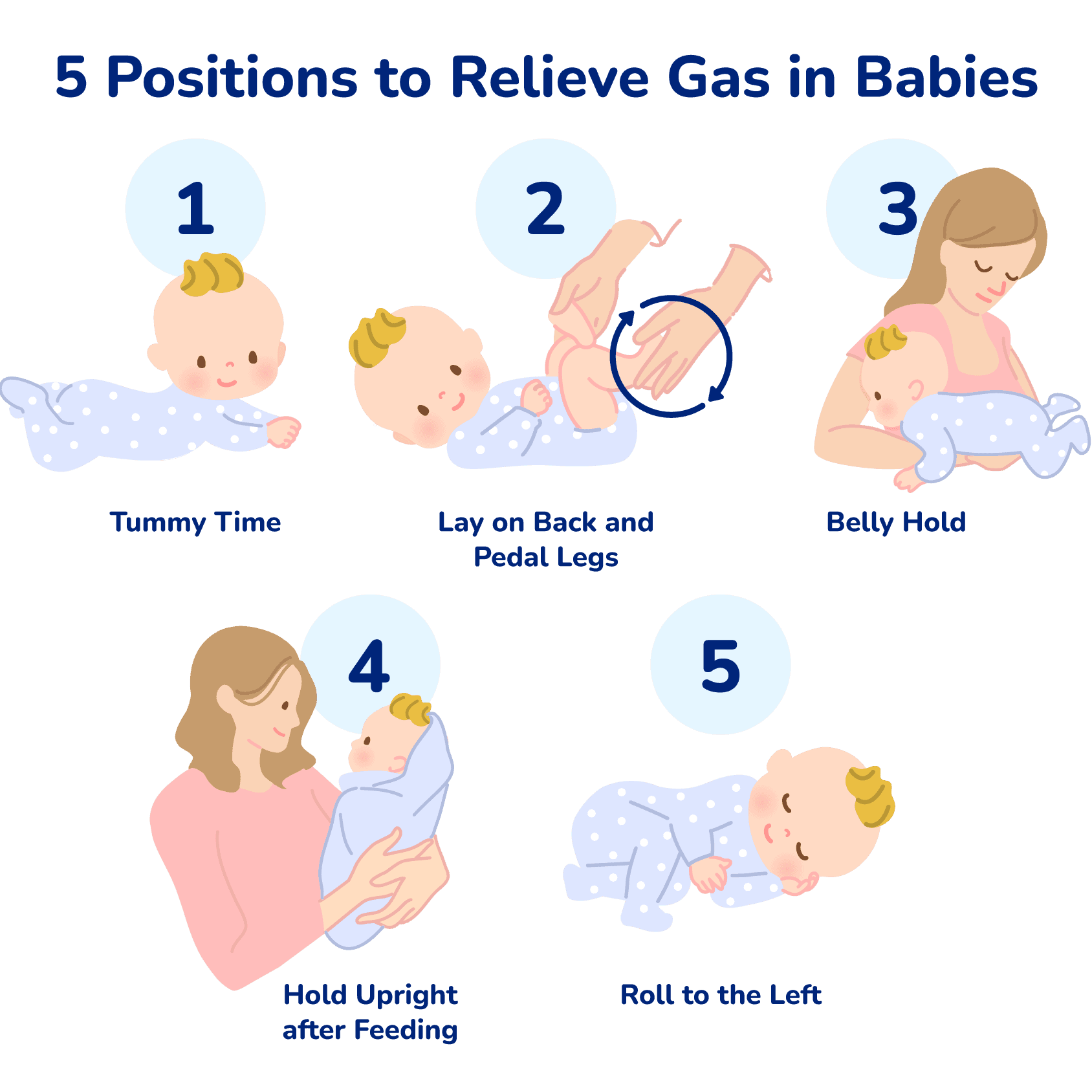
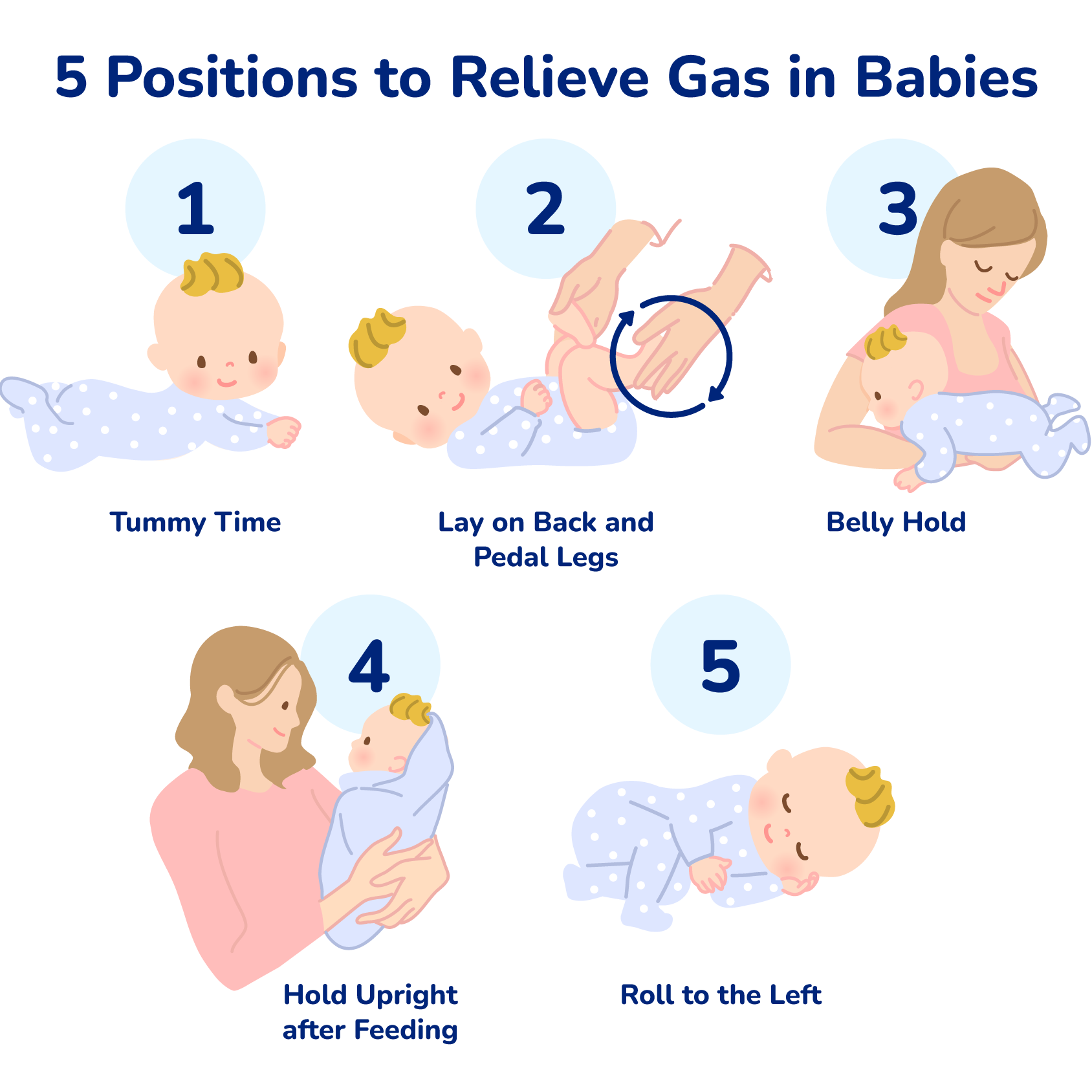
Try holding your baby upright against your chest. Support the head and gently pat the back. Sitting the baby on your lap works well too. Use one hand to support the chest and chin. Then, lightly rub or pat the back. Another way is to lay the baby face down on your lap. Gently pat the back in this position. Find what feels best for your baby. Comfort and gentle pressure matter most.
Soothing Methods For Gas Relief
Gas can make a newborn feel uncomfortable and restless. Parents often seek gentle ways to soothe their baby. Simple methods can help relieve gas pain and calm your little one quickly. These soothing techniques are safe and easy to try at home. They support your baby’s digestion and comfort.
Gentle Tummy Massage
Massaging your baby’s tummy helps move trapped gas. Use soft, circular motions with your fingertips. Start at the belly button and move outward. This encourages the gas to pass naturally. Keep your hands warm to relax your baby. Massage for a few minutes, observing your baby’s reaction. Stop if your baby seems uncomfortable.
Warm Compress Benefits
A warm compress can ease tummy pain from gas. Use a warm, damp cloth or a heating pad on low. Place it gently on your baby’s belly for a few minutes. The warmth relaxes muscles and reduces cramping. Always check the temperature to avoid burns. This simple method can soothe your baby quickly.
Bicycle Leg Movement
Moving your baby’s legs like pedaling a bicycle helps gas pass. Lay your baby on their back and gently move their legs in circles. This motion helps push trapped air out of the digestive system. Do this for a few minutes several times a day. It also strengthens your baby’s muscles and keeps them calm.
Dietary Tips For Breastfeeding Mothers
Breastfeeding mothers play a key role in easing their newborn’s gas discomfort. What a mother eats can affect her milk and her baby’s digestion. Simple changes in diet can reduce gas and make feeding times more peaceful.
Understanding which foods help and which foods hurt is vital. Careful choices improve the baby’s comfort and support the mother’s health. Small adjustments lead to better feeding experiences for both.
Foods To Avoid
Certain foods can cause gas in babies through breast milk. Beans and lentils often increase gas and should be limited. Cruciferous vegetables like broccoli and cabbage may also cause discomfort.
Spicy foods and caffeine can upset a baby’s stomach. Dairy products might cause problems if the baby is sensitive. Watch for reactions and avoid foods that seem to trigger gas.
Hydration Importance
Drinking plenty of water helps keep milk quality high. Hydration supports the mother’s health and aids digestion. Water helps flush out toxins and reduces constipation.
Herbal teas can soothe digestion but avoid those with caffeine. Staying hydrated helps maintain steady milk supply. Aim for at least eight glasses of water each day.
When To Seek Medical Advice
Knowing when to seek medical advice for a newborn with gas is important. Most babies pass gas and cry sometimes. This is normal and usually not a problem. But some signs need attention from a doctor. Watching your baby closely helps you spot these signs early. Acting quickly can prevent more serious issues.
Persistent Symptoms
Some babies have gas that lasts for many days. Crying that does not stop or gets worse is a concern. If your baby cannot sleep or feed well, talk to a doctor. Constant fussiness and discomfort are not normal. Check for bloating or a hard belly. These symptoms need medical care fast.
Other Health Concerns
Look for other signs like fever or vomiting. Diarrhea or blood in stool is serious. Babies who are very sleepy or limp need urgent help. Breathing problems or skin color changes also need a doctor. These signs may mean infections or other health issues. Do not wait to get medical advice in these cases.
Frequently Asked Questions
How Can I Reduce Gas When Feeding My Newborn?
To reduce gas, feed your newborn slowly and in an upright position. Burp the baby frequently during and after feeding. Avoid overfeeding and ensure a good latch if breastfeeding. These steps help minimize swallowed air and ease gas discomfort.
What Are Common Signs Of Gas In Newborns?
Common signs include fussiness, pulling legs to the belly, bloating, and frequent crying. Babies may also have difficulty sleeping and appear uncomfortable after feeding. Recognizing these signs helps address gas issues early and keeps your newborn comfortable.
Should I Change Formula If My Baby Has Gas?
Yes, switching to a hypoallergenic or lactose-free formula may help reduce gas. Consult your pediatrician before making any changes. Some babies are sensitive to certain formula ingredients, and an alternative can ease digestive discomfort.
How Often Should I Burp My Newborn During Feeding?
Burp your newborn every 2-3 ounces if bottle feeding, or when switching breasts if breastfeeding. Frequent burping releases trapped air and helps prevent gas buildup. This simple step can improve your baby’s comfort during and after feeding.
Conclusion
Feeding a newborn with gas can be challenging but manageable. Gentle burping helps release trapped air. Choosing the right feeding position reduces discomfort. Watch your baby’s cues and adjust feeding habits. Patience and care make feeding times smoother. Every baby is different; find what works best.
Stay calm, and your baby will feel more at ease. Consistent effort leads to happier feeding moments. Keep these tips in mind for healthier feeding experiences.