Are you struggling with breastfeeding and feeling overwhelmed? You’re not alone, and there are simple solutions that can make a big difference.
Whether you’re facing pain, low milk supply, or latching problems, understanding the right techniques and tips can turn your breastfeeding experience into a positive one. Keep reading to discover practical, easy-to-follow solutions that will help you and your baby thrive together.
Your journey to confident breastfeeding starts here.
Common Breastfeeding Challenges
Breastfeeding can be a beautiful experience, but it also brings some challenges. Many new mothers face common problems that make feeding difficult. Understanding these challenges helps in finding the right solutions. This section covers the most frequent breastfeeding issues and ways to handle them.
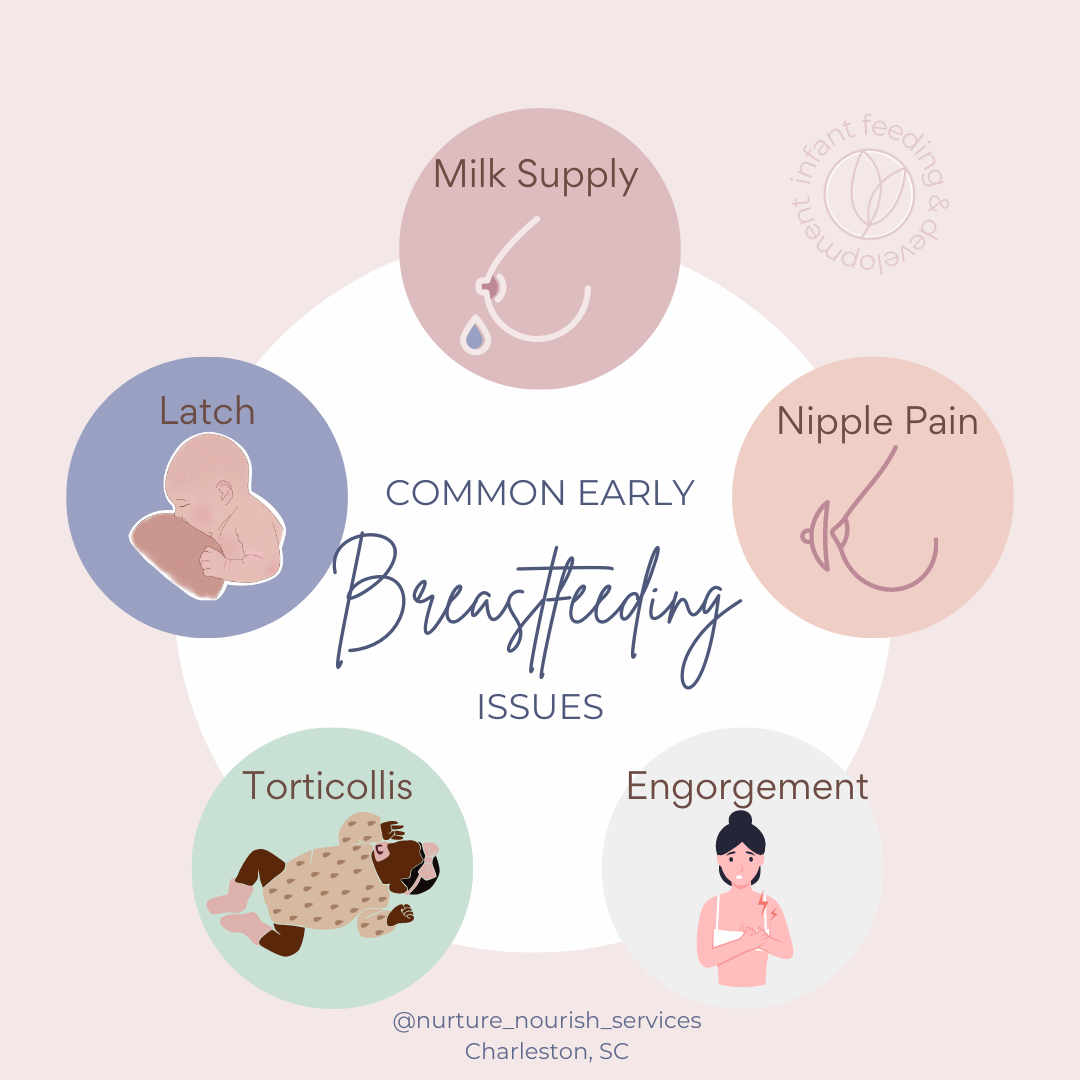
Latching Problems
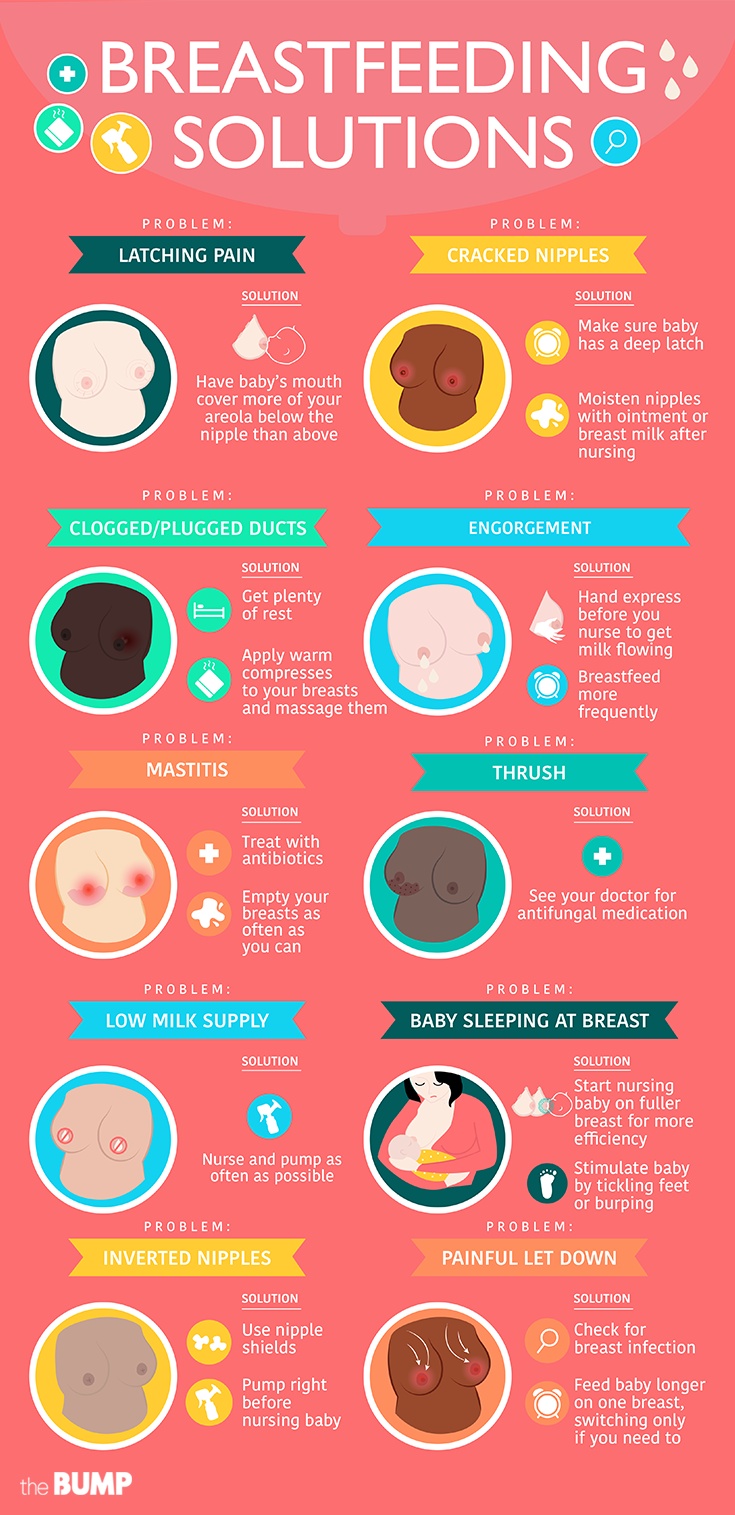
Latching means the baby’s mouth attaches properly to the breast. A bad latch can cause pain and poor feeding. Babies may slip off or suck weakly. Mothers might feel nipple pain or see no milk transfer. Trying different positions or seeking help from a lactation expert can improve latching.
Sore Nipples
Sore nipples are common in the first days of breastfeeding. Pain can come from poor latch, dry skin, or infection. Keeping nipples clean and dry helps. Using nipple creams and letting nipples air dry may reduce soreness. Changing feeding positions also prevents further pain.
Low Milk Supply
Low milk supply worries many mothers. It can be caused by stress, poor nutrition, or infrequent feeding. Feeding the baby often and emptying breasts fully encourages milk production. Staying hydrated and resting well also support milk supply. Consulting a healthcare provider can guide the right steps.
Engorgement And Mastitis
Engorgement happens when breasts fill with too much milk. They become hard, swollen, and painful. Mastitis is an infection from blocked milk ducts. Symptoms include redness, fever, and pain. Frequent feeding, gentle massage, and warm compresses ease engorgement. Antibiotics may be needed for mastitis.
Breastfeeding Premature Babies
Premature babies often have weak sucking reflexes. They may tire quickly or struggle to latch. Expressing milk and feeding through a tube can help at first. Skin-to-skin contact encourages bonding and feeding skills. Patience and support are key to success with premature babies.
Effective Techniques For Better Latching
Better latching helps make breastfeeding easier for both mother and baby. A good latch prevents pain and helps the baby get enough milk. Learning simple techniques can improve the latch quickly. These methods support a smoother breastfeeding experience.
Positioning Tips
Hold your baby close with their body facing yours. Align the baby’s nose with your nipple for an easy start. Support the baby’s neck and shoulders, not the head. Try different holds like cradle, football, or side-lying. Find the position that feels most comfortable and natural.
Recognizing A Good Latch
Watch for wide-open mouth before latching. The baby’s lips should flare out like a fish. The chin touches the breast, and the nose stays clear. You may hear soft sucking and swallowing sounds. No pain or pinching should occur during feeding.
Using Breastfeeding Aids
Nipple shields can help babies latch on better. Use breast shells to protect sore nipples. Breast pumps prepare the nipple before feeding. Warm compresses soften the breast and help milk flow. These aids support easier latching and comfort.
Managing Pain And Discomfort
Breastfeeding can sometimes cause pain and discomfort. This is common and often temporary. Managing these issues early helps make breastfeeding easier and more enjoyable. Simple care steps can reduce pain and prevent complications. Understanding how to handle soreness, engorgement, and infections is key.
Treating Sore Nipples
Sore nipples often result from poor latch or frequent feeding. Applying purified lanolin cream soothes and protects the skin. Let nipples air dry after each feeding to prevent moisture buildup. Use warm compresses to ease pain before nursing. Adjusting the baby’s latch helps avoid further damage. Wearing loose, breathable clothing reduces irritation.
Relieving Engorgement
Breast engorgement happens when milk builds up too fast. Warm compresses before feeding soften the breast and help milk flow. Gentle breast massage can reduce swelling. Nursing often and switching sides helps empty breasts. If very uncomfortable, expressing a small amount of milk relieves pressure. Cold packs after feeding reduce swelling and pain.
Preventing Mastitis
Mastitis is a painful breast infection. It often starts with blocked milk ducts. Keep breastfeeding regularly to prevent milk stasis. Clean hands before nursing to avoid bacteria spread. Rest and drink plenty of fluids to support healing. If redness, fever, or severe pain occur, see a healthcare provider quickly. Early treatment stops complications and eases symptoms.
Boosting Milk Supply Naturally
Many mothers face challenges with milk supply. Boosting milk supply naturally helps support breastfeeding without extra medicine. Small changes in daily habits can make a big difference. Understanding how to increase milk supply gently is key for nursing success.
Simple steps like eating well, drinking enough water, and feeding often can improve milk flow. Some herbs also support milk production. These natural methods work with the body’s rhythms for steady milk supply.
Nutrition And Hydration
Eating balanced meals fuels milk production. Focus on whole grains, fruits, vegetables, and protein. Healthy fats like nuts and seeds also help. Drinking plenty of water keeps the body hydrated. Aim for at least 8 glasses daily. Avoid sugary drinks and caffeine. These can reduce milk supply. Small, frequent meals keep energy high for breastfeeding.
Breastfeeding Frequency
Feed your baby often to boost milk supply. The more you nurse, the more milk your body makes. Try to breastfeed every two to three hours. Let your baby finish one breast before switching. This helps empty the breast and signals more milk is needed. Night feedings are important. Milk supply grows best with regular and frequent nursing.
Herbal Supplements And Remedies
Certain herbs can support milk production naturally. Fenugreek is a popular choice for many mothers. Blessed thistle and fennel also help increase supply. Always talk to a healthcare provider before using herbs. Some may cause side effects or interact with medications. Herbal teas or capsules are common ways to take these supplements. Use herbs as a gentle support, not a replacement for feeding often.
Supporting Breastfeeding For Special Cases
Breastfeeding can be challenging in special situations. Different needs arise for certain mothers and babies. Support and understanding help overcome these hurdles. Tailored solutions can make breastfeeding easier and more successful.
Here are ways to support breastfeeding in some special cases.
Premature And Sick Infants
Premature and sick babies may struggle with feeding. They often lack strength to suck properly. Expressing milk and feeding through tubes can help. Skin-to-skin contact boosts bonding and milk supply. Nurses and lactation consultants offer vital guidance and support.
Working Mothers
Working mothers face unique breastfeeding challenges. Pumping milk during breaks keeps milk supply steady. A quiet, clean space for pumping is essential. Storing milk safely allows feeding while away. Planning ahead helps maintain breastfeeding routines.
Multiple Births
Breastfeeding twins or more requires extra effort. Feeding schedules may overlap and need adjusting. Support from family lightens the load. Using a breastfeeding pillow can provide comfort. Patience and flexibility help manage feeding demands.
When To Seek Professional Help
Breastfeeding can be challenging for many mothers. Some difficulties need expert care to ensure both mother and baby are healthy. Knowing when to ask for professional help can make a big difference. Early support often leads to better breastfeeding experiences.
Lactation Consultants
Lactation consultants are trained experts in breastfeeding support. They help with latching problems, milk supply issues, and pain during feeding. These specialists provide personalized advice and hands-on guidance. Seeing a lactation consultant early can prevent many common problems.
Medical Interventions
Sometimes medical issues affect breastfeeding. Conditions like infections, blocked ducts, or tongue-tie may need treatment. Doctors can check both mother and baby for health problems. Medical care ensures breastfeeding continues safely and comfortably.
Support Groups And Resources
Support groups offer emotional help and practical tips. Talking with other mothers facing similar challenges helps reduce stress. Many local and online groups connect mothers with shared experiences. Resources like books and websites also provide useful breastfeeding information.

Frequently Asked Questions
What Are Common Breastfeeding Difficulties New Mothers Face?
Common difficulties include latching problems, sore nipples, low milk supply, and engorgement. These issues can cause discomfort and stress. Identifying and addressing them early helps improve breastfeeding success and confidence.
How Can I Improve My Baby’s Latch During Breastfeeding?
Ensure your baby’s mouth covers both nipple and areola fully. Position your baby close, tummy-to-tummy. Use gentle guidance and patience to encourage a deep latch. A proper latch reduces pain and improves milk flow.
What Are Effective Solutions For Sore Nipples While Breastfeeding?
Use nipple creams with lanolin, air-dry nipples, and change breastfeeding positions. Ensure correct latch to prevent further pain. Avoid harsh soaps or wipes that dry out skin. Consult a lactation expert if pain persists.
How To Increase Low Milk Supply Naturally?
Breastfeed frequently and empty breasts fully to stimulate production. Stay hydrated and eat a balanced diet. Consider lactation teas or supplements after consulting healthcare providers. Managing stress and getting rest also supports milk supply.
Conclusion
Breastfeeding can be hard at times. Small changes can make a big difference. Try different positions to find comfort. Seek help from nurses or support groups. Stay patient and keep trying each day. Your baby benefits from your effort and love.
Remember, many mothers face these struggles. Solutions are available and within reach. Keep hope alive and trust your body. Every step forward helps build confidence. You are not alone on this journey.