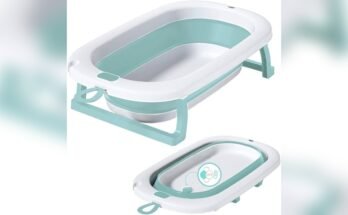
Are you wondering when the right time is to start using a baby bathtub for your little one? Bath time is more than just cleaning—it’s a special moment that can help your baby feel safe and comfortable.
But knowing exactly when to introduce a baby bathtub can make a big difference in how smooth and enjoyable these moments become. You’ll discover the perfect timing to start using a baby bathtub, along with helpful tips to keep your baby happy and secure.
Keep reading to make bath time a joyful experience for both you and your baby.
Ideal Age To Start Using A Baby Bathtub
Choosing the right time to start using a baby bathtub is important for your little one’s safety and comfort. A baby bathtub helps keep your baby secure during bath time. Knowing the ideal age to begin using one makes bath time easier and safer for both of you. This section explains when to start using a baby bathtub.
Newborns And Baby Bathtubs
Newborns need extra support during bath time. Many parents prefer sponge baths for babies younger than two months. A baby bathtub can be used once the baby has better head and neck control. This usually happens around six to eight weeks. Baby bathtubs designed for newborns offer gentle support and keep the baby safe.
Signs Your Baby Is Ready
Look for signs that show your baby is ready for a baby bathtub. Your baby should hold their head steady without help. They should also enjoy water and not be scared during baths. If your baby can sit up with little support, it is a good sign. These signs usually appear between two and four months of age.
Pediatrician Recommendations
Doctors advise starting with sponge baths until the umbilical cord heals. This healing usually takes about two weeks. After that, a baby bathtub is safe to use. Pediatricians suggest always supervising your baby during bath time. Follow their advice to keep your baby safe and comfortable.

Credit: www.amazon.com
Types Of Baby Bathtubs
Choosing the right baby bathtub helps make bath time safe and fun. Different types suit different needs and spaces. Understanding these options helps parents pick the best fit for their baby.
Traditional Baby Tubs
Traditional baby tubs are small and sturdy. They fit inside a regular bathtub or on a counter. These tubs hold water well and keep babies secure. Many have molded shapes to support newborns. They are easy to clean and store.
Inflatable Options
Inflatable tubs are soft and lightweight. They can be blown up and deflated quickly. These tubs are perfect for travel or small homes. They provide a cushioned surface for babies. Parents like them for their easy storage.
Convertible And Portable Models
Convertible tubs change shape or size as the baby grows. Some turn from a newborn tub to a toddler seat. Portable models are compact and easy to carry. They suit families who travel often or visit others. These tubs save space and adapt to different needs.
Safety Tips For Bath Time
Bath time can be a joyful moment for both baby and parents. Safety is the key to making these moments safe and fun. Knowing simple safety tips helps you avoid accidents and keeps your baby comfortable. Follow these tips to create a secure bath routine.
Water Temperature Guidelines
Always check the water temperature before placing your baby in the tub. Water should feel warm, not hot. Use your elbow or a bath thermometer to test the water. The ideal temperature is between 37°C and 38°C (98°F to 100°F). Never leave your baby alone in the bath, even for a second.
Proper Baby Support
Support your baby’s head and neck with one hand during bath time. Use a baby bathtub with a non-slip surface or a bath seat designed for newborns. Keep a firm grip to prevent slipping. Stay close and never leave your baby unattended in the tub.
Avoiding Common Hazards
Remove all sharp or hard objects from the bathing area. Keep electrical devices far from the tub to avoid shock risks. Fill the tub with just enough water to cover the baby’s legs. Make sure the bathroom floor is dry to stop slipping. Always have all bath supplies within arm’s reach.
Preparing For Baby’s First Bath
Preparing for your baby’s first bath is an exciting step. It helps your baby feel clean and comfortable. Taking time to get ready makes the experience safe and pleasant. You will want to gather all needed supplies first. Then, set up the bathtub area carefully. Finally, learn easy bathing techniques to keep your baby calm and happy.
Gathering Essential Supplies
Start by collecting everything you need. A baby bathtub is key. Soft washcloths and mild baby soap are important. Have a cup for rinsing and a towel ready. Keep a fresh diaper and clothes nearby. These items help you stay organized during bath time. Preparing ahead means less stress and more fun.
Setting Up The Bathtub Area
Choose a warm, safe spot for the bath. Make sure the room is warm enough. Place the baby bathtub on a flat surface. Fill the tub with a few inches of warm water. Test the water temperature with your wrist. It should feel warm, not hot. Keep all supplies close to avoid leaving your baby alone.
Bathing Techniques For Beginners
Hold your baby securely with one arm. Use the other hand to wash gently. Start with the face and head, then move down. Use a soft cloth to clean folds of skin. Pour water gently to rinse soap off. Talk softly to soothe your baby. Keep bath time short, around 5 to 10 minutes. Always support your baby’s neck and back.
Transitioning From Sponge Baths
Transitioning from sponge baths to a baby bathtub is an important step in your baby’s hygiene routine. Sponge baths are gentle and safe for newborns. They help keep your baby clean without fully immersing them in water. As your baby grows, the need for a more thorough bath increases. Using a baby bathtub offers a safer and more comfortable way to bathe your little one.
When To Switch
Switch from sponge baths to a baby bathtub once your baby’s umbilical cord stump falls off. This usually happens around two weeks old. At this point, your baby can safely sit in water without risk of infection. Also, when your baby can hold their head steady, it is a good sign to switch. Bathing in a tub helps your baby get used to water and develop good hygiene habits.
Benefits Of Using A Baby Bathtub
A baby bathtub provides better support during bath time. It reduces the risk of slipping or accidents. The tub fits your baby’s size and shape, making bathing easier. It also helps conserve water by holding just enough for your baby. Bath time becomes more enjoyable and less stressful for both of you. The design allows you to clean your baby gently and thoroughly.
Addressing Baby’s Comfort
Comfort is key when using a baby bathtub. Use warm water that feels pleasant on the skin. Avoid very hot or cold water to prevent discomfort or burns. You can add a soft towel or bath seat for extra support. Talk or sing to your baby to keep them calm. Keep bath time short and gentle to avoid fussiness. A happy baby means easier bath times and better hygiene habits.

Credit: www.oviahealth.com
Cleaning And Maintenance
Keeping your baby bathtub clean is very important. It helps protect your baby from germs and keeps bath time safe. Proper cleaning and care also make the bathtub last longer. Follow simple steps to keep it fresh and ready for every use.
Daily Cleaning Tips
Rinse the bathtub after each use with warm water. Use a mild soap or baby-safe cleaner to wash the tub. Avoid harsh chemicals that can irritate your baby’s skin. Wipe the tub dry with a clean towel to remove water spots. Clean the drain area to prevent clogs and buildup.
Preventing Mold And Mildew
Keep the tub dry when not in use. Open windows or use a fan to improve air flow in the bathroom. Use a soft brush to scrub away any mold spots immediately. Avoid leaving wet towels or toys in the bathtub. Regularly check corners and crevices for hidden mold.
Storage Recommendations
Store the bathtub in a dry place after cleaning. Avoid stacking heavy items on top of it to keep its shape. If space is small, hang the tub on a hook or wall mount. Keep the storage area clean and free from dust. Make sure the tub is completely dry before storing to stop mildew growth.
-c144fc.png)
Credit: pathways.org
Frequently Asked Questions
When Is The Right Time To Start Using A Baby Bathtub?
You can start using a baby bathtub once your newborn has good head and neck control. This usually happens around 6 to 8 weeks. Before this, sponge baths are safer. Always ensure the baby is comfortable and supported during bath time.
Can Newborns Be Bathed In A Baby Bathtub?
Yes, newborns can be bathed in a baby bathtub if it offers proper support. Use a newborn insert or a small tub designed for infants. Keep water temperature warm but not hot, and never leave the baby unattended.
How Long Should I Use A Baby Bathtub?
You should use a baby bathtub until your baby can sit up unassisted, typically around 6 to 12 months. After that, transitioning to the regular bathtub or shower is safer. Always supervise your child during bath time.
Is A Baby Bathtub Safer Than A Regular Tub?
Yes, baby bathtubs are safer because they are smaller and designed to support infants. They reduce slipping risks and help maintain water temperature. However, constant adult supervision is essential regardless of the tub used.
Conclusion
You can start using a baby bathtub once your newborn has good neck control. Usually, this happens around 6 to 8 weeks old. Choose a safe, comfortable tub that fits your space well. Always stay close and never leave your baby alone in the tub.
Bath time should be gentle and calm for both of you. Using a baby bathtub makes cleaning easier and more fun. Remember, every baby is different. Watch your little one’s needs and comfort first. Bathing your baby can be a special bonding moment.
Enjoy it safely and with care.