Are you wondering how long your little one can safely use a baby bathtub? It’s a common question for many parents and caregivers.
You want to keep bath time safe, comfortable, and fun, but knowing when to switch from a baby bathtub to a regular tub isn’t always clear. You’ll discover the signs that it’s time to make the change and tips to ensure your baby stays safe during every splash.
Keep reading to find out exactly how long your baby can enjoy their special bath space.

Credit: www.meetlalo.com
When To Start Using A Baby Bathtub
Knowing when to start using a baby bathtub helps make bath time safe and fun. It depends on your baby’s size, strength, and comfort. A baby bathtub gives extra support and keeps your little one secure during baths. Starting at the right time also helps build a good routine for both of you.
Choosing The Right Time
The right time to use a baby bathtub is usually when your baby can hold their head up well. This often happens around six weeks old. Before this, a sink bath or sponge bath works better. The baby bathtub fits well in small spaces and is easy to clean.
Choose a bathtub that suits your baby’s size and your bathroom space. Look for one with a non-slip surface and a comfortable shape. Make sure it is easy to fill and drain. These features make bath time easier and safer.
Signs Your Baby Is Ready
Your baby shows clear signs when ready for a baby bathtub. Holding their head steady is a key sign. They may also show interest in water and enjoy being in a seated position.
Check if your baby feels comfortable lying flat in the tub. If they can sit with support, a baby bathtub helps keep them stable. Watch for fussiness or discomfort, which may mean they are not ready yet.
Age Limits For Baby Bathtubs
Knowing the age limits for baby bathtubs helps parents keep bathing safe and comfortable. Baby tubs are designed to support tiny bodies and keep babies secure during bath time. As babies grow, their needs change, so the time to switch to a regular tub also changes.
Typical Usage Duration
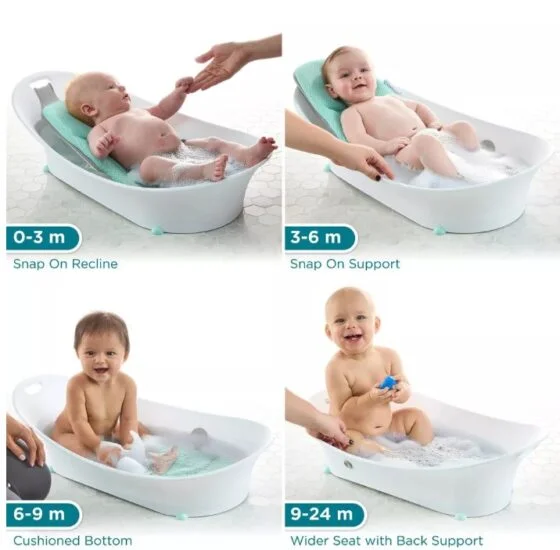
Most babies use a baby bathtub from birth until about 12 months old. Some tubs fit newborns well but become too small as the baby grows. Around one year, many babies can sit up steadily and need more space. At this point, parents often move to a larger tub or the regular bathtub.
Factors That Affect Usage Time
Baby size matters. Bigger babies may outgrow their tubs faster. Some tubs have weight or height limits to follow. Babies who learn to sit early may need a bigger space sooner. Comfort and safety should guide the decision more than age alone. Also, some baby tubs come with inserts or supports that extend usage time. Always check the manufacturer’s guidelines for the best fit.
Safety Tips For Bathing Babies
Bathing a baby is a special time but it must be safe. Babies need extra care in the bath. Their skin is delicate and they can get cold or hurt easily. Following simple safety tips keeps bath time happy and safe for both baby and parent.
Water Temperature Guidelines
Always check the water temperature before placing your baby in the tub. Use your elbow or a bath thermometer to test it. The water should feel warm, not hot. Aim for around 37°C (98.6°F). Hot water can burn a baby’s skin quickly. Cold water can make them uncomfortable and shiver. Fill the tub with just a few inches of water. This keeps your baby safe and cozy.
Supervision Essentials
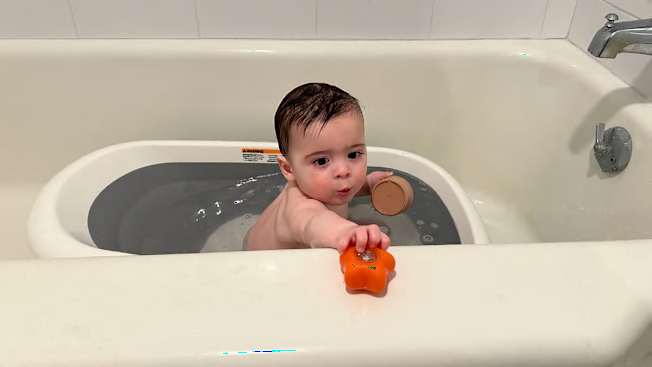
Never leave your baby alone in the bath. Babies can drown in just a few inches of water. Stay within arm’s reach the entire time. Keep all bath supplies close so you don’t have to turn away. Use a sturdy baby bathtub with a non-slip surface. Always support your baby’s head and back. Watch your baby closely for signs of discomfort or slipping. Your full attention keeps bath time safe and calm.
Credit: www.consumerreports.org
Transitioning From Baby Bathtub
Transitioning from a baby bathtub is an important step in your child’s growth. Babies outgrow these tubs as they become more active and bigger. Knowing when to switch helps keep bath time safe and comfortable. This change also encourages your baby to learn new skills and enjoy bath time more.
Signs To Move On
Your baby shows clear signs when it is time to stop using a baby bathtub. They may start trying to climb out or sit up steadily. If your baby is too big for the tub or splashes water everywhere, it is a good sign. Also, if the tub feels cramped or uncomfortable, it is time to change. Watch for these signs to keep bath time safe and fun.
Alternatives To Baby Bathtubs
After moving on from a baby bathtub, other options work well. A regular bathtub with a non-slip mat is a simple choice. Some parents use a small, portable toddler tub inside the big tub for safety. Bath seats designed for toddlers can also help support your child. These alternatives give your baby more space and freedom during bath time.
Choosing The Best Baby Bathtub
Choosing the best baby bathtub is important for your child’s safety and comfort. A good tub makes bath time easier and more fun for both of you. This choice depends on your baby’s age, size, and your space. Finding the right bathtub means focusing on practical features and styles that suit your needs.
Features To Look For
Look for tubs with a non-slip surface to keep your baby safe. A comfortable shape supports the baby’s body well. Some tubs have built-in seats or recline options for newborns. Drain plugs help empty water quickly. Lightweight tubs are easier to move and store. Choose a tub made from safe, non-toxic materials. Easy cleaning is a must to keep the tub hygienic. Size matters—make sure the tub fits your bathing area.
Popular Types And Styles
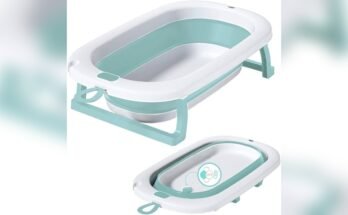
Newborn tubs are small and designed for very young babies. Some come with soft padding for extra comfort. Convertible tubs grow with your baby and can last longer. Inflatable tubs are portable and good for travel. Foldable tubs save space in small homes. Some tubs fit inside a regular bathtub for convenience. Choose a style that fits your lifestyle and your baby’s needs.
Credit: contoursbaby.com
Cleaning And Maintaining Baby Bathtubs
Keeping a baby bathtub clean is very important for your baby’s health. Dirt and germs can build up quickly in the tub. Regular cleaning helps keep the tub safe and fresh. It also makes bath time more pleasant for your little one.
Cleaning the tub often stops stains and bad smells. It also keeps the material strong and lasts longer. Good care means fewer worries about infections or skin problems for your baby.
Daily Cleaning Tips
Rinse the tub with warm water after each use. Use a mild soap or baby-safe cleaner to wash the tub. Avoid harsh chemicals that can hurt your baby’s skin. Wipe the tub with a soft cloth to remove dirt. Let the tub air dry completely before storing it.
Preventing Mold And Mildew
Mold grows in wet and dark places. Always dry the tub well after baths. Store the tub in a dry, open space. Use a mixture of water and vinegar to clean the tub weekly. This stops mold and keeps the tub fresh. Check the tub regularly for any signs of mold. Clean spots immediately to prevent spread.
Frequently Asked Questions
How Long Is A Baby Bathtub Safe To Use?
A baby bathtub is safe until the baby can sit unassisted. This usually happens around 6 to 12 months. After that, a regular bathtub with supervision is better for safety.
When Should You Stop Using A Baby Bathtub?
Stop using a baby bathtub when your baby grows too big or can sit unsupported. Typically, this is between 6 to 12 months. Transitioning to a larger tub reduces risks and supports your baby’s development.
Can Toddlers Still Use Baby Bathtubs Safely?
Toddlers can use baby bathtubs only if they fit comfortably and safely. Most toddlers outgrow these tubs by 12 months. Using a larger tub helps prevent accidents and gives more space to move.
What Are Signs To Stop Using A Baby Bathtub?
Signs include your baby sitting without help, outgrowing the tub size, or showing discomfort. These indicate it’s time to switch to a bigger bathtub. Always prioritize safety and comfort during bath time.
Conclusion
A baby bathtub suits infants up to about 12 months old. Once your baby can sit steadily, it’s time to switch. A regular bathtub or shower becomes safer and more practical. Always watch your baby closely during bath time. Comfort and safety come first in every bath.
Choosing the right time to change helps your baby enjoy bath time more. Keep an eye on your child’s growth and needs. Bathing should remain fun and safe, no matter the age.