Your newborn’s world is full of new sights, sounds, and sensations. Sometimes, all this excitement can overwhelm your baby, making it hard for them to settle down and fall asleep.
If you’ve ever felt helpless watching your little one fuss and struggle to rest, you’re not alone. The good news is, there are simple, effective ways you can calm your overstimulated newborn before sleep—helping both of you get the peaceful rest you deserve.
Keep reading to discover easy techniques that will soothe your baby and bring calm to your bedtime routine.

Signs Of Overstimulation
Newborns can get overstimulated easily before sleep. Their senses are very sensitive. Recognizing signs of overstimulation helps calm them faster. It also creates a peaceful bedtime routine. Watch for changes in their body and behavior.
Physical Indicators
Watch for rapid breathing or hiccups. Flushed cheeks and trembling hands are common signs. Squirming and arching the back may occur. Yawning often means tired but overwhelmed. Clenched fists show tension and stress. Eyes may look wide open or glassy.
Behavioral Clues
Fussiness and crying are clear signals. Sudden irritability without clear cause is a warning. Avoiding eye contact or looking away often happens. Difficulty settling down or calming is typical. Stiff body movements or jerky motions appear. These signs show the baby needs a break.
Creating A Calm Environment
Creating a calm environment helps soothe an overstimulated newborn before sleep. A peaceful setting reduces fussiness and makes it easier for babies to rest. Simple changes in lighting, noise, temperature, and comfort can have a big impact on your baby’s mood and sleep quality.
Lighting And Noise Control
Soft, dim lights help your baby relax. Bright lights can make babies feel alert and restless. Use a nightlight or low-watt bulb in the nursery. Keep the room quiet or use gentle white noise sounds. Loud or sudden noises can startle babies and wake them up. A calm sound environment helps babies settle faster and sleep longer.
Temperature And Comfort
Keep the room at a comfortable temperature, not too hot or cold. Babies sleep best in a slightly cool room, around 68 to 72 degrees Fahrenheit. Dress your baby in soft, breathable clothes. Avoid heavy blankets that may cause overheating. A cozy, safe sleep space helps your baby feel secure and calm.
Soothing Techniques
Soothing an overstimulated newborn before sleep helps them relax and settle down. Babies often feel overwhelmed by sounds, lights, and activities. Using gentle calming methods can ease their tension. These techniques create a peaceful environment and signal bedtime. Each method comforts the baby in a unique way. Here are some effective soothing techniques to try.
Swaddling Benefits
Swaddling wraps the baby snugly in a soft blanket. It mimics the cozy feeling of the womb. This warmth and security help calm the baby quickly. Swaddling also limits sudden movements that might startle them awake. It encourages longer, deeper sleep by making the baby feel safe. Always swaddle with care to keep the baby comfortable.
Gentle Rocking
Rocking gently soothes a restless baby. Slow, rhythmic movements mimic the motion felt before birth. This familiar sensation helps the baby relax and drop their guard. Rocking can be done in your arms or a rocking chair. Keep movements smooth and steady to avoid startling the baby. This method often leads to peaceful sleep within minutes.
White Noise Use
White noise mimics the sounds babies heard in the womb. It masks sudden noises that may wake them. Soft, continuous sounds help the baby focus and calm down. Use a white noise machine or an app with gentle sounds. Keep the volume low to protect the baby’s hearing. White noise creates a soothing background that encourages sleep.
Pacifier Comfort
A pacifier provides comfort and helps calm the baby. Sucking is a natural reflex that reduces stress in newborns. Using a pacifier before sleep can ease fussiness and encourage relaxation. It also helps some babies fall asleep faster. Always clean the pacifier to keep it safe and hygienic for your baby.
Feeding And Sleep Timing
Feeding and sleep timing play a key role in calming an overstimulated newborn before sleep. Proper timing helps the baby feel relaxed and ready to rest. A calm baby falls asleep easier and stays asleep longer. Understanding how feeding links to sleep cues can prevent fussiness and restlessness.
Feeding Before Sleep
Feed your baby close to sleep time but not too early. A full tummy soothes the baby and reduces crying. Avoid feeding too much or too little. Watch for signs that the baby is satisfied. Small, frequent feedings can help keep the baby calm. Feeding slowly helps the baby relax and settle down.
Recognizing Sleep Cues
Notice when your baby starts to feel sleepy. Rubbing eyes, yawning, or looking away are common signs. Catching these cues early prevents overstimulation. Put your baby to sleep before they become too tired. A calm, drowsy baby will sleep more soundly. Learning your baby’s signals helps set the right feeding and sleep routine.
Skin-to-skin Contact
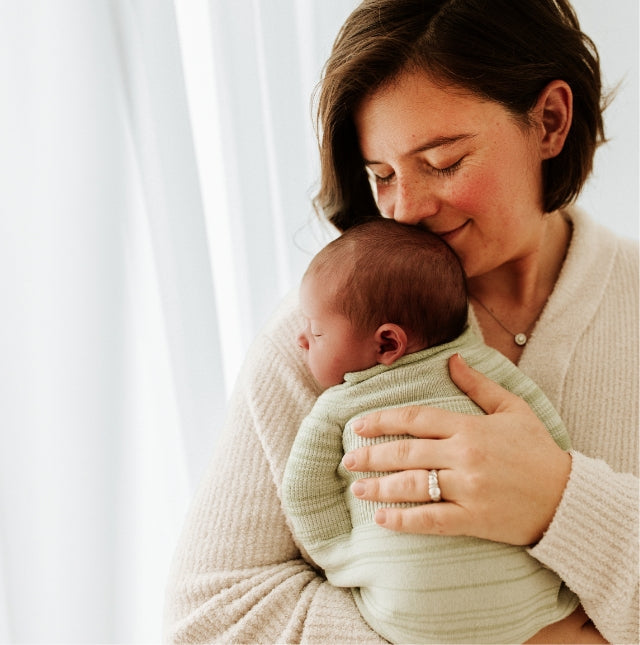
Skin-to-skin contact is a gentle way to calm an overstimulated newborn before sleep. It helps your baby feel safe and secure. Holding your baby close to your bare chest creates warmth and comfort. This closeness can lower your baby’s stress and help them relax.
Newborns feel comforted by the sound of your heartbeat and your steady breathing. Skin-to-skin contact also helps regulate your baby’s body temperature and heart rate. These changes can make it easier for your baby to fall asleep peacefully.
How Skin-to-skin Contact Soothes Overstimulated Newborns
Touch is one of the first senses babies develop. Skin-to-skin contact sends calming signals to your baby’s brain. These signals reduce crying and fussiness. Your baby’s nervous system calms down, helping them rest better.
Simple Steps To Practice Skin-to-skin Contact
Find a quiet, warm place. Remove your shirt and place your baby on your bare chest. Cover both of you with a soft blanket. Hold your baby gently but securely. Stay still and quiet to keep your baby calm.
Timing And Duration For Best Results
Try skin-to-skin contact right before bedtime. Even 15 to 20 minutes can help your baby relax. Repeat as needed if your baby wakes up or seems restless. Consistent practice builds a sleep routine your baby will recognize.
Massage For Relaxation
Massage for relaxation helps calm an overstimulated newborn before sleep. Gentle touch soothes their tiny body and mind. It creates a safe feeling, easing tension and fussiness. Massage supports better sleep by slowing the heart rate and relaxing muscles.
This quiet time also builds trust between baby and parent. It teaches the baby to feel calm and peaceful. Regular massage can become a comforting bedtime routine.
How To Massage Your Newborn
Start with a warm, calm room. Use gentle, slow strokes on the baby’s legs, arms, and back. Avoid firm pressure. Use baby-safe oil or lotion for smooth touch. Watch the baby’s reactions and stop if they seem uncomfortable.
Best Techniques For Relaxation
Use soft circular motions on the tummy to ease gas. Stroke the legs and arms from the center outward. Gentle rubbing on the back can help release tension. Keep your touch light and rhythmic to promote calmness.
When To Massage Your Newborn
Massage after a warm bath or before bedtime works well. Choose a quiet time when your baby is alert but calm. Avoid massaging right after feeding to prevent discomfort. Consistency helps your baby learn to relax at sleep time.
When To Seek Help
Knowing when to seek help for an overstimulated newborn is important. Some signs show that your baby needs extra care from a doctor or specialist. Early action can make a big difference in your baby’s comfort and health.
Persistent Fussiness
If your baby cries nonstop and nothing soothes them, this is a warning sign. Fussiness lasting for hours, day after day, is not normal. It may mean your baby feels pain or discomfort that you cannot fix alone.
Watch for other signs like poor feeding or trouble breathing. These symptoms need medical attention quickly. Do not wait for the fussiness to stop on its own.
Sleep Disruptions
Newborns naturally wake often, but constant sleep problems can be serious. If your baby cannot settle or sleep for more than short times, this affects their health.
Look for unusual sleep patterns like very short naps or hard time falling asleep. These issues could signal overstimulation or other problems. A healthcare provider can help find the cause and suggest treatments.

Frequently Asked Questions
How To Recognize An Overstimulated Newborn Before Sleep?
An overstimulated newborn may show fussiness, crying, yawning, or turning away. They often have trouble settling down and may seem restless or wide-eyed despite being tired.
What Are Effective Ways To Calm An Overstimulated Newborn?
Use gentle rocking, swaddling, and soft white noise. Dim the lights and reduce loud sounds to create a soothing environment for your baby.
Can Overstimulation Affect A Newborn’s Sleep Quality?
Yes, overstimulation can cause difficulty falling asleep or frequent waking. It disrupts their natural sleep cues and makes it harder to settle into restful sleep.
When Should I Seek Help For An Overstimulated Newborn?
If your baby remains inconsolable for hours or shows signs of distress, consult a pediatrician. Persistent sleep issues may require professional guidance.
Conclusion
Calming an overstimulated newborn takes patience and gentle care. Quiet sounds and soft touches help your baby relax. A calm environment supports better sleep for your little one. Watch your baby’s cues to know when they need rest. Consistent bedtime routines make sleep easier over time.
Small steps can create peaceful nights for both of you. Keep trying different calming methods until you find what works best. Remember, every baby is unique and learns at their own pace. Peaceful sleep is possible with love and care.


