Choosing the right baby monitor can feel overwhelming. You want to keep your little one safe, but with so many options out there, where do you start?
What if you could pick a monitor that pediatricians actually recommend? Imagine the peace of mind knowing you’re using a device trusted by experts who understand your baby’s needs. You’ll discover which baby monitors top the list for safety, reliability, and ease of use—helping you make the best choice for your family.
Keep reading to find the perfect monitor that keeps your baby close, even when you’re not in the same room.
Why Pediatricians Recommend Baby Monitors
Pediatricians often suggest baby monitors to help parents keep a close eye on their infants. These devices offer peace of mind and support safe sleep habits. Monitors give parents quick alerts about their baby’s sounds and movements. This helps catch problems early and ensure the baby’s well-being.
Doctors recommend baby monitors that meet strict safety and quality standards. They believe good monitors reduce stress for parents. Easy-to-use devices allow parents to focus on their baby without technical troubles. Pediatricians value monitors that combine safety, reliability, and user-friendly features.
Key Features Pediatricians Look For
Clear audio and video quality are top priorities. Monitors must detect even soft cries or movements. Reliable signal range matters for large homes or outdoor use. Two-way talk functions help parents soothe babies remotely. Night vision allows monitoring in complete darkness. Pediatricians prefer monitors with low radiation levels and secure connections.
Safety And Reliability
Monitors should meet safety certifications and use non-toxic materials. Devices with secure encryption protect the baby’s privacy. Battery life is crucial for uninterrupted monitoring. Pediatricians advise against monitors that emit loud static or interference. Reliable alerts for breathing or movement changes are highly recommended.
Ease Of Use For Parents
Simple controls reduce stress during late-night checks. Clear displays and intuitive menus help parents operate monitors easily. Portable units allow monitoring from different rooms or outside. Alerts must be loud enough but not startling. Pediatricians favor monitors that work straight from the box without complex setup.

Credit: corporateoasis.com
Top Baby Monitor Types
Choosing the right baby monitor is important for parents. Pediatricians suggest different types based on safety and ease of use. Each type offers unique features to help you watch over your baby comfortably.
Here are the top baby monitor types recommended by experts. Understanding these will help you pick the best one for your family.
Audio Monitors
Audio monitors let you hear your baby’s sounds from another room. They are simple and easy to use. Many parents like these for clear sound and long battery life. Pediatricians find them useful for checking on babies without visual distractions.
Video Monitors
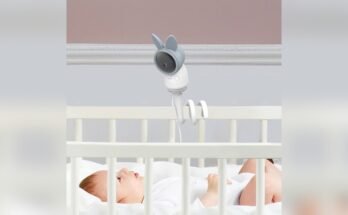
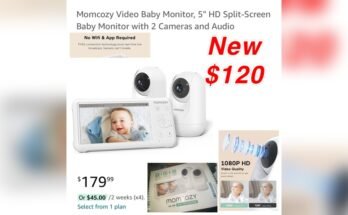
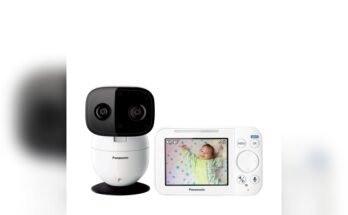
Video monitors show live images of your baby on a screen. They give extra reassurance by letting you see your baby’s movements. Most have night vision for clear viewing in dark rooms. Doctors often recommend video monitors for newborns and infants.
Wearable Monitors
Wearable monitors attach to your baby’s clothing or body. They track vital signs like heart rate and oxygen levels. Parents trust these for real-time health updates. Pediatricians advise using them alongside other monitors for safety.
Movement Sensors
Movement sensors detect your baby’s chest movements during sleep. They alert you if the baby stops moving. These sensors can reduce parents’ anxiety about sudden health issues. Doctors recommend them especially for newborns and babies at risk.
Best Baby Monitors Trusted By Experts
Choosing the right baby monitor gives parents peace of mind. Pediatricians often recommend models that combine safety and ease of use. These monitors help parents keep a close watch on their little ones. They offer different features to match every family’s needs and budgets.
Some baby monitors show clear video images. Others focus on sound quality or wearable technology. Each type has benefits that experts trust for keeping babies safe.
High-end Video Monitors
High-end video monitors provide clear, real-time images. They often include night vision and two-way audio. Parents can see and talk to their baby anytime. Experts like these for their reliability and advanced safety features.
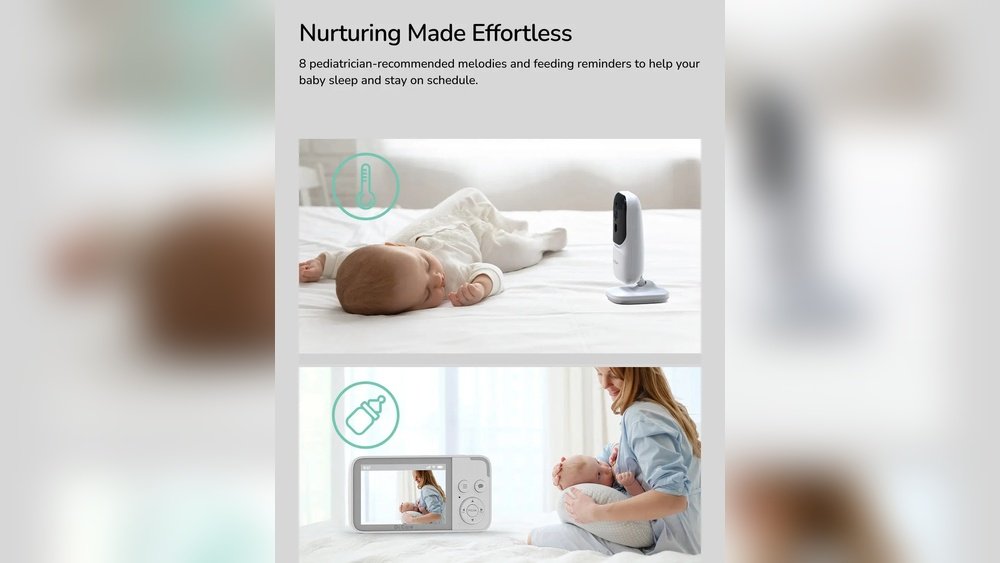
Many models also offer temperature sensors and lullabies. These extras help parents create a comfortable environment. The video quality and range are usually excellent. Pediatricians recommend these for parents who want detailed monitoring.
Affordable Audio Options
Audio baby monitors focus on clear sound transmission. They allow parents to hear every little noise. These monitors are easy to use and cost less. Experts suggest them for families who want basic monitoring without extra features.
Audio monitors often have long battery life. Some include vibration alerts for silent environments. Pediatricians say these are good for newborns who sleep in the same room as parents. They provide trusted sound detection without complexity.
Innovative Wearable Devices
Wearable baby monitors track vital signs like breathing and heart rate. They fit comfortably on the baby’s clothing or skin. Doctors recommend these for babies with special health needs. They offer real-time data and alerts for parents.
These devices help catch early signs of discomfort or trouble. Pediatricians value their ability to provide extra safety. Wearable monitors give parents a closer look at their baby’s health.
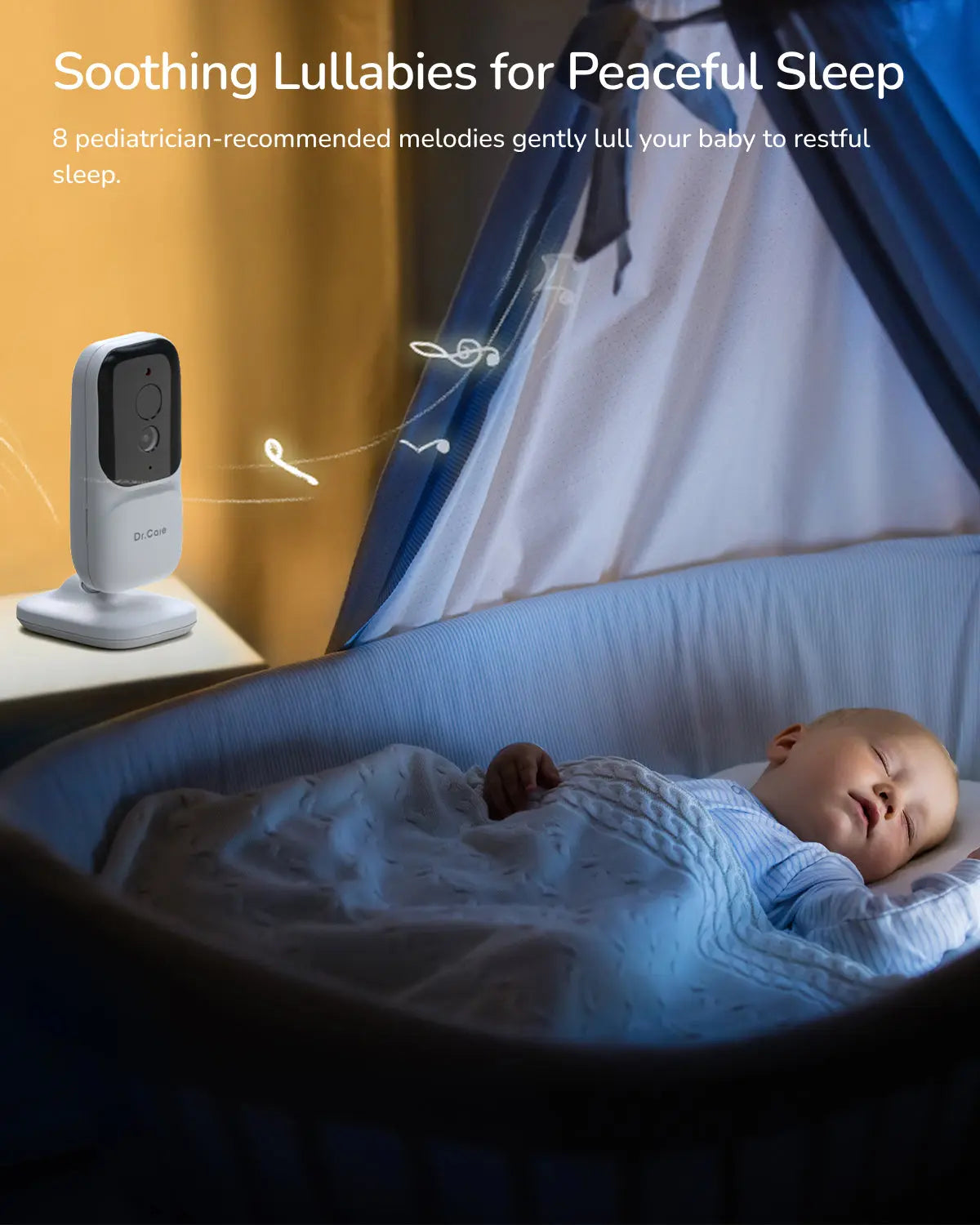
Credit: www.thedrcare.com
Health And Safety Benefits
Choosing the right baby monitor brings many health and safety benefits. Parents can watch their baby closely without disturbing sleep. Monitors help detect risks early and provide peace of mind. Pediatricians suggest certain features to keep babies safer at home.
Reducing Sids Risk
Sudden Infant Death Syndrome (SIDS) is a major concern for parents. Baby monitors with sound and motion sensors help detect unusual movements. These alerts allow parents to respond quickly. Some monitors track sleep patterns to ensure safe sleep positions.
Monitoring Breathing And Heart Rate
Advanced monitors can track a baby’s breathing and heart rate. These vital signs show if the baby is calm and healthy. Alerts warn parents if breathing slows or stops. This monitoring helps reduce anxiety and improves safety during sleep.
Alert Features For Emergencies
Emergency alerts are essential in baby monitors. Loud sounds or vibrations notify parents of crying or unusual noises. Some monitors send alerts to phones for parents away from home. Quick notifications help parents act fast to protect their baby.
Tips For Choosing The Right Monitor
Choosing the right baby monitor is important for your child’s safety and your peace of mind. Pediatricians suggest thinking about a few key points before buying. This helps pick a monitor that fits your needs and home.
Matching Monitor To Baby’s Needs
Consider your baby’s age and habits. Newborns may need video monitors to watch closely. Older babies might do fine with audio-only monitors. Think about special features like temperature sensors or lullabies if your baby needs extra comfort.
Considering Home Layout
Check the size of your home. Large homes might need monitors with strong signals or Wi-Fi capability. Walls and floors can block signals. Choose a monitor that works well in your living space. This ensures you always hear or see your baby clearly.
Budget Vs Features
Set a budget before shopping. More features often mean higher prices. Decide which features matter most. Basic monitors cover sound and movement. Advanced models add video, night vision, and smartphone alerts. Find a balance that fits your budget and needs.
Common Concerns And Solutions
Choosing a baby monitor brings many questions for parents. Concerns about safety, signal quality, and ease of use often arise. Pediatricians recommend considering these common issues to pick the best monitor. Understanding these concerns helps parents make smart choices.
Privacy And Security Issues
Parents worry about hackers accessing baby monitors. Some older models use weak signals that hackers can tap into. Modern monitors use encrypted signals to keep data safe. Always choose a monitor with strong security features. Change default passwords to protect your privacy.
Signal Interference
Signal drops or static noise can cause stress. Interference comes from other wireless devices like Wi-Fi routers. Digital monitors with clear channels reduce interference problems. Place the monitor away from other electronics. This improves signal strength and clarity.
Battery Life And Maintenance
Short battery life can cause unexpected shutdowns. Choose monitors with long-lasting batteries for peace of mind. Rechargeable batteries help save money and reduce waste. Regularly check and clean the monitor to keep it working well. Simple maintenance extends the monitor’s lifespan.

Credit: www.amazon.com
Frequently Asked Questions
What Features Do Pediatricians Recommend In Baby Monitors?
Pediatricians recommend monitors with clear audio and video, reliable connectivity, and secure data encryption. They also suggest models with temperature sensors, lullabies, and two-way communication for better baby care.
Are Video Baby Monitors Better Than Audio-only Ones?
Yes, video monitors offer visual reassurance and help parents quickly assess their baby’s condition. Pediatricians prefer video models for enhanced safety and peace of mind.
How Important Is Range In A Baby Monitor?
Range is crucial for reliable monitoring, especially in larger homes. Pediatricians advise choosing monitors with at least 900 feet of range to maintain clear signals anywhere in the house.
Do Pediatricians Recommend Wi-fi Baby Monitors?
Pediatricians acknowledge Wi-Fi monitors’ convenience but warn about cybersecurity risks. They suggest using models with strong encryption and keeping software updated for safety.
Conclusion
Choosing a baby monitor trusted by pediatricians helps keep your baby safe. These monitors offer clear sound and reliable video. They give parents peace of mind during sleep and play. Easy-to-use features make watching your baby simple. Always pick a monitor with good reviews and safety features.
Your baby’s comfort and security matter most. Trust expert advice to find the best fit for your family. A good baby monitor supports happy, healthy growth every day.