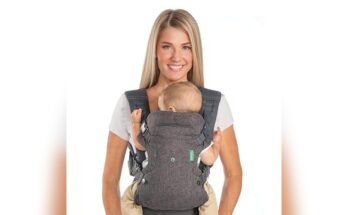
Are you wondering if your baby carrier can be used both in the front and on the back? You’re not alone.
Many parents ask this because finding the best way to carry your little one can make all the difference in comfort and convenience. Whether you want to keep your baby close during errands or need a hands-free way to explore with your child, knowing how your carrier works can help you get the most out of it.
Keep reading to discover the answers you need and learn how to use your baby carrier safely and effectively for both front and back carrying.
Types Of Baby Carriers
Baby carriers come in various types. Each type offers different ways to carry your baby. Some carriers allow both front and back carrying. Others focus on comfort or ease of use. Understanding these types helps you choose the best one for your needs.
Soft Structured Carriers
Soft structured carriers have padded straps and buckles. They give good support to both parent and baby. These carriers work well for front and back carries. Parents like them for long walks or outings. Adjusting straps is simple for a snug fit.
Wraps And Slings
Wraps are long pieces of fabric you tie around your body. They mold to your shape and your baby’s. Slings are shorter and use rings to adjust. Both types allow front carrying easily. Some parents find back carrying harder with wraps and slings.
Mei Tai Carriers
Mei Tai carriers mix wrap and structured carrier features. They have a fabric body with straps at corners. You tie the straps around your waist and shoulders. Mei Tai carriers support front and back carrying well. They suit babies from newborn to toddler.
Ring Slings
Ring slings have a fabric panel and two rings. You thread the fabric through rings to tighten. They are quick to put on and take off. Ring slings work best for front carries. Back carrying is possible but takes practice.

Credit: infantino.com
Front Carry Benefits
Using a baby carrier for front carry offers many advantages for parents and babies. It keeps your little one close and safe. Carrying your baby in front allows you to stay connected and keep an eye on them easily. This position also supports the baby’s development, especially in the first months. Front carry is perfect for daily tasks and quick outings.
Bonding And Eye Contact
Front carry helps build a strong bond between parent and baby. Your baby can see your face clearly. Eye contact supports emotional connection and trust. Babies feel calm and secure near their parent’s heartbeat. Talking and singing become easier during front carry. This closeness boosts the baby’s comfort and happiness.
Convenience And Accessibility
Front carry allows parents to move freely and keep hands free. You can easily check on your baby without stopping what you do. It suits many activities like walking, shopping, or light chores. The baby is within your reach for quick feeding or soothing. Front carry also helps parents maintain good posture while carrying.
Support For Newborns
Front carrying provides excellent support for newborns’ fragile bodies. The baby’s head and neck get proper support in this position. It keeps the baby’s spine aligned and safe. The carrier holds the baby snugly and gently. This support helps newborns feel secure and comfortable. Front carry encourages healthy growth and development.
Back Carry Advantages
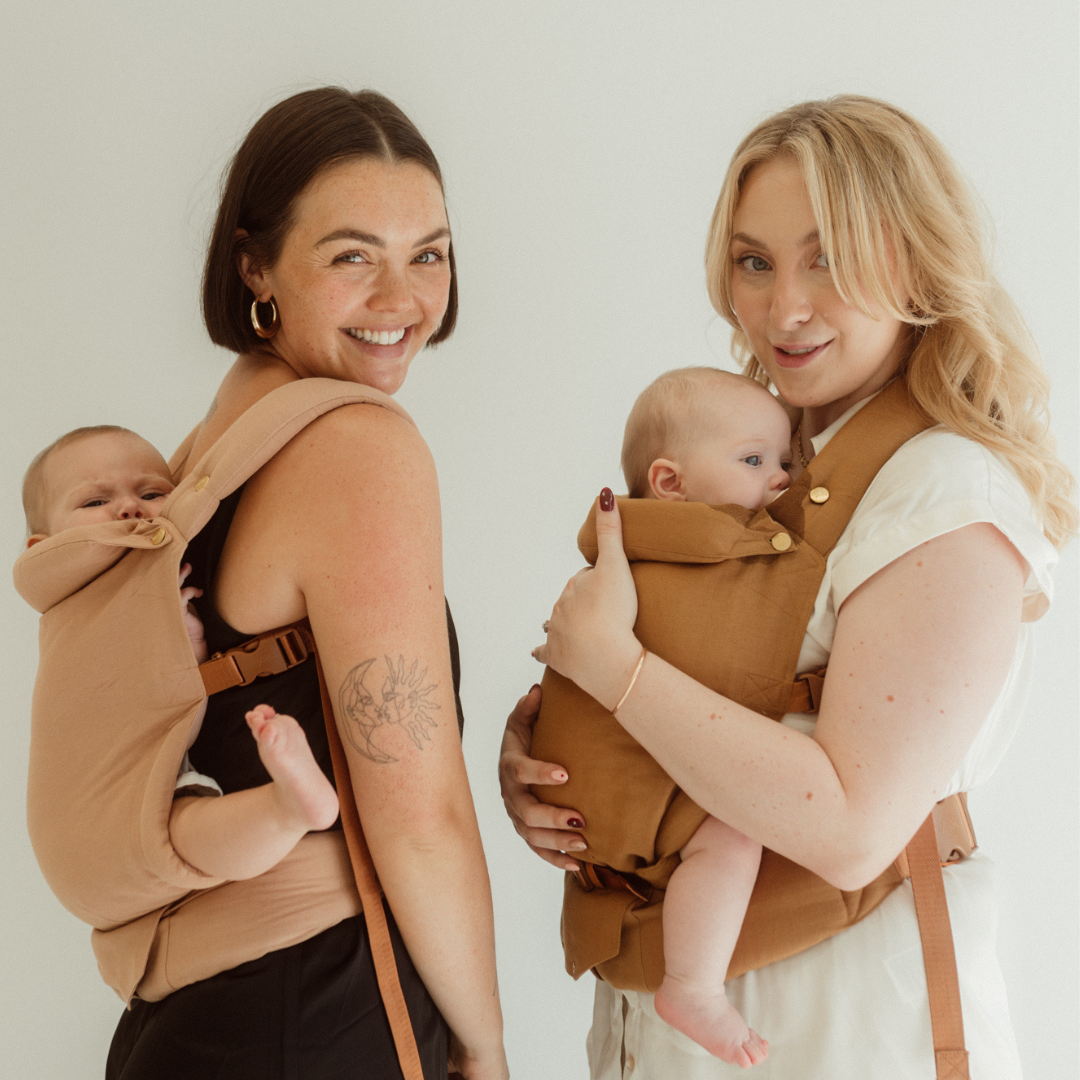
Using a baby carrier on the back offers many benefits for both parents and babies. It allows parents to carry their child comfortably while keeping hands free. Back carrying is popular for longer outings and busy days. It supports the baby well and helps reduce strain on the body. Here are some key advantages of back carrying.
Comfort For Longer Wear
Back carrying feels more comfortable for many parents over time. The weight rests on the stronger muscles of the back and hips. It avoids putting too much pressure on the shoulders and front body. Parents can wear the carrier longer without feeling tired or sore. This makes it perfect for walks, errands, or travel days.
Better Weight Distribution
Back carriers spread the baby’s weight evenly across the body. This reduces pressure points and muscle strain. It balances the load between the hips, back, and shoulders. The result is less discomfort and better posture for the wearer. Good weight distribution helps prevent back pain and fatigue.
Ideal For Older Babies
Back carrying suits babies who can sit up well on their own. Older babies enjoy the higher view and fresh air from the back position. It feels more natural for babies who want to explore the world visually. Parents can carry heavier babies safely without losing comfort. This carry style grows with the baby’s needs.
Credit: www.chekoh.com
Safety Tips For Front Carry
Using a baby carrier for front carry keeps your baby close and safe. It helps you stay hands-free while bonding with your child. Safety is very important during front carry. Follow these tips to protect your baby and ensure comfort for both of you.
Proper Positioning
Place your baby high on your chest, close enough to kiss. Their head should rest against your chest, not leaning back. Support the baby’s back and neck firmly. Make sure their legs are in a natural “M” shape. Avoid letting the baby’s legs dangle straight down.
Breathability And Airway
Keep your baby’s face visible and free of fabric. Check that their nose and mouth are not covered. Ensure air flows easily around your baby’s face. Tighten the carrier to keep the baby secure but not pressed against you. Watch for any signs of breathing difficulty.
Adjusting Straps And Support
Adjust straps to fit your body snugly and comfortably. Straps must support your baby’s weight evenly. Use waist and shoulder straps for balanced support. Check straps regularly for tightness and wear. Proper support prevents strain and keeps your baby safe.
Safety Tips For Back Carry
Back carrying your baby in a carrier can be very convenient. It offers freedom to move and keeps your baby close. Safety is very important when using a back carry. Following simple tips can keep your baby safe and comfortable.
Ensuring Secure Fit
Check all straps and buckles before each use. Make sure they are tight but not too tight. The carrier should hold your baby firmly against your back. Avoid loose fabric or slack straps. A secure fit prevents slipping and keeps baby stable.
Checking Baby’s Position
Baby’s hips should be in a natural “M” shape. Knees higher than the bottom helps healthy hip development. The baby’s back should be slightly curved, not stiff. Make sure baby’s face is visible and not pressed against your body. Clear airways are important for easy breathing.
Using Mirrors Or Assistance
Use a mirror to see your baby’s position on your back. This helps check if baby is safe and comfortable. Ask someone to help you put the baby in the carrier. A second person can make sure the carrier fits well. Assistance reduces the risk of mistakes and falls.
Choosing The Right Carrier For Both Positions
Choosing the right baby carrier for both front and back carrying is important for comfort and safety. A versatile carrier lets you switch positions as your baby grows. It also helps you stay active and enjoy time with your baby. Understanding key features makes the choice easier. Focus on adjustability, weight limits, and comfort to find the best fit.
Adjustability Features
A good carrier must adjust to fit different positions. Look for wide straps that you can change easily. Adjustable buckles help secure your baby tightly. Some carriers have extra padding for your shoulders and back. This reduces strain during long carries. Adjustability also means the carrier grows with your baby.
Weight Limits And Age Recommendations
Check the carrier’s weight limit before buying. Some carriers work from newborn to toddler. Others are made for older babies only. Age recommendations guide you on safe use. Using a carrier outside these limits can be risky. Always choose a carrier that suits your baby’s size and age.
Comfort And Ease Of Use
Comfort is key for both you and your baby. Look for soft, breathable fabric that does not irritate skin. Carriers with simple straps and clips save time. Easy-to-use designs help you carry your baby quickly. Try the carrier before buying if possible. Comfort makes carrying your baby a pleasant experience.
Common Mistakes To Avoid
Using a baby carrier for both front and back carry can be very convenient. Yet, some common mistakes can cause discomfort or unsafe situations. Avoiding these errors helps keep your baby happy and secure. Here are key mistakes to watch out for.
Ignoring Baby’s Comfort
Comfort matters most for your baby. A tight or loose carrier can cause pain or fussiness. Always check that your baby sits in a natural position. Support their head, neck, and hips properly. Watch for signs of discomfort like crying or squirming.
Incorrect Strap Adjustments
Straps need to fit your body well. Loose straps can make the baby slip or shift. Tight straps can cause back pain for you. Adjust straps evenly on both sides. Make sure your baby stays close to your body without gaps.
Overlooking Safety Guidelines
Safety rules are there for a reason. Follow the carrier’s instructions carefully. Never use a carrier that is worn or damaged. Keep the baby’s face visible and free from fabric. Check your baby’s breathing often to avoid risks.
Expert Advice For Transitioning Between Carries
Transitioning between front and back baby carries requires care and patience. Each position offers different benefits and challenges for both you and your baby. Following expert advice helps make the switch smooth and safe. It also keeps your baby comfortable and well-supported at all times.
Gradual Practice
Start by practicing short periods in the new carry position. This helps both you and your baby get used to the change. Try front carry first, then slowly move to back carry as you feel confident. Practice in a safe space without distractions. Repeat often to build skill and comfort.
Maintaining Baby’s Support
Always check that your baby’s head, neck, and back are well supported. Use the carrier’s straps and adjustments to keep a snug fit. Baby’s legs should be in a natural ‘M’ shape to protect hips. Keep baby close to your body to avoid strain. Support is key to your baby’s safety and comfort.
Using Accessories And Supports
Use accessories like waist belts or shoulder pads for extra comfort. These help balance the baby’s weight evenly. A small towel or rolled cloth can provide extra neck support. Choose accessories that match your carrier and are easy to adjust. Proper supports reduce fatigue and improve posture.

Credit: oschaslings.com
Frequently Asked Questions
Can A Baby Carrier Be Used For Both Front And Back Carry?
Yes, many baby carriers are designed for front and back carry. They offer versatility for parents to switch positions based on comfort and baby’s age. Always check the manufacturer’s guidelines for safe use in both positions.
When Is It Safe To Use A Back Carry With A Baby Carrier?
Back carry is generally safe when the baby has good head and neck control, usually around six months old. This position offers better weight distribution for parents and more freedom during activities.
What Are The Benefits Of Front Vs Back Baby Carrying?
Front carry promotes bonding and allows easy monitoring of the baby. Back carry distributes weight evenly and suits older babies, offering parents more mobility and comfort during longer carries.
How Do I Adjust A Baby Carrier For Front And Back Use?
Adjust straps and buckles according to the position. For front carry, ensure baby faces inward with secure support. For back carry, position baby high and tight for safety and comfort.
Conclusion
A baby carrier can be used for both front and back carrying. Each position offers comfort for you and your baby. Front carry keeps your baby close and helps with bonding. Back carry gives you more freedom to move around.
Choose the position that fits your daily needs best. Always check the carrier’s instructions for safety. Practice using the carrier before long trips. Both front and back carries support your baby well. Enjoy the hands-free convenience while keeping your baby safe.