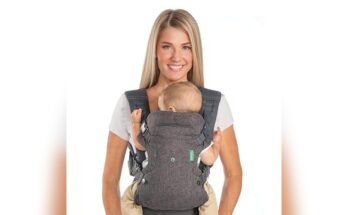
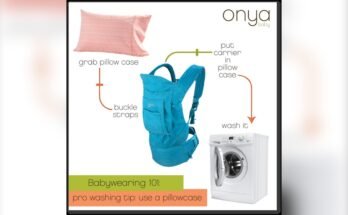
Are you wondering how long your baby can safely stay in a baby carrier? You want to keep your little one close, but you also want to make sure they’re comfortable and safe.
Knowing the right amount of time your baby can spend in a carrier can help you avoid discomfort, fussiness, and even health risks. Keep reading to discover simple, expert-backed tips that will help you use your baby carrier the right way—so both you and your baby enjoy every moment together.
Choosing The Right Baby Carrier
Choosing the right baby carrier is important for your baby’s safety and comfort. A good carrier supports your baby’s body well. It also lets you move freely without strain. Picking the right one helps both you and your baby feel happy during use.
Types Of Baby Carriers
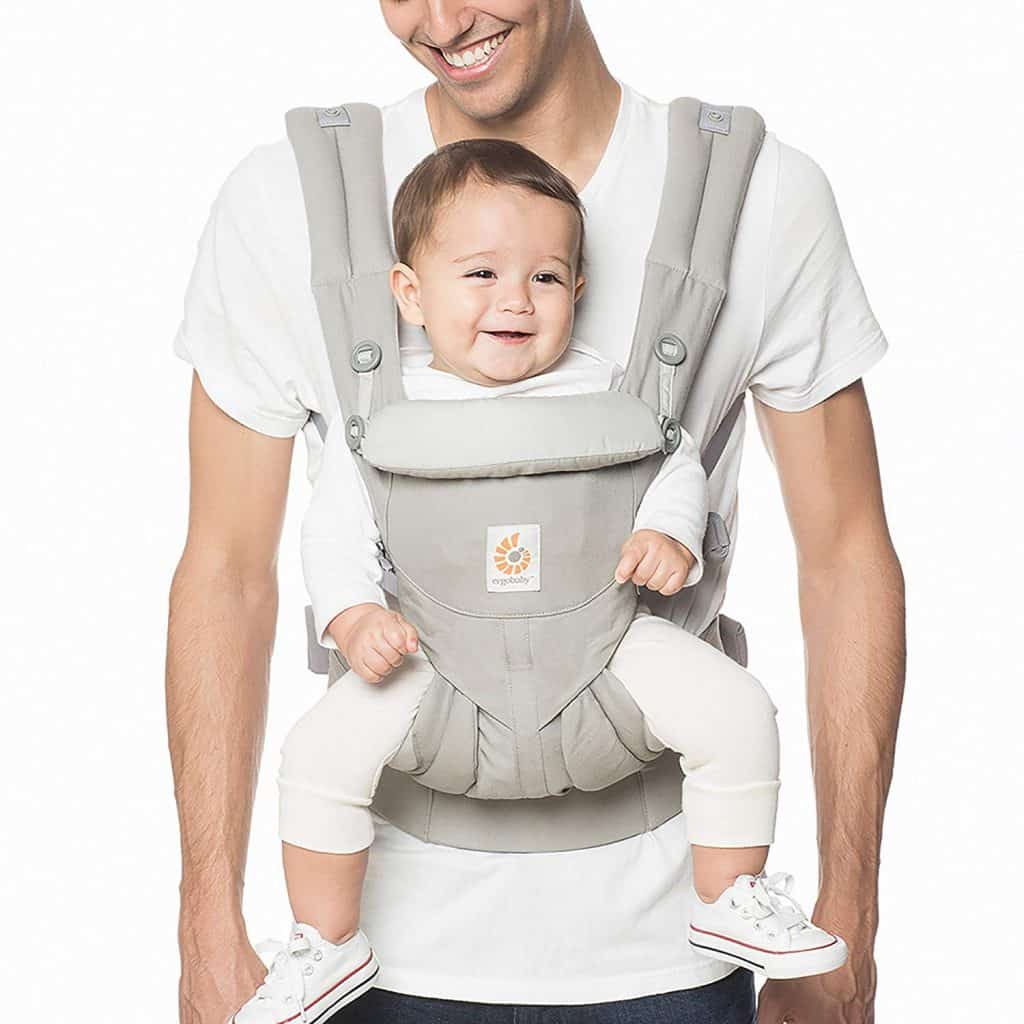
Baby carriers come in many styles. Wraps are soft fabrics you tie around your body. Slings hang over one shoulder and hold your baby close. Structured carriers have straps and buckles for support. Each type works well for different activities and baby ages.
Material And Comfort
Soft, breathable fabric keeps your baby cool. Choose materials that feel gentle on the skin. Padded straps and waist belts add comfort for you. Look for carriers with adjustable parts to fit your body well. Comfort matters for long periods of carrying.
Age And Weight Guidelines
Every carrier has limits for weight and age. Use carriers made for your baby’s current size. Newborns need extra head and neck support. Older babies can use carriers with more structure. Follow the manufacturer’s instructions to keep your baby safe.
Credit: raisingchildren.net.au
Recommended Wearing Duration
Knowing how long a baby can safely stay in a baby carrier helps keep them comfortable and healthy. Babies need breaks to move freely and avoid stress. The recommended wearing time changes based on the baby’s age and activity.
Newborns Vs Older Babies
Newborns have delicate bodies and need frequent breaks from the carrier. Experts suggest 30 to 60 minutes at a time for newborns. Older babies can stay longer, up to two hours, if they seem happy and comfortable. Always watch your baby’s behavior and adjust time as needed.
Signs Baby Needs A Break
Crying, fussiness, or squirming can mean the baby needs a break. Look for changes in skin color or breathing difficulties. If the baby seems restless or stiff, it’s time to take them out. Regular breaks help prevent discomfort and support healthy development.
Adjusting Time Based On Activity
Active parents may carry babies longer during calm activities like walking. Avoid long periods during vigorous tasks or hot weather. Slow, gentle movement helps babies stay relaxed in the carrier. Always check on your baby often to adjust wearing time for their comfort.
Safety Tips For Babywearing
Babywearing is a wonderful way to keep your child close and comforted. Safety must always come first. Knowing how to keep your baby safe in a carrier protects their health and well-being. Follow these key tips to ensure your baby is secure and happy while being carried.
Proper Positioning
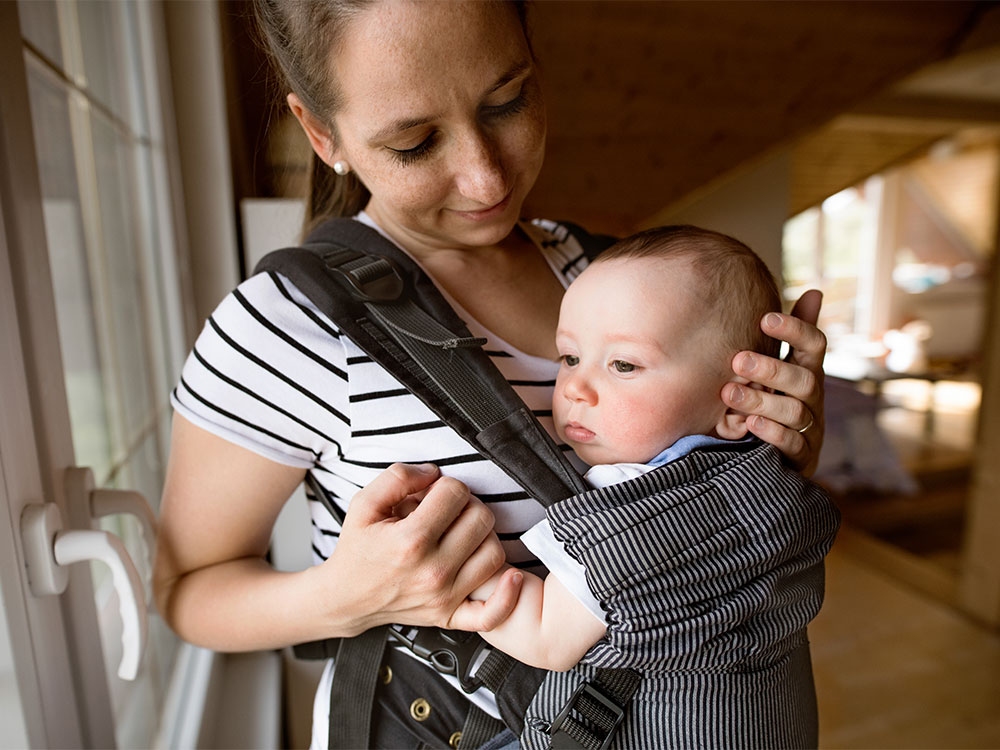
Always place your baby in an upright position. The baby’s head should be close enough to kiss. Support the baby’s neck and back firmly. Avoid slumping or curling the baby too tightly. Legs should be spread in an “M” shape. This helps healthy hip development. Proper positioning prevents strain and breathing problems.
Breathability And Airway Safety
Keep the baby’s face visible at all times. The nose and mouth must never be covered. Use carriers made of breathable fabric. This allows air to flow freely around your baby. Avoid bulky clothing that blocks airflow. Regularly check that the baby can breathe easily. Clear airways reduce the risk of suffocation.
Checking For Discomfort Or Distress
Watch your baby closely for signs of discomfort. Fidgeting, fussiness, or crying may mean something is wrong. Check for tight straps or pressure points. Adjust the carrier to relieve any discomfort. Take breaks often to give your baby rest. A calm baby means your babywearing is safe and comfortable.
Health Considerations
Using a baby carrier is a great way to keep your little one close. Still, health is important when deciding how long to keep your baby in the carrier. Babies have special needs for their growing bodies. Parents also need to be careful to avoid discomfort or injury. Knowing what to watch for helps keep both baby and parent safe and happy.
Hip Development And Carrier Use
Babies’ hips are soft and need gentle support. Carriers that hold legs straight or pressed together can harm hip growth. Choose carriers that allow a wide leg position. The “M” shape, with knees higher than bottom, is best. Avoid long times in carriers that do not support hips well. Short periods help protect healthy hip development.
Preventing Overheating
Babies can get too hot in a carrier quickly. Their bodies do not cool down fast. Dress your baby in light clothes. Use carriers made from breathable materials. Watch for signs like sweating, flushed skin, or fussiness. Take breaks often to let your baby cool down. Keeping baby comfortable lowers the risk of overheating.
Avoiding Strain On Parent’s Body
Carrying a baby for long hours can hurt your back and shoulders. Use carriers with good padding and support. Adjust straps to spread weight evenly. Change carrying positions to avoid muscle strain. Listen to your body’s signals. Stop and rest if you feel pain or stiffness. Safe carrying helps both you and your baby feel good.
Common Mistakes To Avoid
Using a baby carrier can be very helpful for parents. It keeps the baby close and frees up your hands. Still, some common mistakes can make carrying unsafe or uncomfortable for your baby. Avoiding these errors helps keep your baby safe and happy.
Ignoring Time Limits
Many parents do not watch how long their baby stays in the carrier. Babies should not stay in carriers for too long. Long periods can cause discomfort and strain on the baby’s body. Breaks are important for movement and fresh air. Pay attention to your baby’s signals. If they seem restless or fussy, it is time to take a break.
Incorrect Fit Or Adjustment
A carrier must fit your baby snugly and support their body well. Loose or tight straps can cause harm. Wrong adjustments can lead to poor posture or discomfort. Make sure the baby’s head and neck are well supported. The carrier should hold the baby close to your body. Check straps often to keep the right fit as your baby grows.
Using Unsafe Carriers
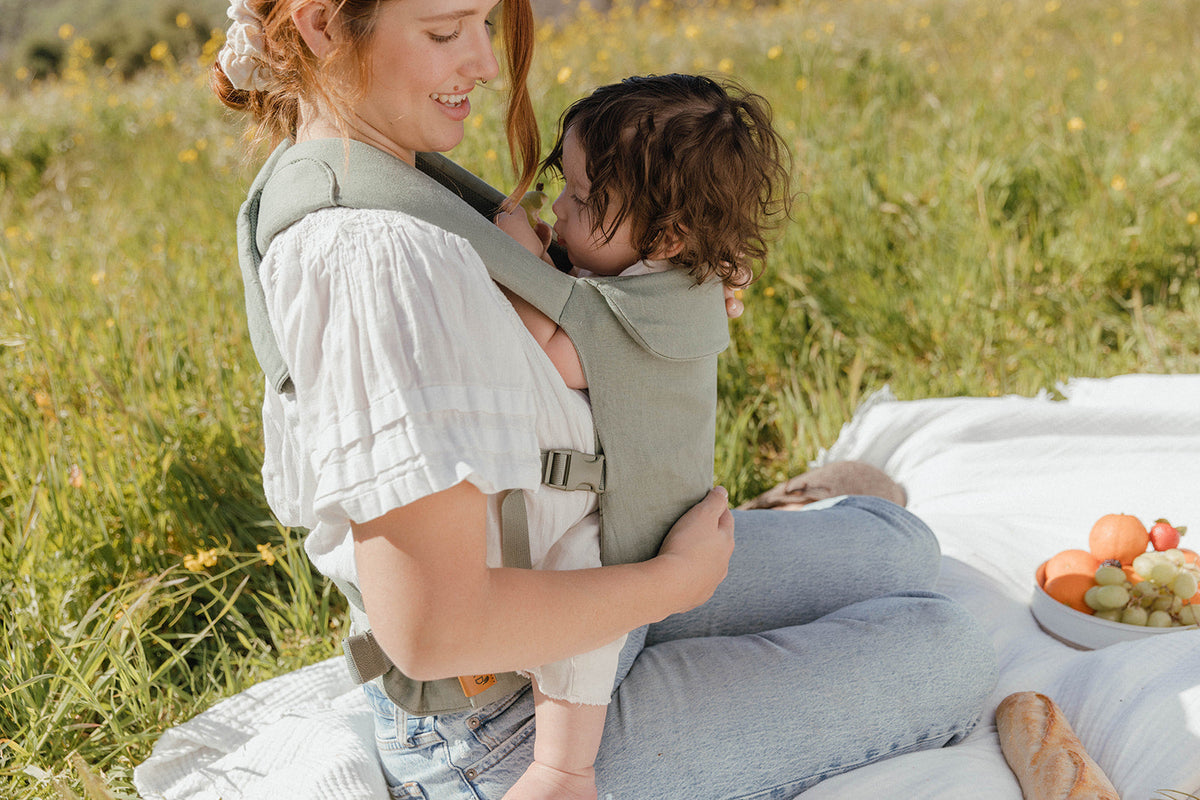
Not all carriers are safe or suitable for every baby. Some carriers may lack proper support or have bad designs. Avoid using old or damaged carriers. Always choose carriers that meet safety standards. Read product instructions carefully. Using a safe carrier reduces risks and gives peace of mind.
Credit: wildbird.co
When To Take Breaks
Knowing when to take breaks from a baby carrier is very important. Babies need time outside the carrier to stretch and move. Parents should watch for signs that their baby needs a break. Taking breaks helps keep your baby comfortable and happy.
Recognizing Baby’s Cues
Babies cannot tell us with words. They use their body and sounds to show feelings. Look for fussiness, crying, or squirming. These may mean your baby wants a break. Check if your baby’s face looks uncomfortable or tired. Pay attention to these signs to avoid distress.
Recommended Break Intervals
Experts suggest taking breaks every one to two hours. This time lets your baby rest and changes their position. Long periods without breaks may cause discomfort or overheating. Short breaks also help your back feel better. Keep breaks regular for your baby’s safety and health.
Activities During Breaks
Use breaks to give your baby fresh air and space. Lay your baby on a soft blanket for some tummy time. Gently move their arms and legs to encourage movement. Talk or sing softly to keep your baby calm. These activities help your baby grow strong and happy.
Tips For Extended Babywearing
Extended babywearing can be a wonderful way to keep your baby close and calm. It also helps parents move freely and complete tasks. To make long periods in a baby carrier safe and comfortable, some tips can help both baby and parent.
Comfort is key for longer babywearing sessions. Small changes can make a big difference in how you and your baby feel. Also, staying hydrated and nourished supports energy and mood. Balancing your baby’s needs and your own comfort keeps the experience positive for both.
Comfort Enhancements
Choose a carrier that fits well and supports your baby’s hips and spine. Use soft, breathable fabrics to avoid overheating. Adjust straps and buckles often for the best fit. Adding a small cushion can reduce pressure on your shoulders. Regularly check your baby’s position to keep them safe and comfy.
Hydration And Nutrition
Drink water before and during babywearing to stay hydrated. Have easy snacks nearby for quick energy boosts. Feed your baby on time to avoid fussiness. Use a carrier that allows easy access for breastfeeding. Keep a small bottle of water for your baby if needed.
Balancing Baby’s Needs And Parent’s Comfort
Pay attention to your baby’s cues for breaks or repositioning. Take short breaks to stretch and relax your muscles. Change your posture often to avoid stiffness. Keep your baby close but make sure you feel stable. Plan your day to include quiet time for both of you.
Credit: compassbank.us
Frequently Asked Questions
How Long Can A Newborn Safely Stay In A Baby Carrier?
Newborns can safely stay in a baby carrier for about 1 to 2 hours at a time. Frequent breaks are essential to prevent discomfort and ensure proper airflow. Always monitor the baby’s position and comfort during use.
What Is The Recommended Maximum Duration For Baby Carriers?
Experts recommend limiting baby carrier use to 2 hours continuously. Prolonged use may cause pressure on the baby’s hips and spine. Regular breaks help maintain healthy circulation and comfort for both baby and parent.
Can Extended Use Of Baby Carriers Affect Baby’s Health?
Yes, extended use can affect hip development and cause discomfort. Babies need movement and stretching to grow healthily. Use carriers as needed but avoid long, uninterrupted periods to promote proper physical development.
How Often Should I Take Breaks When Using A Baby Carrier?
Take a break every 1 to 2 hours when using a baby carrier. Breaks prevent overheating and reduce pressure on the baby’s body. Use this time to check the baby’s position and comfort.
Conclusion
Babies need breaks from carriers to stay comfortable and safe. Watch your baby’s cues and take them out often. Keep sessions short, especially for newborns. Always support your baby’s head and neck well. A happy baby means a happy parent, too.
Using the carrier wisely helps both of you enjoy your time together. Remember, comfort and safety come first in every moment. This way, babywearing stays a joyful experience for all.