Creating the perfect sleep environment for your newborn can feel overwhelming. You want your baby to rest safely and soundly, but where do you start?
The good news is, small changes in your baby’s sleep space can make a big difference in how well they sleep—and how much peace you get at night. You’ll discover simple, practical tips that anyone can use to build a cozy, safe, and calming sleep area for your little one.
Keep reading to learn how to turn your baby’s crib into a sleep haven both of you will appreciate.
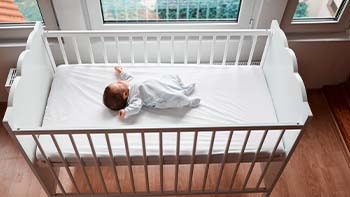
Safe Sleep Surface
Creating a safe sleep surface is key for your newborn’s rest and safety. It helps reduce risks and keeps your baby comfortable. The right sleep surface supports healthy sleep habits from the start. Follow these simple tips to set up a safe place for your little one.
Firm Mattress Choice
Choose a firm mattress designed for infants. Soft mattresses can cause your baby’s face to sink in. This makes breathing harder and increases risk. A firm mattress keeps your baby’s head and body well supported. Check the mattress fits tightly in the crib with no gaps.
Fitted Sheet Use
Use only a fitted sheet on the mattress. It should fit snugly and cover the mattress fully. Loose sheets can bunch up and cause choking hazards. A tight fitted sheet keeps the sleeping area smooth and safe. Always avoid extra blankets or loose fabric under your baby.
Avoiding Soft Bedding
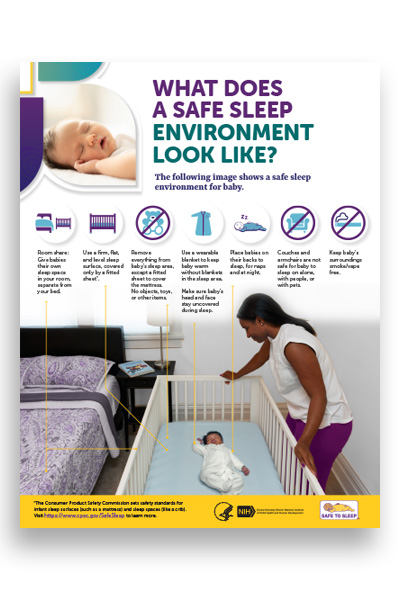
Keep soft bedding away from your baby’s sleep space. Pillows, quilts, and stuffed animals can block airways. These items increase the risk of suffocation and Sudden Infant Death Syndrome (SIDS). Use only a wearable sleep sack or light clothing to keep your baby warm. The safest sleep environment is clear and simple.
Ideal Sleep Position
Choosing the right sleep position for your newborn is very important. It helps keep your baby safe and comfortable. The ideal sleep position reduces risks during sleep. It also supports healthy breathing and rest. Understanding the best position helps parents create a safe sleep environment.
Back Sleeping Benefits
Placing your baby on their back is the safest sleep position. It lowers the chance of sudden infant death syndrome (SIDS). Back sleeping keeps airways open and clear. This position also prevents your baby from overheating. Babies usually sleep better and longer on their backs. It is recommended by health experts worldwide.
Avoiding Side And Stomach Positions
Side sleeping is not stable and may cause your baby to roll onto their stomach. Stomach sleeping raises the risk of breathing problems. Both positions can lead to blocked airways. Avoid these positions to keep your baby safe. Always place your newborn flat on their back to sleep. This habit protects your baby throughout the night.
Room Temperature Control
Creating the right sleep environment is key for your newborn’s rest. Room temperature plays a big role in how well your baby sleeps. Too hot or too cold can make your baby uncomfortable and restless. Keeping the room at a good temperature helps your baby stay safe and cozy throughout the night.
Optimal Temperature Range
The best room temperature for a newborn is between 68°F and 72°F (20°C to 22°C). This range keeps the air fresh and stops your baby from sweating or getting cold. Use a room thermometer to check the temperature often. Dress your baby in light, breathable clothes that match the room’s warmth. Avoid heavy blankets, as they can cause overheating.
Signs Of Overheating
Check your baby often for signs of overheating. Look for sweating on the forehead or neck. Your baby’s chest might feel hot to touch. Red cheeks or flushed skin are warning signs. If your baby is restless or breathing fast, the room might be too warm. Adjust the temperature or remove layers to cool your baby down quickly.
Clothing And Swaddling
Creating a safe and comfortable sleep environment for your newborn starts with the right clothing and swaddling. These two factors help your baby stay cozy and secure through the night. Proper clothing keeps your baby warm without overheating. Swaddling can soothe a fussy baby and promote longer sleep.
Choosing Sleepwear
Pick soft, breathable fabrics like cotton for your baby’s sleepwear. Avoid heavy or thick materials that might cause overheating. Choose onesies or sleepers with snaps or zippers for easy diaper changes. Ensure the clothes fit well but are not too tight around the chest or neck. Dress your baby in one more layer than you would wear. Keep hats and socks light or remove them if the room is warm.
Safe Swaddling Techniques
Use a thin, breathable blanket for swaddling to prevent overheating. Lay the blanket flat in a diamond shape and fold down the top corner. Place your baby on their back with shoulders just below the fold. Wrap one side snugly across the chest and tuck under the baby. Fold the bottom up and then wrap the other side securely. Leave enough room for the hips to move to prevent hip problems. Stop swaddling once your baby starts rolling over.
Crib And Nursery Setup
Setting up the crib and nursery is key for a newborn’s safe sleep. The right setup helps your baby rest well and stay safe. Every detail in the crib matters, from mattress to toys. This space should be calm, clean, and secure.
Focus on removing dangers that could harm your baby. Also, choose toys and blankets wisely. These steps create a cozy and risk-free area for your child.
Removing Hazards
Keep the crib free of loose bedding, pillows, and stuffed animals. These items can cause suffocation risks. Use a firm mattress that fits snugly inside the crib. Make sure the crib slats are close enough to stop your baby’s head from getting stuck.
Check for sharp edges or peeling paint. Remove any hanging cords or strings near the crib. These can lead to strangulation. Regularly inspect the crib for broken parts or loose screws. Safety first, always.
Safe Toy And Blanket Guidelines
Choose small, soft toys without small parts. Avoid toys that can break easily. Limit toys in the crib to one or two safe pieces only. Blankets are not recommended inside the crib for babies under one year.
Use sleep sacks or wearable blankets to keep your baby warm. These reduce the risk of suffocation. Always pick breathable fabrics that won’t irritate sensitive skin. Keep the nursery clean and clutter-free to support healthy sleep.
Monitoring And Supervision
Monitoring and supervision are key to keeping your newborn safe during sleep. Babies need a calm and secure place to rest. Careful watching helps you notice any problems quickly. It also gives you peace of mind, knowing your baby is fine.
Using Baby Monitors
Baby monitors let you listen or see your baby from another room. They help you hear crying or movements right away. Video monitors add extra safety by showing your baby’s position. Choose a monitor with clear sound and good range. Place it where you can easily hear or see your baby.
Regular Check-ins
Checking on your baby often is important. Walk into the room every 15 to 30 minutes. Look at how your baby is lying and breathing. Make sure the sleep space stays safe and clean. Regular visits help prevent accidents and keep your baby calm.
Avoiding Sleep Disruptors
Creating a calm sleep environment for your newborn helps them rest better. Avoiding common sleep disruptors supports longer, peaceful naps and nights. Small changes in the room can make a big difference in your baby’s sleep quality.
Limiting Noise And Light
Keep the room quiet during sleep times. Loud sounds can startle your baby awake. Use soft white noise or a gentle fan to mask sudden noises. Avoid bright lights in the room. Dim the lights or use blackout curtains to create darkness. Darkness signals your baby that it is time to sleep.
Consistent Sleep Routine
Follow the same steps before each nap or bedtime. This routine helps your baby know what to expect. Change clothes, feed, and then read a short story or sing a lullaby. Doing the same things in the same order calms your baby. Consistency builds a strong sleep habit and reduces fussiness.

Frequently Asked Questions
How To Create A Safe Newborn Sleep Environment?
Ensure the crib has a firm mattress and fitted sheet. Keep the sleep area free of pillows, blankets, and toys. Place your baby on their back to sleep. Maintain a comfortable room temperature to avoid overheating.
What Is The Best Room Temperature For Newborn Sleep?
The ideal room temperature for newborns is between 68°F and 72°F (20°C–22°C). This helps prevent overheating and promotes comfortable sleep. Use a room thermometer to monitor the temperature consistently.
Can Newborns Sleep With Swaddling Blankets?
Yes, swaddling can help newborns sleep better if done correctly. Use lightweight, breathable blankets and avoid loose fabric near the baby’s face. Stop swaddling once the baby shows signs of rolling over.
Should Newborns Sleep In The Same Room As Parents?
Yes, the American Academy of Pediatrics recommends room-sharing without bed-sharing for the first 6 months. This reduces the risk of sudden infant death syndrome (SIDS) and allows easier feeding and monitoring.
Conclusion
Creating a safe sleep space helps your newborn rest well. Keep the crib clear of toys and loose blankets. Use a firm mattress and fit the sheet tightly. Maintain a comfortable room temperature for better sleep. Place your baby on their back to reduce risks.
These simple steps support healthy sleep habits. Your baby will feel secure and cozy every night. A good sleep environment makes a big difference. Trust your care and enjoy peaceful nights ahead.


