Electric vs manual nasal aspirator for baby – which is better? It depends on age, mucus, and comfort.
Finding the right tool when your baby is stuffy can feel urgent. In this guide, I break down Electric vs manual nasal aspirator for baby – which is better? I have tested many models with real parents and little ones. You will learn what works, what to avoid, and how to choose with confidence.

How nasal aspirators help babies breathe
Electric vs manual nasal aspirator for baby – which is better? First, know the goal. Babies breathe through the nose, but they cannot blow it. Mucus blocks sleep and feeding. Suction keeps air moving and helps them rest.
When you remove mucus, you reduce fuss and cough. Saline softens thick gunk so it slides out fast. Gentle, short suction is the key. Long pulls can irritate the nose.

Electric nasal aspirators: how they work, pros and cons
Electric vs manual nasal aspirator for baby – which is better? Electric devices use a small motor for steady suction. You press a button and choose a level. Many include soft tips and lights.
Pros:
- Easy one-handed use. Helpful when your baby wiggles.
- Steady suction with simple controls. Good for beginners.
- Tips are soft and shaped for tiny noses.
Cons:
- Noise can startle some babies. Choose a quiet model if needed.
- Needs batteries or charging. Not ideal if power is out.
- Parts need careful cleaning. Follow the manual each time.
From my testing, electric works well for daily, light mucus. It is quick at 2 a.m. when you are alone and tired. Thick, sticky mucus may need more control than some motors give.
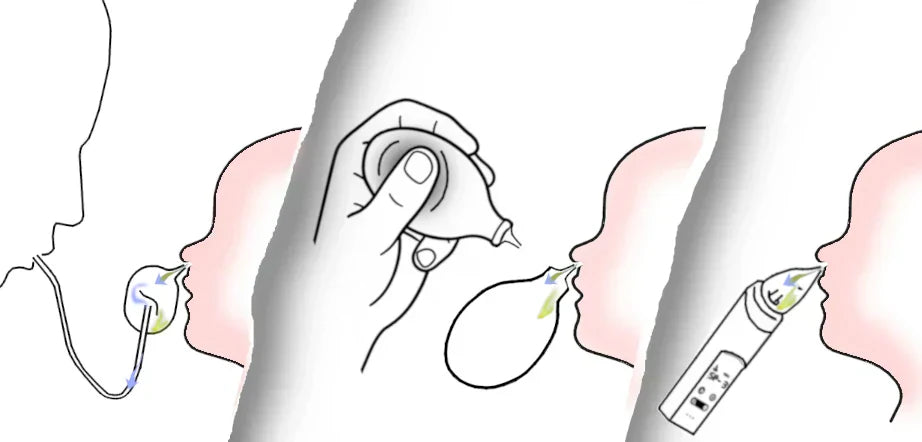
Manual nasal aspirators: types, pros and cons
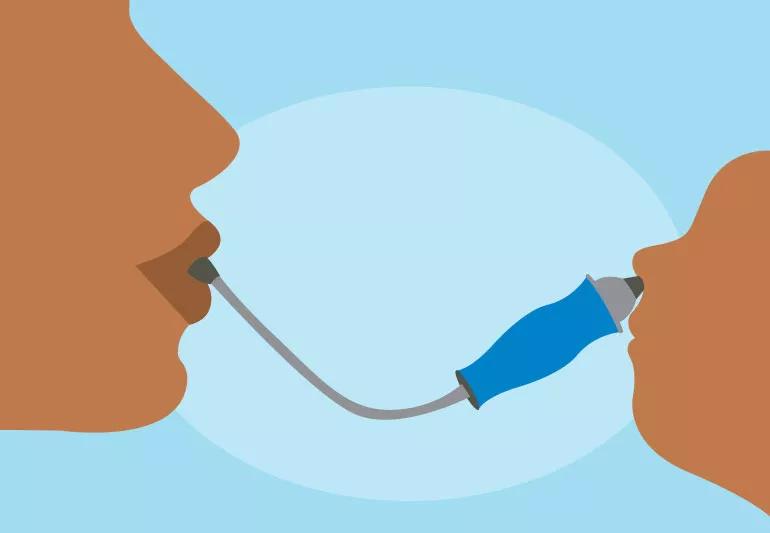
Electric vs manual nasal aspirator for baby – which is better? Manual tools come in two types. The bulb syringe and the mouth-suction tube. The bulb is simple. The tube uses your breath to control strength.
Pros:
- Strong, precise control with a mouth-suction model.
- No batteries. Great for travel and car seats.
- Fewer parts, lower cost, long life.
Cons:
- Learning curve. Too much suction can cause irritation.
- Bulbs can trap moisture and grow mold if not opened to clean.
- You need two hands and a calm setup.
In my experience, mouth-suction models clear thick mucus fast. Filters block germs. Bulbs work, but they get dirty inside unless you can open them fully to dry.

Safety and hygiene tips every parent should know
Electric vs manual nasal aspirator for baby – which is better? Safety matters more than type. A calm routine helps your baby accept suction.
Do this every time:
- Wash your hands first. Keep germs away.
- Use saline drops or mist. Two to three drops per nostril softens mucus.
- Keep suction short. Two to three seconds per pull is enough.
- Limit sessions. A few times per day prevents swelling and redness.
- Use soft tips and never force the tip inside.
- Clean and dry all parts after each use. Replace filters as directed.
Pediatric experts advise saline before suction. They also warn against deep insertion and long, strong suction. Look for signs of stress like nosebleeds or swelling. Call your pediatrician if you see these.
Cost, maintenance, and durability
Electric vs manual nasal aspirator for baby – which is better? Budget and upkeep affect daily use. A good choice fits your life and wallet.
Typical ranges:
- Electric models cost more upfront. Many sit between 30 and 80 dollars.
- Manual mouth-suction costs 10 to 20 dollars. Bulbs cost even less.
- Filters and tips add small ongoing costs for manual tube types.
- Electric devices may need new tips or seals after months of use.
Maintenance notes:
- Electric parts must be dried well to protect the motor.
- Manual tubes need filter changes to stay hygienic.
- Bulbs that cannot open can trap water. Prefer models that open fully.
Think total cost. Upfront price plus filters, batteries, and your time to clean.
:max_bytes(150000):strip_icc()/par-best-baby-nasal-aspirators-tout-3e2ad2afbbb24040aa9ebcbc4c59ffa4.jpg)
Which is better for your baby? Real-life scenarios
Electric vs manual nasal aspirator for baby – which is better? Match the tool to the moment. Here is how I guide parents.
- Newborn with gentle, daily stuffiness: An electric model with soft suction is simple and calm.
- Baby with thick, sticky mucus during a cold: A manual mouth-suction model gives stronger, precise pulls.
- Noise-sensitive baby or light sleeper: A manual model is quiet and fast.
- Travel, daycare, or the car: Manual wins. No need for power or charging.
- Caregiver with limited hand strength: Electric helps with one-button use.
My family toolkit has both. I grab the electric for small boogers and quick cleanups. I use a mouth-suction tool when mucus is thick and stubborn.

How to use a nasal aspirator safely: step-by-step
Electric vs manual nasal aspirator for baby – which is better? Safe technique makes either choice work better.
Step-by-step:
- Wash your hands and set up a clean towel.
- Add saline. Two to three drops in each nostril. Wait 30 to 60 seconds.
- Position baby on a slight incline. Swaddle arms if they swipe.
- Gently place the tip at the nostril entrance. Do not push deep.
- Suction for two to three seconds. Pause. Repeat as needed.
- Wipe the tip, switch sides, and repeat.
- Clean the device per instructions. Air-dry all parts.
Tip: Make it a short, calm routine. Sing a favorite song. Your voice helps your baby relax.

What to look for when buying
Electric vs manual nasal aspirator for baby – which is better? Compare features, not hype. A few details change everything.
Key features:
- Suction control. At least two levels on electric. Smooth control for manual tubes.
- Soft, medical-grade silicone tips. Multiple sizes for newborns and older babies.
- Quiet motor rating for electric models. Your sleep will thank you.
- Easy-to-clean design. Parts that open wide and dry fast.
- Filters for manual tubes. Keep germs out of your mouth.
- Reliable brand support. Replacement parts and clear instructions.
Nice-to-have extras:
- A small light for night use.
- A carry case for travel.
- USB charging to avoid batteries.
Frequently Asked Questions of Electric vs manual nasal aspirator for baby – which is better?
How often can I use a nasal aspirator on my baby?
Use it a few times per day during colds, with short pulls. Too much suction can irritate the nose.
Are electric nasal aspirators safe for newborns?
Yes, if you use soft tips and the lowest suction. Keep sessions short and add saline first.
Do manual mouth-suction aspirators spread germs to parents?
Quality models use one-way valves and filters. Replace filters often and clean after each use.
Can I use a nasal aspirator without saline?
You can, but saline makes it much easier and gentler. It softens mucus so it slides out fast.
What if my baby cries during suction?
Crying is common with new routines. Keep it short, stay calm, and try again after a brief pause.
Which clears thick mucus better?
Manual mouth-suction often clears thick mucus faster. Electric is great for daily, light buildup.
Will an aspirator help my baby sleep better?
Yes, a clear nose helps feeding and sleep. Use it before naps and bedtime with saline.
Conclusion
There is no one winner for every family. Electric is simple, steady, and great for quick cleanups. Manual gives strong control when mucus is thick. Choose what matches your baby, your routine, and your budget. If you can, keep both tools ready so you are covered for any cold.
Try one method for a week and note sleep, feeding, and ease of use. Make the call that brings your home more calm. Want more guides like this? Subscribe for updates or drop your questions in the comments.