Are you wondering what to expect when it comes to your newborn’s sleep? Understanding a normal newborn sleep pattern can make a huge difference in how you care for your baby—and how much rest you get too.
Your little one’s sleep might seem unpredictable now, but knowing what’s typical will help you feel more confident and prepared. Keep reading, and you’ll discover simple facts about newborn sleep that can ease your worries and guide you through those sleepless nights.
Newborn Sleep Basics
Newborn sleep is very different from adult sleep. Babies need more sleep to grow and develop. Their sleep patterns can seem random and confusing. Understanding the basics of newborn sleep helps parents feel more confident. It also supports better care and comfort for the baby.
Typical Sleep Duration
Newborns usually sleep between 14 and 17 hours a day. This sleep is spread out in short periods. Each sleep period can last from 30 minutes to 3 hours. This is normal and helps the baby feed often. Sleep times will change a lot in the first few weeks.
Sleep Cycles Explained
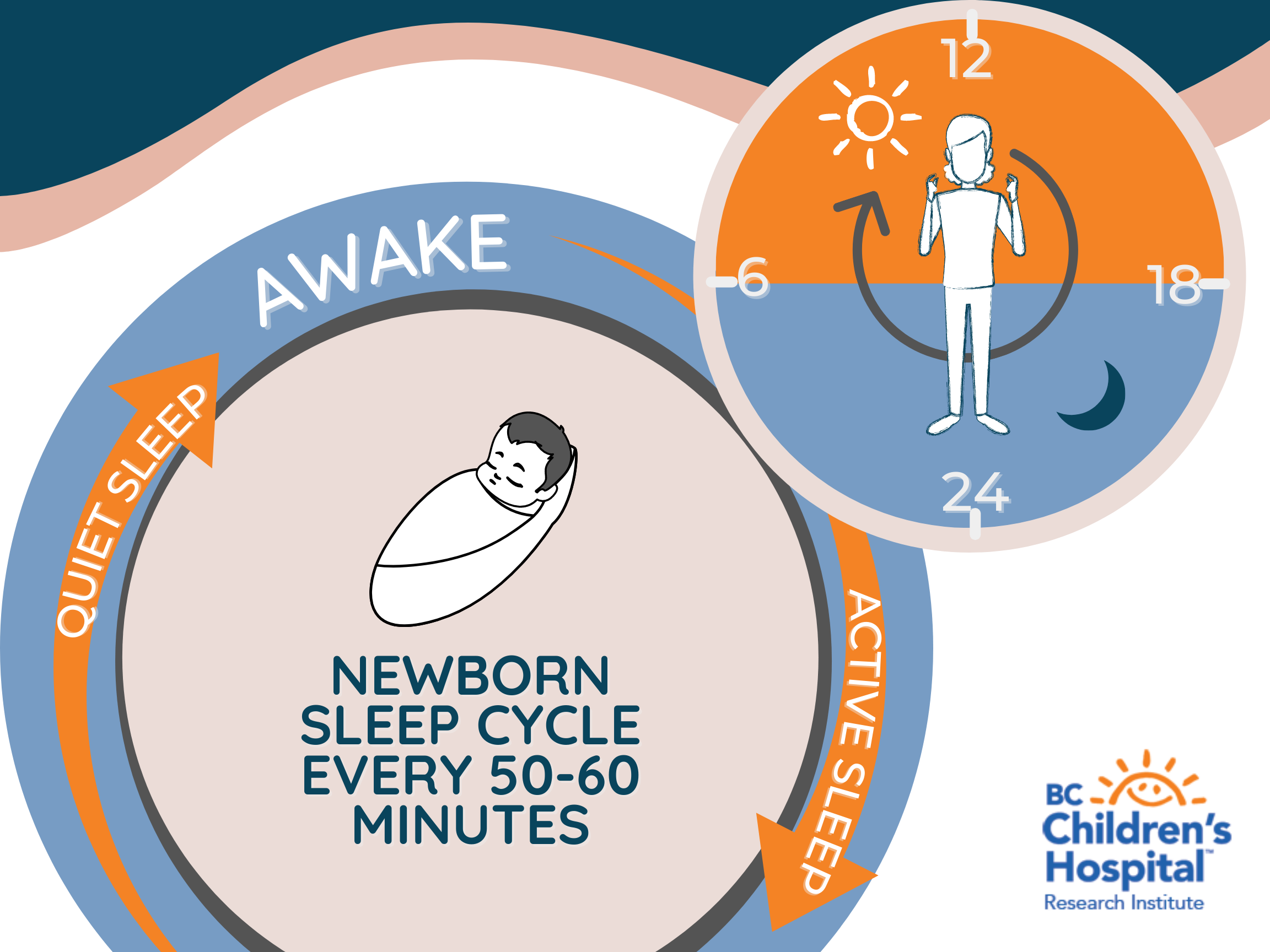
Newborns have shorter sleep cycles than adults. Each cycle lasts about 50 to 60 minutes. It includes light sleep and deep sleep phases. Babies often wake at the end of each cycle. This is why they may seem restless. They learn to link these cycles as they grow.
Day Vs Night Sleep
Newborns do not know day from night yet. They sleep almost the same amount during both. Night sleep is often broken by feedings and diaper changes. Daytime naps help them avoid becoming overtired. Gradually, babies will start to sleep longer at night.
Common Sleep Stages
Newborns have different sleep stages than adults. Understanding these stages helps parents know what to expect. A newborn’s sleep pattern changes often during the night and day. Each sleep stage has unique features that affect how the baby rests.
Active Sleep Features
Active sleep is similar to REM sleep in adults. Babies may move their arms and legs during this stage. Their eyes might flutter beneath closed eyelids. Breathing can be irregular and faster. This stage helps brain development and learning. Active sleep lasts about half of a newborn’s sleep time.
Quiet Sleep Characteristics
Quiet sleep is a deep, restful stage. The baby lies still and breathes slowly and evenly. Muscles are relaxed, and the body is very calm. This sleep helps the baby grow and heal. Quiet sleep usually follows active sleep. It lasts about 30 to 40 minutes each cycle.
Transitional Sleep
Transitional sleep occurs between active and quiet sleep. The baby may show small movements or twitches. Breathing can change speed slightly. This stage is short and helps the baby switch sleep types. It is a normal part of the newborn’s sleep cycle.
Factors Influencing Sleep
Newborn sleep patterns vary a lot. Many factors affect how and when babies sleep. Understanding these helps parents support healthy sleep habits. Sleep changes as babies grow and their needs shift.
Feeding And Sleep
Feeding directly influences newborn sleep. Babies often sleep after feeding because it calms them. Hunger can wake them up, causing shorter sleep periods. Breastfed babies may feed more often, which affects their sleep schedule. Formula-fed babies might sleep longer between feedings.
Environmental Impact
The environment plays a big role in newborn sleep. Light, noise, and temperature affect how well babies sleep. A quiet, dark, and cool room usually helps them sleep longer. Too much noise or bright light can wake babies easily. Consistent sleep surroundings support better sleep routines.
Growth Spurts And Sleep Changes
Growth spurts change sleep patterns suddenly. Babies may sleep more or less during these times. Their bodies need extra rest to grow quickly. Feeding needs also increase, causing more waking at night. These changes are temporary but important to expect.
Signs Of Healthy Sleep
Healthy sleep is very important for a newborn’s growth and development. Parents often wonder what signs show that their baby is sleeping well. These signs help understand if a baby’s sleep is normal and restful. Watching for these clues can ease parental worries and support good sleep habits.
Healthy sleep shows through certain patterns and behaviors. Babies who sleep well have clear signs that their body and brain are resting properly. These signs include how often they sleep, how alert they are when awake, and how they handle waking up during the night.
Regular Sleep Patterns
A newborn with healthy sleep will have regular sleep periods. Babies usually sleep many times in a 24-hour day. Their sleep cycles are short, often 40 to 60 minutes long. They switch between deep and light sleep. This pattern repeats several times, helping the baby rest fully.
Regular naps and night sleep are a good sign. The baby may sleep 14 to 17 hours daily, spread over day and night. This sleep amount supports growth and brain development. Parents can note the timing to see if sleep is steady and consistent.
Wakefulness And Alertness
Healthy sleep leads to clear wakefulness. After sleeping, a newborn should seem alert and interested in their surroundings. Eyes open wide, quiet alertness, and some movement show good rest. Babies may smile or respond to voices and faces.
Alert wakefulness does not last very long at first. Newborns usually stay awake for 45 minutes to an hour. This awake time lets them feed, interact, and grow. If a baby seems too sleepy or too fussy when awake, it might mean they need more rest or support.
Sleep Interruptions
Short sleep interruptions are normal for newborns. Babies often wake up briefly between sleep cycles. They may stir, make noises, or open their eyes for a moment. These brief awakenings are not a problem if the baby can fall back asleep easily.
Long or frequent waking may show discomfort or hunger. Babies usually feed every few hours. Waking to feed is part of a healthy pattern. Parents should watch if the baby settles back after feeding and stays calm. This shows healthy sleep and good comfort levels.
Sleep Challenges In Newborns
Newborns have unique sleep challenges. Their patterns change often. Parents face many struggles. Understanding these helps create better sleep habits for babies. It also reduces stress for parents.
Common Sleep Disruptions
Newborns wake up frequently. They need to feed every few hours. This interrupts sleep cycles often. Babies may also have trouble settling down. Changes in environment can cause restlessness. Some newborns have irregular sleep lengths. These disruptions are normal at this stage.
Handling Sleep Regression
Sleep regression happens around 4 to 6 weeks. Babies suddenly wake more at night. They may cry more and resist naps. Growth spurts and brain development cause this. Keep routines calm and consistent. Comfort your baby with gentle rocking or soft sounds. Patience and calmness help both baby and parents.
When To Seek Help
Consult a doctor if your baby rarely sleeps. Watch for signs like constant fussiness or feeding issues. If sleep problems last beyond 3 months, ask for advice. Professional help ensures baby’s health and comfort. Early action prevents bigger sleep issues later.

Promoting Better Sleep
Helping a newborn sleep better supports their growth and health. Sleep patterns change fast in the first months. Parents can guide this natural shift with simple steps. These steps make sleep more peaceful and less stressful for both baby and parents.
Creating A Sleep-friendly Environment
Keep the baby’s room quiet and dim. Soft lighting helps signal bedtime. Use a comfortable crib with a firm mattress. Avoid toys and loose bedding inside the crib. Maintain a cool room temperature to prevent overheating. White noise machines can calm and block outside sounds. A calm environment helps the baby settle and stay asleep longer.
Establishing Routines
Set a consistent bedtime each night. Gentle activities before bed help the baby relax. A warm bath, soft singing, or quiet cuddles work well. Repeating the same steps sends a clear sleep signal. Routines make sleep time predictable and safe. Babies feel secure and learn when to expect rest.
Safe Sleep Practices
Always place the baby on their back to sleep. This position lowers the risk of sudden infant death syndrome. Use a firm sleep surface without pillows or blankets. Keep the crib free from toys or bumpers. Dress the baby in light sleepwear to avoid overheating. Follow these rules every sleep time and nap. Safe sleep means healthy sleep and peace of mind.
Frequently Asked Questions
What Is The Typical Sleep Duration For A Newborn?
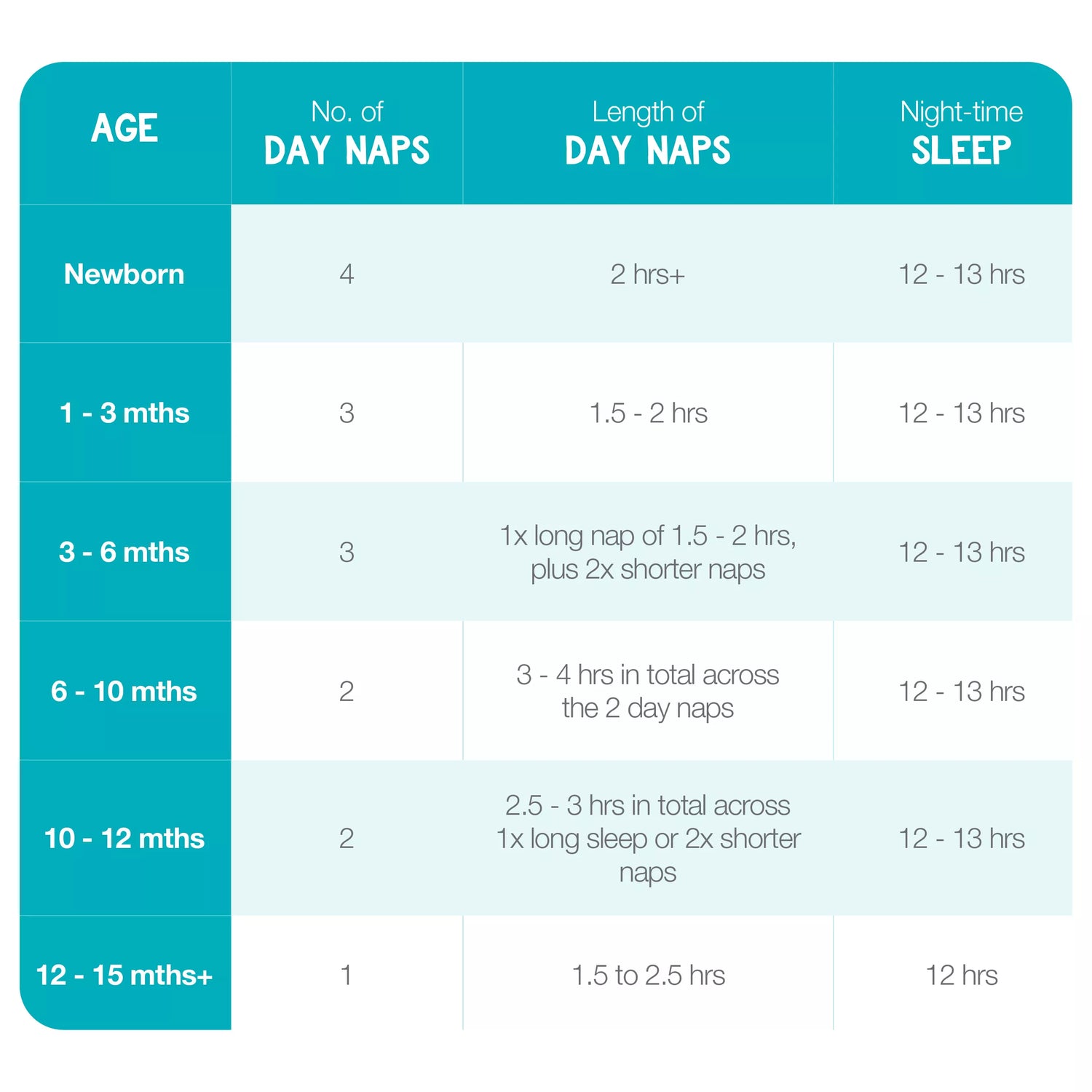
Newborns usually sleep 14 to 17 hours daily. Sleep occurs in short periods, lasting 2 to 4 hours. This pattern supports their rapid growth and brain development.
How Often Do Newborns Wake Up At Night?
Newborns wake every 2 to 3 hours to feed. Frequent waking is normal and essential for nutrition. It gradually decreases as they grow older.
When Do Newborns Start Sleeping Through The Night?
Most newborns begin longer sleep stretches at 3 to 4 months. Sleep through the night means 6 to 8 hours without waking. This varies based on individual growth and feeding habits.
How Much Daytime Sleep Is Normal For Newborns?
Newborns typically nap 3 to 5 times during the day. Daytime sleep totals about 7 to 9 hours. Regular naps help balance their overall sleep needs.
Conclusion
Newborn sleep patterns vary a lot in the first weeks. Most babies sleep 14 to 17 hours daily but in short bursts. Expect frequent waking for feeding and comfort. This is normal and helps their growth and brain development. Parents can help by keeping a calm and safe sleep space.
Patience is key during this early stage. Over time, your baby’s sleep will become more regular. Understanding these patterns helps you support your newborn better. Remember, every baby is unique and grows at their own pace.


