When it comes to your newborn’s sleep, safety is your top priority. You want to make sure your little one sleeps soundly without any risks.
But with so many opinions and advice out there, it can be confusing to know which sleeping positions are truly safe. This guide will help you discover the best safe sleeping positions for your newborn, so you can rest easy knowing your baby is comfortable and protected.
Keep reading to find simple, expert-backed tips that could make all the difference in your baby’s sleep and safety.
Importance Of Safe Sleep
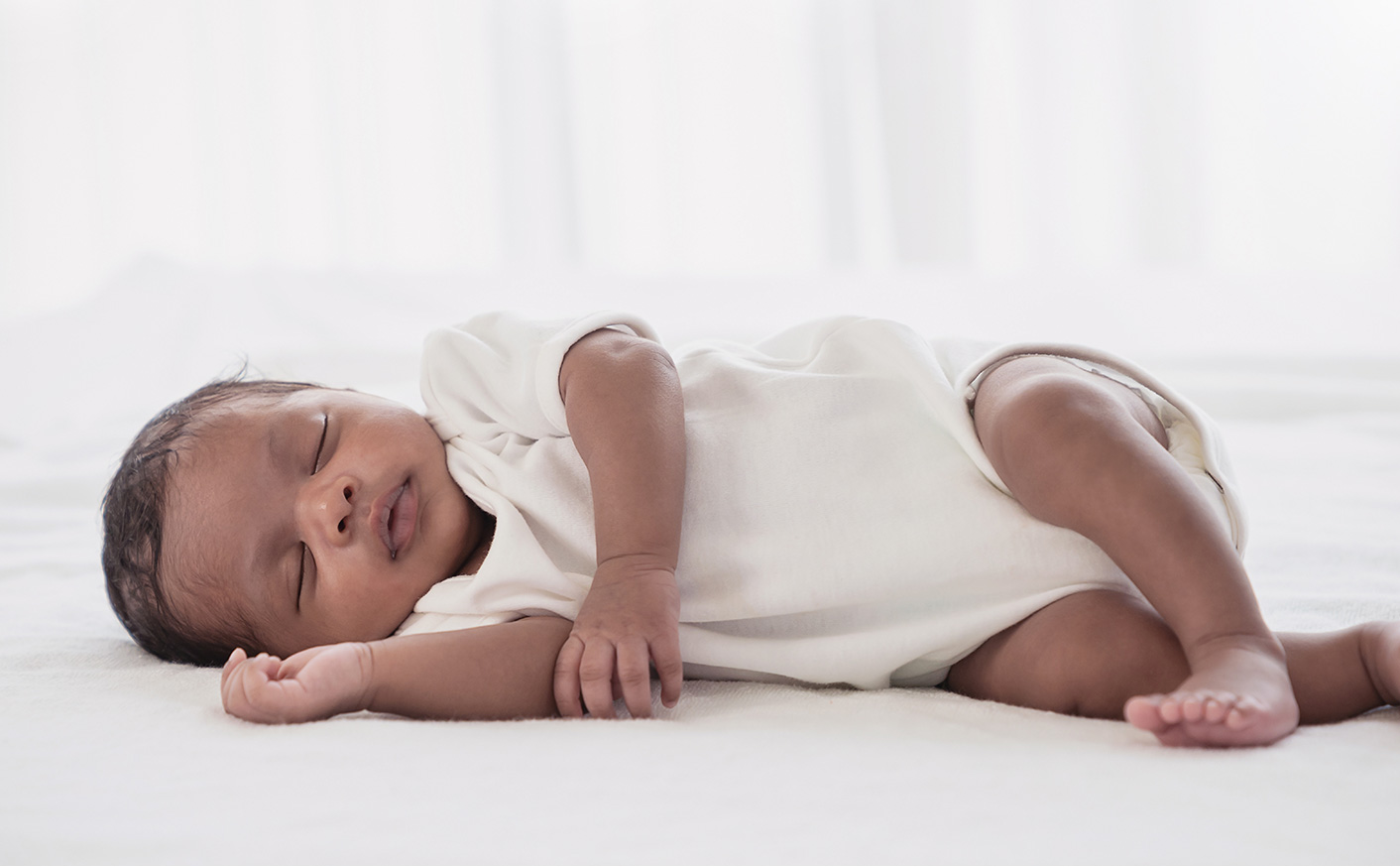
Safe sleep is very important for newborn babies. Babies spend most of their time sleeping. Their bodies and brains grow during sleep. Safe sleep helps protect babies from serious risks. It gives parents peace of mind. Understanding safe sleep helps keep babies safe and healthy.
Parents and caregivers should know the best ways to create a safe sleeping space. Proper sleep positions and environment reduce dangers. These simple steps can save lives.
Reducing Sids Risk
SIDS means sudden infant death syndrome. It is a risk during a baby’s sleep. Babies should always sleep on their backs. This position lowers the chance of SIDS. Avoid placing babies on their stomachs or sides. These positions increase risk. Keep soft bedding, pillows, and toys out of the crib. These items can block breathing.
Creating A Safe Sleep Environment
The baby’s sleep area should be firm and flat. Use a tight-fitting sheet on the mattress. Avoid blankets, bumpers, and stuffed animals in the crib. The room temperature should be comfortable, not too hot. Dress the baby in light clothing for sleep. Share a room with the baby but avoid bed sharing. These steps create a safe and calm place for rest.
Recommended Sleeping Positions
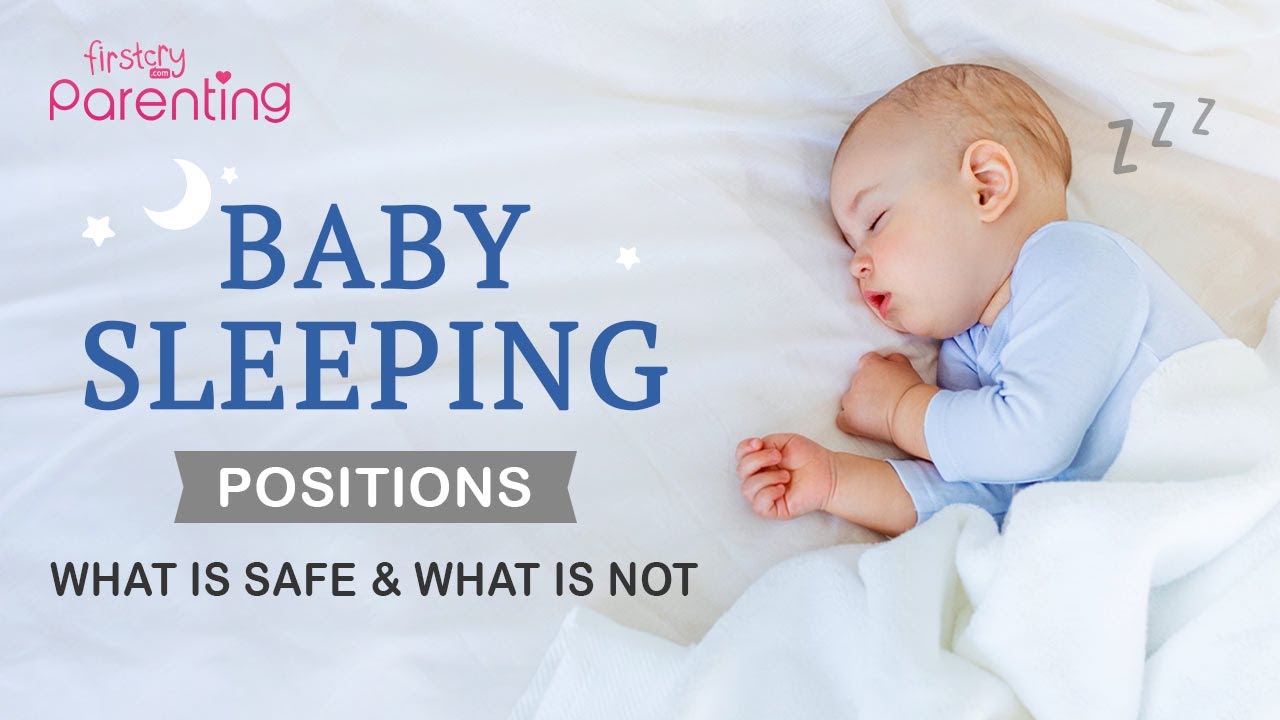
Choosing the right sleeping position is very important for a newborn’s safety. The position can help prevent sudden infant death syndrome (SIDS) and other risks. Parents and caregivers should know the best ways to place babies to sleep safely.
Doctors and health experts recommend specific positions that keep babies safe and comfortable. These positions reduce the chance of breathing problems and other dangers during sleep. Below are the key recommended sleeping positions and their effects.
Back Sleeping Benefits
Putting a baby to sleep on their back is the safest choice. This position keeps airways open and reduces the risk of SIDS. Babies who sleep on their backs breathe easier and stay safer throughout the night.
Many studies show fewer accidents with back sleeping. It also helps prevent overheating, which can be dangerous for newborns. Always place babies on a firm mattress while on their backs.
Side Sleeping Risks
Side sleeping can seem safe but it is not recommended for newborns. Babies placed on their sides can easily roll onto their stomachs. This increases the risk of suffocation and sudden death.
Side sleeping does not provide stable support for the baby’s head and neck. Caregivers should avoid this position to keep babies safe and reduce health risks.
Avoiding Stomach Sleeping
Babies sleeping on their stomachs face the highest risk of SIDS. This position can block breathing by pressing the face into the mattress. It also raises the chance of overheating and breathing problems.
Never put a newborn to sleep on their tummy. Only use stomach time during awake hours, with close supervision. Stomach sleeping is unsafe and should be avoided at all times.
Choosing The Right Sleep Surface
Choosing the right sleep surface is vital for your newborn’s safety. A safe surface helps reduce the risk of sudden infant death syndrome (SIDS). It also ensures your baby sleeps comfortably and soundly. The right mattress and bedding create a secure environment for sleep.
Parents should focus on firmness, cleanliness, and the absence of loose items. The sleep area must be free from hazards. Proper sleepwear also plays a key role in maintaining safety during sleep.
Firm Mattress Essentials
A firm mattress supports your baby’s body well. It prevents the head from sinking too deep. This firmness lowers the risk of suffocation and overheating. Mattresses made for cribs or bassinets should meet safety standards. Always check the mattress fits snugly inside the crib.
Avoiding Soft Bedding
Soft bedding can be dangerous for newborns. Pillows, blankets, and stuffed toys increase suffocation risk. Avoid placing these items in the crib. Use only a fitted sheet on the mattress. Keep the sleep area clear to protect your baby.
Safe Sleepwear Options
Choose sleepwear that keeps your baby warm without extra blankets. Sleep sacks and wearable blankets are good choices. They reduce the need for loose covers. Make sure sleepwear fits well and is made from breathable fabric. This helps prevent overheating and keeps your baby safe.
Room Sharing And Sleep Safety
Room sharing helps keep newborns safe during sleep. Parents can watch their baby closely without sharing the same bed. This setup reduces risks and supports good sleep habits for both baby and parents.
Benefits Of Room Sharing
Having the baby sleep in the same room helps parents respond quickly. It makes feeding and comforting easier at night. Babies in the same room tend to sleep better and cry less. Room sharing lowers the risk of sudden infant death syndrome (SIDS). It allows parents to keep the baby’s sleep area safe and free from hazards.
Avoiding Bed Sharing Hazards
Bed sharing means the baby sleeps in the same bed as parents. This can cause accidental suffocation or overheating. Soft bedding, pillows, and blankets increase risks for the baby. Parents might roll over onto the baby without noticing. Avoid bed sharing to keep the baby safe and secure. Always place the baby on a firm mattress in a separate crib or bassinet. This keeps the baby safe and supports healthy sleep.
Monitoring Newborn Sleep
Monitoring newborn sleep is very important for your baby’s safety and health. Watching your baby closely helps you notice any problems early. It also gives you peace of mind during those quiet nights.
Newborns spend a lot of time sleeping. Their sleep patterns change often. Careful monitoring helps you understand your baby’s needs better. It supports safe sleeping habits and helps prevent risks.
Using Baby Monitors
Baby monitors help parents keep an eye on their newborn from another room. These devices let you hear or see your baby’s movements and sounds. Some monitors even track breathing and heart rate.
Choose a monitor with clear sound and good range. Place it where you can easily hear your baby. Use video monitors for added safety and comfort.
Recognizing Safe Sleep Signs
Safe sleep signs show your baby is resting well and without risk. A calm face and steady breathing are good indicators. Your baby should sleep on their back on a firm mattress.
Watch for loose bedding or toys that could block breathing. Make sure the room is not too hot or cold. These signs help keep your baby safe while sleeping.
Common Sleep Myths
Many parents hear different ideas about how newborns should sleep. Some of these ideas are true. Others are not safe and cause confusion. Understanding common sleep myths helps keep babies safe at night. It also gives parents peace of mind. Knowing the facts about sleep positions is important.
Debunking Unsafe Practices
Some people think babies sleep better on their stomachs. This is not safe. Stomach sleeping raises the risk of sudden infant death syndrome (SIDS). Experts say always place babies on their backs to sleep. Another unsafe practice is using soft bedding or pillows. These can block a baby’s airways. Babies should sleep on a firm mattress without loose blankets.
Clarifying Sleep Position Misconceptions
Many believe side sleeping is safe. It is not. Babies can roll onto their stomachs from the side. This can cause breathing problems. The safest position for newborns is flat on their backs. This keeps their airways open and reduces risks. Some think a baby will choke if they spit up on their back. This is false. Babies have reflexes to protect their airway. Back sleeping is the best choice for safe sleep.
Tips For Parents
Ensuring your newborn sleeps safely is a top priority. Parents must know the best ways to support healthy sleep habits. Simple steps can make a big difference in your baby’s comfort and safety. These tips help protect your newborn during sleep and build good routines early on.
Establishing A Sleep Routine
Create a calm and consistent bedtime schedule. Babies thrive with regular sleep times. Begin with quiet activities like a warm bath or soft singing. Use the same sleep environment each night. A cool, dark room helps your baby relax. Lay your baby on their back to sleep, as recommended by experts. Avoid loose blankets or toys in the crib. Consistency signals your baby that it is time to rest.
Handling Sleep Challenges
Some babies resist sleep or wake often. Stay calm and patient during these times. Gently soothe your baby without picking them up immediately. Use soft sounds or gentle rocking to comfort. Watch for sleep cues like yawning or rubbing eyes. Avoid letting your baby become overtired. If your baby cries, check for hunger or discomfort first. Seek advice from a pediatrician if sleep problems persist. Safe sleep habits reduce risks and promote better rest.

Frequently Asked Questions
What Is The Safest Sleeping Position For Newborns?
The safest sleeping position for newborns is on their back. This position reduces the risk of Sudden Infant Death Syndrome (SIDS). Always place your baby on a firm mattress without soft bedding or toys nearby to ensure safety during sleep.
Can Newborns Sleep On Their Stomachs Safely?
Newborns should not sleep on their stomachs. This position increases the risk of SIDS. Always place your baby on their back for sleep to promote safe breathing and reduce hazards. Consult your pediatrician for personalized advice.
When Can Newborns Sleep On Their Side?
Side sleeping is not recommended for newborns. It can cause them to roll onto their stomachs. Newborns should sleep on their backs until they can roll over independently, usually around 4 to 6 months of age.
Should Newborns Sleep With Pillows Or Blankets?
Newborns should not sleep with pillows, blankets, or soft objects. These items increase the risk of suffocation and SIDS. Use a firm sleep surface and keep the sleep area clear to ensure a safe environment.
Conclusion
Choosing the right sleeping position keeps your newborn safe and comfortable. Always place babies on their backs to sleep. This position lowers the risk of sudden infant death syndrome. Avoid soft bedding or toys in the crib. Keep the sleep area clear and firm.
Watch your baby closely during naps and nighttime. Safe sleep habits help parents feel more confident. Small steps make a big difference in newborn safety. Stay informed and follow trusted guidelines for peace of mind. Safe sleep creates a healthy start for your little one.


