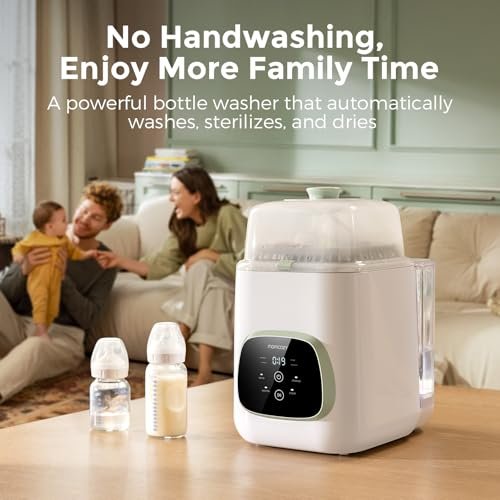
Have you ever wondered if it’s safe to put metal items in a bottle sterilizer? If you’re careful about keeping your baby’s bottles clean, you probably want to know exactly what works and what doesn’t.
Using the wrong materials could damage your sterilizer or even harm your little one. You’ll discover the truth about metal items and bottle sterilizers, so you can make the best choice for your family’s health and safety. Keep reading to find out what you need to know before you load that sterilizer.
How Bottle Sterilizers Work
Bottle sterilizers help clean baby bottles and accessories by killing harmful germs. They use heat or steam to remove bacteria and other microbes. This process makes feeding safer for babies. Understanding how these devices work helps decide which one suits your needs best.
Types Of Bottle Sterilizers
There are several types of bottle sterilizers. Electric steam sterilizers use hot steam to clean bottles quickly. Microwave sterilizers rely on microwave energy to produce steam inside a special container. Cold water sterilizers use sterilizing solutions to kill germs without heat. Each type has its benefits and is easy to use in different situations.
Sterilization Methods
Most bottle sterilizers use steam to kill bacteria and viruses. Steam reaches all parts of the bottle, including hard-to-clean areas. Some use chemicals that dissolve germs at room temperature. Heat sterilization is fast and effective but needs electricity or a microwave. Chemical sterilization takes longer but works well without heat. Both methods ensure bottles are safe and clean for baby feeding.
Metal Items And Sterilizers
Many wonder if metal items can go inside a bottle sterilizer. Metal can handle heat well, but not all metal types react the same. Knowing which metals are safe helps protect your sterilizer and items.
Metal items often come into contact with babies. Cleaning them properly keeps germs away. But some metals might rust or damage inside certain sterilizers. Understanding this can save money and keep things safe.
Common Metal Items Used
Some metal items appear often in baby care. Stainless steel spoons, bottle caps, and nipples are common examples. Small metal parts on bottle brushes or pacifiers also need cleaning. These items must be sterilized regularly to avoid bacteria.
Parents also use metal thermometers and clips. These tools help with feeding and health. Knowing if these can go into the sterilizer is important for hygiene.
Material Compatibility
Stainless steel is the safest metal for sterilizers. It resists heat and does not rust easily. Avoid using metals like aluminum or iron. These may corrode or damage inside the sterilizer.
Check the sterilizer instructions for metal compatibility. Some models warn against certain metals. Using the wrong metal can cause stains or weaken your sterilizer.
Metal items with plastic parts need extra care. The plastic may melt or deform. Always separate metal from plastic parts before sterilizing.
Safety Concerns With Metal
Using metal items in a bottle sterilizer raises safety concerns. Metals react differently to heat and steam than plastic or glass. This can affect how well the sterilizer works and may cause damage.
Heat Conductivity Issues
Metal heats up very fast. This can cause uneven heating inside the sterilizer. Some parts of the metal item may become extremely hot. This creates a risk of burns when you remove the items. Fast heat transfer can also affect sterilization time and efficiency.
Risk Of Damage To Sterilizer
Metal parts can scratch or damage the sterilizer’s interior. Some metals may cause sparks or short circuits in electric sterilizers. This can lead to malfunction or permanent damage. Using metal items not made for sterilizers can shorten the device’s lifespan.
Manufacturer Guidelines
Manufacturer guidelines help you use your bottle sterilizer safely. These instructions tell you what items are safe to sterilize. Following them keeps your sterilizer working well. It also protects your items from damage.
Checking User Manuals
Start by reading the user manual carefully. The manual lists which materials you can put inside. It often mentions if metal items are allowed. Look for warnings about heat or water damage. Manuals give clear advice to avoid mistakes. They help you use the sterilizer the right way.
Recommended Items For Sterilization
Most manufacturers suggest sterilizing plastic bottles, nipples, and silicone parts. Some allow certain metal items, like stainless steel spoons or bottle caps. Avoid putting thin or painted metal items inside. These can get damaged or cause rust. Stick to the items listed in the manual. This keeps everything clean and safe for your baby.
Alternatives For Metal Item Sterilization
Metal items need special care during sterilization. Bottle sterilizers often use steam, which can damage some metals. Finding safe methods to clean metal objects is important. Here are some good alternatives to keep your metal items clean and safe.
Boiling Method
Boiling is a simple way to sterilize metal items. Place the metal objects in boiling water for at least 10 minutes. The high temperature kills most germs and bacteria. Make sure the items are fully submerged. Use tongs to remove them carefully. Let the items dry on a clean surface.
Chemical Sterilizers
Chemical sterilizers work well for metal tools. Use solutions made for sterilizing, such as diluted bleach or special sterilizing liquids. Soak the metal items as directed on the product label. Rinse them thoroughly with clean water after soaking. This method kills germs without heat damage. Always follow safety instructions when handling chemicals.
Uv Sterilization
UV light kills bacteria on metal surfaces quickly. Use a UV sterilizer box or wand designed for small items. Place the metal objects inside or shine the light on them. UV sterilization is safe and does not use water or heat. It works well for items that cannot get wet. Make sure to expose all surfaces for full sterilization.

Tips For Safe Sterilization
Safe sterilization is key to keep your baby’s bottles and metal items clean. Following simple tips helps protect your sterilizer and your items. Proper care ensures everything gets fully sanitized without damage.
Proper Loading Techniques
Place metal items so they do not touch each other. Avoid overcrowding the sterilizer chamber. Ensure steam reaches all surfaces of the items. Lay small parts flat or upright for better cleaning. Keep metal pieces away from plastic parts to prevent scratches. Close the lid tightly to keep steam inside.
Maintenance Of Sterilizer
Clean the sterilizer regularly to avoid buildup. Remove mineral deposits using vinegar or recommended cleaners. Wipe the inside with a soft cloth after each use. Check the water reservoir for cleanliness before starting. Replace parts like trays or seals if they wear out. Store the sterilizer in a dry place when not in use.
Frequently Asked Questions
Can Metal Items Damage A Bottle Sterilizer?
Metal items generally do not damage bottle sterilizers. However, some metals may react with steam or heat. Always check manufacturer guidelines to avoid damage or rust.
Are Metal Nipples Safe In A Bottle Sterilizer?
Yes, metal nipples can be sterilized safely. Ensure they fit properly and are heat-resistant to prevent warping or damage during sterilization.
Will Metal Items Affect Sterilization Effectiveness?
Metal items do not reduce sterilization effectiveness. They conduct heat well, which can help in killing germs efficiently in the sterilizer.
Can I Sterilize Stainless Steel Bottles With Metal Parts?
Yes, stainless steel bottles and metal parts can be sterilized. They withstand high temperatures and are safe for steam sterilization.
Conclusion
Metal items can often go in a bottle sterilizer safely. Check the sterilizer’s instructions first. Some metals may heat unevenly or get damaged. Small metal parts usually clean well this way. Avoid items that may rust or block steam. Using a bottle sterilizer saves time and keeps things clean.
Always dry metal items after sterilizing to stop rust. Keep your baby’s bottles and tools germ-free with care. Simple steps make sterilizing easy and safe for metal items.