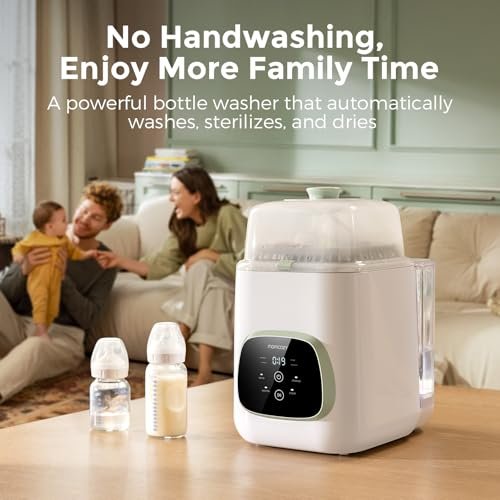
You’ve just finished sterilizing your baby’s bottles, and you’re probably wondering: how long do they actually stay sterile inside the sterilizer? It’s a question that matters because keeping those bottles clean is key to your baby’s health.
But you don’t want to rush or waste time—knowing exactly how long the bottles stay germ-free helps you plan feeding times better and avoid any risks. You’ll discover the facts about bottle sterility, what affects it, and simple tips to keep your baby’s bottles safe and ready when you need them.
Keep reading to get the answers you need and make bottle feeding easier and safer for you and your little one.
Sterilization Basics
Sterilization is key for baby bottles. It kills harmful germs that can cause illness. Knowing the basics helps keep bottles safe for your baby. It also explains how long bottles stay sterile inside a sterilizer.
Sterilizing bottles stops bacteria and viruses from growing. This process protects your baby’s health. Keeping bottles clean is important, especially for newborns and infants.
Why Sterilize Bottles
Babies have weak immune systems. They get sick easily from germs. Bottles can hold harmful bacteria after feeding. Sterilizing removes these bacteria and viruses. It helps prevent infections and tummy troubles. Clean bottles give babies a safer feeding experience.
Common Sterilization Methods
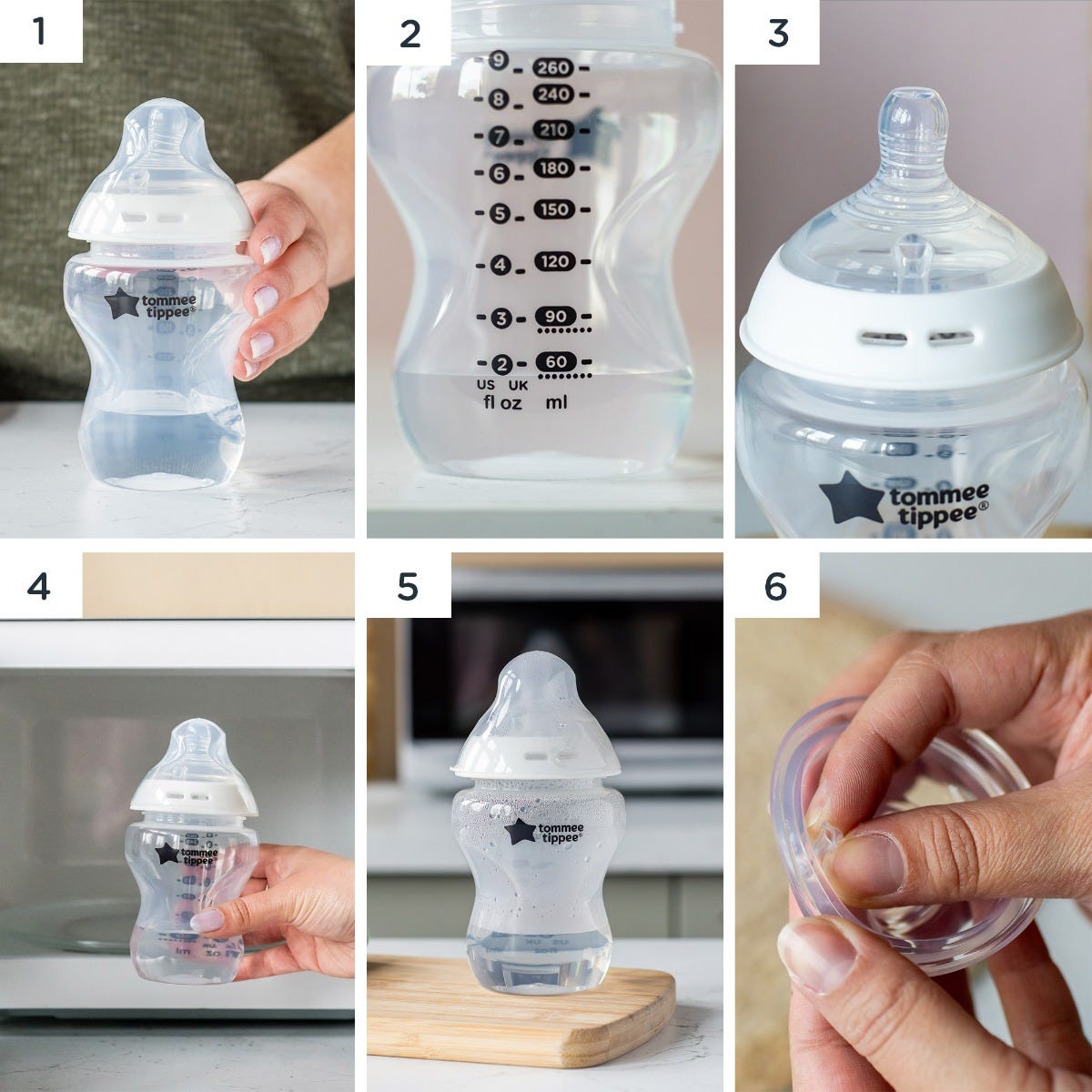
Boiling is a simple and effective way to sterilize bottles. Put bottles in boiling water for at least five minutes. Electric steam sterilizers use hot steam to kill germs fast. Microwave sterilizers are quick and easy to use. Chemical sterilizing solutions also clean bottles well. Choose a method that fits your routine and needs.
:max_bytes(150000):strip_icc()/prt-bottle-sterilizers-test-papablic-classic-and-dryer-nick-frasher-1-e835b8b903d542608f1cab1d3d6dc9a6.jpeg)
Sterility Duration Factors
The length of time bottles stay sterile inside a sterilizer depends on several factors. These factors affect how long the bottles stay safe and clean for use. Understanding them helps you keep bottles germ-free for longer periods.
Type Of Sterilizer Used
Different sterilizers use different methods. Some use steam, others use UV light or chemicals. Steam sterilizers usually kill most germs quickly and thoroughly. Chemical sterilizers may leave residues that affect how long sterility lasts. UV sterilizers work fast but may not reach all areas. The type of sterilizer affects how long bottles remain sterile.
Storage Conditions
Storage plays a big role in keeping bottles sterile. Bottles stored in a closed sterilizer stay sterile longer. Exposure to air or dust can bring germs back quickly. Store bottles in a clean, dry place. Avoid opening the sterilizer unless needed. Humidity and temperature also affect sterility duration.
Handling Practices
How you handle bottles impacts sterility too. Always wash hands before touching bottles. Use clean tools or gloves when possible. Avoid touching the inside of bottles or lids. Proper handling prevents germs from contaminating sterile bottles. Careful habits extend the safe use period.
Typical Sterility Timeframes
Bottle sterilizers kill germs using heat, steam, or chemicals. This process keeps bottles safe for a certain time. Knowing how long bottles stay sterile helps parents plan feeding. Sterility time depends on where bottles stay after sterilizing. The environment affects how long germs stay away.
Sterility Inside The Sterilizer
Bottles stay sterile as long as they remain inside the closed sterilizer. The sealed environment stops air and germs from entering. Steam or heat continues to kill any new bacteria. This can last several hours, depending on the device. Most sterilizers keep bottles safe for up to 24 hours inside.
Do not open the sterilizer before use. Opening allows germs to enter and spoil sterility. Keeping the sterilizer closed ensures bottles stay clean and safe.
After Removal From Sterilizer
Once bottles leave the sterilizer, their sterility time shortens. Air carries bacteria that can settle on the bottles. Without a cover, bottles stay sterile for about 30 minutes to 1 hour. Using a sealed container extends sterility up to 6 to 8 hours.
Always store sterilized bottles in a clean, dry place. Avoid touching the inside of the bottle or nipple. Clean hands help keep bottles sterile longer after removal.
Best Practices For Maintaining Sterility
Maintaining the sterility of bottles inside a sterilizer is important for your baby’s health. Sterile bottles stay clean and safe to use for a certain time. Following the right steps helps keep them sterile longer. These simple habits reduce the risk of germs getting in.
Proper Storage Techniques
Store sterilized bottles in a clean, dry place. Use a covered container to keep dust away. Avoid storing bottles near sinks or trash bins. Always place bottles upside down to prevent moisture buildup. Keep the storage area free from dirt and pests.
Minimizing Exposure
Limit how often you open the sterilizer or container. Each time you open it, germs can enter. Handle bottles with clean hands only. Avoid touching the inside of the bottles or nipples. Use them soon after sterilizing for best safety.
Using Sterile Containers
Use containers made for sterilized items. These containers keep bottles sealed and protected. Avoid plastic bags or open boxes for storage. Make sure containers are cleaned and dried before use. Choose containers that fit bottles well to stop air entry.
Signs Of Contamination
Bottles inside a sterilizer stay clean for a certain time. But contamination can happen. Signs of contamination help you know when bottles are no longer safe. Check bottles carefully before use. Detecting contamination early keeps your baby healthy.
Visual Indicators
Look for spots or stains on bottles. Cloudy or milky appearance shows contamination. White film or residue inside bottles means germs may be present. Check caps and nipples for cracks or mold. Any change in bottle color is a warning sign. Clean bottles look clear and shiny.
Smell And Texture Changes
Smell the bottle for strange odors. Sour or musty smells suggest bacteria growth. Feel the bottle surface for sticky or slimy texture. Smooth and dry bottles are safe. Sliminess means germs may be multiplying. Always trust your senses to spot problems early.
Tips To Extend Sterility
Keeping bottles sterile helps protect babies from germs and illness. Sterility does not last forever, but you can extend it with a few simple steps. Proper handling and timing make a big difference in keeping bottles clean and safe for feeding.
Timing Feedings With Sterilization
Sterilized bottles stay sterile for up to 24 hours if kept sealed. Open bottles can get germs quickly. Plan feedings close to the sterilization time. Use bottles soon after sterilizing to keep them safe.
Store sterilized bottles in a clean, dry place. Avoid touching the inside of bottles or nipples before feeding. This helps keep the sterilized parts germ-free longer.
Re-sterilizing Bottles Safely
Re-sterilize bottles if they sit open for over 24 hours. Clean bottles with warm, soapy water before sterilizing again. Rinse well to remove soap residue.
Use the sterilizer according to the instructions. Overloading can reduce sterilization effectiveness. Always check bottles for cracks or damage before reuse. Damaged bottles cannot stay sterile and should be replaced.
Common Mistakes To Avoid
Keeping bottles sterile after sterilizing is key to your baby’s health. Many parents think sterilizing once means bottles stay clean forever. This is not true. There are common mistakes that cause bottles to lose their sterility fast. Avoiding these mistakes helps keep bottles safe for longer.
Improper Storage
Storing bottles in open or dirty containers lets germs enter. Bottles must stay in a clean, closed container after sterilizing. Leaving bottles out in the open air allows dust and bacteria to settle. This reduces how long bottles stay sterile inside the sterilizer.
Use a sealed container or keep bottles inside the sterilizer until use. Store bottles in a dry place to avoid mold growth. Avoid placing bottles near sinks or trash bins to reduce contamination risk.
Touching Sterile Bottles With Unclean Hands
Handling bottles with dirty hands transfers germs easily. Even clean bottles become unsafe after touching with unwashed hands. Always wash your hands thoroughly before touching sterilized bottles.
Try to avoid touching bottle openings or inside parts. Hold bottles by the outside only. Using clean tongs or gloves helps keep bottles sterile longer. Small habits like these protect your baby’s health effectively.

Frequently Asked Questions
How Long Do Bottles Stay Sterile Inside A Sterilizer?
Bottles remain sterile inside a closed sterilizer for up to 24 hours. Beyond this, contamination risk increases if the sterilizer is opened.
Does Sterilizer Type Affect Bottle Sterility Duration?
Yes, electric steam sterilizers keep bottles sterile longer than microwave or cold water sterilizers due to sealed environments.
Can Bottles Stay Sterile After Sterilizer Removal?
Sterility decreases once bottles are removed and exposed to air. Use bottles within 1-2 hours after sterilization for safety.
How To Maintain Bottle Sterility Inside A Sterilizer?
Keep the sterilizer sealed and avoid opening it frequently. Store bottles inside until use to maintain sterility.
Conclusion
Sterilized bottles stay clean for a limited time inside the sterilizer. Usually, they remain sterile for up to 24 hours if the sterilizer stays closed. Once opened, germs can enter quickly. Store bottles in a dry, clean place to keep them safe longer.
Always check the sterilizer’s instructions for best results. Keeping bottles sterile helps protect your baby’s health. Regular sterilizing is key to preventing infections. Simple care and attention go a long way. Stay safe and confident with every feeding time.