Are you noticing a strange residue left on your baby bottles after using your bottle sterilizer? It’s frustrating when you expect spotless, safe bottles but end up with a film or particles instead.
You might be wondering why this is happening and if it’s harmful for your little one. Understanding the reasons behind this residue can help you fix the problem quickly and keep your baby’s feeding routine worry-free. Keep reading to discover the common causes and simple solutions that will ensure your bottles come out perfectly clean every time.

Common Causes Of Residue
Residue on bottles after sterilizing is a common concern. It can confuse parents and caregivers. Knowing the causes helps fix the problem fast. Understanding these causes keeps bottles clean and safe for babies.
Hard Water Effects
Hard water contains minerals like calcium and magnesium. These minerals stick to bottles during sterilizing. The residue looks white or cloudy. It does not wash off easily. Hard water leaves spots and film on plastic and glass.
Detergent Residue
Using too much detergent can cause residue too. Detergent may not rinse off well before sterilizing. Leftover soap creates a slimy or powdery layer. This residue can irritate baby’s skin or taste bad. Proper rinsing prevents detergent build-up.
Mineral Build-up
Repeated sterilizing causes minerals to build up inside the device. These minerals come from water and soap. Over time, the build-up flakes off onto bottles. This residue can look like small white specks. Cleaning the sterilizer regularly stops this problem.
How Sterilizers Work
Sterilizers clean baby bottles by killing germs and bacteria. They use different methods to make bottles safe for feeding. Knowing how sterilizers work helps explain why residue may appear on bottles. Each type uses a unique process that affects cleaning results and residue formation.
Steam Sterilization Process
Steam sterilizers use hot steam to kill germs. Water heats up and turns into steam inside the device. The steam reaches all parts of the bottle, cleaning it thoroughly. High temperature steam kills bacteria quickly and without chemicals. Sometimes, minerals in water leave white residue after steam dries.
Uv Sterilization Basics
UV sterilizers use ultraviolet light to kill germs. The light breaks down bacteria DNA, stopping their growth. This process does not use heat or water. UV sterilizers leave no wet residue on bottles. Dust or dirt on bottles may appear as residue but is not from sterilization.
Chemical Sterilization Methods
Chemical sterilizers use special liquids to kill germs. Bottles soak in sterilizing solution for a set time. The chemicals kill bacteria without heat or light. If bottles are not rinsed well, chemical residue may stay behind. Proper rinsing helps avoid leftover taste or film on bottles.
Identifying The Type Of Residue
Residue on bottles after sterilizing can be confusing and frustrating. Identifying the type of residue helps find the cause. It also guides you on how to clean it properly. Different residues look and feel different. Knowing what to expect makes the cleaning process easier. Below are common types of residue you might see.
White Film Or Spots
A white film or spots often come from mineral buildup. Hard water has minerals like calcium and magnesium. These minerals stay on bottles after sterilizing. The residue feels dry and powdery. It can look like chalk or tiny white dots. This type of residue is common and easy to remove.
Sticky Or Oily Layers
Sticky or oily residue feels greasy to touch. It can come from leftover milk or formula. Sometimes, detergent residue also causes this sticky layer. This residue looks shiny and can attract dirt. It may stay on even after washing. Proper rinsing helps prevent this sticky film.
Cloudy Appearance
A cloudy appearance on bottles means something is left behind. It may be from soap scum or minerals. The bottle looks foggy or dull instead of clear. This residue can make bottles look dirty even after cleaning. Using the right cleaning method clears this cloudiness.
Preventing Residue Formation
Residue on bottles after sterilizing is a common problem. It can look like white spots or a film. This residue comes from minerals or leftover dirt. Preventing this residue helps keep bottles clean and safe for babies.
Simple steps can reduce or stop residue from forming. Using the right water, cleaning bottles well, and maintaining the sterilizer are key. These actions improve sterilizer performance and keep bottles spotless.
Using Filtered Or Distilled Water
Tap water often has minerals that cause residue. Using filtered or distilled water lowers mineral buildup. This water type is purer and less likely to leave spots. It helps keep your sterilizer and bottles clean.
Proper Cleaning Before Sterilizing
Washing bottles before sterilizing removes milk and dirt. Leftover milk can cause residue and smells. Use warm water and mild soap to clean bottles. Rinse well to remove all soap before sterilizing.
Regular Maintenance And Descaling
Sterilizers build up minerals over time. Descaling removes these deposits and keeps the machine working well. Clean your sterilizer at least once a month. Follow the manufacturer’s instructions for safe descaling.
Effective Cleaning Techniques
Residue on bottles after sterilizing can be frustrating. Proper cleaning helps stop this problem. Some simple methods remove buildup and keep bottles safe for babies. These techniques use common household items and easy steps.
Try these effective cleaning techniques to clear residue and maintain your bottle sterilizer.
Vinegar Soak Method
Fill the sterilizer with equal parts water and white vinegar. Soak bottles and parts in this mix for 30 minutes. Vinegar breaks down mineral deposits and kills bacteria. Rinse everything well with clean water before use. Use this method weekly for best results.
Baking Soda Paste
Mix baking soda with a little water to make a thick paste. Apply the paste on bottle areas with residue. Let it sit for 10 minutes to loosen dirt and stains. Scrub gently with a soft brush or cloth. Rinse thoroughly to remove all baking soda. This method is safe and natural.
Commercial Descaling Solutions
Buy a descaling product made for baby bottle sterilizers. Follow the package instructions carefully. These solutions are designed to dissolve hard water deposits fast. Use them regularly to keep your sterilizer clean and working well. Always rinse bottles and parts well after treatment.
When To Replace Your Sterilizer
Knowing when to replace your bottle sterilizer is key to keeping your baby’s bottles clean and safe. Over time, sterilizers can wear down and stop working properly. This can cause residue to build up on bottles. Understanding the signs of a failing sterilizer helps protect your baby’s health.
Signs Of Wear And Tear
Look for cracks or discoloration on the sterilizer parts. Mineral buildup inside the unit is common after months of use. Loose or broken components affect how well the sterilizer works. If cleaning does not remove residue, it may be time to replace it.
Efficiency Decline
The sterilizer may take longer to heat or fail to reach the right temperature. Bottles might still have water spots or white film after cycles. These problems mean the sterilizer is not killing germs properly. A drop in performance means it no longer does its job well.
Safety Concerns
Old sterilizers can cause electrical issues or leaks. Faulty parts may lead to overheating or short circuits. Using a damaged sterilizer risks your baby’s safety. Stop using any sterilizer that shows signs of damage or malfunction immediately.
Expert Tips For Best Results
Getting the best results from your bottle sterilizer is possible. Follow simple expert tips to avoid residue on bottles. These tips help keep bottles clean and safe for your baby.
Small changes in how you use and care for your sterilizer make a big difference. Pay attention to details to improve the cleaning process.
Follow Manufacturer Instructions
Always read and follow the instructions that come with your sterilizer. Each model works differently. Using the wrong water type or amount can cause residue. Stick to recommended water levels and sterilizing times.
Use only approved cleaning solutions or none at all. This prevents buildup inside the sterilizer. Proper use means better cleaning and fewer problems.
Avoid Overloading The Sterilizer
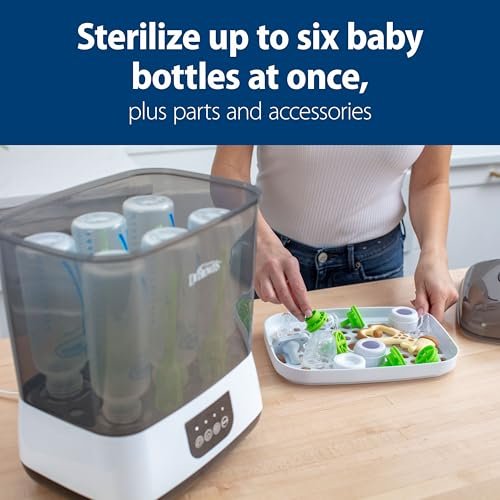
Do not put too many bottles or parts inside the sterilizer at once. Overloading blocks steam and stops it from reaching all surfaces. This causes residue to form on bottles.
Leave space between items for steam to circulate freely. Sterilize in smaller batches for best results. Clean bottles come out clearer and safer.
Routine Sterilizer Care
Clean your sterilizer regularly to remove minerals and dirt. Wipe down the inside and outside after use. Descale with vinegar or a special cleaner as needed.
Check for any water left inside before starting a new cycle. Regular care keeps your sterilizer working well and prevents residue buildup over time.


Frequently Asked Questions
Why Does My Bottle Sterilizer Leave White Residue?
White residue is usually mineral deposits from hard water. Using distilled water can reduce this buildup effectively and protect your bottles.
Can Residue Affect Baby Bottle Safety?
Residue is generally harmless but can affect taste and cleanliness. Regular cleaning and proper rinsing ensure bottles remain safe for babies.
How To Prevent Residue Buildup In Sterilizers?
Regularly descale your sterilizer using vinegar or a descaling solution. Using distilled water also helps prevent mineral deposits.
Is Residue Harmful To Baby’s Health?
Residue itself isn’t toxic but may harbor bacteria if not cleaned properly. Always ensure bottles are thoroughly rinsed and sterilized.
Conclusion
Residue on bottles can come from minerals or detergent left behind. Cleaning the sterilizer regularly helps stop buildup. Using the right amount of water is important too. Always rinse bottles well after sterilizing. This keeps your baby’s feeding safe and clean.
Small steps make a big difference in hygiene. Check your sterilizer’s instructions for best care. Clean bottles mean happier, healthier feeding times. Keep these tips in mind to avoid residue problems. Simple habits protect your baby every day.